

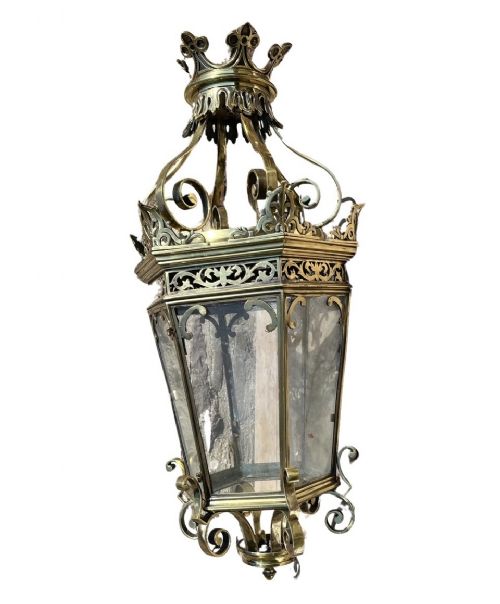
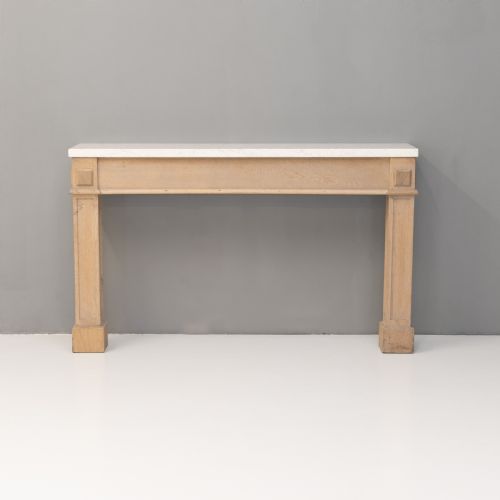


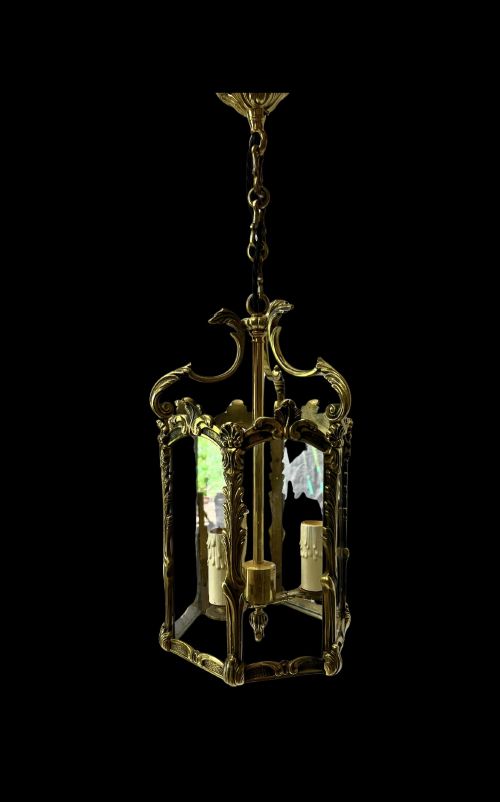


Vintage Entryway Light
These vintage entryway light fixtures set the tone for a home the moment the front door opens, offering both welcoming illumination and period character.
Vintage Entryway Light
A vintage entryway light encompasses hall lanterns, ceiling lights, and porch fixtures designed to illuminate corridors, hallways, and entrance spaces. These pieces establish an immediate architectural impression upon entering a home.
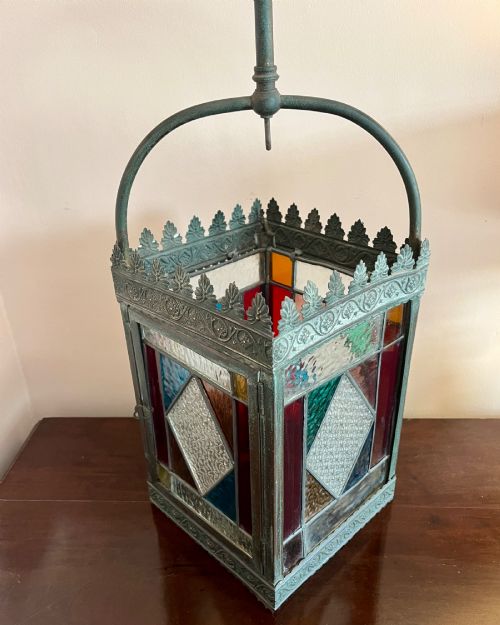
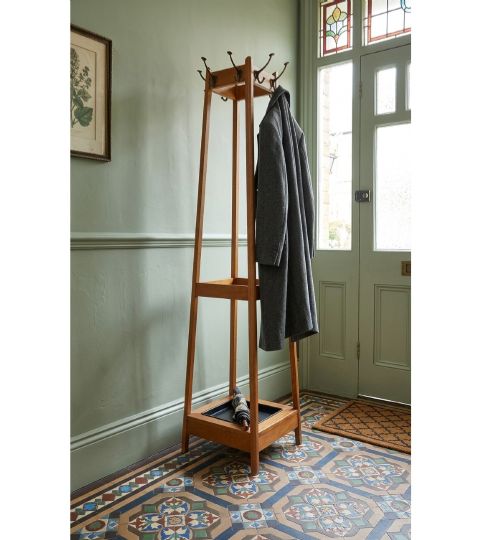
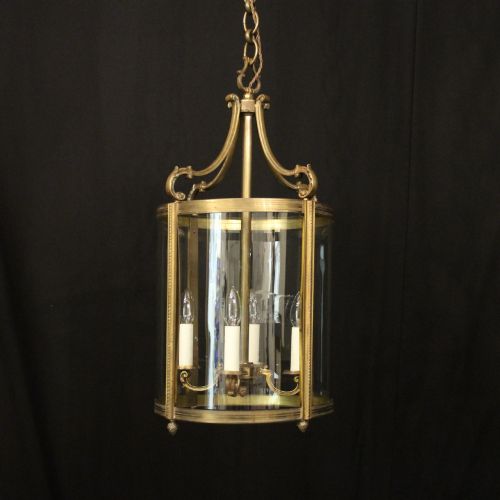
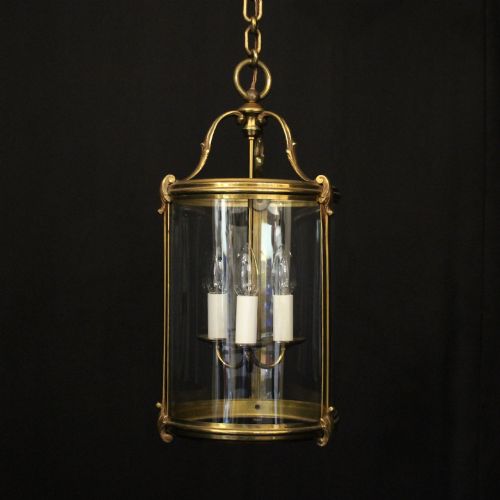
The selection on this page leans heavily toward hanging hall lanterns and ceiling lanterns originating from the Victorian era through the mid-twentieth century. Alongside these light sources, the listings include occasional console tables, side tables, and coat stands that anchor the entryway space.
The forms draw from diverse design traditions, ranging from restrained Arts and Crafts ironwork to ornate French gilded bronze and classical revival styles. Buyers encounter everything from simple single-light brass lanterns to substantial multi-light chandeliers configured for high ceilings.
Materials and construction
Construction relies heavily on metals such as brass, copper, wrought iron, steel, and gilded bronze, which form the structural frames and decorative cages of the lanterns. These metals are frequently paired with clear, convex, or stained glass panels designed to diffuse light effectively across a hallway.
Wood elements appear in auxiliary entryway furniture like oak console tables and coat stands, often shaped with carved details or serpentine fronts. Metal components involve casting, forging, and soldering techniques that produce durable frames intended to withstand the transition spaces of a home.
Vintage Entryway Light Retail Price Guide 2026
Typical asking prices for vintage entryway light among the pieces listed under this phrase on Sellingantiques today, from the lower quarter to the upper quarter. They describe what is for sale here now, not the wider market.
Current listings span periods from the mid-nineteenth century through the 1950s, utilising brass, wrought iron, oak, and stained glass.
Distinctions in quality
Quality in these fixtures is distinguished by the heft of the metal casting, the clarity and thickness of the glass panels, and the depth of gilding or patination on the frame. Finer examples display crisp botanical or architectural detailing rather than flat, mass-produced stamping.
The integrity of the structural joints and the complexity of the glazing - such as convex or multi-pane configurations - separate standard utilitarian hallway fixtures from decorative salon-grade lanterns.
The Vintage Entryway Light Glossary
- Hall lantern
- A hanging light fixture specifically proportioned for narrow corridors and entrance halls. These fixtures often feature enclosed glass panels and protective metal frames.
- Gilded bronze
- Bronze metal treated with a thin layer of gold leaf or gold paint to impart a rich metallic lustre. This finish was favoured in formal French interior lighting.
- Convex glass
- Glass panes manufactured with an outward curve that distorts light and adds visual depth to a lantern frame. It requires specialist forming techniques.
- Arts and Crafts
- A design movement prioritising handcraftsmanship, simple structural honesty, and local materials over industrial ornamentation. Ironwork and hammered copper are common expressions.
Vintage Entryway Light: Frequently Asked Questions
How do I choose the right size?
Consider the ceiling height and the floor area of your hallway when selecting a hanging fixture. A multi-light lantern requires adequate vertical clearance so it hangs comfortably above foot traffic.
Larger spaces accommodate substantial gilded bronze or multi-pane lanterns, while compact corridors suit single-light drop pendants.
Are these lights ready for modern wiring?
Most antique and vintage fixtures require professional electrical installation to meet current safety standards. An electrician can adapt older lamp holders while preserving the original metalwork.
Wiring paths inside historical lanterns often accommodate standard modern bulbs once properly inspected.
Where should a hall lantern hang?
These fixtures perform best suspended centrally in an entrance vestibule, hallway, or above a hallway console table. Proper placement ensures the light illuminates both the threshold and adjacent architectural details.
Ensure the bottom of the fixture clears the heads of taller visitors when hung in standard passageways.
How do I clean brass and bronze?
Dust metal frames gently with a soft, dry cloth to prevent the buildup of grime on intricate castings. Avoid abrasive cleaners that strip the historical patina accumulated over decades.
Gilded surfaces require particular care to protect the underlying gold finish from harsh chemical agents.