



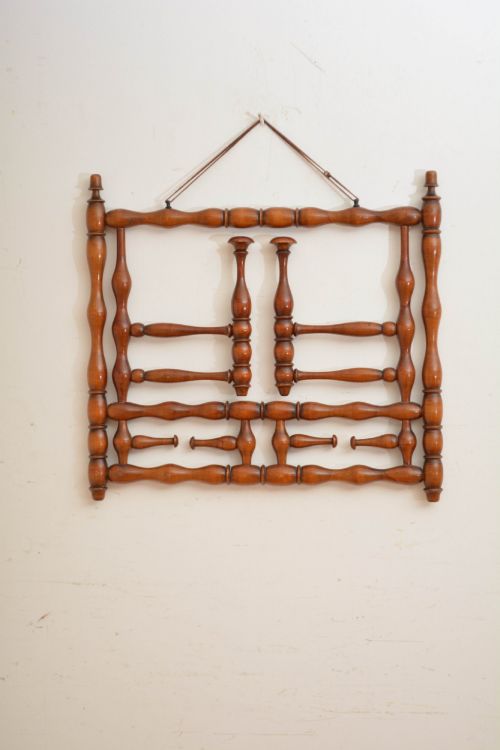
Vintage Entryway Hat Rack
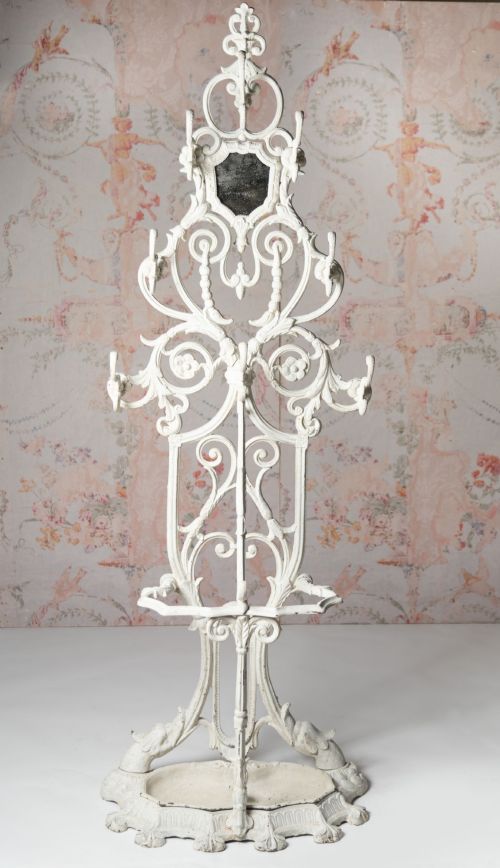
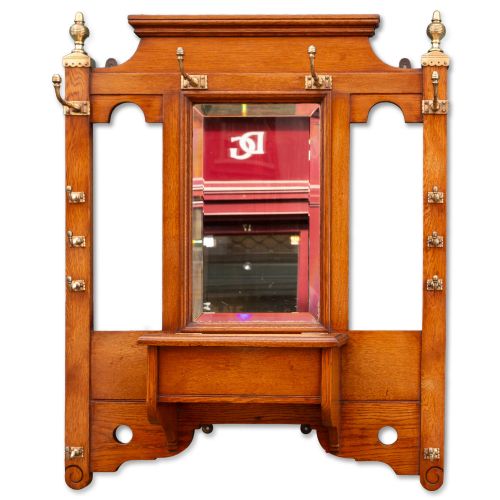
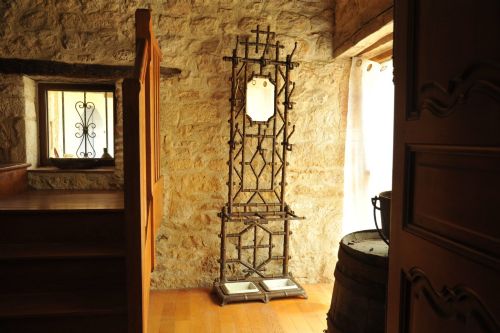
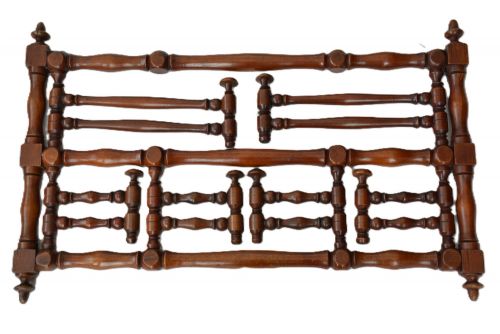
A vintage entryway hat rack keeps coats, hats and umbrellas organised in the hallway while establishing a distinct period character.
Vintage Entryway Hat Rack
When you search for a vintage entryway hat rack, you encounter a selection of hall stands, coat racks, coat stands and wall-mounted pieces designed for the hallway. The examples available here span periods from the nineteenth century through the 1930s, including Victorian, Edwardian, Arts & Crafts, Art Nouveau and Art Deco styles.
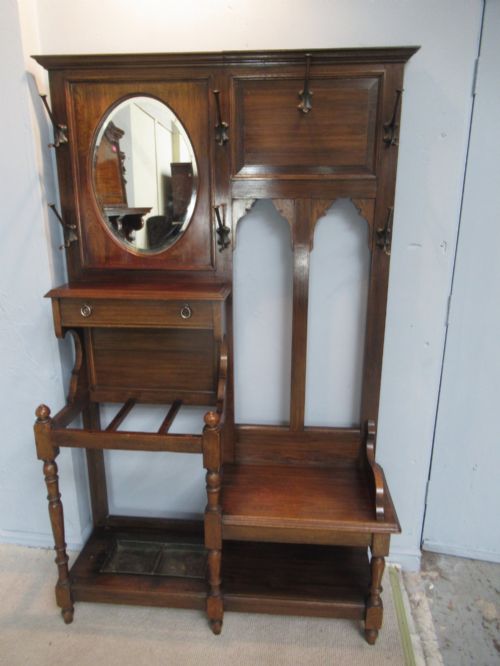
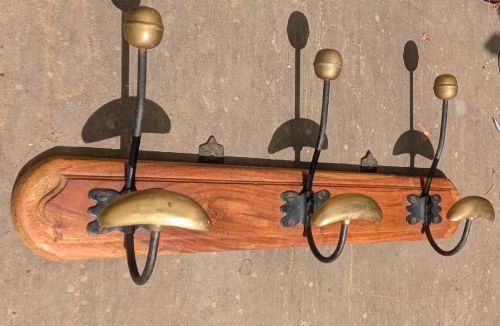
The most common forms on this page are substantial oak hall stands featuring integrated mirrors, coat hooks and umbrella wells. You also find wall-mounted wooden and metal racks alongside freestanding bentwood designs.
Origins include British workshops, French makers and Austrian bentwood producers, reflecting how households managed garments and accessories over the decades.
Materials and construction methods
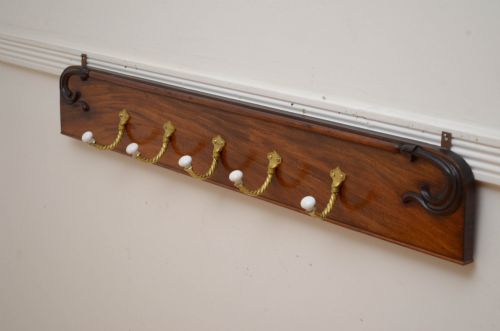
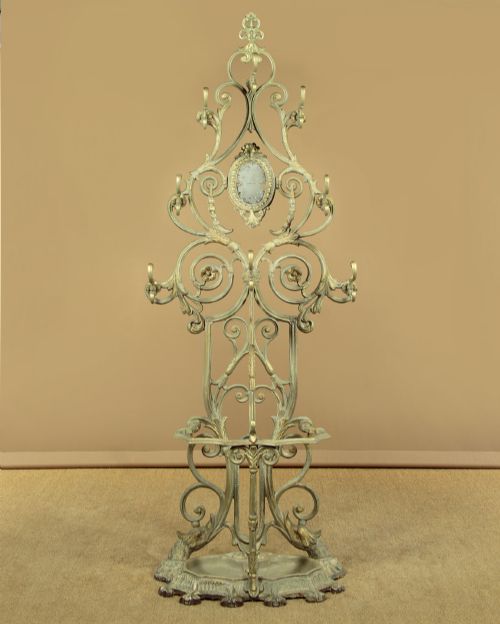
Cabinet makers utilised solid timbers such as oak, mahogany, walnut and beech, frequently shaping them through steam bending or elaborate hand carving. Many pieces incorporate brass, cast iron or wrought iron hooks and brackets, occasionally complemented by ceramic elements and inset mirrors.
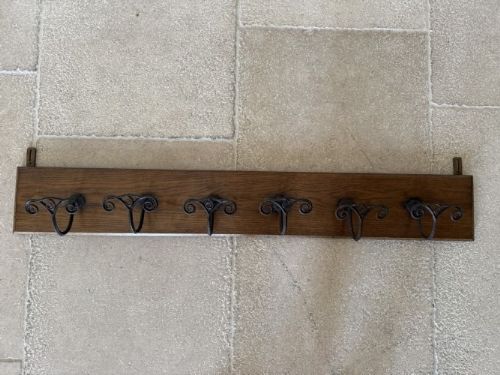
Free-standing hall stands often combined carved wooden panels with marble drip pans and cast iron umbrella holders to manage wet weather gear. Wall-mounted racks relied on sturdy timber boards fitted with multiple metal or brass hooks.
Black Forest carved bear hall stands bring a forest creature directly into the hallway to hold your walking stick.
Differences in quality across pieces
Quality reveals itself in the substance of the timber, the depth of the carving, and the weight of the metal hardware. Superior pieces display crisp joinery, well-figured oak or mahogany, and substantial cast iron or brass fittings that bear daily use.
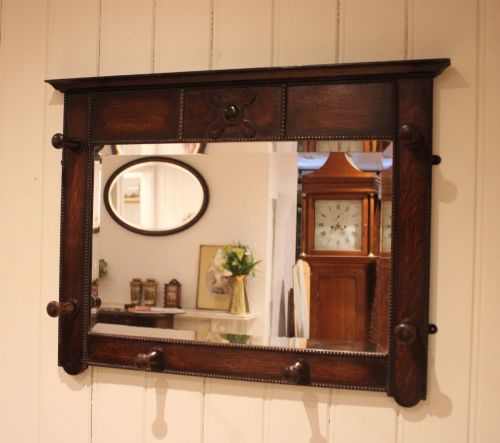
The presence of integrated bevelled mirrors, original ceramic or brass hooks, and intact marble drip trays elevates a piece above simpler utilitarian versions.
Fischel
The Vintage Entryway Hat Rack Glossary
- Hall stand
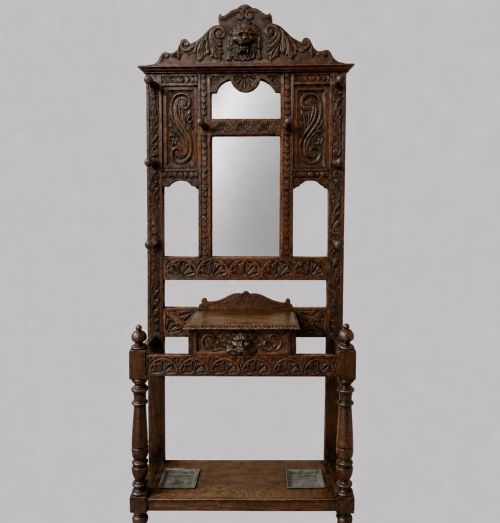
- A large freestanding hall piece combining a mirror, coat hooks, a shelf or hat rack, and umbrella storage. These items anchor an entrance hall.
- Bentwood
- Wood softened by steam and bent into curved structural forms, utilised extensively for lightweight yet resilient coat stands. This technique gained prominence during the late nineteenth and early twentieth centuries.
- Aesthetic Movement
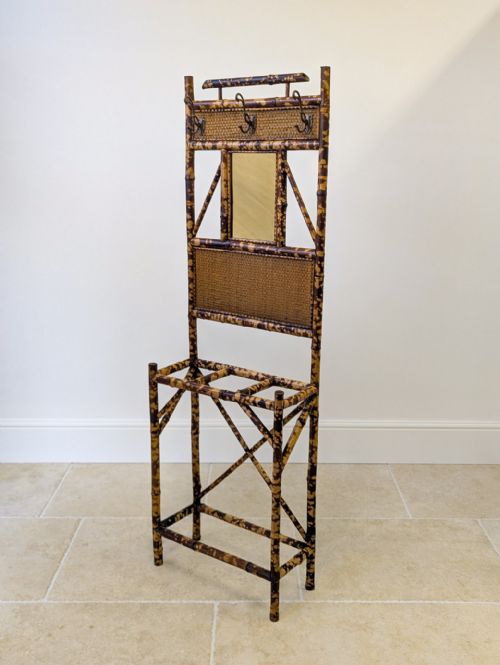
- A late nineteenth-century design style emphasising visual beauty over narrative content, often seen in bamboo hall stands of the period. This style rejected heavy Victorian ornamentation in favour of simpler lines.
- Faux bamboo
- Wood carved and painted to imitate real bamboo stalks, popular during the Victorian era for exotic hall stands. Craftsmen meticulously shaped timber surfaces to replicate natural joints and rings.
- Drip pan
- A small metal or ceramic tray placed at the base of a hall stand to catch water from umbrellas and walking sticks. These pans protected wooden flooring from dampness.
Vintage Entryway Hat Rack: Frequently Asked Questions
What is a hall stand?
A hall stand is a multi-functional piece of furniture designed for the entryway, combining coat hooks, a hat shelf, a mirror and umbrella storage.
These pieces provided a dedicated space for outdoor garments and accessories as visitors entered the home.
How do I identify a Victorian hall stand?
Victorian hall stands typically feature heavy carved oak, walnut or mahogany, often incorporating large mirrors and cast iron umbrella wells.
They frequently display elaborate ornamentation such as foliage carvings, turned spindles and brass hardware.
Are bentwood coat stands sturdy?
Bentwood stands utilise steam-bent timber to achieve remarkable strength and resilience despite their slender profiles.
Their lightweight construction allowed them to be moved easily within the hallway while supporting heavy coats.
Where were wall-mounted racks used?
Wall-mounted racks were fastened in hallways, corridors or boot rooms to maximise floor space while hanging hats and coats.
They suited smaller entrances where a freestanding hall stand would prove too bulky.