

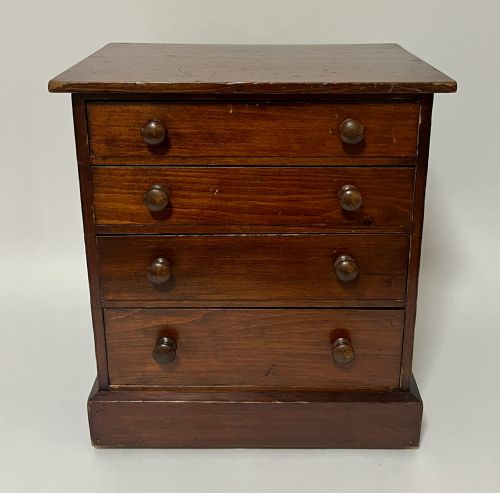


Vintage Entomology Specimen
These vintage entomology specimen cabinets and displays preserve the meticulous craft of natural history, offering timber drawers designed to secure delicate historical collections.
Vintage Entomology Specimen
When searching for a vintage entomology specimen, buyers encounter sturdy timber cabinetry and glazed display cases designed to house delicate natural history collections. These pieces primarily manifest as multi-drawer chests and cabinets spanning the Georgian, Victorian, and Edwardian periods.
The version most commonly met on this page is the mahogany or pine collectors cabinet featuring numerous shallow drawers. These enclosures were built specifically to protect fragile Lepidoptera and insect specimens from dust, light, and pests.
Materials and construction
Cabinet makers utilised dense hardwoods like mahogany and walnut alongside softer timbers such as pine, deal, and oak to construct the main carcasses and drawer frames. Brass handles, locking mechanisms, and hinges provide structural security and hardware detailing across the periods.
Glass panels are fitted into doors or lids to permit viewing while maintaining a sealed internal environment for the specimens inside. Card and paper linings frequently paper the bases of internal drawers to receive mounting pins.
Vintage Entomology Specimen Retail Price Guide 2026
Typical asking prices for vintage entomology specimen among the pieces listed under this phrase on Sellingantiques today, from the lower quarter to the upper quarter. They describe what is for sale here now, not the wider market.
Listings span the Georgian, Victorian, and Edwardian eras, constructed primarily in mahogany, oak, pine, and brass.
Distinctions in quality
The calibre of a piece rests on the precision of its drawer construction and the quality of the timber selection. Cabinets featuring figured mahogany, satinwood inlay, or numerous symmetrical drawers represent the upper tier of maker output.
Simpler constructions in stained pine or deal represent utilitarian workshop production rather than bespoke cabinet making. The presence of original locks, functional keys, and intact glass-fronted doors elevates the integrity of the piece.
Brady of Edmonton·Charles William Schofield·William John Burchall·J T Crockett
The Vintage Entomology Specimen Glossary
- Collectors Cabinet
- A piece of furniture fitted with multiple shallow drawers designed to organise and protect natural history specimens. These typically feature panelled or glass doors.
- Specimen Case
- A smaller portable box or glazed wall frame utilised for displaying individual or grouped taxonomic subjects. They often incorporate secure latches for transport.
- Deal
- A traditional British term for fir or pine timber used extensively in utilitarian and workshop cabinetry. It provides a lighter alternative to denser hardwoods.
- Mahogany
- A durable tropical hardwood favoured by period cabinet makers for its stability, rich grain, and resistance to warping. It forms the primary material of high-status pieces.
- Pitch Pine
- A resinous softwood possessing a prominent grain pattern utilised in regional cabinet construction during the nineteenth century. It offers robust durability for large drawer chests.
Vintage Entomology Specimen: Frequently Asked Questions
What were entomology cabinets originally used for?
Cabinet makers built these pieces to store and protect delicate collections of butterflies, moths, and other insects gathered by naturalists. The shallow drawers kept specimens flat and organised while shielding them from light and dust.
Over generations, collectors utilised the numerous small drawers to sort taxonomic classifications systematically, often locking the main doors to preserve the fragile contents.
How do I date a vintage specimen cabinet?
Dating relies on observing timber choices, construction techniques, and hardware styles across different eras. Georgian and early Victorian pieces often display hand-cut dovetails and dense mahogany, while later Edwardian examples may utilise pitch pine or deal.
Maker stamps, brass lock signatures, and the overall joinery methods provide further physical evidence to place a cabinet within its specific historical decade.
Can I store modern items in these cabinets?
The shallow drawers suit the organisation of small flat items, jewellery, or stationery supplies. The internal depth is restricted because drawers were built strictly to hold pinned insects and thin card mounts.
Placing items inside requires consideration of the original paper or card drawer linings, which benefit from remaining undisturbed to preserve the authentic interior character.
How should I care for antique timber and glass?
Maintenance involves keeping the timber away from direct heat sources and fluctuating humidity to prevent wood movement or splitting. Gentle dusting of the exterior surfaces with a dry cloth preserves the finish.
Glass panels require standard non-abrasive cleaning, and the original brass hardware benefits from minimal intervention to maintain its natural historical patina.