

Vintage Engraving
These vintage engraving pieces span centuries of printmaking and ornamentation, offering collectors tangible fragments of historical craftsmanship.
Vintage Engraving
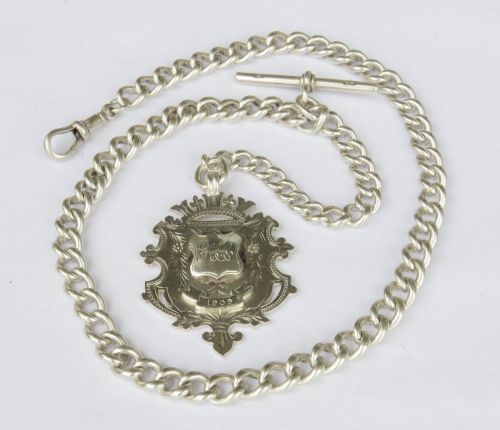
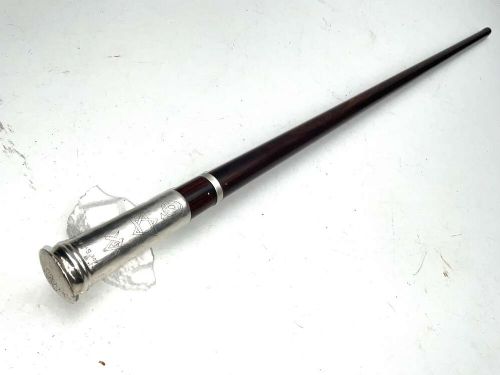
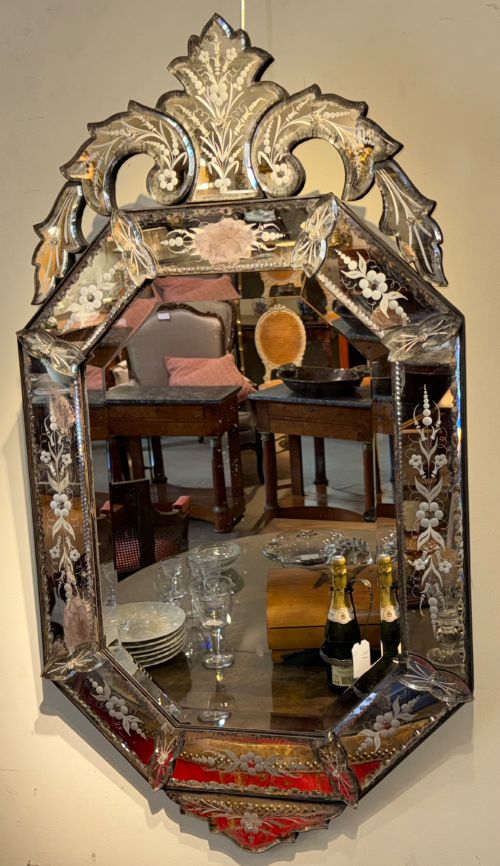
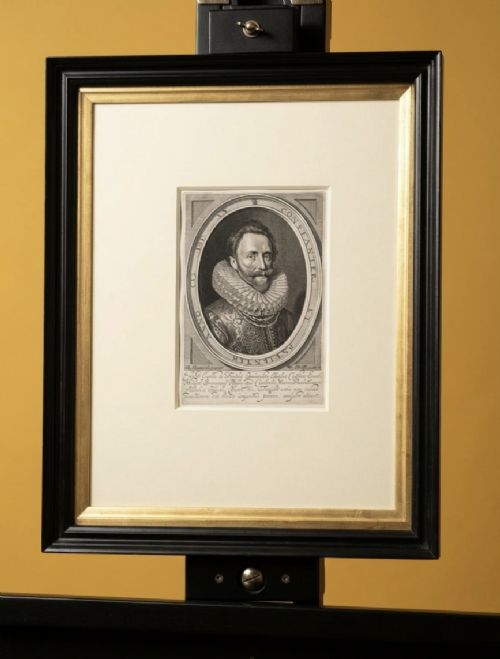
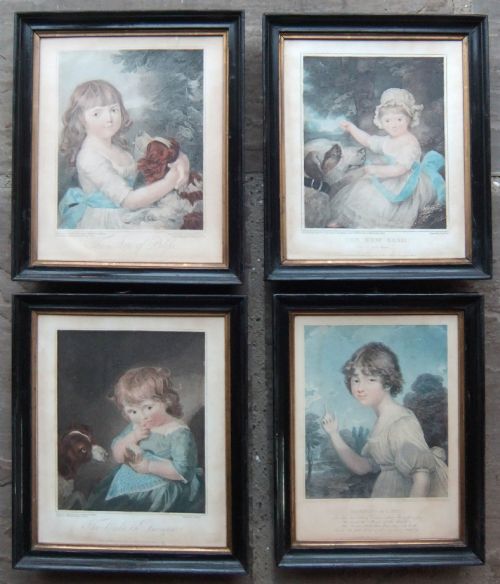
When you search for vintage engraving, you encounter a varied selection of items ranging from framed prints and maps to small decorative objects embellished with incised designs. The evidence reveals pieces spanning from the seventeenth century through to the mid-twentieth century, encompassing works on paper as well as metalware and glassware.
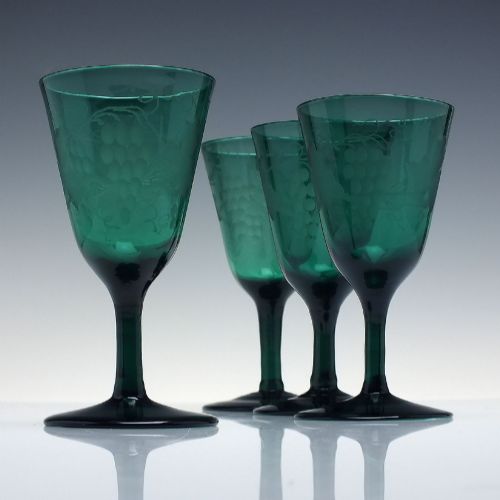
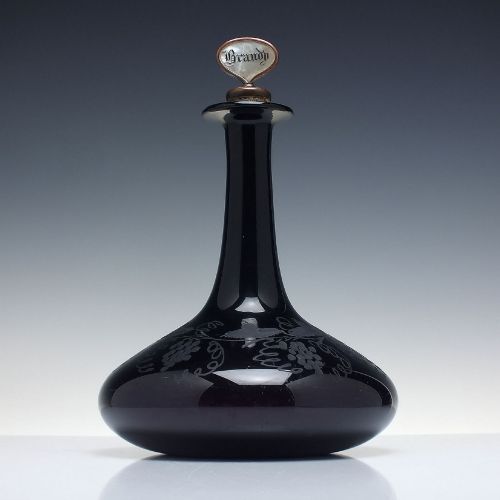
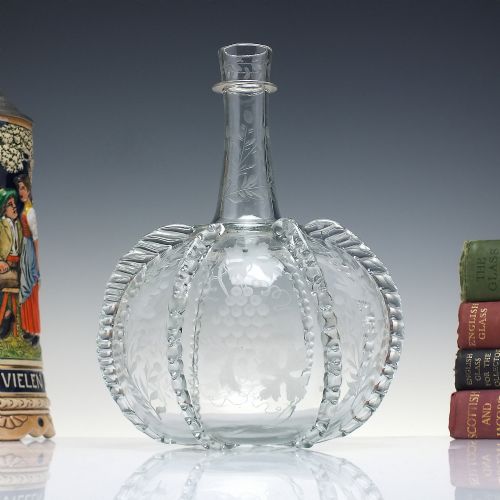
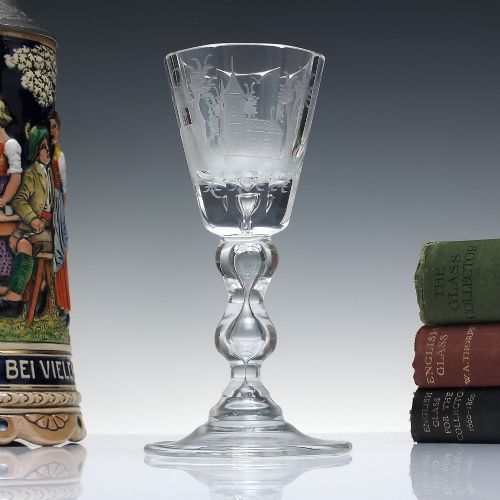
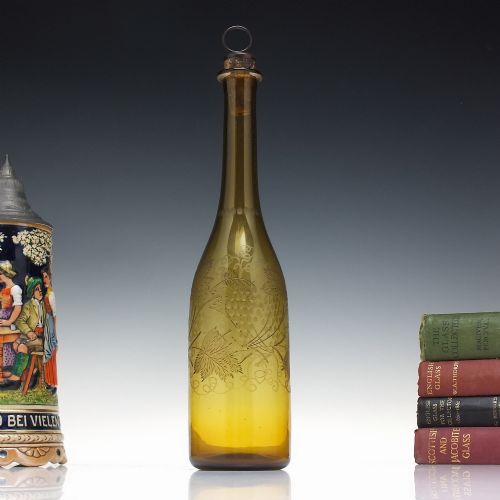
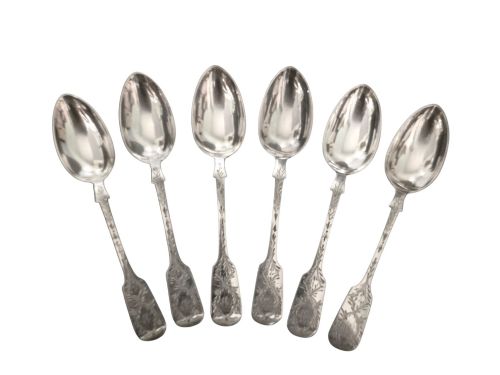
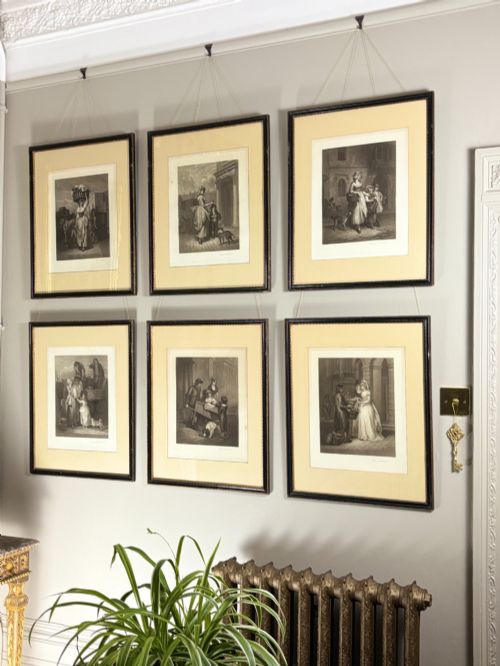
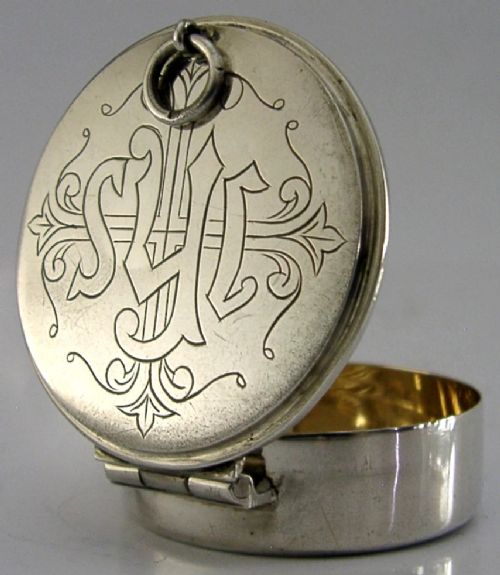
Print works feature prominently among these items, alongside inscribed silver objects such as decanter labels, napkin rings, and cigar cases. Glassware from the eighteenth century also appears, displaying wheel-engraved motifs such as hops and barley.
The selection reflects both domestic British origins and continental European craftsmanship, incorporating styles from the Georgian, Victorian, and Art Deco periods. Buyers meet these varied forms across wall art, jewellery, and tableware.
Materials and technique
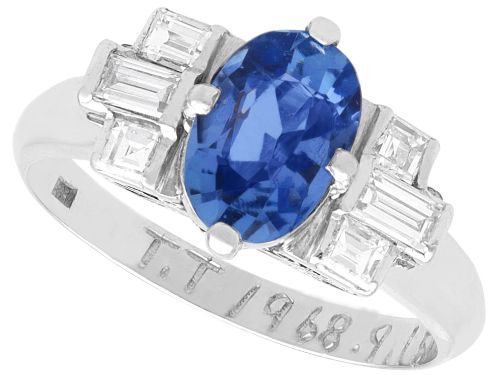
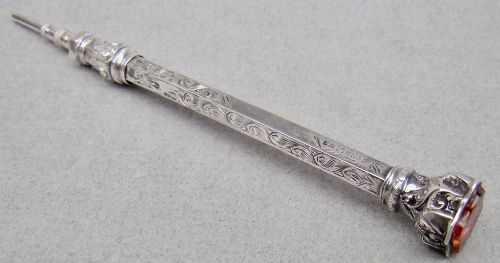
The physical evidence demonstrates that these items rely heavily on metals such as sterling silver, gold, brass, and platinum, alongside paper, ink, and glass. Artisans utilised sharp tools to cut lines directly into metal surfaces, or applied etching acids to plates before printing onto paper.
Glassware utilised wheel-cutting techniques to achieve fine surface decoration, while paper works relied on copperplate printing and mezzotint methods. Precious metals frequently exhibit hallmarks that record the year and location of manufacture.
Vintage Engraving Retail Price Guide 2026
Typical asking prices for vintage engraving among the pieces listed under this phrase on Sellingantiques today, from the lower quarter to the upper quarter. They describe what is for sale here now, not the wider market.
Listings feature paper works, sterling silver tableware, and glass items spanning from the seventeenth century to the nineteen-sixties.
Distinctions in quality
Quality in these items rests upon the clarity of the line and the precision of the execution, whether applied to paper or metal. Sharp, deep incisions on decanter labels and glassware indicate a higher grade of craftsmanship than shallow, blurred markings.
For printed works, the strength of the impression and the preservation of fine detail distinguish superior examples from worn printings. Material weight and the presence of legible maker marks or hallmarks further separate the finer pieces from standard production.
Joseph Gloster Ltd·Martin Hall & Co·William Barrett II·John Speed·Samuel Howitt
The Vintage Engraving Glossary
- Engraving
- A method of cutting lines into a hard surface, such as metal or glass, using a sharp hand tool called a burin.
- Mezzotint
- A printmaking process of the intaglio family where the plate is roughened uniformly to produce dark tones before scraping back to create highlights.
- Hallmark
- An official stamp applied to precious metals in Britain to indicate the purity of the metal, the maker, and the assay office.
- Decanter label
- A small tag suspended by a chain around the neck of a decanter to identify the contents, often decorated with engraved text or borders.
- Opaque twist
- A type of glass stem containing white or coloured enamel threads twisted within the clear glass, common in eighteenth-century drinkware.
Vintage Engraving: Frequently Asked Questions
What is an engraved print?
An engraved print is an image transferred to paper from a metal plate into which lines have been directly cut with a sharp tool.
This technique produces crisp, fine lines that differ from the softer tones found in etchings or mezzotints.
How do I date silver pieces?
Silver items are typically dated by examining the hallmarks stamped directly onto the metal surface by an official assay office.
These marks usually include symbols for the maker, the city of testing, and a specific letter corresponding to the year of manufacture.
What were decanter labels used for?
Decanter labels served to identify the specific wines or spirits held within crystal decanters during formal dining.
Suspended by small chains around the bottle necks, they displayed engraved names such as port or sherry.
How should I display framed prints?
Framed paper works require protection from direct sunlight to prevent the ink and paper from fading over time.
Keeping them in stable room environments away from excessive moisture preserves both the paper support and the engraved lines.