

Vintage English Ceramic Figure
When you search for a vintage english ceramic figure, you find earthenware and bone china pieces spanning Victorian Staffordshire to mid-century Royal Doulton work.
Vintage English Ceramic Figure
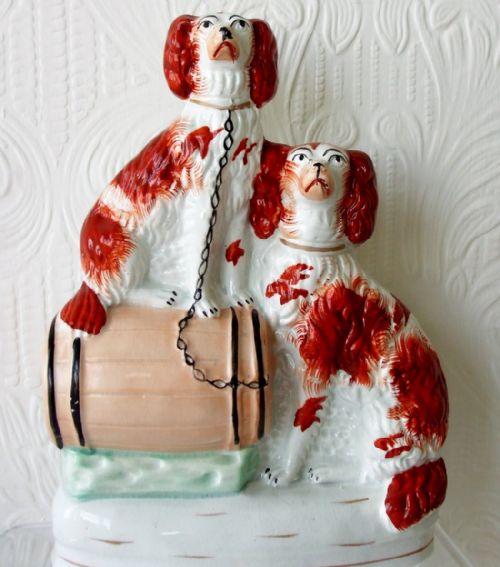
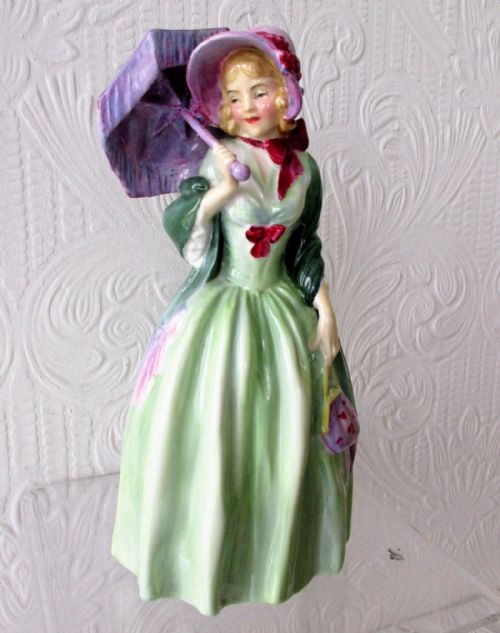
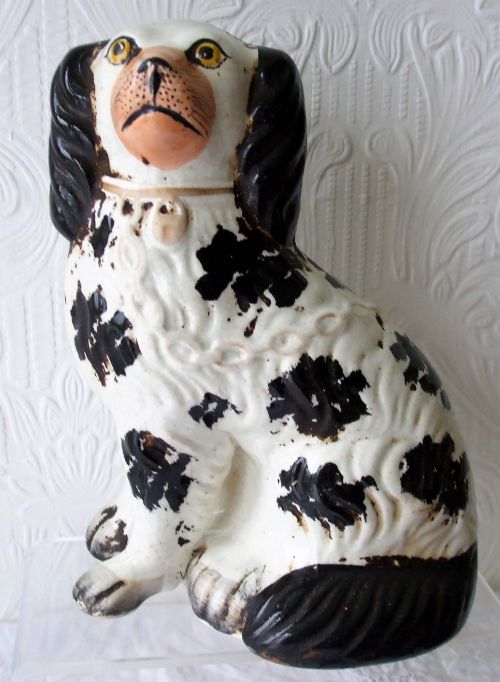
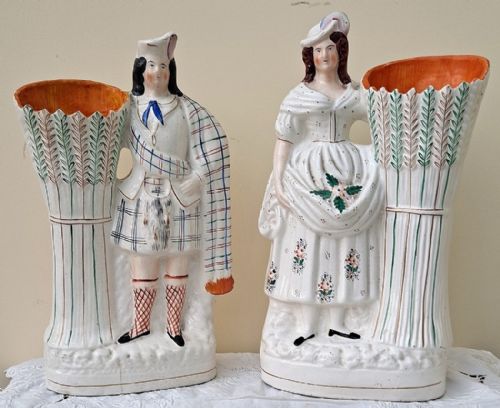
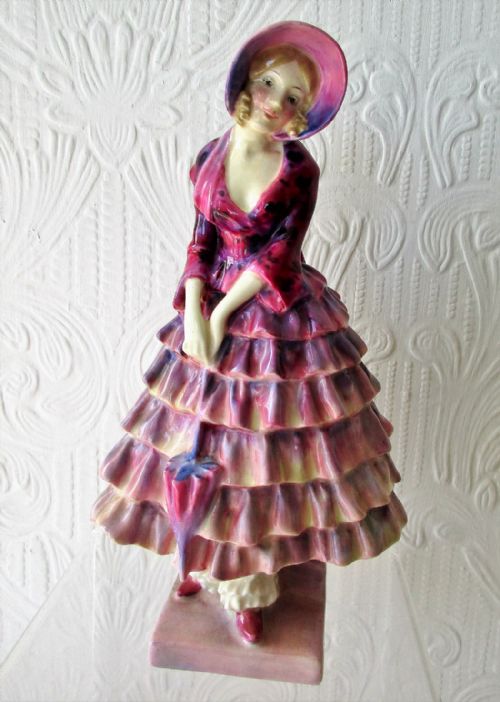
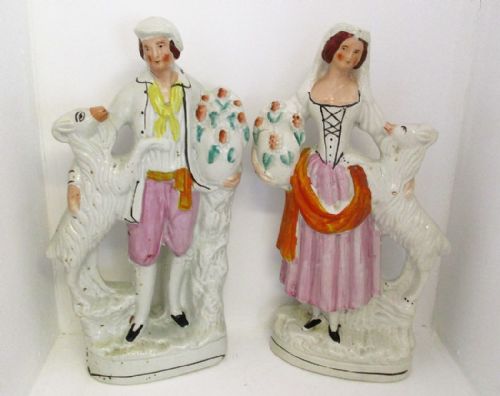
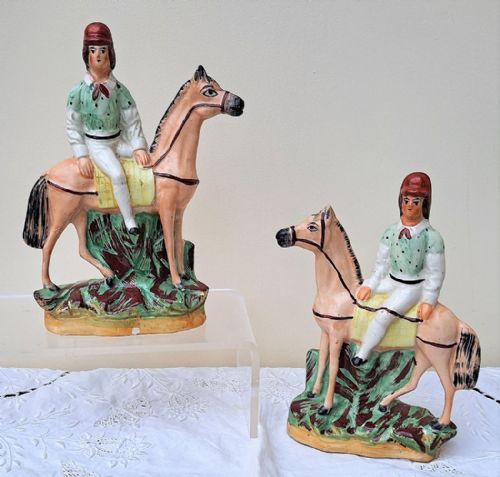
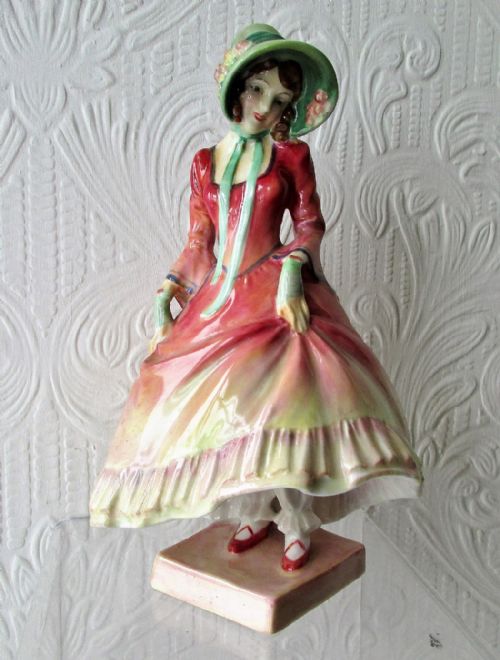
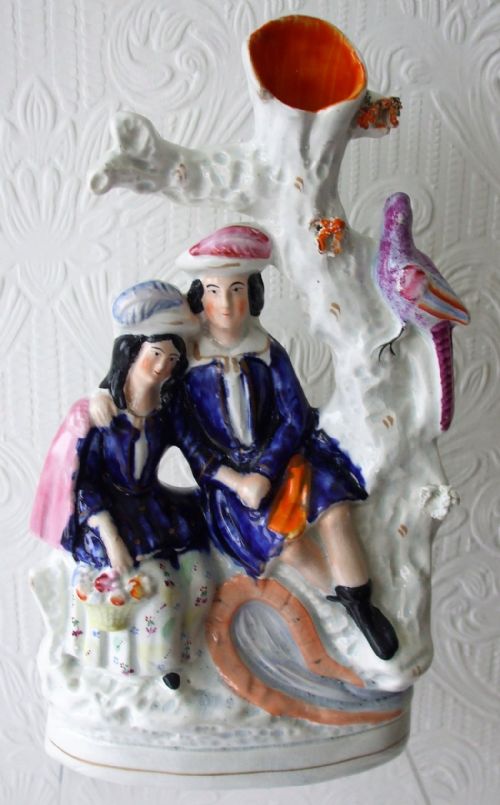
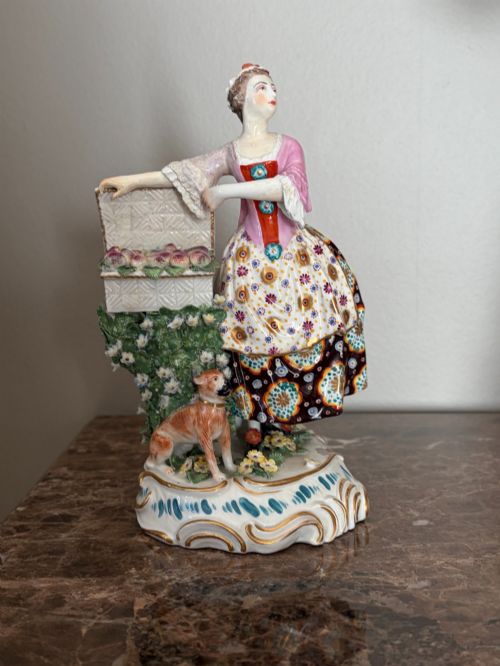
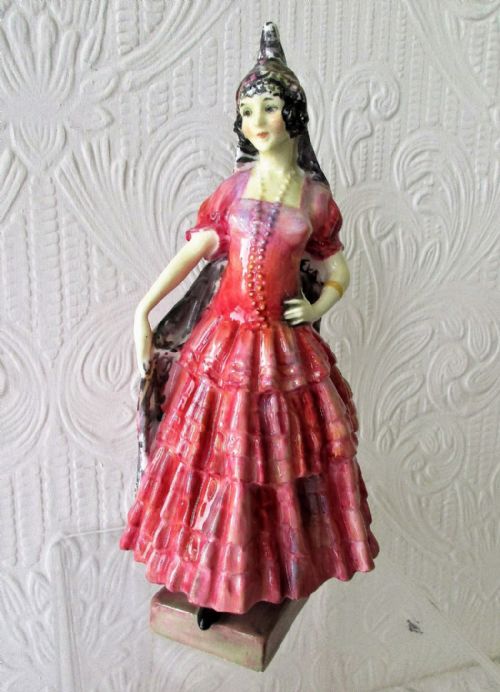
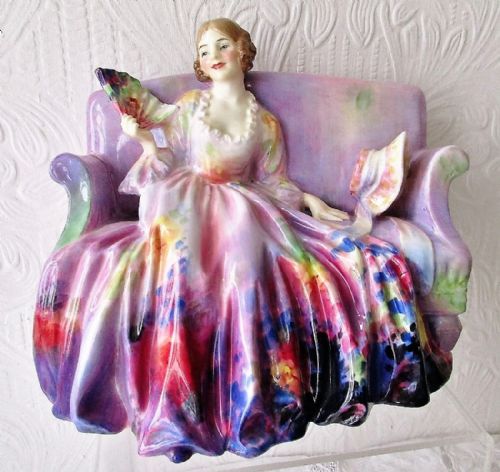
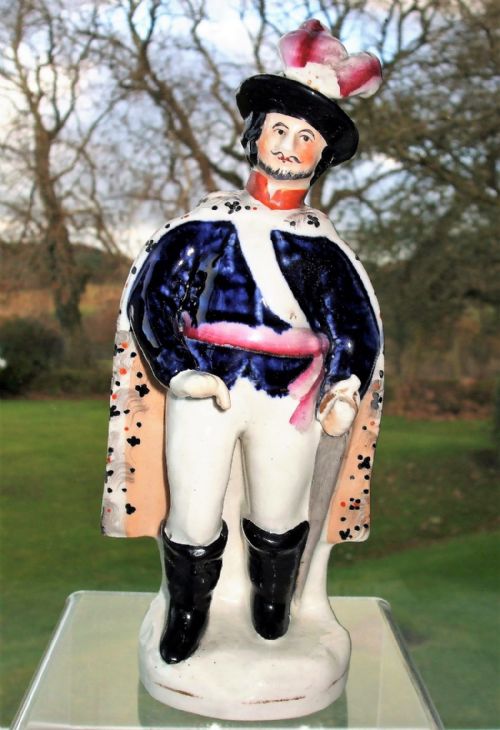
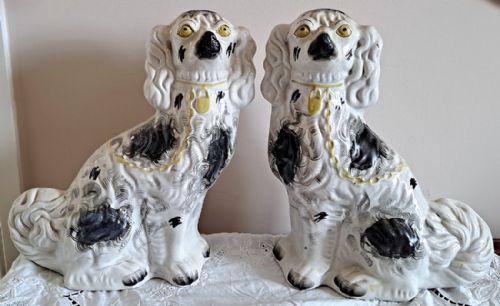
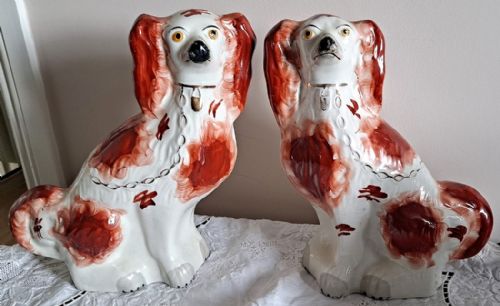
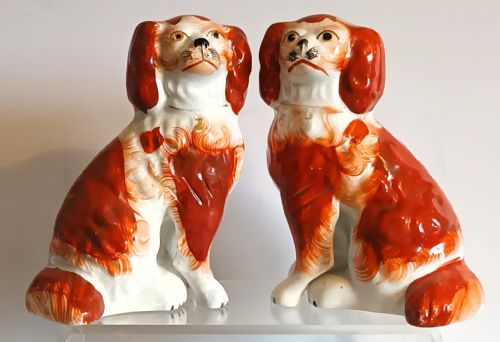
A vintage english ceramic figure encompasses everything from nineteenth-century Staffordshire spaniels and spill vases to twentieth-century porcelain ladies modelled by major potteries. The pieces on this page lean heavily toward Victorian earthenware figure groups and glazed porcelain figurines produced during the nineteen-thirties and nineteen-forties.
Buyers encounter theatrical characters, historical figures, pastoral scenes, and domestic animals like lions and comforter spaniels. These objects served primarily as mantelpiece ornaments and decorative shelf displays in British homes.
Materials and production methods
Potters relied on earthenware and bone china, shaping them through moulding and casting before applying glazes and enamel details. Gilt touches and hand-painted pigments appear across nineteenth-century earthenware and mid-century porcelain bodies.
Victorian Staffordshire pieces typically display flat backs intended for display against a wall, whilst twentieth-century porcelain figurines present fully modelled figures finished with smooth, glossy glazes.
Vintage English Ceramic Figure Retail Price Guide 2026
Typical asking prices for vintage english ceramic figure among the pieces listed under this phrase on Sellingantiques today, from the lower quarter to the upper quarter. They describe what is for sale here now, not the wider market.
Materials represented include standard earthenware, bone china, glazed porcelain, and painted enamel highlights.
Distinctions in craftsmanship
Early Staffordshire figures depend on robust, straightforward modelling, whereas porcelain figurines from later decades demonstrate finer detail in lace collars, fingers, and delicate facial expressions.
Royal Doulton·Royal Worcester·Charles Vyse
The Vintage English Ceramic Figure Glossary
- Earthenware
- A porous pottery body fired at lower temperatures, requiring an impermeable glaze to hold liquids and display enamel colours properly. It forms the foundation of most nineteenth-century Staffordshire figures.
- Spill Vase
- A hollow ceramic tube attached to a figure, designed to hold wooden spills used for lighting pipes and fires. These combination pieces served a practical household function alongside decoration.
- Flat Back
- A manufacturing method where the rear of a figure is left unglazed and flat so it can sit flush against a mantelpiece. This saves material and firing time.
- Bone China
- A type of porcelain containing animal bone ash, resulting in a strong, milky-white body that accepts delicate glazes. It appears frequently in twentieth-century figures.
- Comforter Spaniel
- A symmetrical pair of earthenware dog figures traditionally placed on either side of a fireplace. They represent the popular Victorian mantelpiece domestic ornament.
Vintage English Ceramic Figure: Frequently Asked Questions
What are vintage english ceramic figures?
They are decorative ceramic objects produced in Britain, ranging from hand-painted Victorian earthenware animals and theatrical scenes to glazed porcelain character figurines from the twentieth century.
Collectors prize them for their variety of forms, capturing domestic animals, historical figures, and pastoral life across different eras of British ceramic production.
Where were these figures displayed?
Victorian pieces usually sat on mantelpieces, often arranged in pairs such as comforter spaniels flanking a clock or grate. Their flat backs allowed them to rest securely against cottage or parlour walls.
Later porcelain figurines moved to display cabinets, sideboards, and occasional tables as domestic interiors evolved during the twentieth century.
How do I tell nineteenth-century pieces apart from twentieth-century ones?
Nineteenth-century items are predominantly earthenware with hand-painted enamel colours and often feature flat backs meant for wall placement. They possess a heavier, chunkier build typical of Staffordshire pottery.
Twentieth-century examples are usually fine porcelain or bone china with glossy glazes, fully finished backs, and factory marks identifying makers like Royal Doulton.
How do I care for ceramic figures?
Dust them gently with a soft, dry brush to prevent the accumulation of dirt in crevices and painted enamel details. Avoid harsh chemical cleaners that might lift or dull the vintage glaze.
Keep them out of direct, strong sunlight to protect hand-painted enamel colours from fading over time.