

Vintage Enamel Clock
A vintage enamel clock brings together precise mechanical movement and rich fired colour, offering a striking focal point for a mantel or desk.
Vintage Enamel Clock
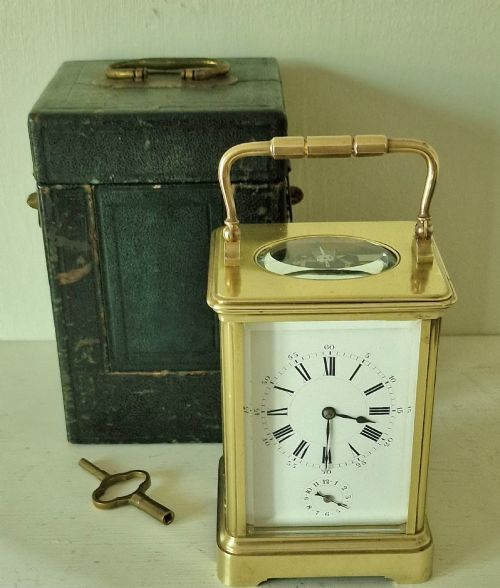
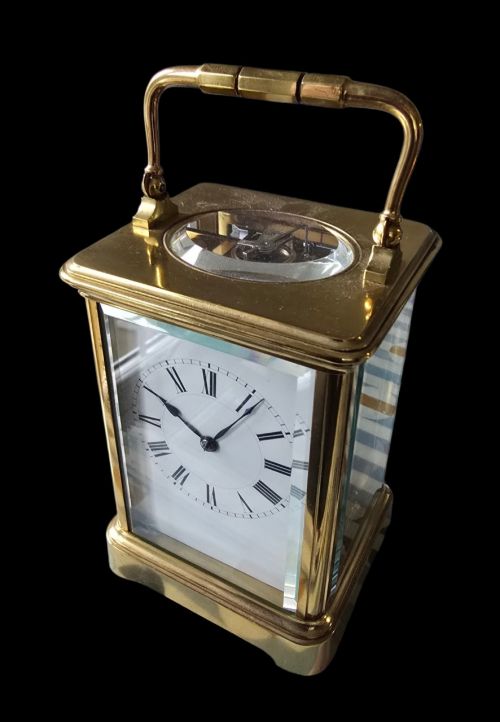
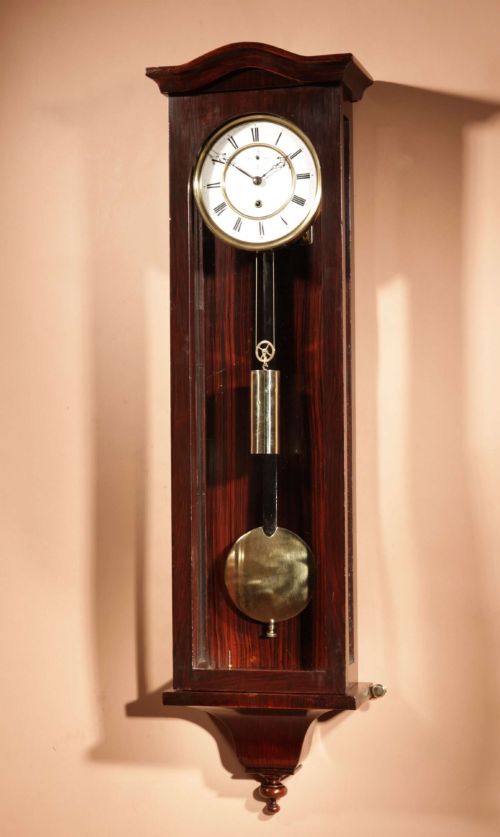
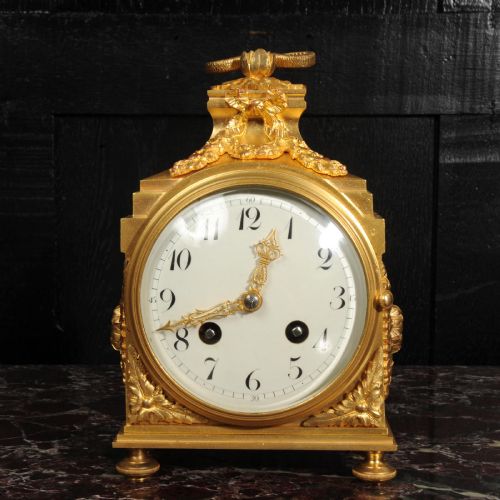
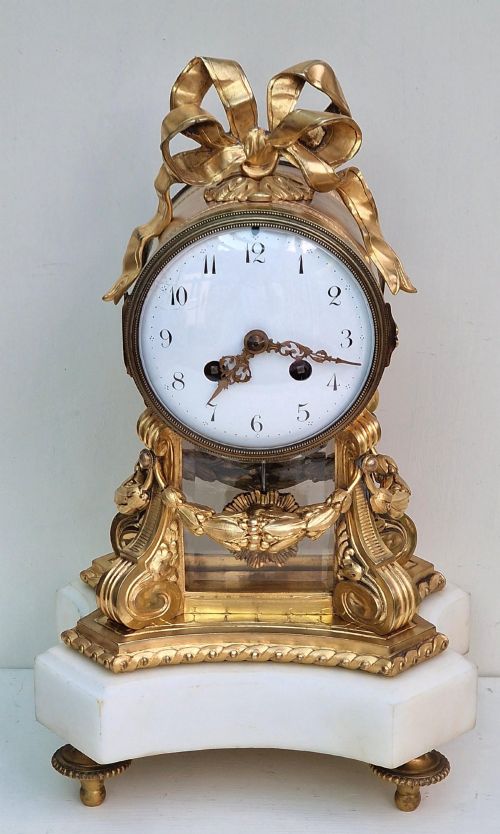
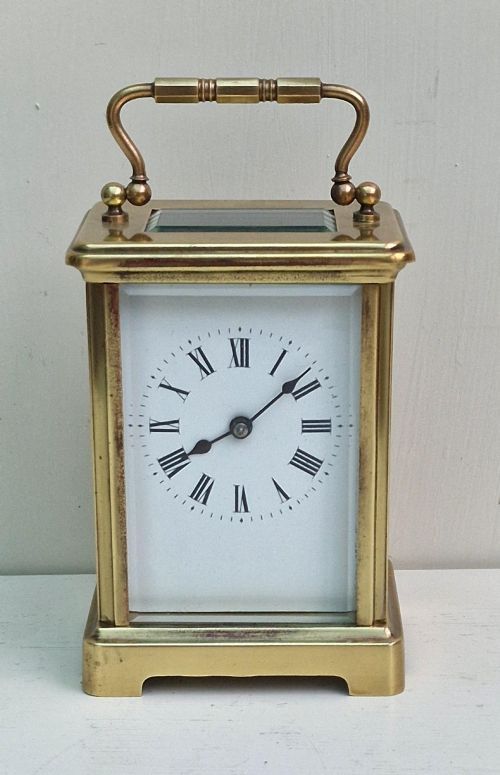
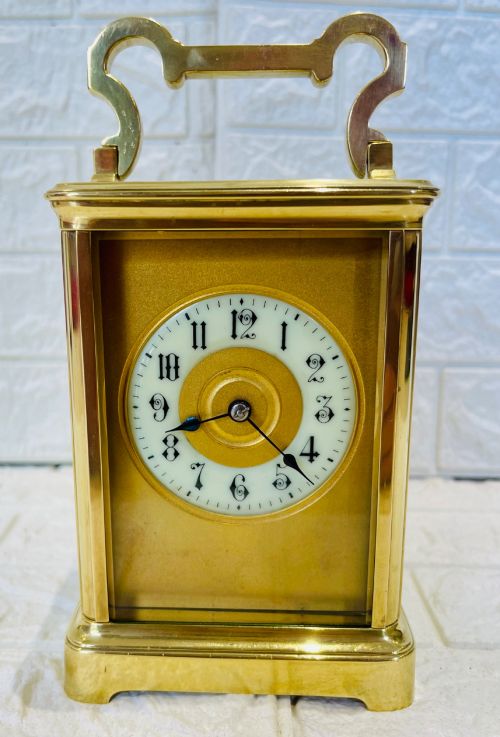
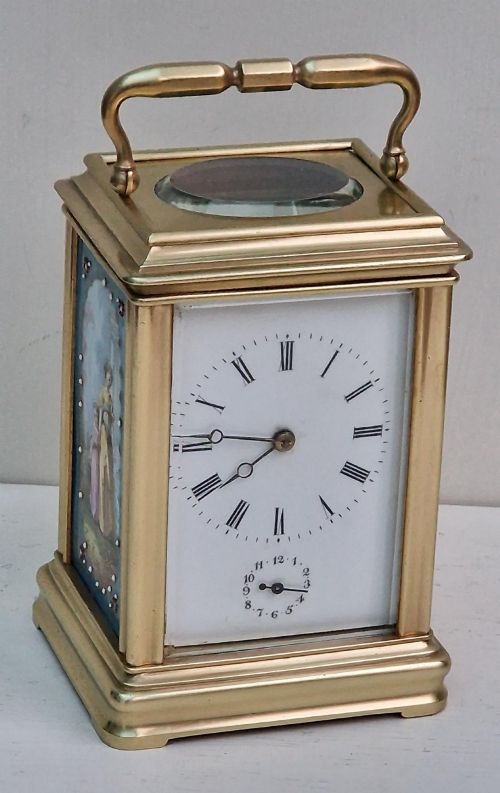
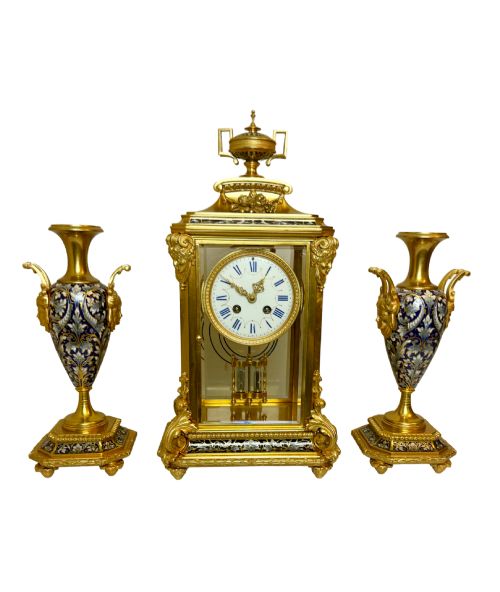
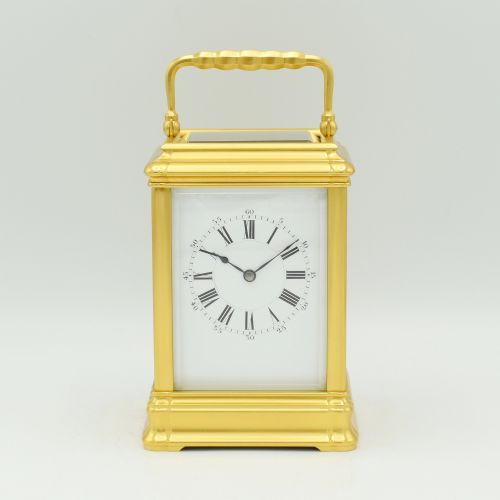
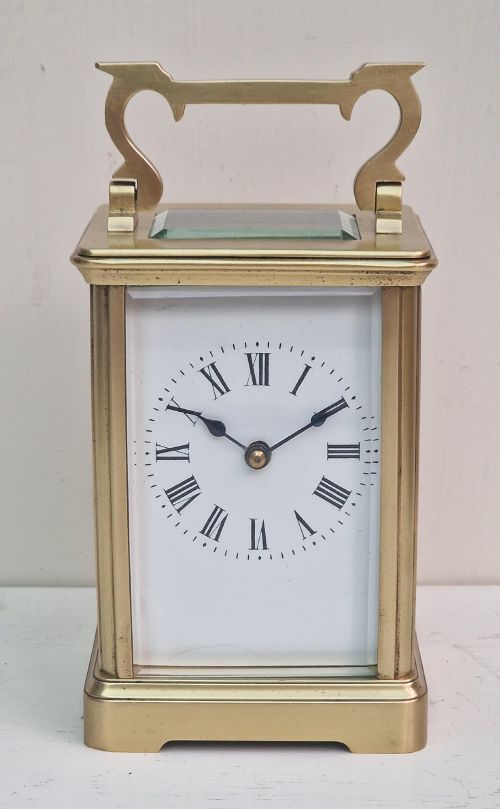
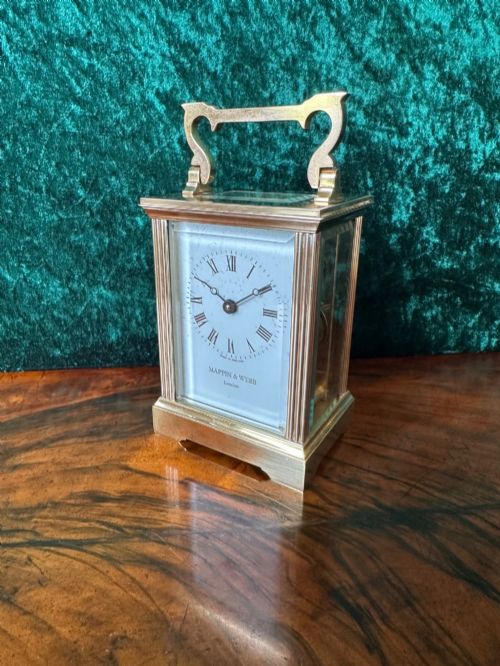
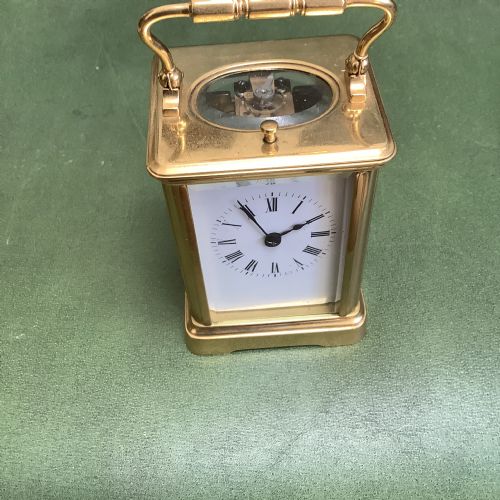
When you search for a vintage enamel clock, you encounter a selection spanning the late nineteenth century through to the mid-twentieth century, with French carriage clocks and mantel clocks forming the core of the items available. These pieces frequently incorporate enamel dials or decorative porcelain panels alongside traditional brass and gilt bronze framing.
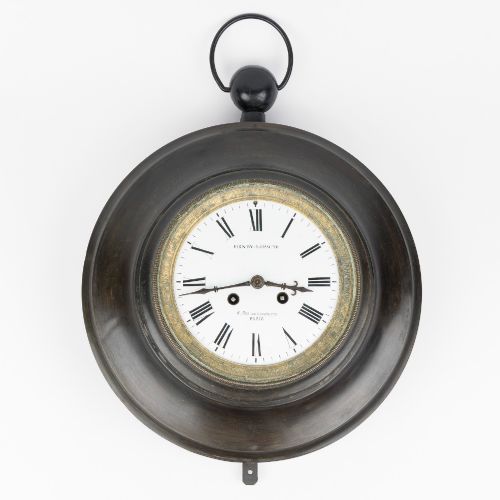
The selection ranges from sturdy brass carriage clocks bearing the marks of prominent makers such as Henri Jacot and Drocourt to specialised wall clocks and pocket watches featuring crisp enamel faces. Victorian and Edwardian examples dominate the offerings, often presented in ornate cases with bevelled glass panels.
Materials and construction
Makers constructed these timepieces using heavy brass, gilt bronze, and ormolu for the structural cases, housing intricate eight-day mechanical movements driven by springs and escapements. Glass panels were fitted to allow a clear view of the working interior, while dials and decorative elements utilised fired enamel fused to metal substrates.
Vintage Enamel Clock Retail Price Guide 2026
Typical asking prices for vintage enamel clock among the pieces listed under this phrase on Sellingantiques today, from the lower quarter to the upper quarter. They describe what is for sale here now, not the wider market.
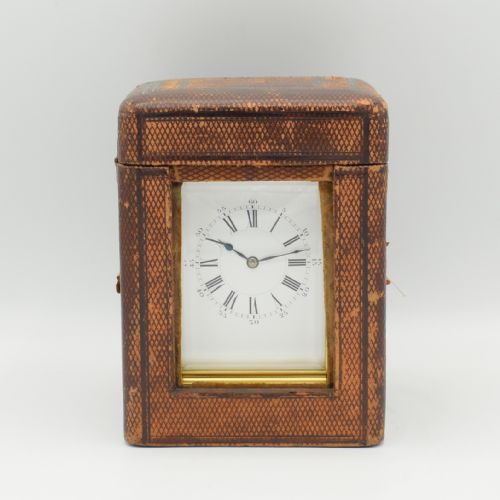
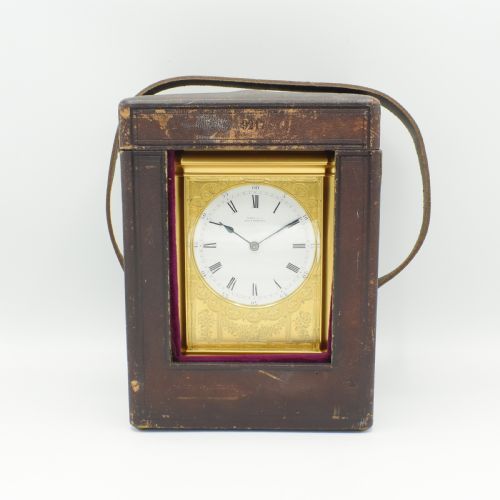
Some travel clocks arrived with custom leather cases, ensuring they survived bumpy Victorian carriage rides without losing a single tick.
Judging quality and execution
Quality in these pieces rests upon the crispness of the movement and the precision of the case casting. Finer examples display deeply engraved gilt brass work, unblemished enamel dials without hairline fractures, and signed movements from esteemed makers rather than anonymous workshop production.
The weight of the case and the complexity of the internal mechanism, such as striking trains and alarm systems, separate standard production items from masterworks. Complete sets retaining their original leather travel cases and matching winding keys command greater attention from collectors.
Drocourt·Henri Jacot·Henry Lepaute·Mappin and Web·David Veasey for Liberty and Co
The Vintage Enamel Clock Glossary
- Carriage clock
- A small, portable spring-driven timepiece designed for travel, typically featuring a brass frame with glass panels. These clocks often include a folding handle on top.
- Champlevé
- An enamelling technique where troughs are dug into a metal surface and filled with vitreous enamel before firing. The metal partitions remain visible as lines in the design.
- Escapement
- The mechanical linkage in a clock that controls the release of power from the gear train to the oscillator. It gives the clock its characteristic ticking sound.
- Gorge case
- A distinct rectangular carriage clock case style characterised by stepped mouldings at the top and base. This style is frequently found on pieces by top-tier makers.
- Pendule d'officier
- A traditional French military or officer's travelling clock design. These pieces often feature robust cases and simplified dials suited for practical use.
Vintage Enamel Clock: Frequently Asked Questions
How do I wind a vintage carriage clock?
Use the matching key inserted into the winding arbour at the back or base of the movement. Turn it gently until you feel resistance, taking care not to over-wind the mainspring.
Ensure you support the clock securely while operating the key to prevent accidental slips that might scratch the brass or glass panels.
What is a repeat strike mechanism?
A repeat strike mechanism allows the clock to chime the last hour or quarter-hour on demand when a button or cord on the top of the case is pressed.
This function was originally designed so owners could check the time in the dark without lighting a candle.
How should I clean the brass case?
Dust the exterior regularly with a soft, dry cloth to prevent the accumulation of grime in the intricate engravings and mouldings. Avoid chemical brass polishes which can strip the original gilding.
If the glass panels require cleaning, apply a small amount of window cleaner to a cloth rather than spraying directly onto the clock.
Why does my clock run fast or slow?
Mechanical clocks are sensitive to temperature changes and minor shifts in level placement. Most movements feature a small regulation square on the back plate to adjust the speed.
Move the regulator lever gradually towards the designated slow or fast indicator until the timekeeping stabilizes over a twenty-four-hour period.