

Vintage Embroidered Textile
When you search for a vintage embroidered textile, you open a diverse corridor of needlework, tapestry and tribal hangings spanning centuries of hands.
Vintage Embroidered Textile
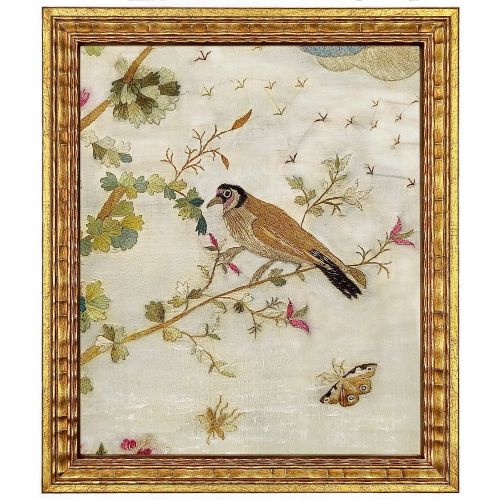
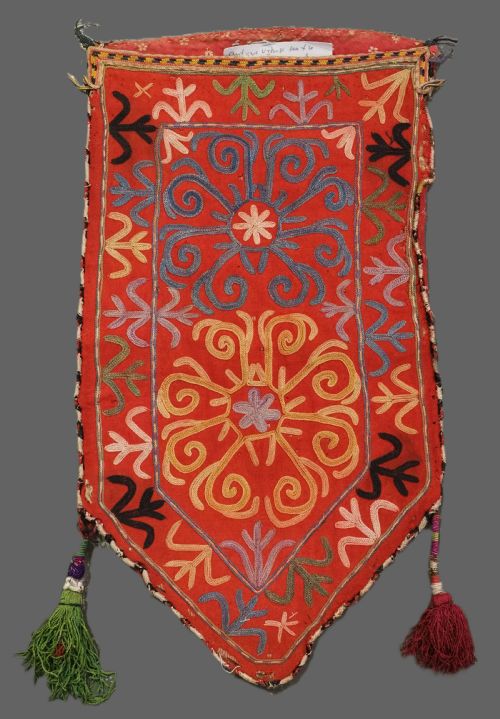
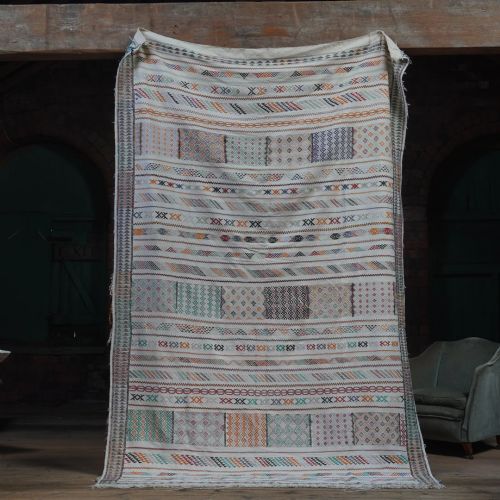
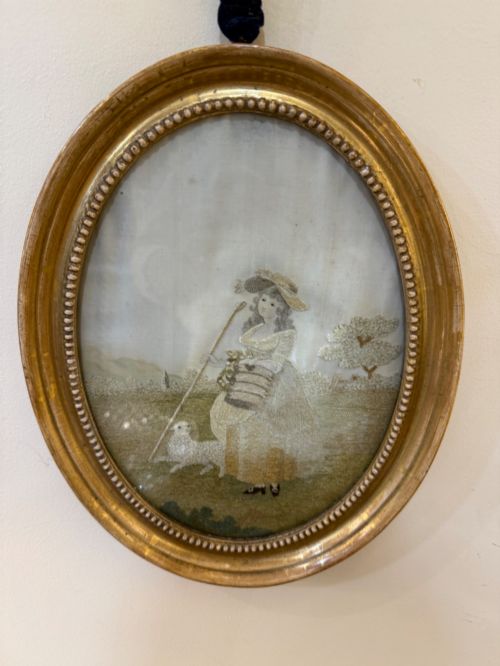
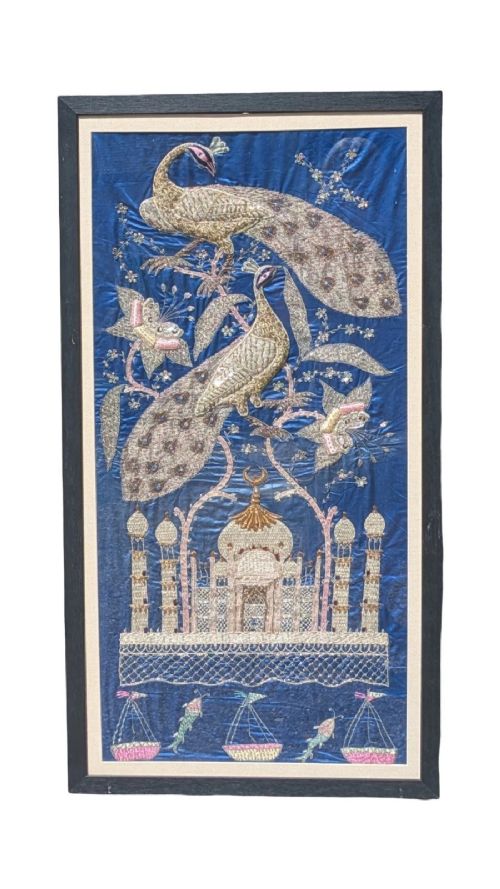
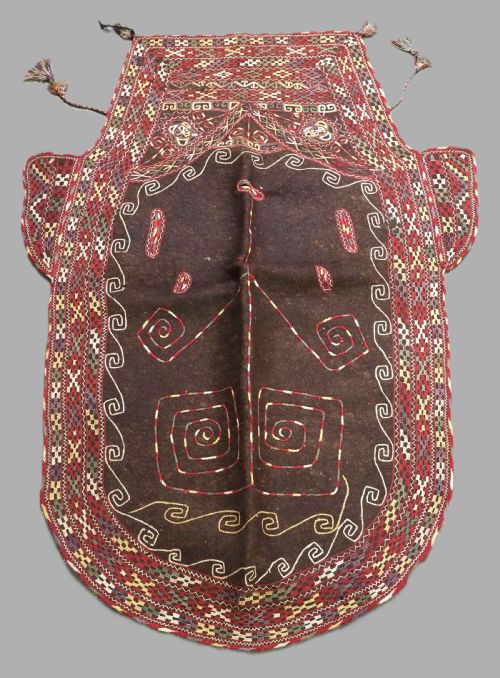
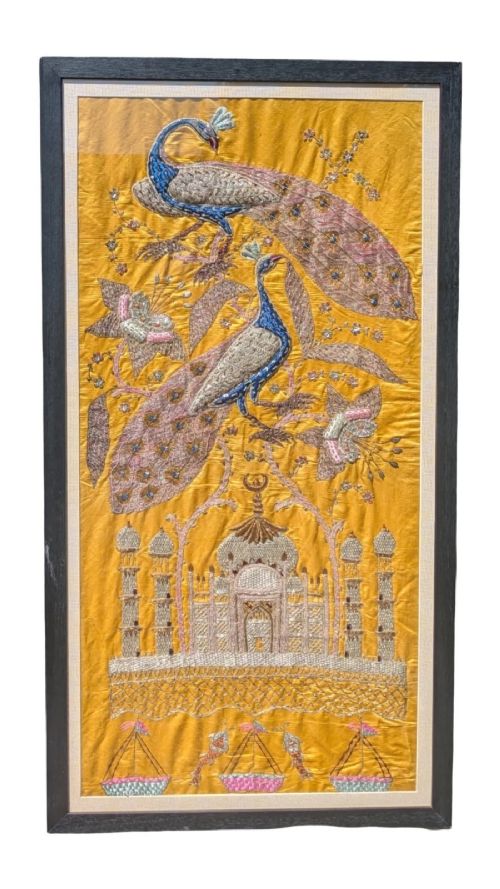
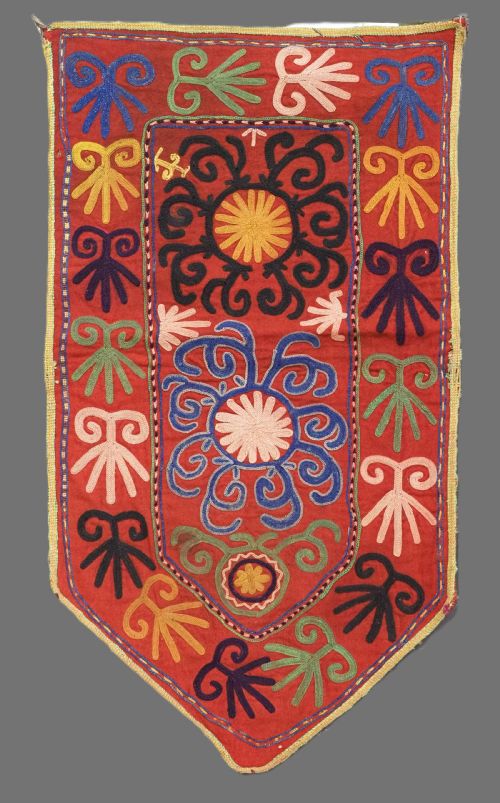
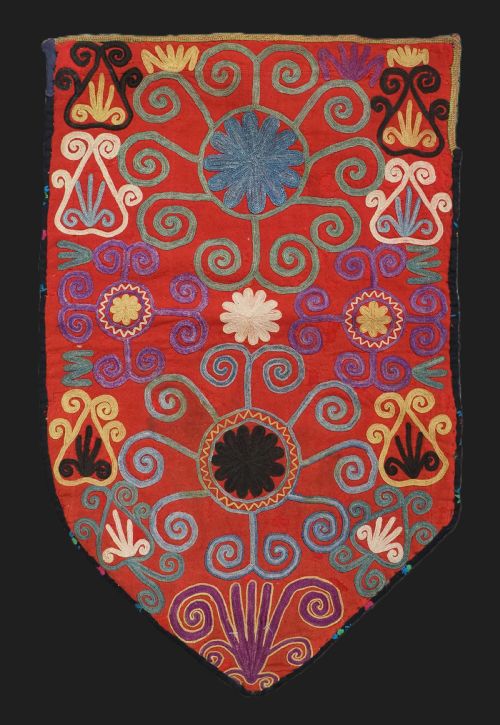
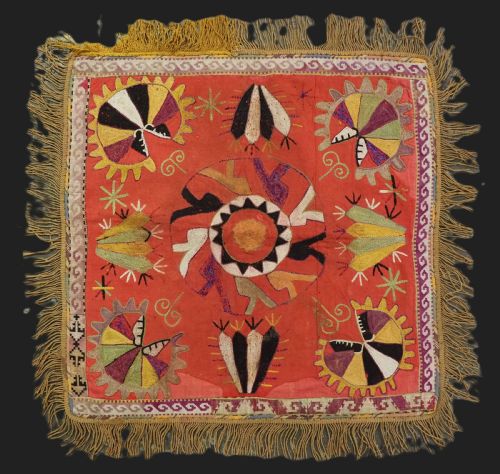
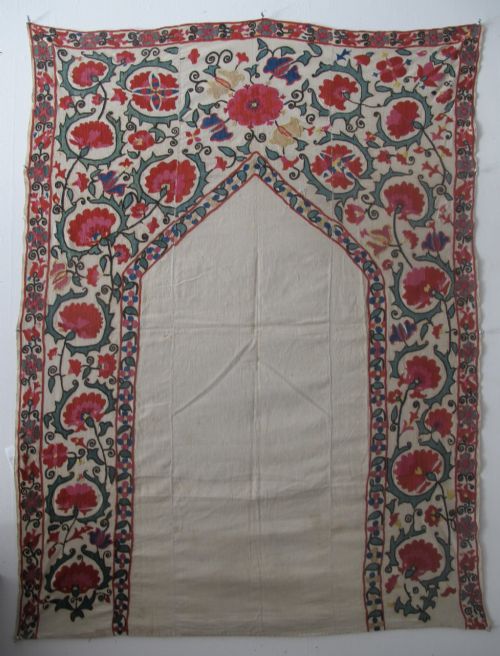
A vintage embroidered textile encompasses everything from framed Georgian needlework pictures and Edwardian tapestry panels to Central Asian tribal dowry hangings and Suzanis. Buyers seeking these pieces often find themselves drawn to the vibrant silk-on-silk stitching of nomadic tribes or the intricate crewelwork panels originating from English workshops. The variety stretches across wall hangings, framed textile art, horse covers and bed covers originating from different continents and centuries.
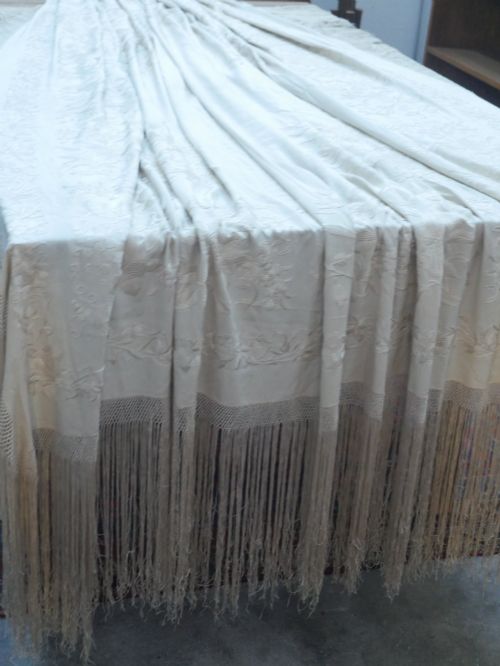
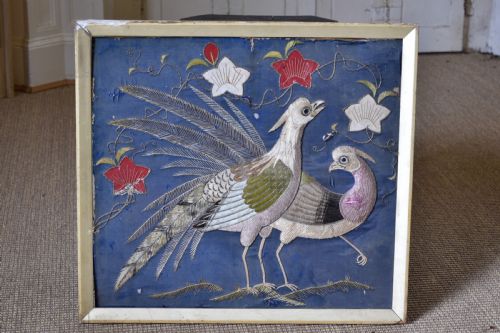
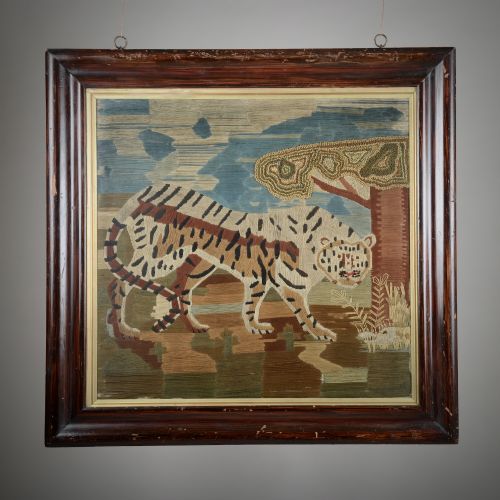
On this specific page, the most common encounters involve Central Asian tribal pieces, particularly dowry embroideries and wall hangings attributed to the Lakai tribe alongside framed European needlework and wool work. These items range from small geometric wall art to large crewelwork panels and silk piano shawls. Each form carries the distinct material choices and aesthetic preferences of its period, whether that is a 19th-century pheasant embroidery or a 17th-century band sampler.
Materials and construction
The construction of these pieces relies on a foundation of natural fibres such as silk, wool, cotton and linen, often stretched over canvas or worked on felt and wool blankets. Artisans utilised metallic threads alongside dyed silk and wool yarns to build up the dense surfaces seen in Suzanis and crewelwork panels. Glass beads also appear integrated into specific fragments, adding texture and reflective quality to the needlework.
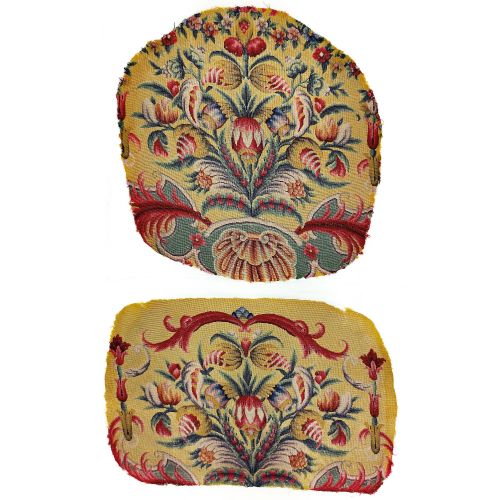
Techniques vary significantly between regions and eras, ranging from the fine silk-on-silk embroidery of Uzbek workshops to the heavy crewelwork stitching found in early English panels. Tribal pieces often combine embroidery with felt backing or incorporate double-faced construction methods for ceremonial horse covers and saddle rugs. European examples frequently employ gros-point or needlepoint stitching housed within glazed wooden frames.
Vintage Embroidered Textile Retail Price Guide 2026
Typical asking prices for vintage embroidered textile among the pieces listed under this phrase on Sellingantiques today, from the lower quarter to the upper quarter. They describe what is for sale here now, not the wider market.
Determinants of standard
Quality in these textiles rests primarily on the density of the stitch work and the complexity of the design composition. Pieces executed with exceptionally fine, tight silk threads or intricate crewelwork display a higher level of artisan skill than looser, simpler configurations.
The preservation of the original ground material and the vibrancy of the remaining threads also separate standard examples from superior ones. Intact borders, balanced symmetry in tribal motifs, and minimal loss to the delicate metallic or silk yarns elevate the overall presence of the textile.
The Vintage Embroidered Textile Glossary
- Suzani
- An embroidered tribal hanging originating from Central Asia, traditionally worked in silk or cotton on a cotton or linen ground. These large textiles often feature bold floral or architectural designs.
- Crewelwork
- A type of embroidery utilising wool yarn on a heavy linen or cotton foundation. Early English examples frequently depict scrolling floral vines and fauna.
- Gros-point
- A type of needlepoint stitch worked on canvas using wool, producing a durable and textured surface often seen in Victorian and 19th-century pictorial tapestries.
- Ilgich
- A specific form of dowry embroidery created by Central Asian tribes such as the Lakai, intended for display as a wall hanging.
- Sampler
- A piece of needlework demonstrating various stitches and patterns, traditionally created by embroiderers to practice or showcase their proficiency.
Vintage Embroidered Textile: Frequently Asked Questions
How were tribal textiles used originally?
Nomadic tribes utilised many of these embroidered pieces as functional items within daily life, including ceremonial horse covers, saddle rugs, and dowry hangings for tents. They marked significant cultural events and family milestones.
Over time, these durable items transitioned into decorative wall art and display pieces prized for their intricate tribal patterns and cultural history.
Should framed textiles remain behind glass?
Glazing protects delicate antique silk and wool yarns from atmospheric dust, pollution, and physical handling in domestic spaces. Many framed pieces arrive with existing glass protection.
However, proper spacing between the textile and the glass is essential to prevent moisture accumulation and preserve the organic fibres over the long term.
How do I identify Central Asian embroidery?
Central Asian pieces, such as Suzanis and Lakai tribal work, typically feature bold geometric or floral motifs rendered in vibrant silk threads upon cotton or wool grounds. Look for characteristic regional colour palettes and specific stitching methods like chain stitch.
These works often carry a distinct nomadic aesthetic that contrasts sharply with formal European needlework pictures and samplers.
Can large wall hangings support their own weight?
Large textile panels and crewelwork pieces require careful mounting support across their entire width to prevent distortion of the base fabric. Hanging a heavy textile directly from a few isolated points places undue stress on the ancient threads.
Professional conservation mounting using a backing sleeve or Velcro attachment system helps distribute the weight evenly along the top edge.