


Vintage Embroidered Hanging
A vintage embroidered hanging brings tactile depth to an interior, transforming plain walls with centuries of needlework tradition.
Vintage Embroidered Hanging
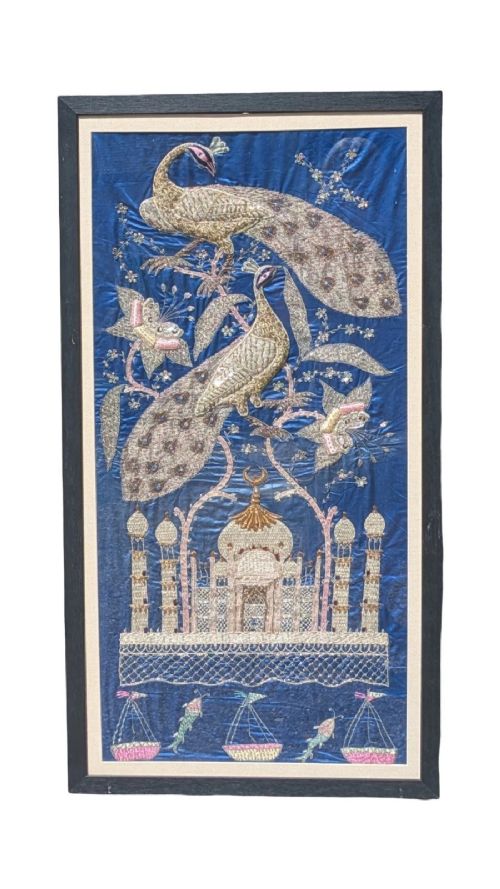
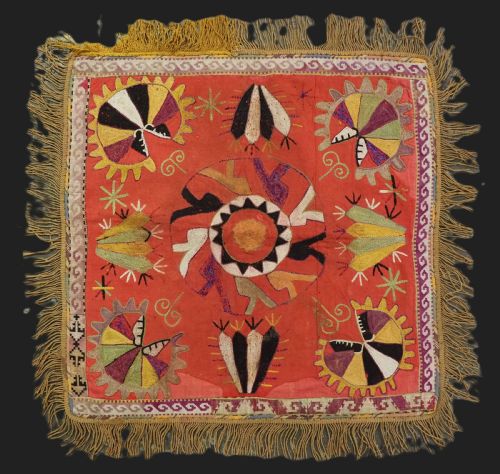
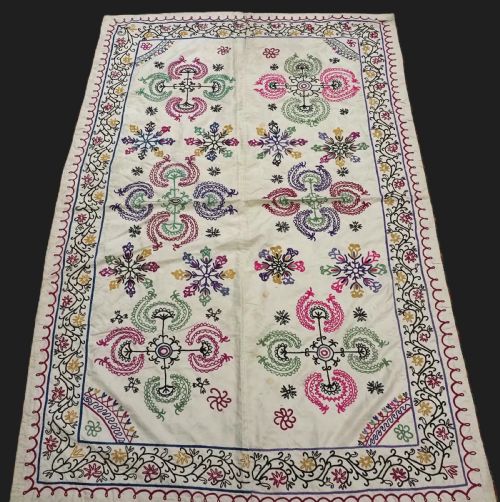
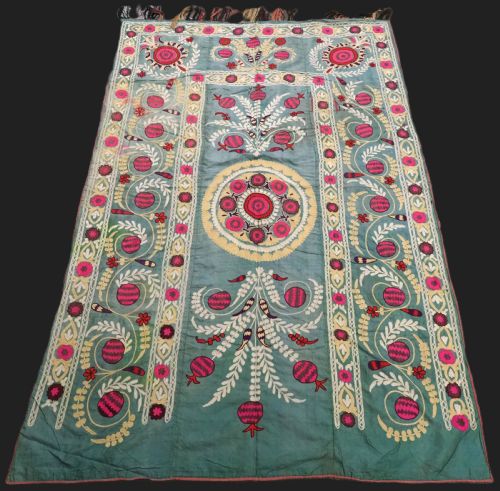
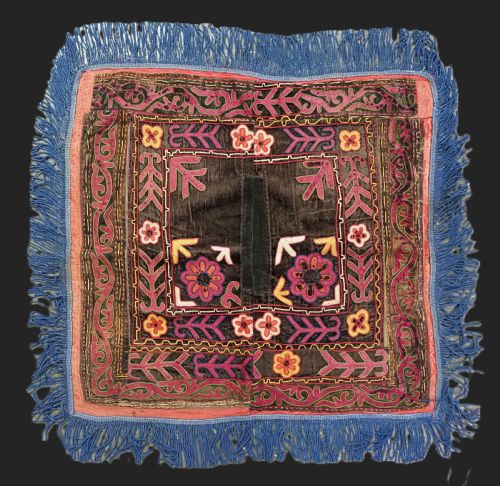
A vintage embroidered hanging encompasses diverse textiles designed for wall display, ranging from Central Asian dowry embroideries to European tapestries. Buyers encounter pieces spanning the nineteenth and twentieth centuries, reflecting distinct regional textile traditions and domestic crafts.
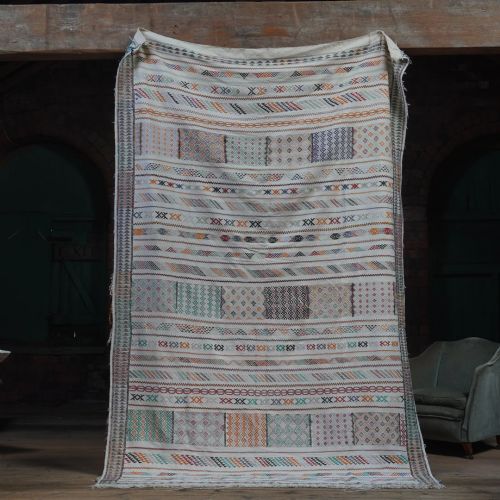
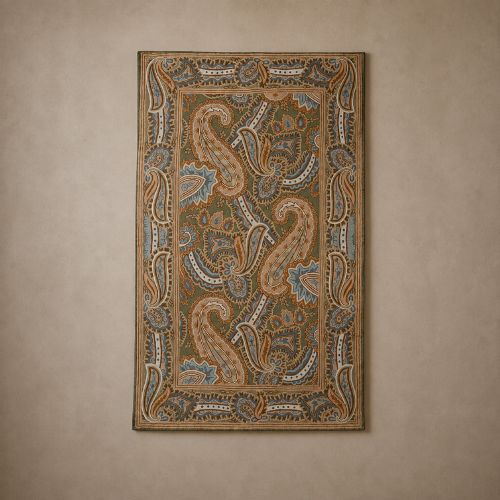
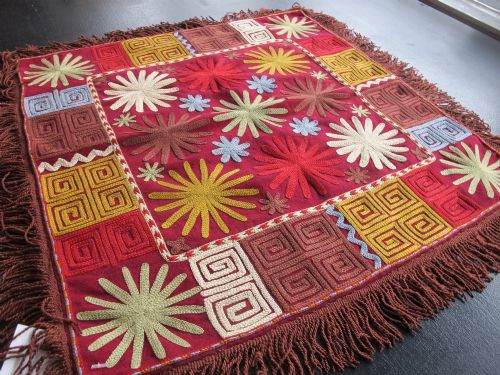
Forms vary from small square wedding hangings to expansive wall panels and architectural wall rugs. Each piece demonstrates specific regional motifs, from traditional medallions to pictorial landscapes and botanical designs.
Materials and construction methods
Needleworkers utilised natural fibres such as silk thread, cotton, wool, and linen as the primary foundations for their designs. Ground materials frequently include woven cotton, heavy felt, and dyed wool, providing stability for dense stitchery.
Stitch techniques vary by region, incorporating chain stitch, silk embroidery, and complex applique work. Artisans combined supportive wood frames and glass glazing for smaller framed pictorial panels to protect delicate textiles from atmospheric wear.
Vintage Embroidered Hanging Retail Price Guide 2026
Typical asking prices for vintage embroidered hanging among the pieces listed under this phrase on Sellingantiques today, from the lower quarter to the upper quarter. They describe what is for sale here now, not the wider market.
The listings span periods from the seventeenth century through to the mid-twentieth century, featuring materials like felt, wool, and silk thread.
Evaluating textile quality and execution
Quality rests upon the precision of the needlework and the complexity of the design layout. Finely executed pieces display consistent tension in the silk or wool threads, with intricate motifs that maintain geometric or pictorial balance across the ground fabric.
The integrity of the original ground material, whether felt, wool, or cotton, dictates the longevity and stability of the hanging. Superior examples preserve vibrant dye colours and intact borders without significant modern intervention or re-stitching.
The Vintage Embroidered Hanging Glossary
- Suzani
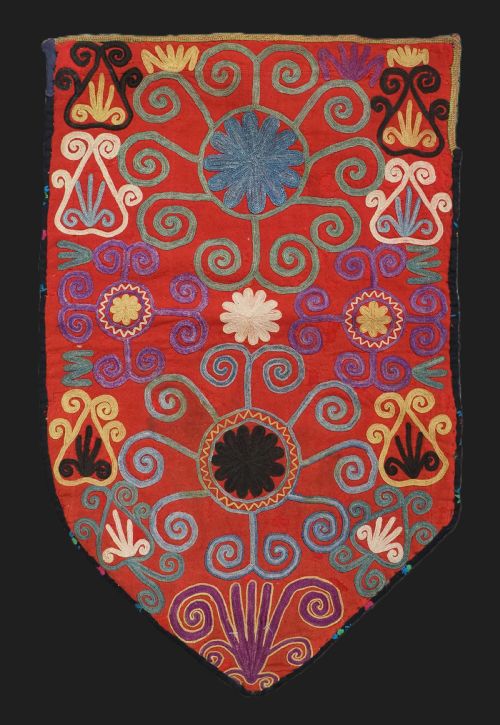
- A type of embroidered tribal textile originating from Central Asia, traditionally worked in silk on a cotton or linen ground. These large decorative panels often feature bold floral medallions and botanical motifs.
- Ilgich
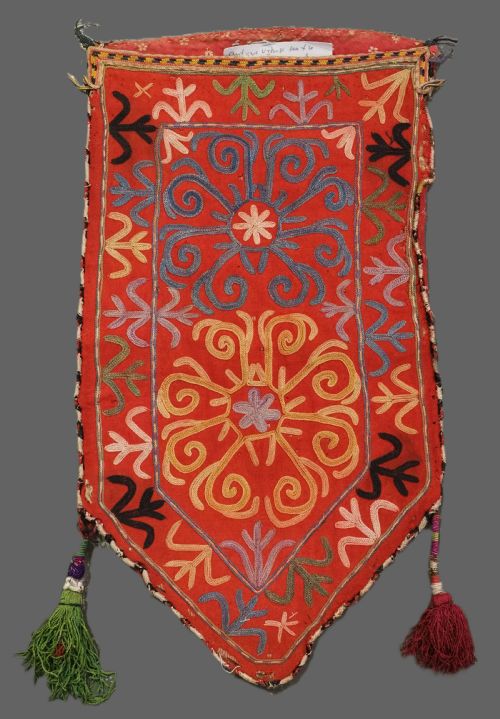
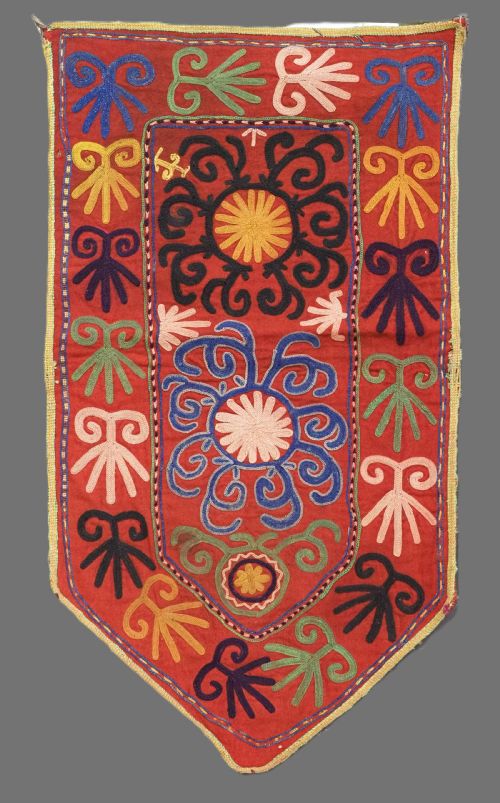
- A Central Asian hanging or dowry bag face, frequently produced by Lakai and Uzbek makers. These items served ceremonial purposes within nomadic households.
- Crewelwork
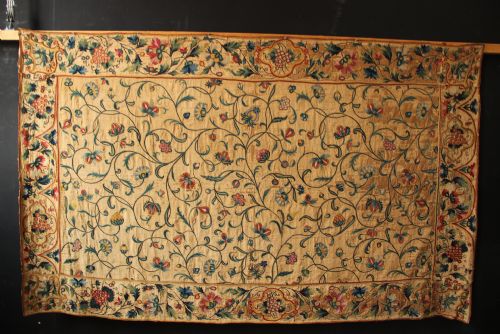
- A traditional form of embroidery utilising wool yarn on a heavy linen or cotton twill fabric. English interpretations of this technique often showcase scrolling floral and fauna patterns.
- Tapestry
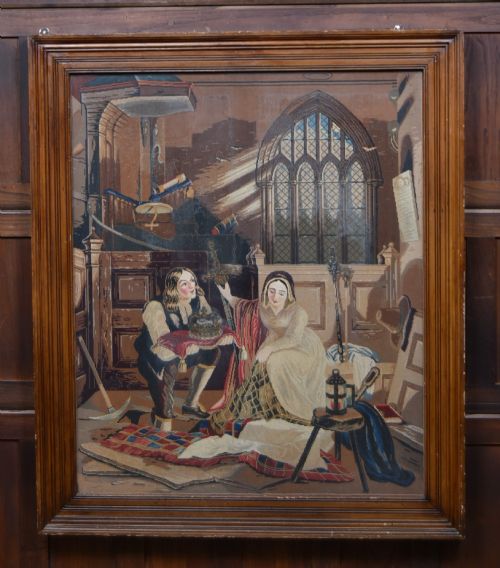
- A form of textile art woven on a loom or executed through needlepoint embroidery upon a canvas ground. Historical subjects and pastoral scenes frequently appear in these framed compositions.
- Torba
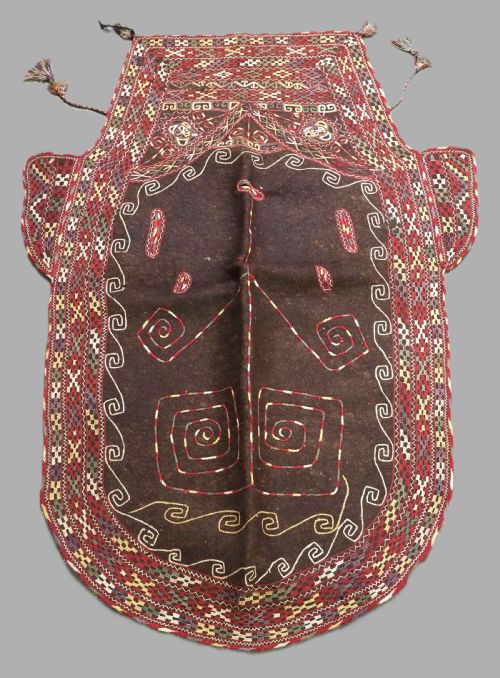
- A small ceremonial bag or trapping created by Turkmen tribes, often repurposed as a decorative wall hanging. They display characteristic tribal gul motifs and geometric borders.
Vintage Embroidered Hanging: Frequently Asked Questions
How do I hang a vintage textile safely?
Support heavy embroideries across their entire width by utilising a padded sleeve or attaching a cotton backing to distribute weight evenly. Avoid hanging textiles directly in strong sunlight to prevent fading of natural silk and wool threads.
For framed pieces, ensure conservation-grade glazing prevents direct contact between the glass and the delicate embroidery surface. Allow adequate airflow behind wall-mounted panels to control moisture accumulation.
What is the difference between a Suzani and an ilgich?
Suzanis are typically large, full-scale decorative panels or bed covers originating from urban and rural workshops in Uzbekistan. They feature sweeping floral layouts designed to adorn domestic interiors.
Ilgiches are smaller utilitarian or dowry items made by tribal groups like the Lakai, intended for specific hanging functions within a yurt or home. Their embroidery tends to feature energetic, smaller-scale geometric and abstract motifs.
How should I clean an antique embroidered hanging?
Surface dust can be gently removed using a low-suction vacuum cleaner fitted with a mesh screen to protect loose threads. Professional textile conservators should handle any deeper cleaning or washing to avoid dye bleeding or fibre distortion.
Chemical solvents and standard household detergents cause irreversible damage to aged natural silk and wool elements. Regular visual inspection remains the best preventative maintenance for antique textiles.
How can I tell the age of a textile?
Examine the reverse side of the embroidery to inspect the nature of the threads, natural dye variations, and the wear patterns on the ground fabric. Hand-spun yarns and natural indigo or madder dyes generally point towards nineteenth-century production.
Stitch irregularity and traditional regional motifs help distinguish genuine tribal or period pieces from later tourist copies or twentieth-century revivals. Historical documentation and provenance can further clarify a piece's specific era.