

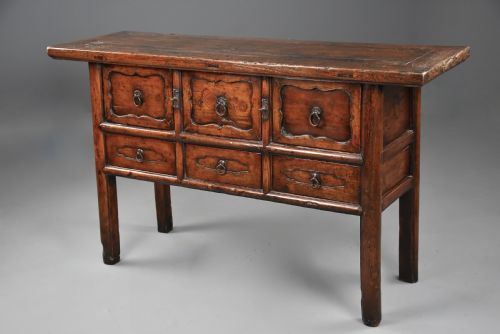
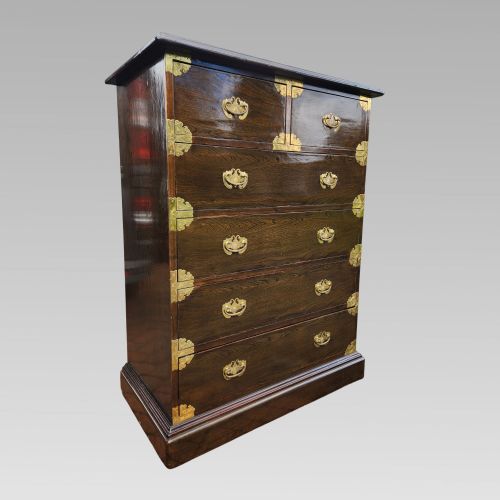


Vintage Elm Cabinet
A vintage elm cabinet offers robust domestic storage with a distinctive timber grain, bridging rustic utility and refined craftsmanship.
Vintage Elm Cabinet
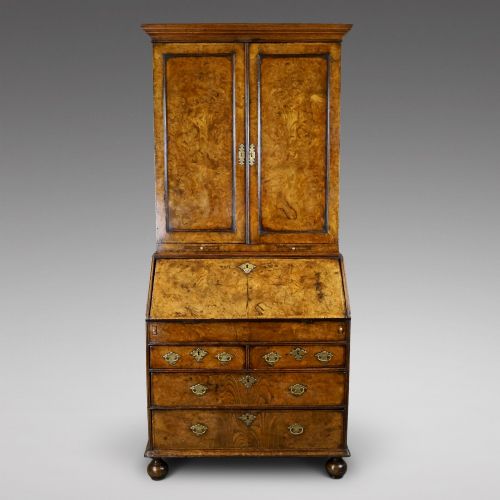
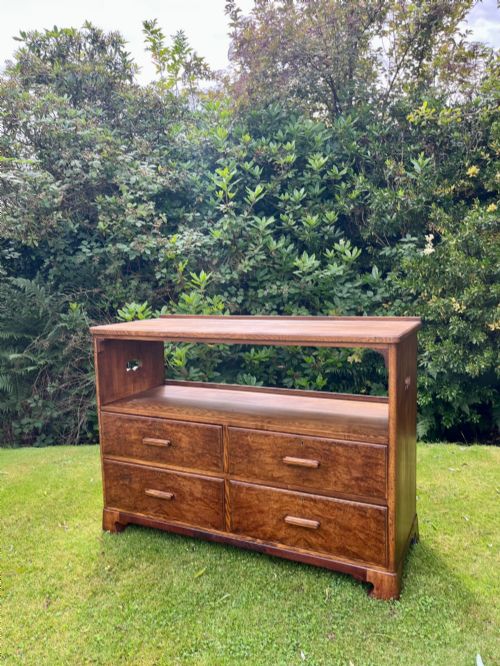
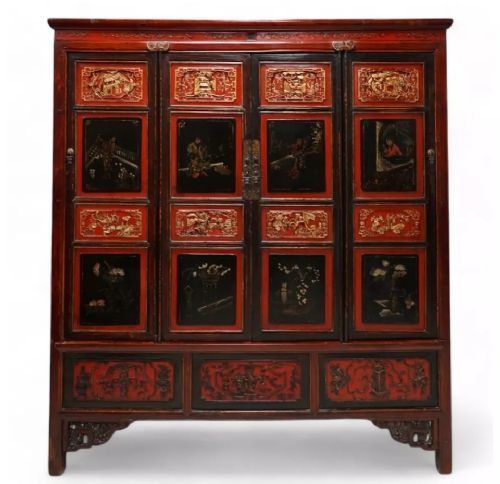
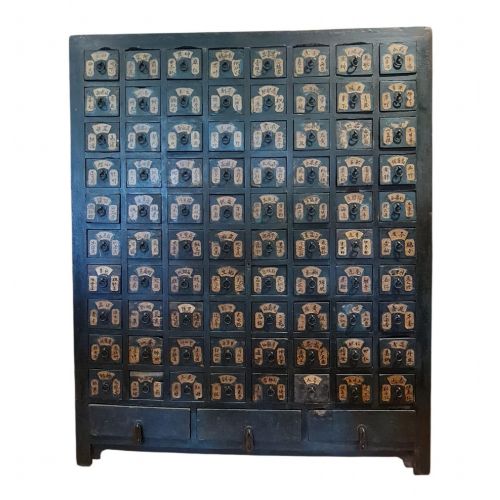
A vintage elm cabinet encompasses a broad selection of storage forms, including side cabinets, bedside units, bookcases, and specialised chests originating from various global traditions. Buyers seeking a vintage elm cabinet encounter pieces that range from English and Scandinavian vernacular designs to elaborate Chinese provincial marriage cabinets and apothecary chests.
The selection spans multiple centuries, with significant representation from the nineteenth and twentieth centuries alongside earlier seventeenth-century bureau bookcases and eighteenth-century corner cupboards. Domestic pieces share space with Eastern elm noodle cabinets, Tansu chests, and utilitarian joiner's toolboxes, reflecting diverse regional woodworking histories.
Most pieces utilise solid elm or burr elm veneers, often paired with secondary timbers like birch or walnut, and fitted with brass or iron hardware. The forms vary from clean-lined Art Deco low open bookcases and Scandinavian sideboards to deeply carved Chinese cupboards and rustic Shanxi apothecary chests.
Materials and construction methods
Makers utilised the dense, interlocking grain of elm and the highly figured patterns of burr elm, sometimes combining them with birch, walnut, or applied red lacquer finishes. This timber selection provided the structural stability needed for heavy use in items ranging from large bureaus to small table-top chests.
Hardware elements in brass and iron, such as locks, hinges, and decorative drawer pulls, were integrated into the construction of cabinets, humidors, and sideboards. Joinery techniques varied from traditional English dovetailing to regional framing methods seen in Chinese provincial and Japanese Tansu furniture.
Vintage Elm Cabinet Retail Price Guide 2026
Typical asking prices for vintage elm cabinet among the pieces listed under this phrase on Sellingantiques today, from the lower quarter to the upper quarter. They describe what is for sale here now, not the wider market.
The listings span from the seventeenth century through the Art Deco period, incorporating British, Scandinavian, and Chinese provincial forms.
Distinctions in construction and finish
The degree of refinement in the timber preparation and grain matching sets different examples apart, particularly where highly figured burr elm veneer or select solid elm boards are utilised. Cabinets exhibiting deep natural patination and careful selection of wood show superior visual depth compared to more utilitarian pieces.
The complexity of the original form and the integration of functional hardware, such as locking mechanisms on toolboxes or numerous small drawers in apothecary chests, indicate the level of ambition in the workshop. Regional variations in carving, lacquer work, and structural joinery reflect the diverse standards of British, Scandinavian, and Asian traditions.
Whytock and Reid
The Vintage Elm Cabinet Glossary
- Burr elm
- A growth distortion on an elm tree that produces highly figured, swirling wood grain patterns prized for decorative veneer work on cabinets and bureaus.
- Tansu
- A traditional Japanese mobile storage chest, often constructed from elm and fitted with substantial iron hardware.
- Apothecary chest
- A multi-drawer cabinet historically used for storing dried herbs, medicines, and botanical ingredients in traditional pharmacies.
- Bandaji
- A large traditional Korean storage chest featuring prominent brass or iron strapwork and hinges across the front panels.
- Patina
- The surface sheen and coloration developed by timber and finish through age, handling, and exposure to light over decades or centuries.
Vintage Elm Cabinet: Frequently Asked Questions
How do I date a vintage elm cabinet?
Dating relies on examining the construction methods, regional styles, and hardware associated with specific periods like the nineteenth century or the Art Deco era.
Changes in timber preparation and secondary woods also provide reliable clues to a piece's age.
What rooms suit a vintage elm cabinet?
These cabinets suit living rooms, studies, and bedrooms depending on whether the form is a bookcase, sideboard, or bedside cabinet.
The diverse finishes, from rustic Chinese lacquer to figured burr elm, allow them to anchor various interior decorating schemes.
Are elm cabinets durable for daily use?
Elm is known for its interlocking grain and toughness, making historic cabinets structurally robust for contemporary storage needs.
Proper care for the timber and maintaining stable humidity levels preserves both solid elm and veneered surfaces.
How do English and Asian elm cabinets differ?
English and European examples often feature styles like Arts and Crafts, Queen Anne, or Art Deco with emphasis on burr grain and walnut banding.
Asian pieces, including Chinese provincial sideboards and Japanese Tansu chests, display distinct regional joinery, red lacquer, and prominent iron or brass hardware.