





Vintage Earthenware Set
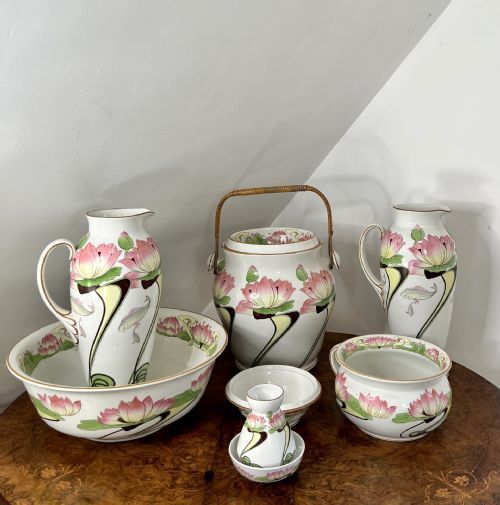
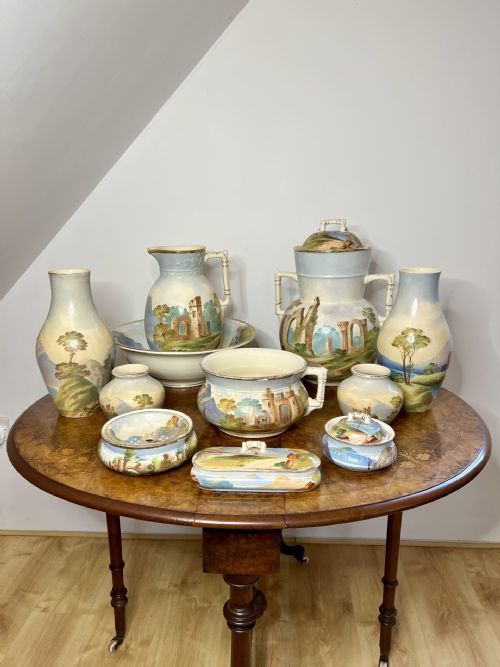
These vintage earthenware set examples span utilitarian wash sets and decorative services, offering ceramic variety from the nineteenth and twentieth centuries.
Vintage Earthenware Set
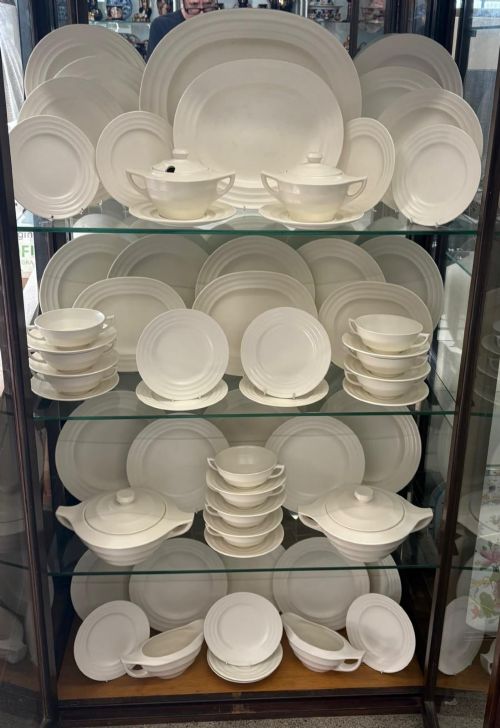
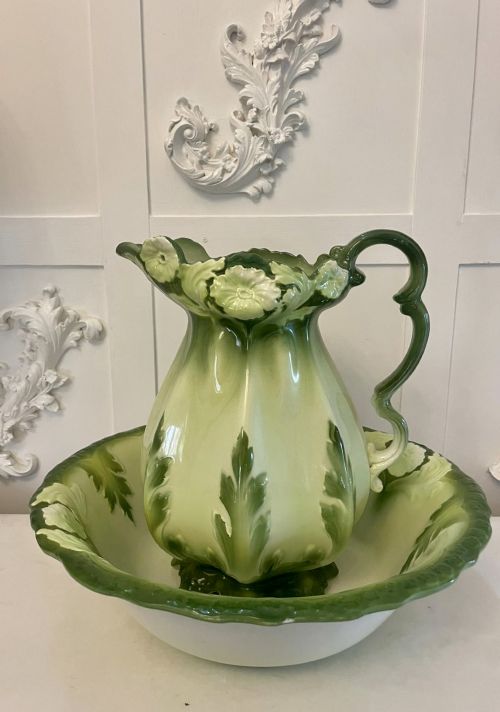
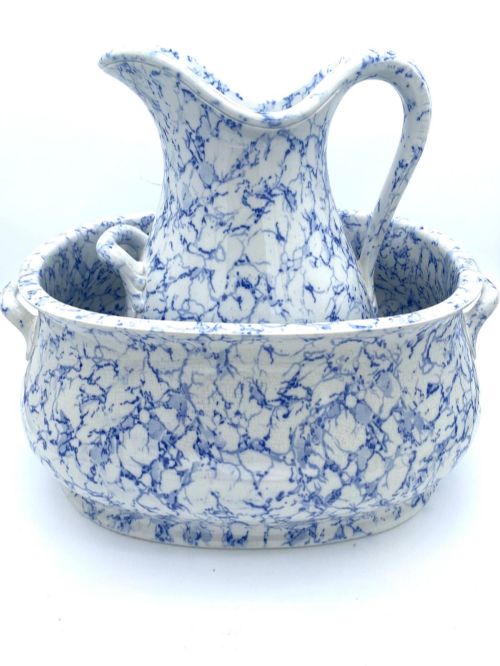
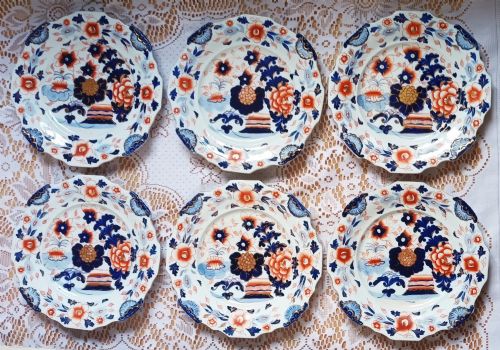
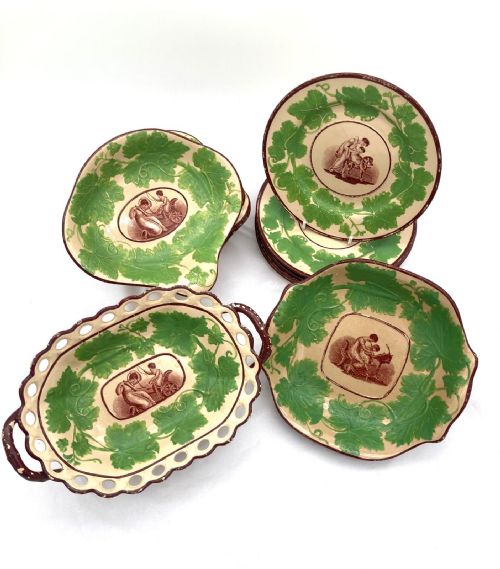
A vintage earthenware set encompasses diverse utilitarian and decorative table, tea, and bathroom groupings originating from the nineteenth and twentieth centuries. Buyers encounter groupings ranging from large dinner and dessert services to smaller coffee sets and wash jug and bowl sets.
The selections demonstrate broad historical styles including Victorian, Edwardian, and Art Deco, alongside utilitarian forms like measuring jugs and dairy bowls. Ceramic groupings frequently integrate ironstone or specialised glazes across various British and continental European workshops.
Materials and production techniques
Potters shaped these objects from earthenware, terracotta, and ironstone, applying specialised glazes, enamel, and occasional gold leaf accents to the ceramic bodies. Production methods rely on traditional firing and glazing techniques standard to nineteenth and twentieth-century potteries.
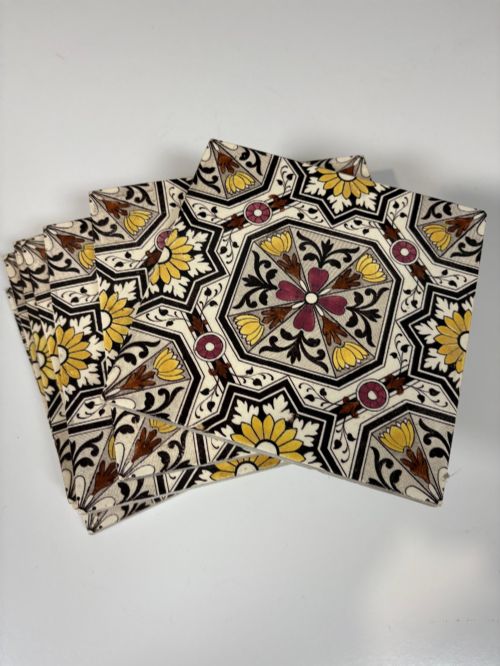
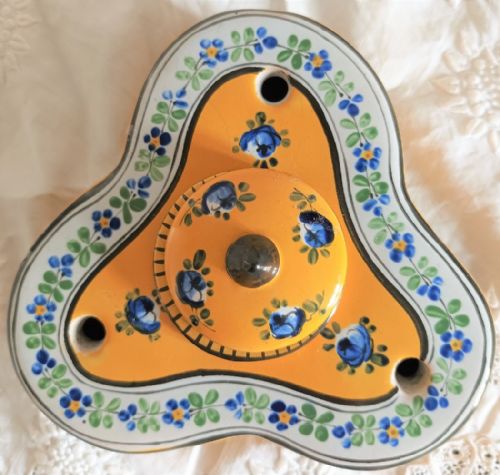
Makers utilised hand-painted designs, transfer printing, and flow blue methods to pattern surfaces on pieces such as plates, jugs, and tiles.
Vintage Earthenware Set Retail Price Guide 2026
Typical asking prices for vintage earthenware set among the pieces listed under this phrase on Sellingantiques today, from the lower quarter to the upper quarter. They describe what is for sale here now, not the wider market.
Listings feature earthenware services spanning the eighteenth to the twentieth centuries, utilising materials like terracotta, ironstone, and glazed ceramic.
Factors determining quality
Quality differences emerge through the precision of hand-painted or transfer-printed decoration and the clarity of the ceramic glaze. Complete services with intact patterns display greater uniformity across individual component pieces than mismatched groupings.
The sophistication of form and period styling, such as defined Art Deco or intricate Edwardian patterns, distinguishes standard utility wares from finer studio and factory output.
Wedgwood·Keith Murray·Minton·Booths·Clarice Cliff·Davenport·Mark Jones And Sons·Elkin And Newbon·Poole Pottery·Copeland Spode
The Vintage Earthenware Set Glossary
- Earthenware
- Porous pottery fired at lower temperatures, requiring a vitreous glaze to hold liquids. It forms the primary body material for many historical table and wash services.
- Ironstone
- A heavy, durable type of feldspathic earthenware patented in the nineteenth century. It mimics porcelain strength while remaining accessible for commercial dinner services.
- Flow blue
- A nineteenth-century transfer printing technique where lime or ammonia chloride vaporised inside the kiln, causing the cobalt blue colour to bleed into the surrounding white glaze.
- Drabware
- A dry-bodied stoneware or earthenware featuring muted brownish-grey or olive tones. It gained popularity during the Georgian and Victorian periods for functional and dessert wares.
- Faience
- Tin-glazed earthenware originating in Europe, typically decorated with colourful enamel motifs over an opaque white background.
Vintage Earthenware Set: Frequently Asked Questions
What pieces comprise a wash set?
A traditional wash set typically includes a large basin and a matching water jug, alongside accessory items like soap dishes or chamber pots. These components functioned together for personal hygiene in bedrooms before modern plumbing.
Displaying these sets today involves placing the jug and bowl on sturdy surfaces or incorporating individual jugs into decorative displays around the home.
How do I care for antique earthenware?
Antique earthenware requires gentle hand washing with mild soap and warm water to protect aged glazes and enamels. Avoid soaking pieces for extended periods, as moisture can penetrate porous ceramic bodies through micro-cracks in the glaze.
Store complete services securely by padding stacked plates and avoiding direct exposure to harsh sunlight or sudden temperature shifts.
What distinguishes ironstone from standard earthenware?
Ironstone contains specific mineral additives and is fired at higher temperatures than standard earthenware, resulting in a denser and more resilient ceramic body. This composition allowed makers to produce robust dinner services that resisted chipping during daily use.
Visually, ironstone often presents a heavier weight and a whiter, more opaque glaze finish compared to softer historical pottery types.
How can I date an earthenware service?
Dating relies on maker marks, registration stamps, stylistic indicators like Art Deco geometric lines or Victorian floral motifs, and manufacturing techniques. Examining the foot ring and glaze pooling can also provide clues about the period of production.
Cross-referencing specific pattern names with known operating dates of potteries helps narrow down the precise decade of manufacture.