







Vintage Dutch Chandelier
A vintage dutch chandelier brings warmth and heavy metal presence to a room, spanning styles from baroque revival to the geometric lines of the amsterdam school.
Vintage Dutch Chandelier
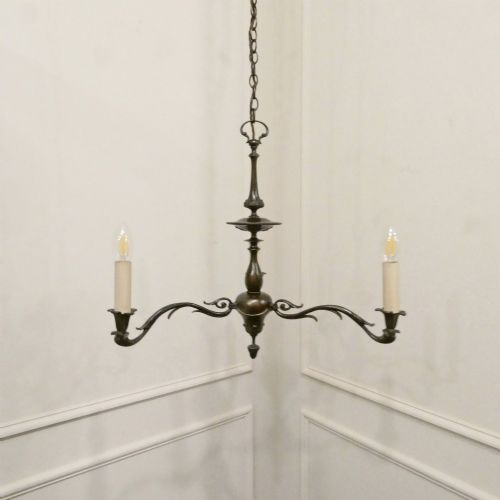
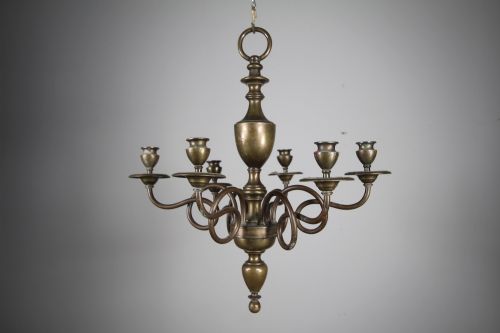
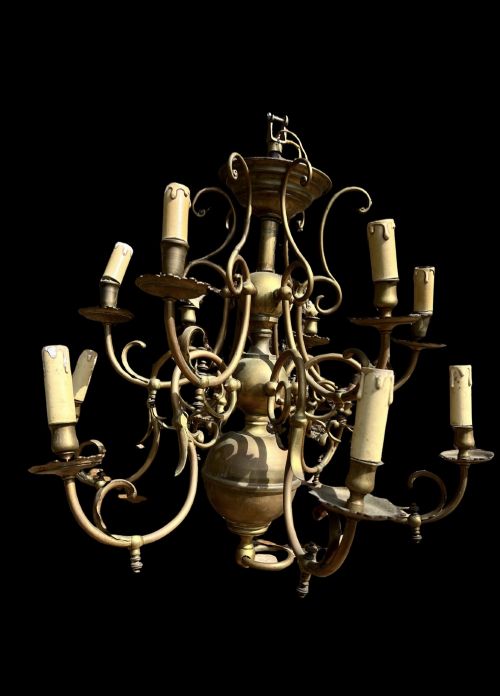
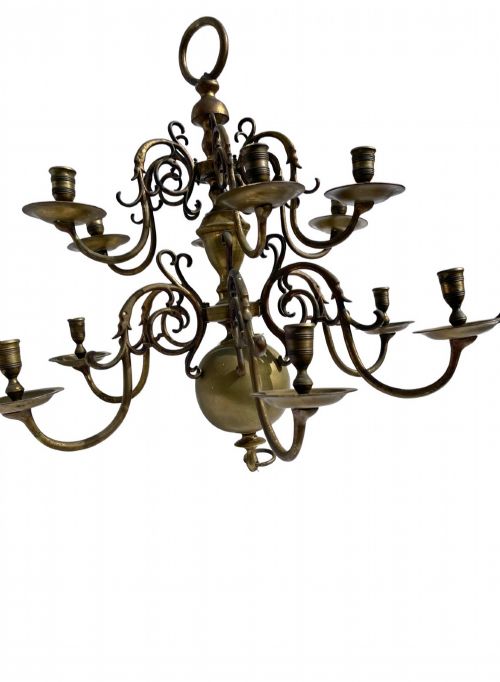
A vintage dutch chandelier draws on centuries of regional lighting traditions, offering multi-branched forms that command a high ceiling. When searching for a vintage dutch chandelier, buyers encounter heavy brass and bronze constructions spanning the nineteenth century through the interwar decades.
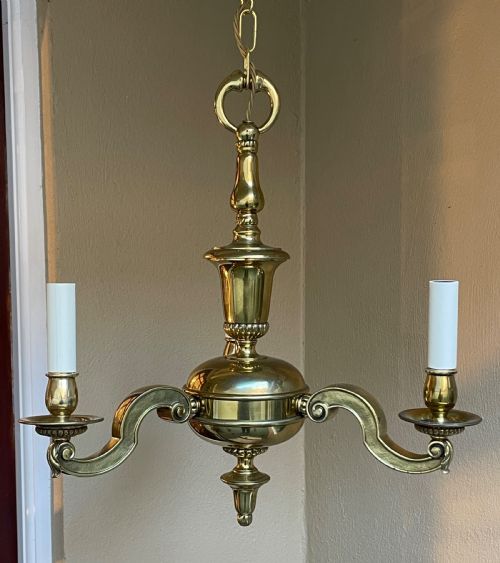
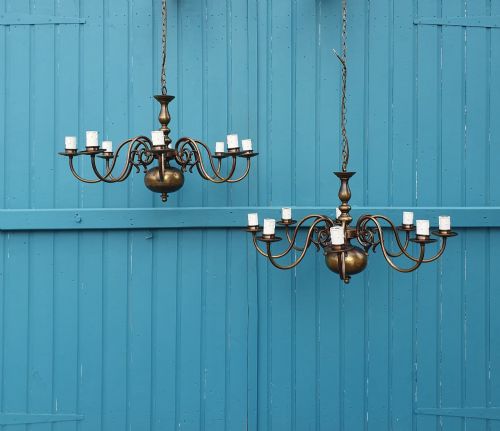
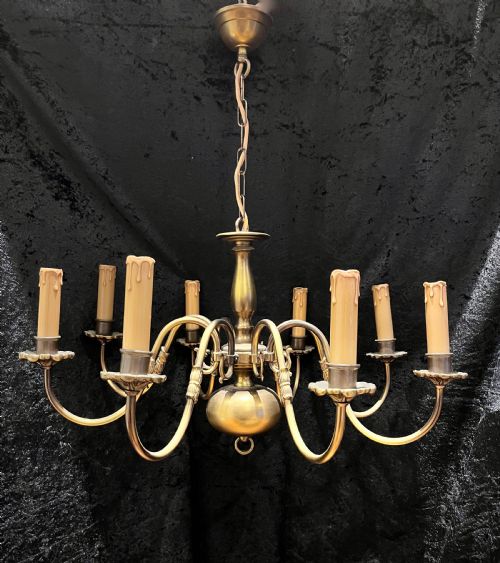
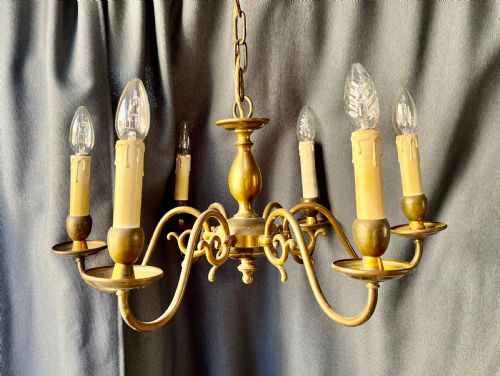
The most common examples on this page date from the early twentieth century, particularly the nineteen-twenties, alongside EDWARDIN adaptations of earlier baroque and flemish motifs. These ceiling lights and pendants range from compact three-branch fixtures to large eight-arm fixtures designed for principal reception rooms.
Makers drew on historicist revivals, resulting in heavy cast and spun metal components that reference seventeenth-century models. Alongside classical brass and bronze, variations appear in copper, silver plate, and occasional fabric elements.
Materials and construction
Construction relies heavily on solid brass, cast brass, and bronze, often combined with copper to create varied tonal depth across the arms and central stem. Metalworkers utilised casting techniques for scrolling branches and decorative capitals, supplemented by spun components for ceiling plates and drip pans.
Many of these fixtures began life as gasolieres or oil-burning fittings before undergoing later conversion to electricity during the twentieth century. Surface finishes vary from bright polished metal to patinated surfaces achieved through natural oxidation over decades.
Vintage Dutch Chandelier Retail Price Guide 2026
Typical asking prices for vintage dutch chandelier among the pieces listed under this phrase on Sellingantiques today, from the lower quarter to the upper quarter. They describe what is for sale here now, not the wider market.
Branch counts range from compact three-branch fixtures up to large eight-arm pendants designed for high ceilings.
Distinguishing quality
Quality rests in the weight of the metal casting and the crispness of detail in the scrollwork, arms, and central bosses. Finer examples display balanced proportions across multiple tiers and arms, whereas simpler pieces rely on standard commercial stampings.
The integrity of the original joints, the thickness of the brass gauge, and the subtlety of the period patina separate standard production from superior workshop output.
The Vintage Dutch Chandelier Glossary
- Gasoliere
- A gas-burning chandelier designed before widespread electrification. Many surviving examples were later adapted to take electric lamp holders.
- Dutch Baroque Revival
- A nineteenth-century historicist style reviving the ornate scrollwork and heavy proportions of seventeenth-century Dutch decorative arts.
- Amsterdam School
- An early twentieth-century architectural and design movement favouring expressionist brickwork, exotic materials, and geometric metal forms.
- Flemish Renaissance
- A style characterised by robust proportions, scrolling arms, and figurative or architectural brass casting.
- Scroll Arm
- A curved, S-shaped metal branch that projects outward from the central stem to support a drip pan and light source.
Vintage Dutch Chandelier: Frequently Asked Questions
How do I wire an old brass chandelier?
Most antique brass fixtures require rewiring with modern cable to meet current safety standards before installation. A qualified electrician can thread new heat-resistant wire through the hollow central stems and arms without damaging the historical metalwork.
Earth connections must be established properly, particularly on heavy metal frames. Professional installation ensures the ceiling fixings can safely bear the considerable weight of solid brass and bronze components.
What is the difference between dutch and flemish styles?
Dutch designs tend to feature restrained scrolling and functional brass turning derived from maritime and domestic interiors. Flemish styles often incorporate heavier cast ornamentation and more exuberant baroque flourishes.
In practice, nineteenth and twentieth-century revival pieces frequently combined elements from both regional traditions. Dealers often use the terms interchangeably to describe multi-branched brass chandeliers from the era.
How do I know if a chandelier is Edwardian?
Edwardian lighting from the early nineteen-hundreds often bridges Victorian heaviness and lighter twentieth-century proportions. Look for cast brass components that mimic seventeenth-century models while showing manufacturing marks consistent with machine-assisted production.
Documentation, proportion, and the specific style of the ceiling canopy help narrow down the decade of manufacture. Comparing the arm structure against dated examples in the listings provides further confirmation.