






Vintage Drying Rack
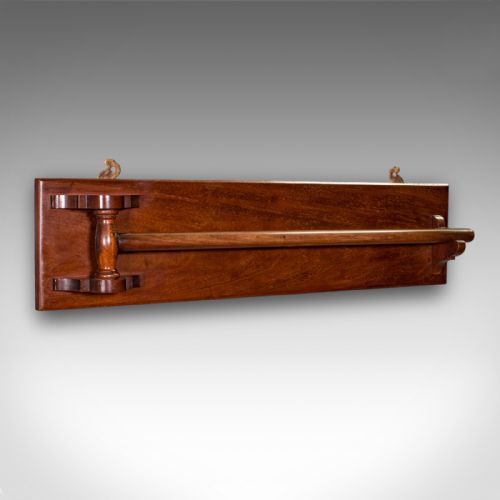
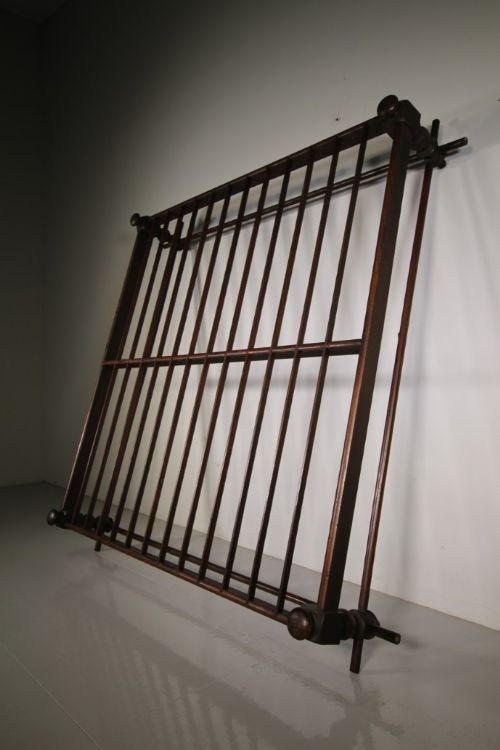
These vintage drying rack examples are practical timber frames designed for airing laundry, towels and garments.
Vintage Drying Rack
A vintage drying rack takes many forms across the nineteenth century and the Edwardian period, functioning primarily as towel rails, clothes airers, and laundry stands. Buyers searching for a vintage drying rack encounter items fashioned as floor-standing towel rail stands, wall-mounted clothes airers, and large hanging kitchen racks.
The selections available include French cleft hazel prune drying racks, nineteenth-century Chinese lacquered robe stands, and oak-framed apple racks alongside traditional mahogany and pine towel rails. These pieces originate from diverse contexts, spanning English maritime settings, country houses, and rural French workshops.
Floor-standing models frequently utilise folding designs, such as three-fold or cheval configurations, which allow them to pack flat when not in use. Meanwhile, wall-mounted airers and ceiling-hung kitchen or apple racks maximise vertical space for practical storage.
What varies in quality
The distinction between standard utility items and finer pieces lies in the choice of cabinet timbers and decorative execution. Mahogany and figured oak examples with satinwood inlay occupy the higher end of the range, contrasting with simpler pine or utility workshop items.
Scale and complexity also define the grade of a piece, from large, impressive Chinese lacquered robe stands and extensive country house towel rails down to compact wall-mounted airers. The precision of the folding hinges and the integrity of the original frame structure determine the enduring utility of each item.
Vintage Drying Rack Retail Price Guide 2026
Typical asking prices for vintage drying rack among the pieces listed under this phrase on Sellingantiques today, from the lower quarter to the upper quarter. They describe what is for sale here now, not the wider market.
Listings feature timber frames predominantly in mahogany and oak, alongside pine, hazel, and lacquered wood.
The Vintage Drying Rack Glossary
- Cheval rail
- A floor-standing towel rail or clothes horse mounted on a supportive frame that permits pivoting or freestanding stability. This format allows the rails to be rotated or adjusted easily.
- Cleft hazel
- Hazel wood split along the natural grain rather than sawn, offering exceptional resilience and flexibility. This traditional material suits rural agricultural drying frames.
- Apple rack
- A slatted wooden framework designed to hold fruit in single layers for winter storage. These agricultural racks utilise open wooden frames to promote air circulation.
- Satinwood inlay
- Decorative contrasting wood veneer set flush into the primary timber surface to create linear or geometric patterns. It elevates domestic items into more refined decorative furniture.
- Clothes horse
- An indoor folding frame used for hanging wet or freshly laundered garments to dry. They typically feature multiple hinged sections that fold for compact storage.
Vintage Drying Rack: Frequently Asked Questions
How were vintage drying racks used?
These frames served domestic and agricultural roles, from airing freshly washed laundry and towels by the hearth to drying garden produce like apples and prunes.
Larger variants hung from kitchen ceilings to keep items warm in the rising air, while folding floor stands moved easily around the home.
Where should I place a vintage drying rack?
Floor-standing towel rails and three-fold stands fit naturally into bathrooms or utility rooms to hold linens and towels.
Wall-mounted airers and hanging racks suit kitchens and boot rooms, providing practical high-level storage without consuming floor space.
How do I identify an Edwardian drying rack?
Edwardian pieces often showcase lighter polished mahogany frames with clean lines and simple turned uprights reflecting the domestic style of the early twentieth century.
They frequently take the form of freestanding towel rails or wall-mounted airers designed for urban and suburban homes.
Are these racks suitable for everyday use?
Most timber frames retain their structural strength and function well for hanging garments, towels, or blankets in modern interiors.
Care should be taken not to overload antique folding hinges or expose delicate lacquered surfaces to excessive moisture.