





Vintage Drinking Set
A vintage drinking set brings together period glass and fitted stands, offering both functional service and historic character for modern entertaining.
Vintage Drinking Set
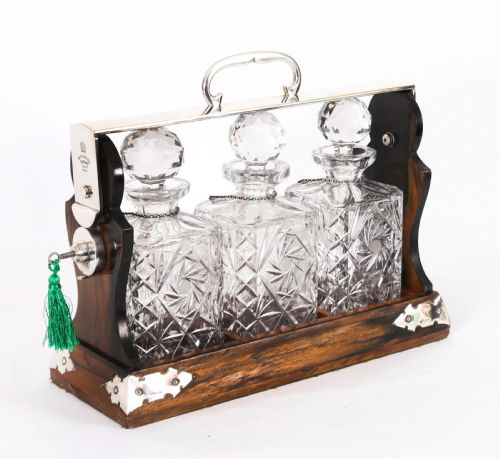
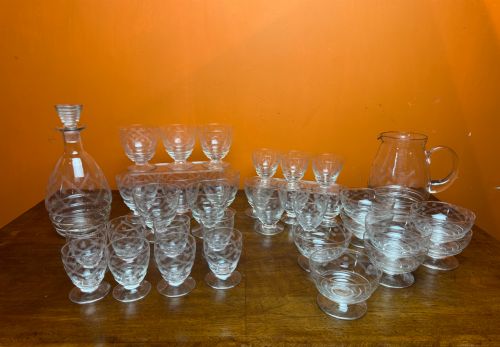
A vintage drinking set comprises matched or harlequin collections of glassware, decanters, and fitted barware assembled for serving alcohol. These groupings span from heavy Georgian rummers and Victorian cranberry glass to streamlined Art Deco cocktail suites and oak-housed tantalus cabinets.
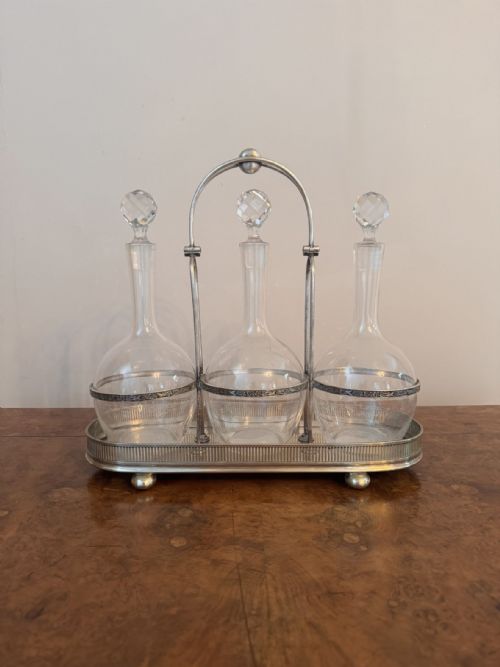
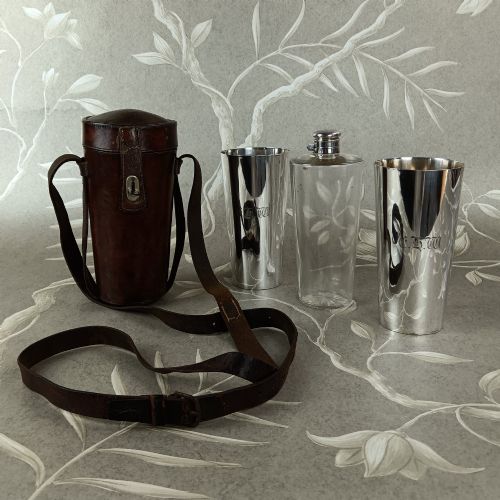
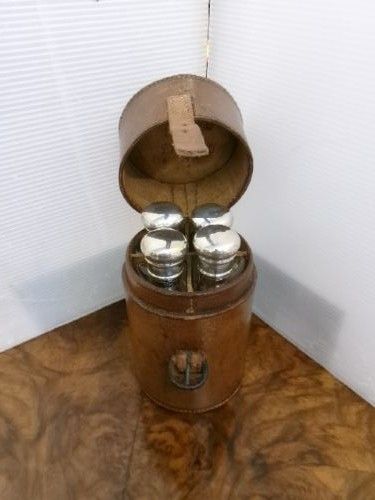
The most frequent examples on this page are Victorian wine glass services, Edwardian decanter sets in silver-plated stands, and 1930s cocktail or liqueur groupings. Buyers encounter everything from compact campaign spirit cases to extensive suites of intaglio-engraved crystal service pitchers.
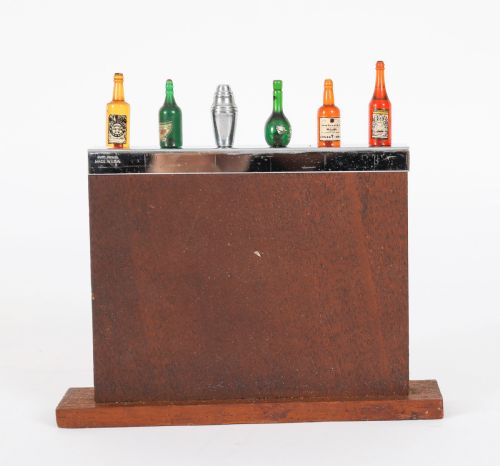
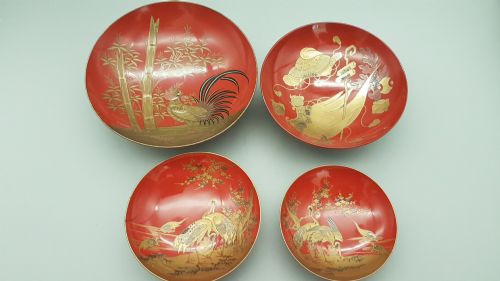
Beyond standard glassware, the category accommodates Japanese Meiji lacquer sake cups, novelty cocktail stick sets, and locking liquor caves mounted in satinwood or blonde oak. Each configuration reflects the specific social rituals of its decade, balancing display appeal with utility.
Materials and construction methods
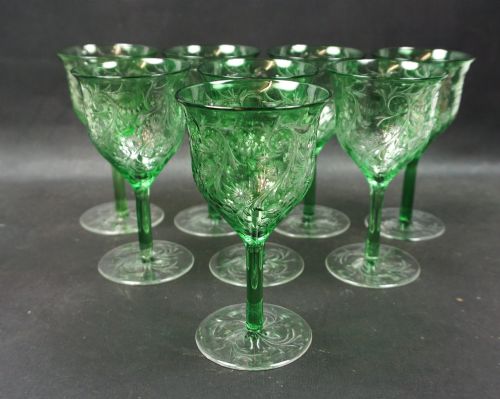
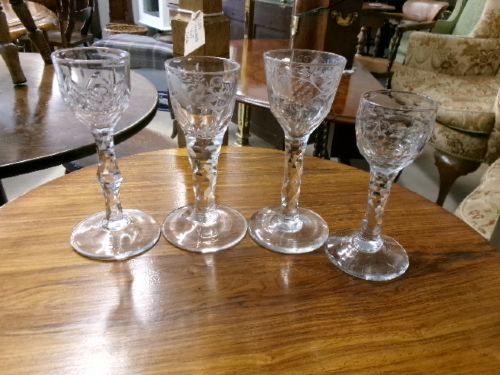
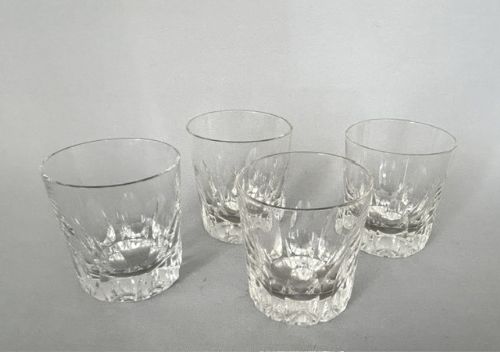
Glass production relies on lead crystal, hand-blown cranberry glass, and pressed clear glass shaped with faceted stems, baluster profiles, or wheel-engraved decoration. Artisans applied intaglio cutting and acid etching to create surface pattern on decanters and tumblers alike.
Cabinetwork and mounts incorporate solid oak, satinwood, coromandel, and leather, fitted with cast brass locks, silver plate, or sterling silver hardware. Metal components involve silver plating over base metals alongside solid silver hallmarks on cocktail accessories and flask caps.
Vintage Drinking Set Retail Price Guide 2026
Typical asking prices for vintage drinking set among the pieces listed under this phrase on Sellingantiques today, from the lower quarter to the upper quarter. They describe what is for sale here now, not the wider market.
Listings span the Georgian, Victorian, and Edwardian eras into the Art Deco period, utilising lead crystal, oak, silver plate, and coloured glass.
Assessing quality in drinking sets
Quality rests upon the weight and clarity of the glass, visible in the resonance of lead crystal and the crispness of hand-cut facets or wheel engravings. Consistent colour saturation across a suite of wine glasses indicates superior glasshouse mixing.
Cabinetry and metal mounts separate standard items from finer works through dense timber grains, precise marquetry stringing, and heavy brass or silver-plated framing. Original locking mechanisms with functional keys and matching crystal stoppers elevate the integrity of tantalus sets.
James Dixon And Sons·Sudre·Webb Corbett·Elkington·Jacques Adnet
The Vintage Drinking Set Glossary
- Tantalus
- A locking wooden cabinet holding decanters that displays the contents while preventing unauthorised access without a key.
- Rummer
- A heavy, short-stemmed drinking glass popular in the eighteenth and nineteenth centuries, typically featuring a capacious bowl.
- Harlequin set
- A collection of individual glasses that match in general form and period but vary slightly in hue, etching, or manufacture.
- Intaglio
- A technique where designs are carved into the glass surface so that the pattern sits below the outer plane.
- Cave a liqueur
- A French fitted box, often lined with velvet or silk, containing liqueur decanters and matching small glasses.
Vintage Drinking Set: Frequently Asked Questions
What is a tantalus?
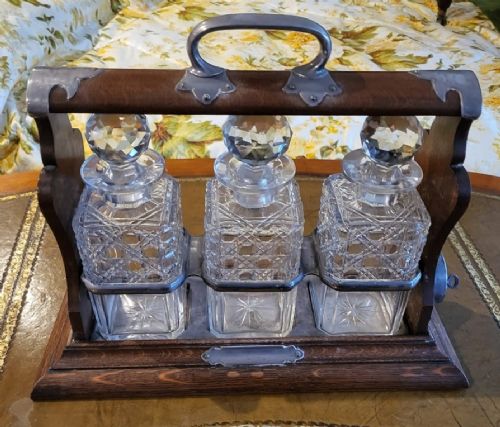
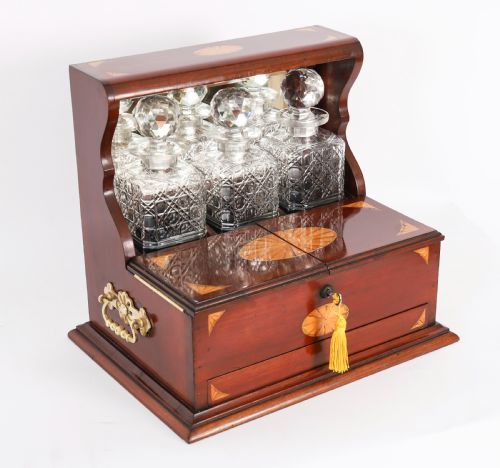
A tantalus is a locking beverage cabinet that holds glass decanters securely within a frame of oak or other woods. The mechanism prevents guests from pouring drinks without a key while keeping the bottles visible.
First patented during the Victorian era, these units often incorporate games compendiums or storage drawers beneath the bottle platform. They served as secure bars in nineteenth-century drawing rooms and studies.
What is a harlequin set?
A harlequin set is a collection of drinking vessels that share a common period, material, or silhouette but differ in small details such as etched motifs or exact shades of colour.
These groupings formed over time as owners replaced broken pieces or as dealers assembled mismatched survivors into usable groups of six or eight glasses.
How are Georgian and Victorian glasses different?
Georgian drinking glasses often feature thick baluster stems, wider foot bases, and hand-cut facets designed to catch candlelight. They tend to have heavy, sturdy proportions suited to robust toasts.
Victorian glassmaking introduced vibrant colours like cranberry and Bristol green alongside lighter stemware forms and extensive surface etching, reflecting industrial production advances and changing dining fashions.