





Vintage Dressing Bench
A vintage dressing bench offers a compact seat for the bedroom, combining period woodwork with practical utility.
Vintage Dressing Bench
A vintage dressing bench serves as a low seat for a vanity or dressing table, encompassing various forms such as piano stools, salon stools, and footstools. When searching for this phrase, buyers encounter pieces spanning the nineteenth century through the Art Deco period of nineteen thirty.
The materials span mahogany, walnut, oak, and rosewood, paired with upholstery in fabric, leather, velvet, and textile. Styles range from Victorian and Edwardian to Art Deco, alongside revival designs in the Queen Anne, Chippendale, and Louis XVI styles.
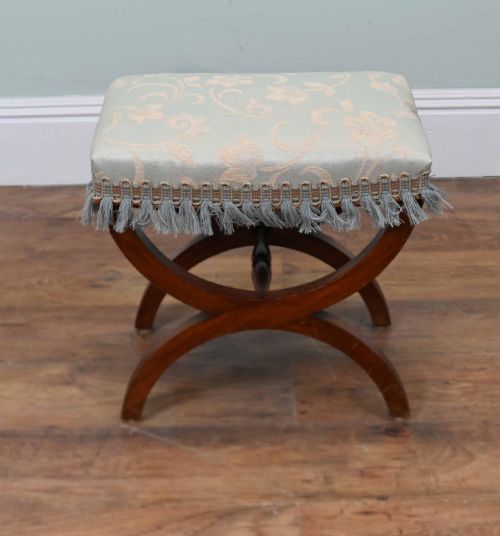
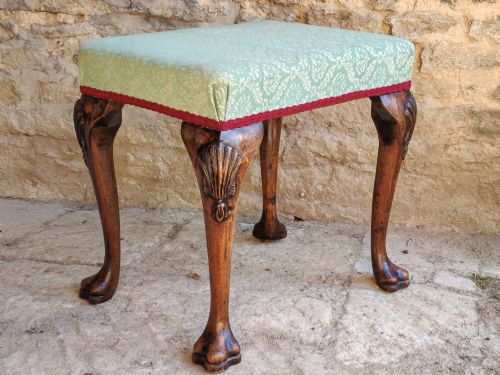
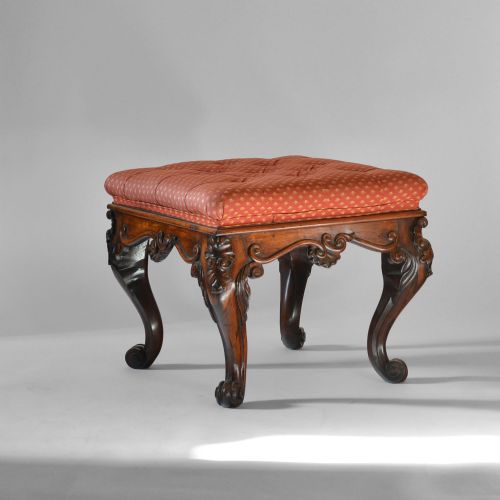
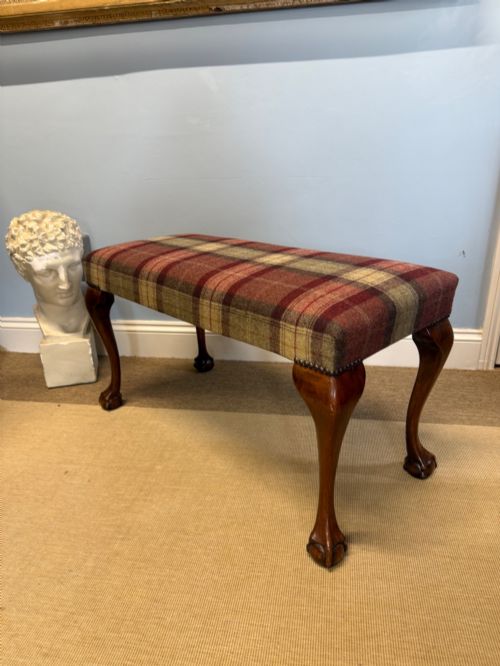
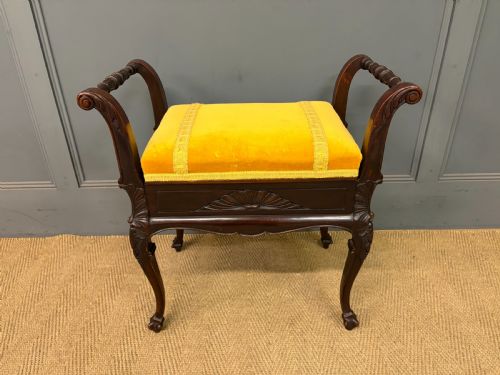
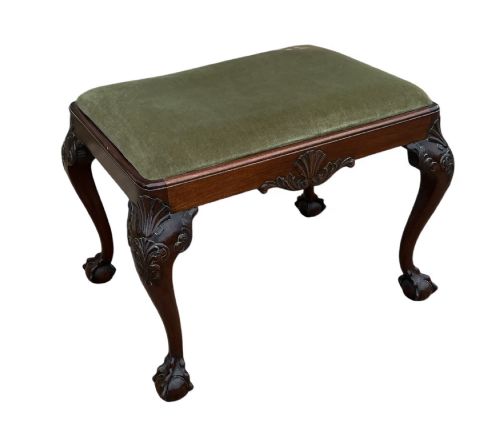
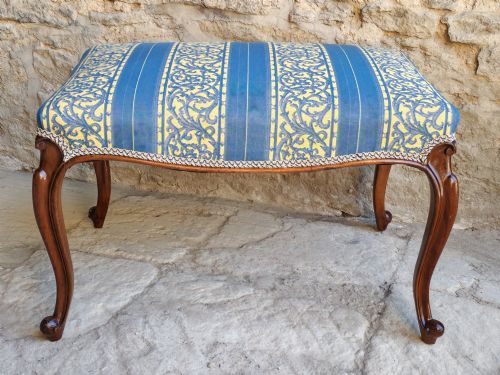
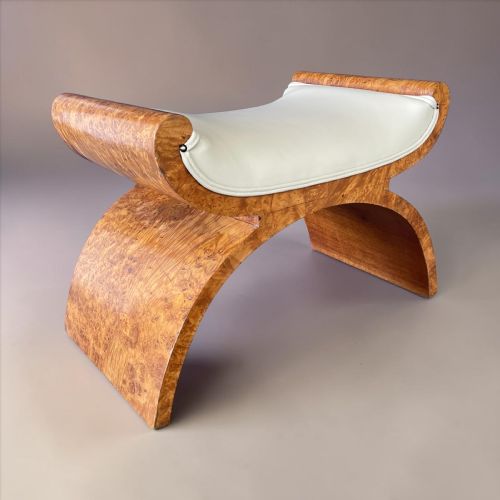
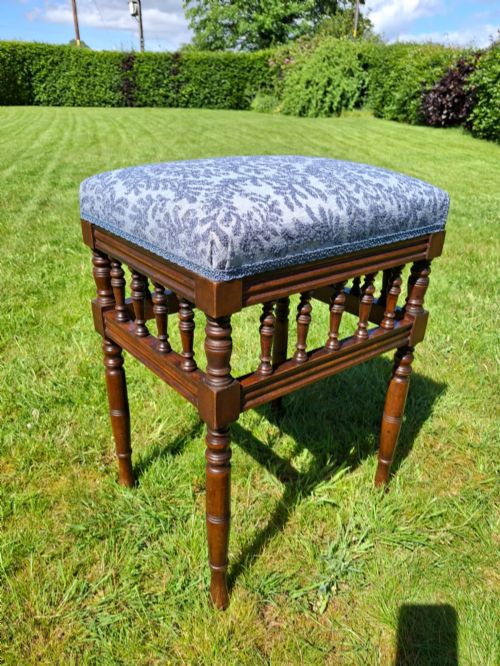
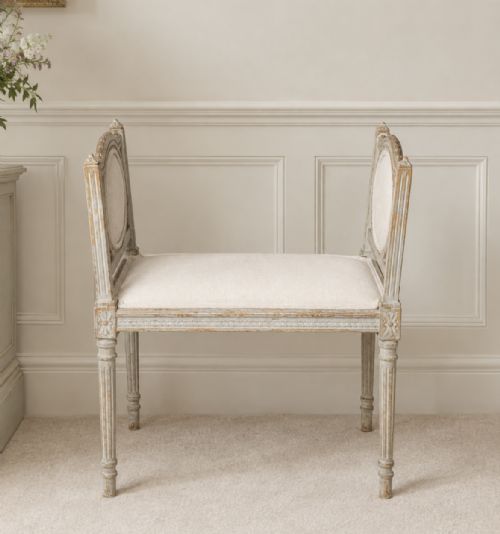
Most examples function as dressing table stools or piano stools, often featuring upholstered tops supported by cabriole legs, cross stretchers, or twisted rope legs. Forms vary from simple rectangular seats to curved frames and X-frame curule designs.
How they were made
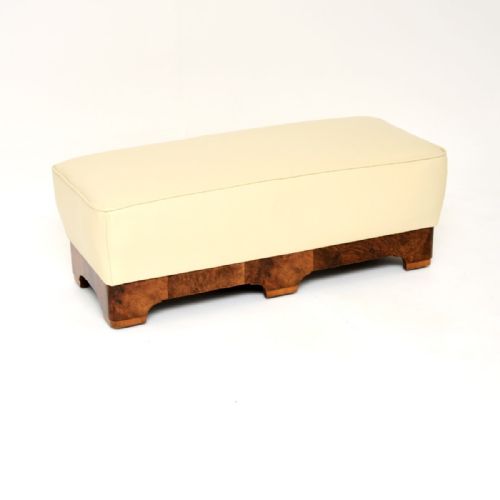
Cabinet makers utilised solid timbers such as mahogany, walnut, and oak to construct the frames, often employing veneers like burr walnut, birds-eye maple, and sycamore on Art Deco pieces. Carved details, giltwood finishes, and inlaid motifs appear across nineteenth-century and Edwardian examples.
Upholstery techniques involved pad seating, needlepoint work, and leather covering fastened to wooden frames, with many surviving pieces receiving new fabric or leather covers during restoration.
Vintage Dressing Bench Retail Price Guide 2026
Typical asking prices for vintage dressing bench among the pieces listed under this phrase on Sellingantiques today, from the lower quarter to the upper quarter. They describe what is for sale here now, not the wider market.
Several Art Deco stools cleverly conceal storage beneath their plush leather tops, perfect for hiding midnight chocolates.
What varies in quality
The refinement of the timber frame and the precision of any carved or inlaid decoration determine the standing of a piece. Figured veneers on Art Deco models and intricate carving on Victorian or Georgian style frames distinguish higher grades of manufacture.
The structural integrity of the joints and the quality of the upholstery materials, whether original leather or restored fabric, influence the overall standard of the bench.
Harry and Lou Epstein·Miles and Edwards
The Vintage Dressing Bench Glossary
- Cabriole leg
- A furniture leg that curves outward at the knee and tapers inward toward the ankle, typical of eighteenth-century and Victorian designs. This shape often terminates in a pad or claw foot.
- X-frame
- A structural support formed by two intersecting diagonal members creating an X shape. This ancient form appears on curule stools and decorative nineteenth-century seats.
- Cross stretcher
- Horizontal wooden rails connecting the legs near the base to provide additional rigidity. They frequently feature central turning or decorative intersections.
- Burr walnut
- A wood harvested from the warted growths on walnut trees, prized for its swirling, highly figured grain patterns. Cabinet makers applied it as a veneer on high-end twentieth-century pieces.
Vintage Dressing Bench: Frequently Asked Questions
How do I date a vintage dressing bench?
Dating relies on combining the timber, the style of the legs, and the construction methods. Victorian pieces often display heavy walnut with cabriole legs, whereas nineteen thirty examples favour figured veneers and clean geometric lines.
Examining secondary woods and fastening methods helps confirm the era. Revival styles borrow earlier motifs, so inspecting the joinery remains essential.
Were these benches used only for dressing tables?
Many of these pieces served multiple domestic purposes, doubling as piano stools, salon seats, or occasional footstools. Some nineteenth-century and Art Deco variants even incorporate internal storage beneath the seat for sheet music or accessories.
Their compact dimensions allowed them to tuck neatly under vanity tables or sit beside a piano.
What is the difference between a stool and a bench?
In this category, the terms often overlap, though benches generally describe longer rectangular seating formats compared to compact square or oval stools. Both serve the same low seating function in bedrooms and reception rooms.
Listings frequently group stools, footstools, and benches together based on their shared utility.
Are replacement covers acceptable on these seats?
Many surviving dressing benches feature new fabric, leather, or flowery top covers resulting from recent restoration work. Replacing worn upholstery is standard practice to ensure the piece remains functional for daily use.
Original leather or needlepoint survives on some examples, but fresh upholstery does not diminish the historic value of the wooden frame.