



Vintage Dress Sword
A vintage dress sword carries the weight of military service and formal pageantry, offering collectors a tangible piece of history.
Vintage Dress Sword
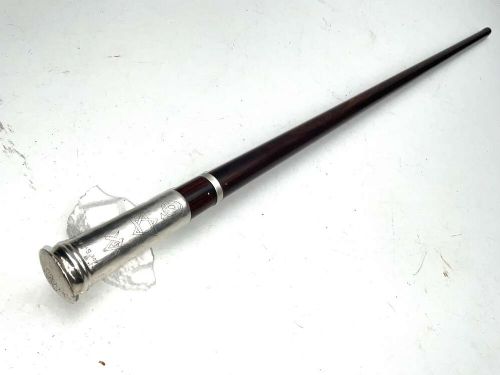
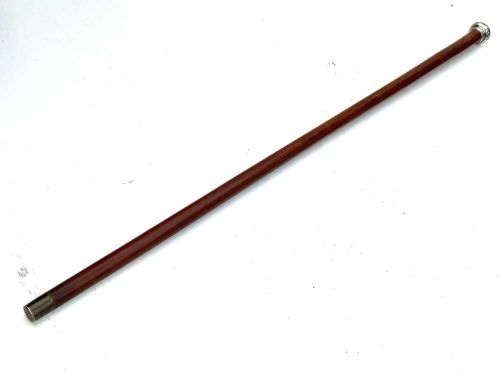
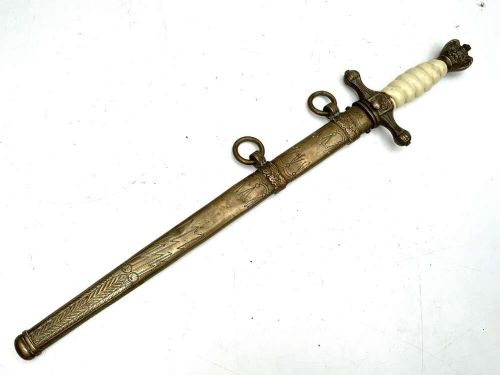
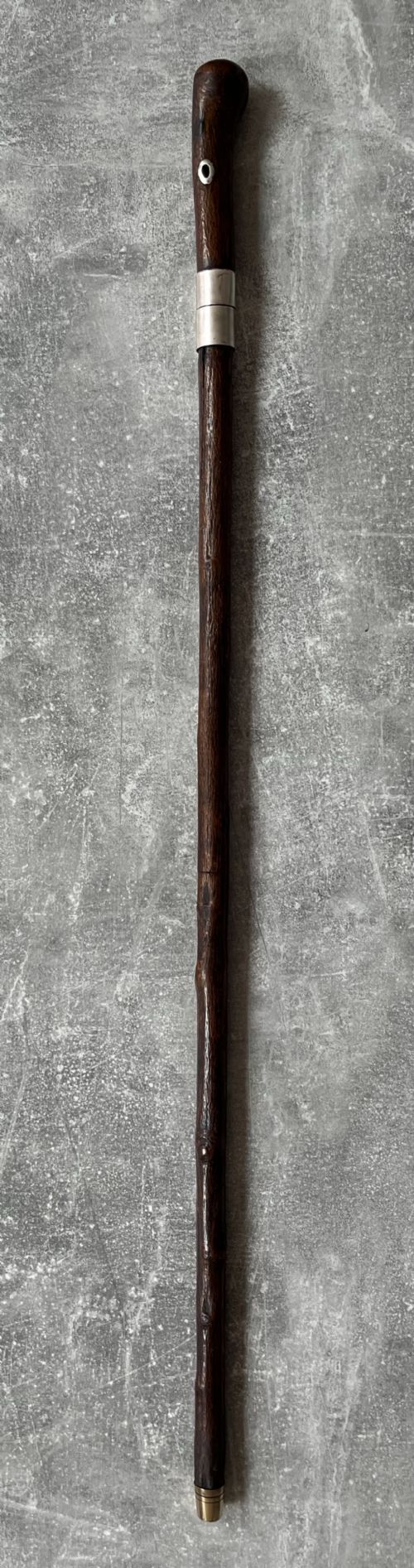
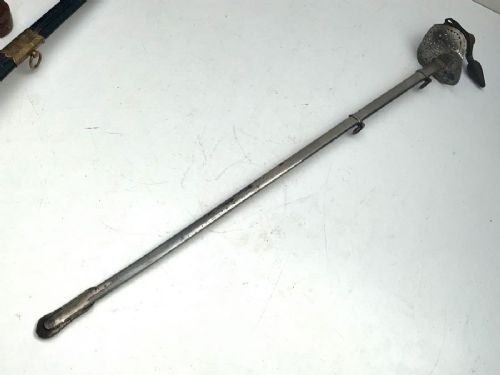
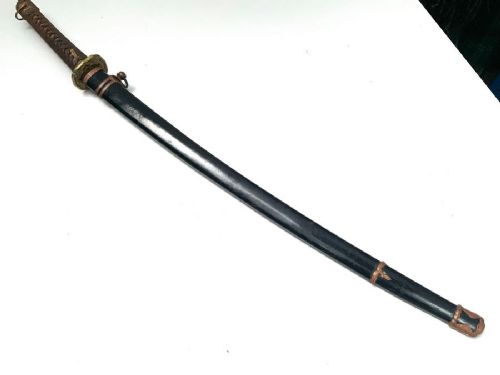
A vintage dress sword encompasses various edged weapons, naval daggers, and concealed sword sticks spanning the nineteenth and twentieth centuries. These pieces reflect military service, civilian gentlemen's accessories, and ceremonial regalia from British, German, and Japanese origins.
Originating from periods such as the Victorian era, the 1850s, 1870s, 1890s, 1900s, 1910s, and 1940s, these objects combine functional weaponry with decorative artistry.
Materials and construction
These items rely on durable metals including steel, iron, brass, and silver plate for blades, hilts, and mounts. Wood and leather provide the structure and coverings for walking sticks, scabbards, and grips.
Craftsmen shaped steel and iron into functional blades and sabres, while incorporating brass and silver detailing for ceremonial appearance. Natural materials like hazel wood form the shafts of concealing canes.
Vintage Dress Sword Retail Price Guide 2026
Typical asking prices for vintage dress sword among the pieces listed under this phrase on Sellingantiques today, from the lower quarter to the upper quarter. They describe what is for sale here now, not the wider market.
Materials represented include steel, brass, iron, silver plate, wood, and leather.
Distinctions in quality
Quality diverges between utilitarian military issue and bespoke gentleman's accessories featuring silver top mounts and specialised joinery. Superior examples demonstrate refined finishing on metalwork and secure integration between blade and handle.
The preservation of original materials, from polished steel blades to intact leather scabbards and wooden shafts, dictates the standing of an individual piece.
The Vintage Dress Sword Glossary
- Sabre
- A heavy cavalry sword featuring a curved steel blade designed for slashing. These weapons formed standard equipment for nineteenth-century mounted troops.
- Sword stick
- A concealed blade housed within a wooden walking cane or swagger stick. Gentlemen carried these for discretion and personal defence.
- Dress dagger
- A formal sidearm worn by officers during ceremonial occasions. These pieces often display intricate hilt decoration and matching scabbards.
- Scabbard
- A protective sheath of metal or leather designed to hold a sword or dagger blade. It secures the edge when the weapon is not in use.
Vintage Dress Sword: Frequently Asked Questions
What are vintage dress swords?
These pieces comprise formal military sidearms, naval daggers, and concealed sword sticks used by officers and gentlemen during the nineteenth and twentieth centuries.
They represent both active service equipment and civilian fashion accessories of their respective periods.
How were sword sticks used?
Sword sticks functioned primarily as walking aids for gentlemen while housing a concealed steel blade for personal protection.
The outer wooden shaft disguised the weapon entirely until the blade was drawn from the handle.
How do I care for steel blades?
Maintain steel and iron components by keeping them in dry conditions and applying light protective oils to prevent oxidation.
Avoid abrasive cleaners that might damage historical finishes on metal and wooden surfaces.
How can I tell the period?
Dating relies on stylistic markers, military patterns, and materials associated with eras like the Victorian period or the 1940s.
Specific design traits and construction methods correspond directly to the manufacturing decade.