



Vintage Double Lights
Vintage double lights bring balanced illumination and period character to a room, most often appearing as matched pairs of wall sconces from the early twentieth century.
Vintage Double Lights
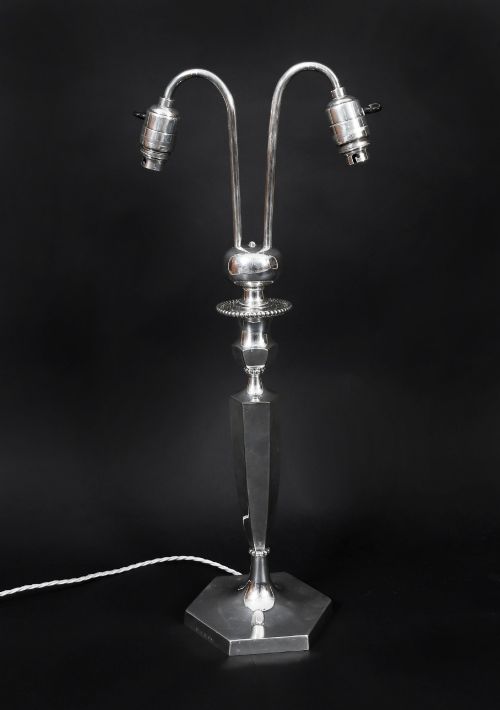
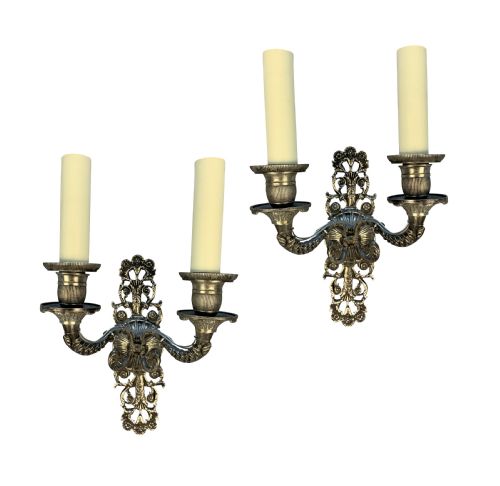
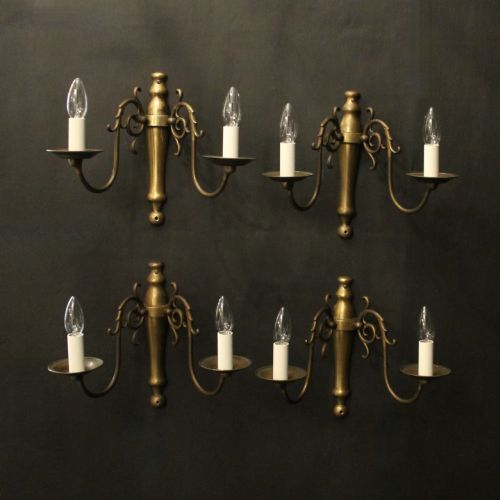
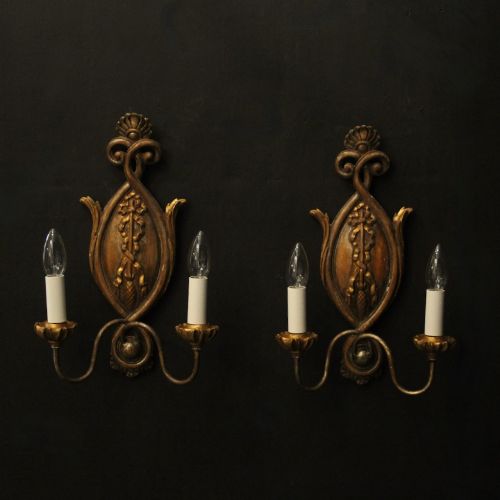
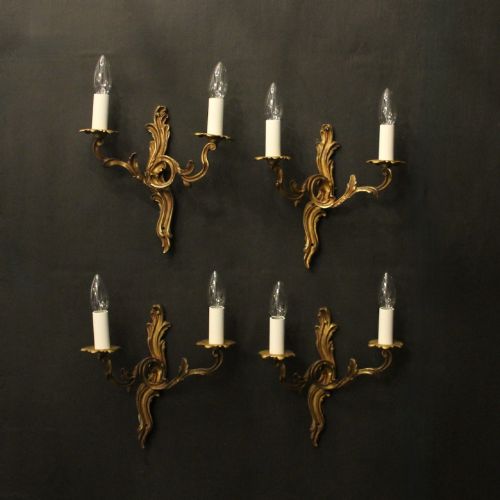
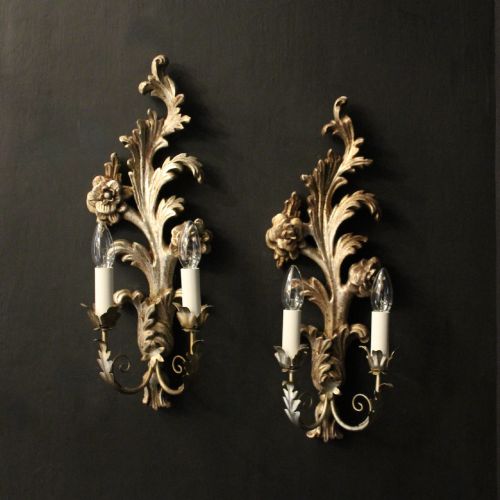
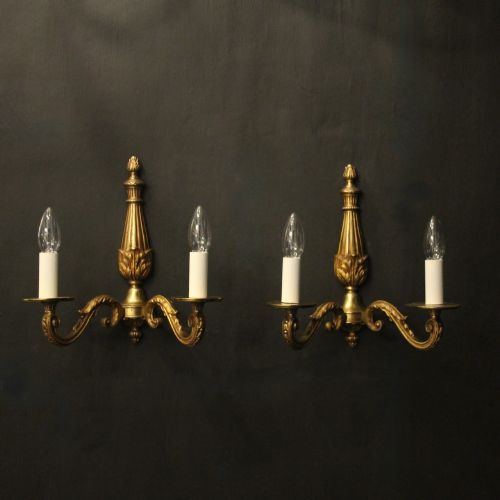
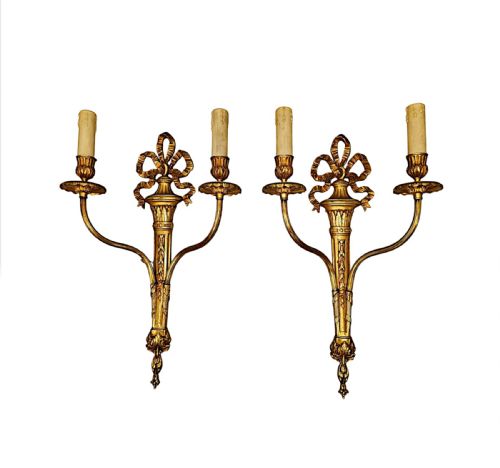
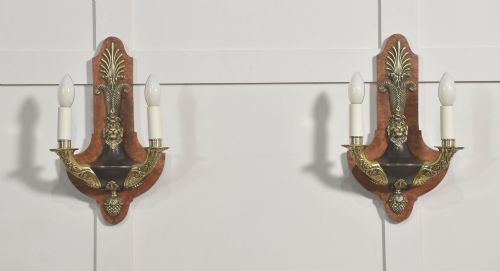
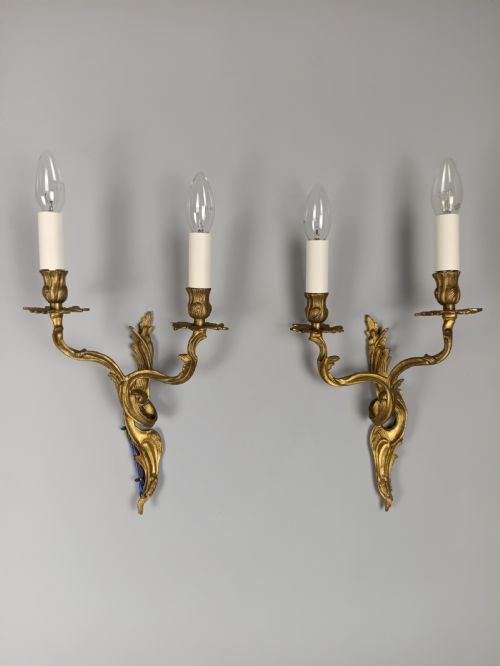
Vintage double lights comprise paired illumination pieces designed primarily for wall mounting, table placement, or desk use, emerging frequently from the Victorian, Edwardian, and mid-twentieth-century periods. Buyers searching this phrase most commonly encounter twin-arm wall lights and wall sconces fashioned in brass, gilded bronze, and silver plate.
The selection ranges from French Rococo and Empire styles to Florentine giltwood and Art Deco table lamps, alongside occasional double-burner oil lamps and reading lights. These dual-branch fixtures offer symmetry and adequate illumination through two distinct light points rather than a single bulb.
Origins span English, French, and Italian workshops, reflecting regional decorative preferences from ornate gilded metalwork to cleaner silver-plated lines. Most surviving examples date between the late nineteenth century and the nineteen-thirties, embodying the domestic lighting technology of their respective decades.
How they were made
Casting and giltwork define the construction of these metal fixtures, utilising brass, bronze, and giltwood shaped into symmetrical twin arms and backplates. Makers employed methods such as silver plating and fire gilding to apply durable metallic finishes over base metals, often incorporating hand-carved wooden elements in Florentine pieces.
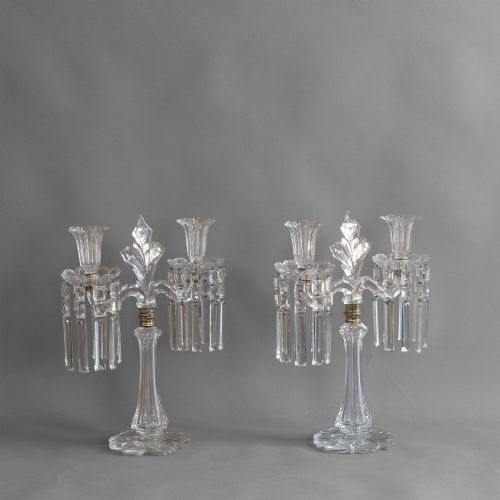
Glass and crystal components, including hand-blown shades and lustres, complement the metal frameworks to diffuse light evenly across the dual branches. Joinery involves threaded rods, screws, and solder to secure the arms to the backplates, ensuring structural stability for wall-mounted and desk applications.
Vintage Double Lights Retail Price Guide 2026
Typical asking prices for vintage double lights among the pieces listed under this phrase on Sellingantiques today, from the lower quarter to the upper quarter. They describe what is for sale here now, not the wider market.
Listings for vintage double lights frequently feature French regional styles alongside English brass and silver-plated wall sconces.
What varies in quality
The refinement of the casting and the depth of the metal finish separate standard production pieces from finer examples, particularly in the crispness of the foliage and scrollwork on Rococo and Empire styles. Hand-chased detailing on bronze and brass indicates superior craftsmanship compared to simpler moulded alternatives.
The integrity of the original plating or gilding heavily influences the visual appeal, alongside the presence of matching hand-blown glass or crystal elements. Maker attributions and heavier gauge metals denote higher workshop standards during manufacturing.
Elkington·Casier
The Vintage Double Lights Glossary
- Twin Arm
- A lighting fixture featuring two distinct branches or arms extending from a central point to hold dual light sources.
- Gilt Bronze
- Bronze metal that has been coated with a thin layer of gold or gold-coloured alloy to impart a rich metallic sheen.
- Silver Plate
- A base metal object coated with a thin layer of silver through electroplating or chemical processes.
- Bouillotte Lamp
- A traditional French desk or table lamp equipped with a central shaft, two light arms, and an adjustable shade.
- Lustre
- A decorative glass or crystal ornament hung from a lighting fixture to reflect and enhance illumination.
Vintage Double Lights: Frequently Asked Questions
How do I install vintage wall lights safely?
Most vintage wall fixtures require professional wiring to meet modern electrical standards, as original internal components often deteriorate over decades of use.
An electrician can safely integrate older brass and bronze sconces into standard household circuits while preserving the exterior structure.
What is a bouillotte lamp used for?
Bouillotte lamps originally served as card-playing table lights in eighteenth-century France, featuring adjustable shades to direct light downwards onto the surface.
By the Victorian era, they transitioned into sophisticated desk and reading lamps with twin arms and distinctive toleware shades.
How can I identify the period of a brass light?
Stylistic cues such as the flowing asymmetry of Rococo design or the geometric precision of Art Deco provide clear indicators of manufacturing eras.
Examining the fastening methods, screw types, and overall weight of the metal also helps distinguish nineteenth-century examples from later reproductions.
Can twin-arm sconces be used with modern bulbs?
Twin-arm sconces accommodate modern low-wattage LED candle bulbs once the interior lampholders are updated or rewired by a qualified professional.
Choosing bulbs with warm colour temperatures helps maintain the intended atmospheric glow characteristic of older lighting.