
Vintage Double Frame
When you search for vintage double frame, you find beds, mirrors, and signs spanning from the nineteenth century through the Art Deco period.
Vintage Double Frame
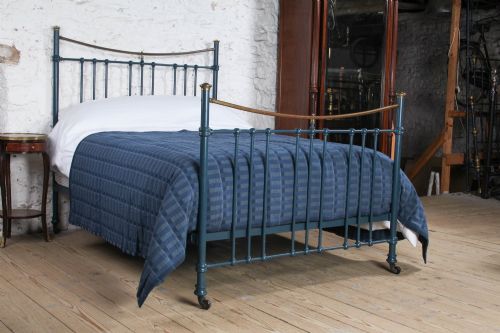
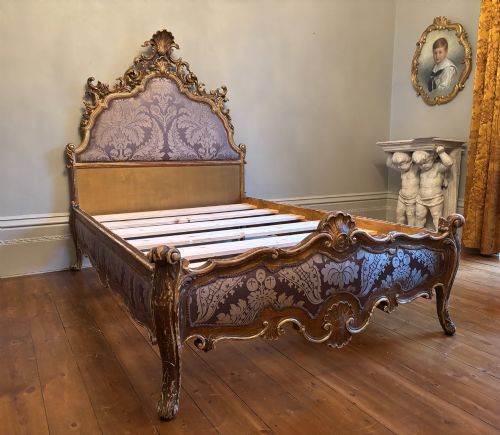
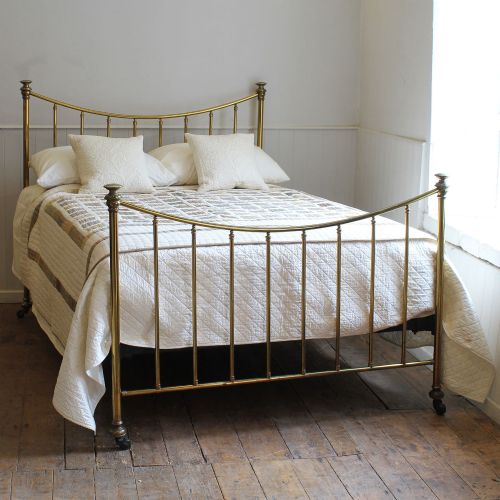
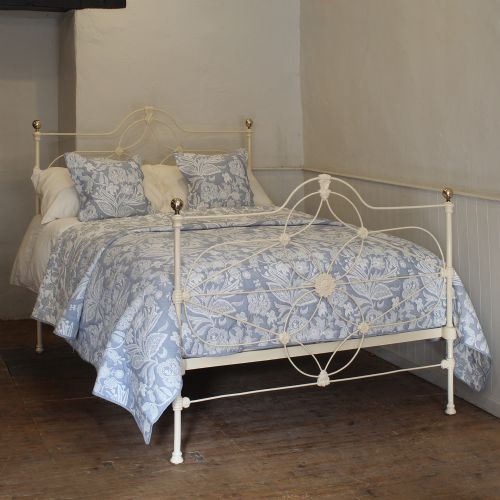
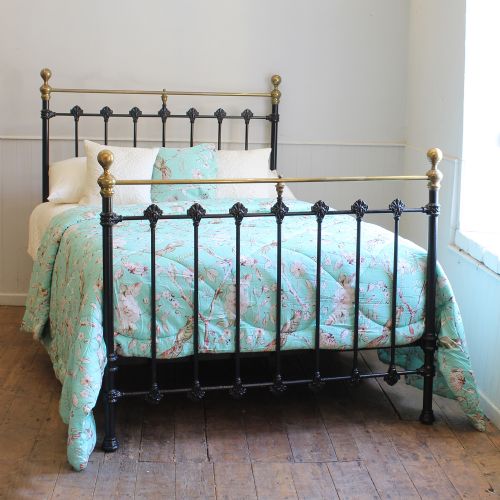
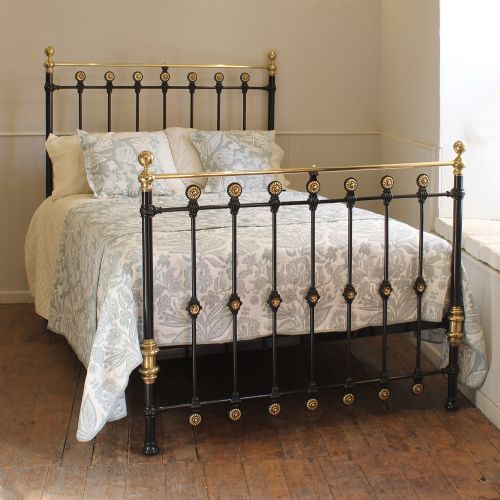
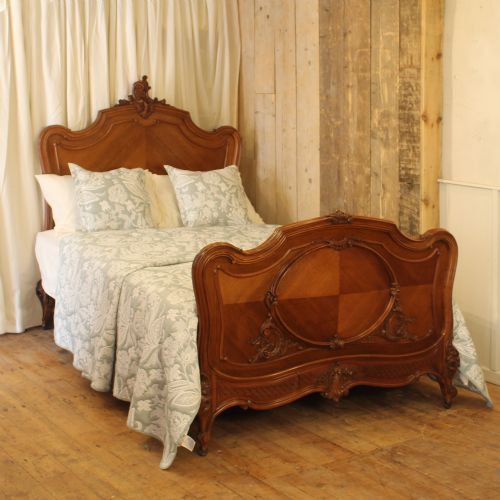
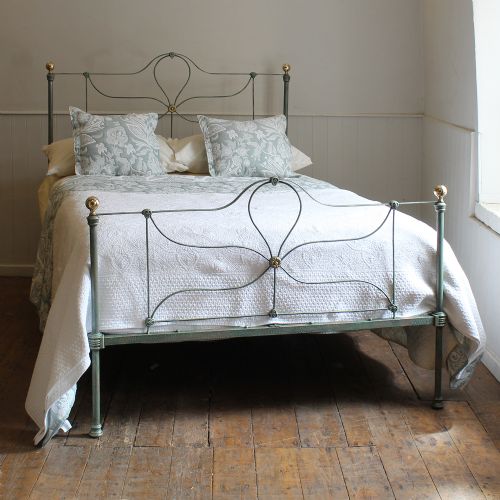
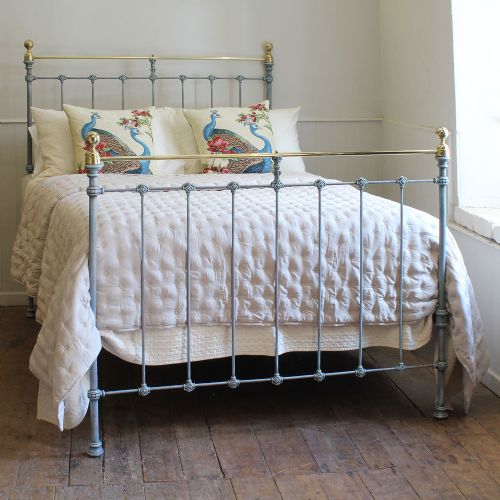
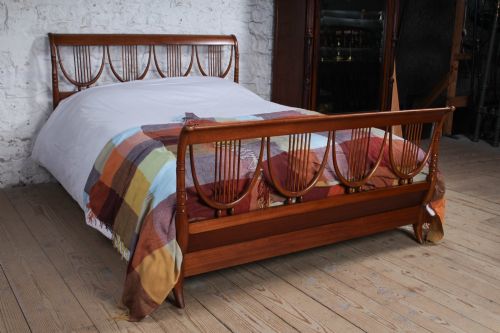
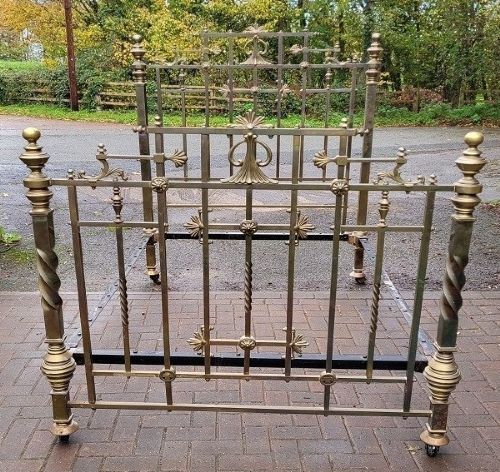
The vintage double frame search predominantly returns nineteenth-century and early twentieth-century bedsteads, alongside occasional mirrors and signs. Buyers encounter Victorian iron and brass combinations, Edwardian mahogany pieces, and walnut frames.
Wooden examples appear in oak, burr walnut, and mahogany, while metal versions utilise brass, cast iron, and wrought iron. The selection spans straightforward country house designs to ornate French styles.
Materials and construction
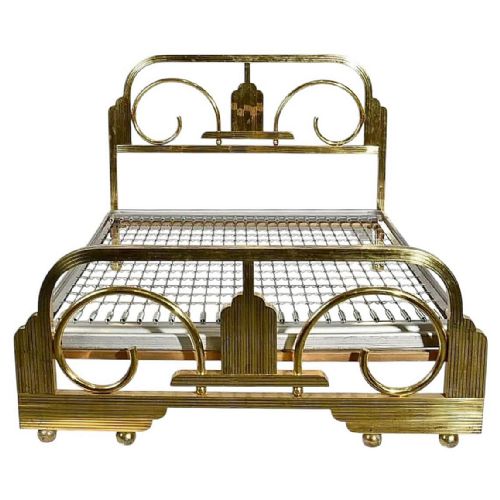
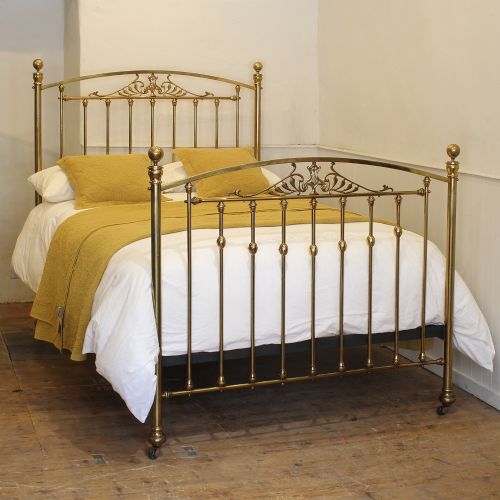
Makers built these pieces using solid timbers like walnut, mahogany, and oak, often incorporating burr veneers for decorative effect. Metal frames combined brass tubing with cast iron or wrought iron structural elements, sometimes accented with mother of pearl.
Joinery methods included traditional slot-in iron frames and fitted wooden joints designed to support mattresses. Surface finishes ranged from painted and limed treatments to polished brass and clear-sealed timber.
One listed nineteenth-century iron bed incorporates mother of pearl highlights alongside brass and painted iron.
Indicators of quality
Quality rests in the weight of the metal castings, the depth of the timber mouldings, and the crispness of any applied ornamentation. Exhibition-grade pieces display heavier gauges of brass and more intricate ironwork than standard utilitarian examples.
The choice of secondary woods and the precision of the joinery distinguish standard production from workshop-built furniture. Superior frames retain original castors, decorative finials, and balanced proportions across the head and foot boards.
Stanley Webb Davies·Winfield·Robert Williams·Sir Peter Lely
The Vintage Double Frame Glossary
- Bedstead
- The complete framework of a bed, including headboard, footboard, and side rails, designed to hold a mattress. These form the majority of the metal and wooden frames in this category.
- Half Tester
- A bed with a partial canopy extending only partway over the head of the mattress. This style appeared on high-quality Victorian brass and wood examples.
- Burr Walnut
- Timber taken from a walnut tree growth, yielding a swirling, highly figured grain pattern. Cabinet makers used veneers of this wood on Edwardian and Victorian bed panels.
- Faux Bamboo
- Wood turned and carved to imitate the segmented stalks of bamboo. This decorative technique appeared on nineteenth-century iron and wooden frames.
- Louis XVI Style
- A neoclassical design vocabulary featuring straight tapered legs, carved fluting, and geometric symmetry. French frames from the early twentieth century often adopt this aesthetic.
Vintage Double Frame: Frequently Asked Questions
What size mattress fits these beds?
These listings include double, small double, and king-size proportions from various historical standards. Buyers should measure the internal side rails carefully before sourcing a modern mattress.
Older frames can vary slightly from contemporary standard dimensions, particularly nineteenth-century and continental European pieces.
How do I assemble metal bed frames?
Many metal and iron frames utilise slot-in corner brackets that wedge together under the weight of the mattress base. Others require simple bolt connections at the four corners.
It is advisable to check that all original castors and iron side rails are present to ensure structural stability during assembly.
How do I tell Victorian from Edwardian beds?
Victorian frames often display heavier ornamentation, cast brass components, and robust iron scrollwork. Edwardian examples tend to feature lighter mahogany or walnut timbers reflecting Georgian revival tastes.
Cabinet work from the later period also shows simpler lines and more restrained decorative carving compared to mid-nineteenth-century pieces.
Can these beds be used daily?
Solid wood and metal frames provide robust daily support when paired with suitable modern slats or base inserts. The durable construction of cast iron, brass, and hardwood ensures long-term domestic use.
Buyers often adapt historical side rails to accommodate standard contemporary bed bases safely.