
Vintage Double Cupboard
A vintage double cupboard provides generous storage while anchoring a room with period timber and proportion.
Vintage Double Cupboard
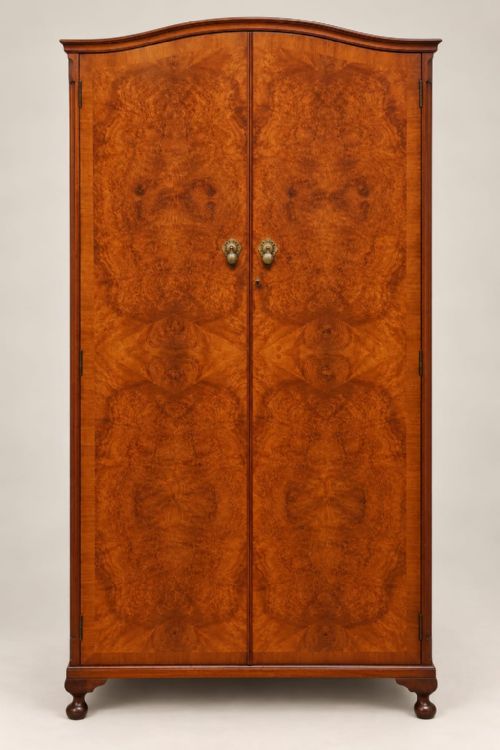
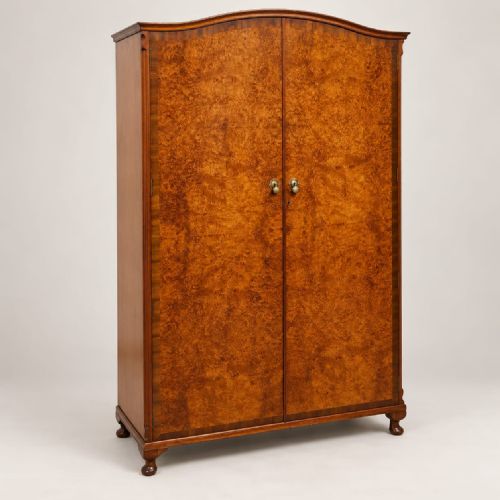
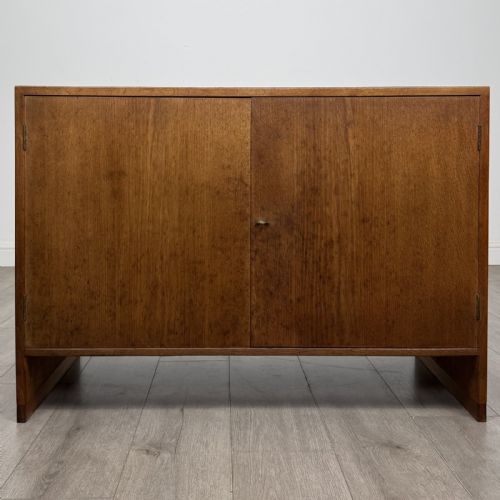
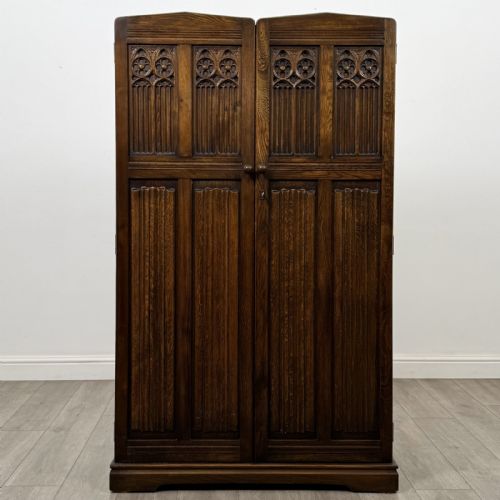
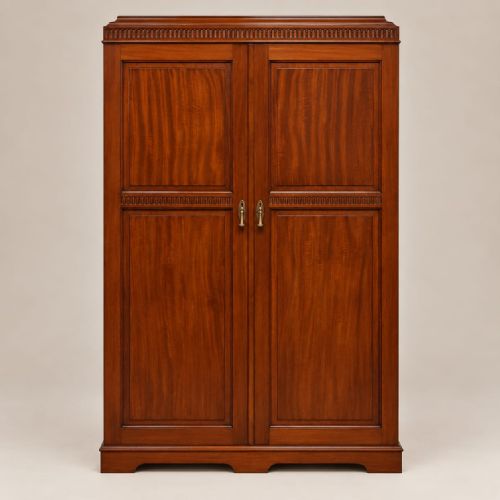
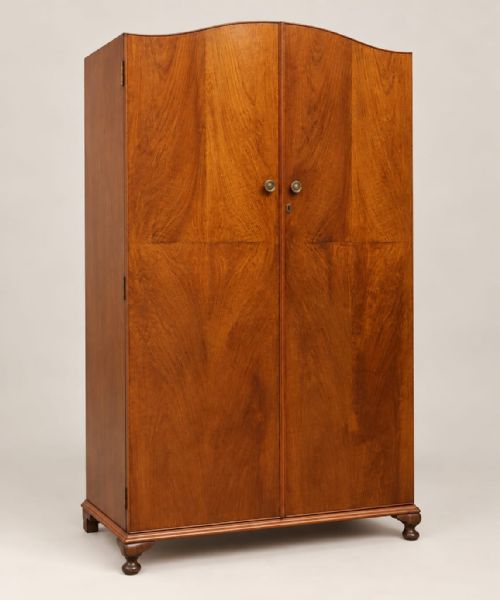
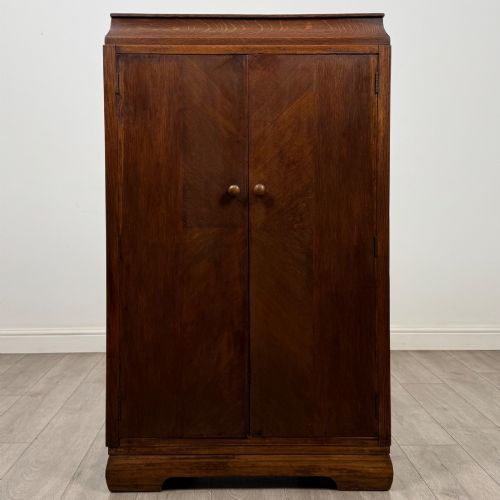
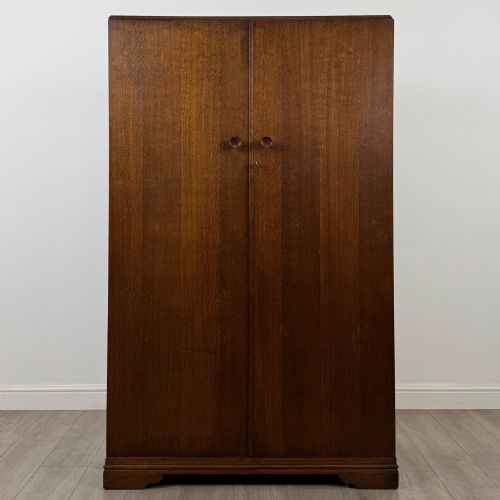
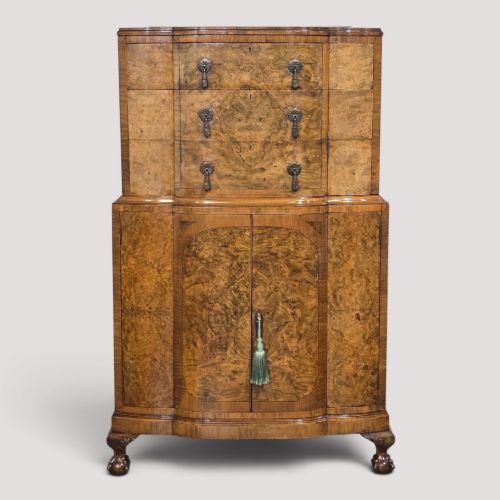
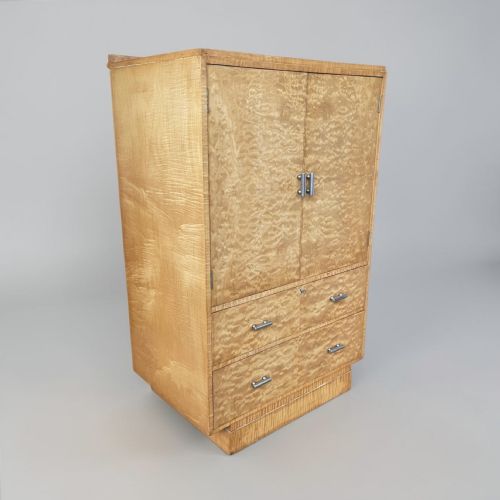
When you search for a vintage double cupboard, you encounter a broad selection of large storage furniture designed to hold garments, linen, or household goods. The listings span several centuries, reaching from the Georgian and Victorian eras through to Edwardian, Art Deco, and mid-century decades. You will frequently find wardrobe and armoire formats alongside linen presses, compactums, and display cabinets.
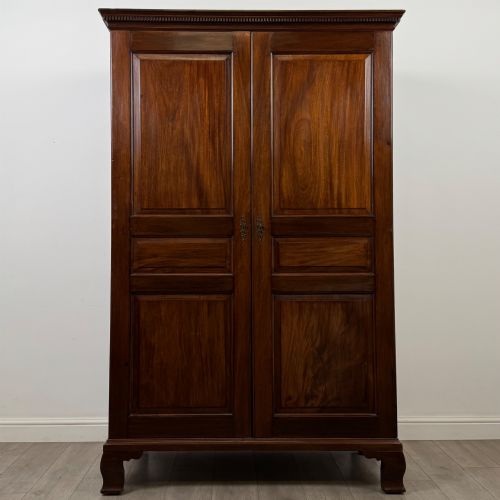
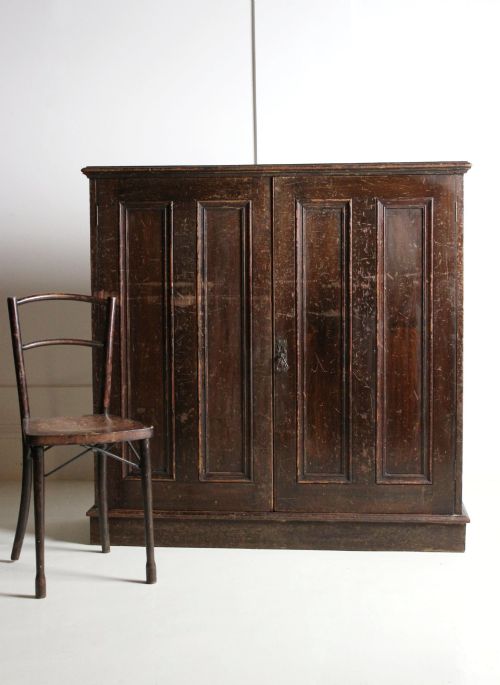
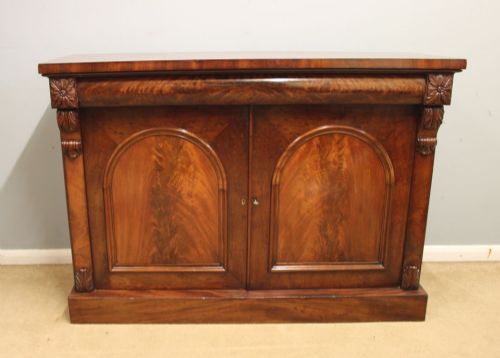
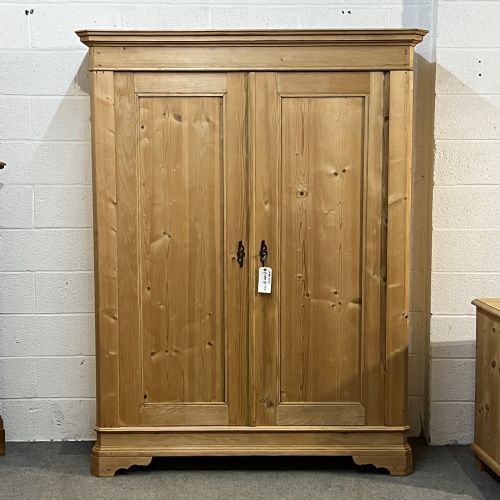
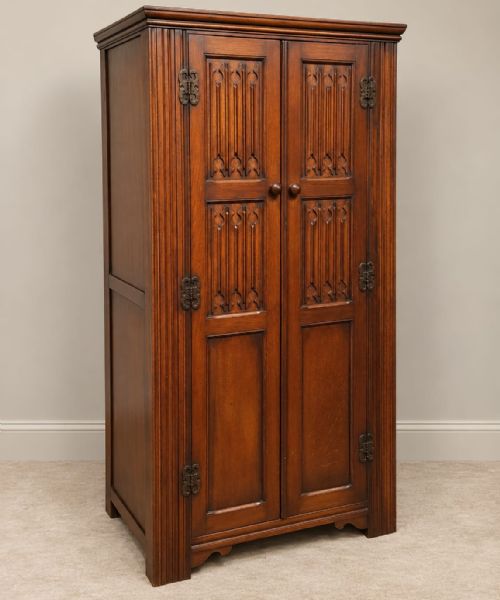
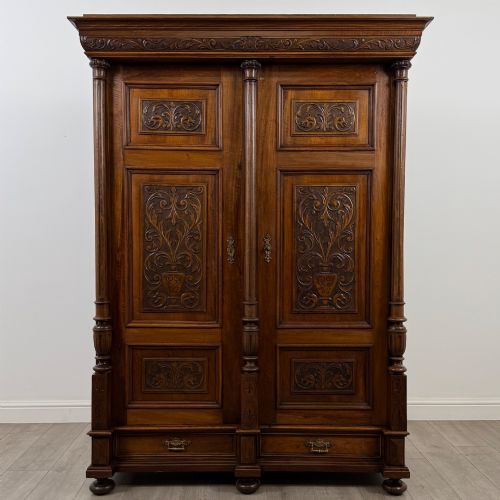
The most common interpretations on this page take the form of substantial wooden wardrobes and two-door cupboards. These pieces originate from English workshops as well as French provincial sources, utilising generous proportions and twin doors to conceal hanging space or internal shelving. Oak, mahogany, and pine dominate the selection, appearing in both polished timber and painted finishes.
Materials and construction methods
Cabinet makers relied primarily on solid hardwoods and softwoods such as oak, mahogany, walnut, and pine, often enhancing decorative surfaces with burr walnut or flame mahogany veneers. Carpenters employed traditional joinery techniques, constructing carcases with panelled doors, dovetailed drawers, and sturdy internal framing designed to withstand heavy daily use.
Surface treatments range from clear wax and French polish to decorative lacquer, scumble paintwork, and Chinoiserie artwork. Brass hardware, iron fittings, and glass panels complete the construction, securing the doors and providing functional accents to the timber bodies.
The listings on this site encompass pieces from the eighteenth, nineteenth, and twentieth centuries, spanning Georgian, Victorian, Edwardian, and Art Deco styles.
Distinguishing quality across periods
The distinction between standard utility items and superior examples lies in the choice of timber and the ambition of the design. Master craftsmen selected highly figured veneers, such as burr walnut and flame mahogany, and integrated subtle carved details, panel moulding, or intricate marquetry that elevate the piece beyond plain functional storage.
Structural integrity and original hardware further separate the tiers of quality. Pieces retaining their original brass handles, working locks, glass panes, and internal slides or clothes hooks demonstrate a higher level of preservation and original intent.
maples & co·Harris Lebus
The Vintage Double Cupboard Glossary
- Compactum
- A multi-compartment wardrobe featuring a combination of hanging space, drawers, and shelving within a single double-door unit. This form maximises internal storage efficiency.
- Linen Press
- A tall cabinet comprising upper sliding trays for folded textiles above a chest of lower drawers. These items traditionally served to air and store household linens.
- Chinoiserie
- A decorative style employing European interpretations of Chinese artistic motifs and lacquer techniques. Artisans applied hand-painted scenes directly to the cupboard doors.
- Scumble
- A decorative painting technique used to create simulated wood grain over a plain pine base. This method gave modest timbers the appearance of richer hardwoods.
- Vitrine
- An enclosed glass-fronted cabinet designed for the display of books, ceramics, or collectibles. The glazed doors protect fragile items from dust.
Vintage Double Cupboard: Frequently Asked Questions
What is a double cupboard?
A double cupboard is a large storage furniture item featuring two doors that open to reveal hanging space, shelves, or drawers. These pieces served diverse domestic functions across different centuries.
Examples on this page include wardrobes, linen presses, and armoires built from oak, mahogany, and pine. They provide substantial capacity while serving as focal points in bedrooms and living spaces.
How do I date a cupboard?
Dating a cupboard involves examining the timber species, construction joints, hardware, and stylistic details. Georgian and Victorian pieces often display hand-cut dovetails and deep, polished mahogany or oak surfaces.
Later Edwardian and Art Deco examples introduce cleaner geometric lines, lighter oak tones, or walnut veneers. Comparing the decorative motifs against known historical periods clarifies the era of manufacture.
Are these cupboards dismantled for transport?
Many larger wardrobes and armoires from the nineteenth century were constructed as knockdown pieces designed to be disassembled for moving. These knockdown variants use bolts or wedge systems to secure the cornice, base, and sides.
Solid oak and pine cupboards of simpler country origin, however, frequently remain constructed as single fixed units. Checking the construction format helps determine how the piece enters a room.
Where should I place a wardrobe?
A large double wardrobe requires adequate wall space and ceiling height to accommodate its proportions without dominating the room. Bedrooms remain the primary location for hanging garments and storing bulky textiles.
Alternatively, living rooms and hallways can accommodate display cabinets, compactums, or linen presses. Placing them away from direct heat sources protects the antique wood and historic finishes.