


Vintage Display Vessel
When you search for a vintage display vessel, you encounter eclectic decorative objects spanning apothecary jars to model ships and art pottery.
Vintage Display Vessel
A vintage display vessel gathers diverse utilitarian and decorative forms intended to draw the eye, including ceramic vases, glass apothecary jars, and maritime models. When exploring this selection, buyers frequently encounter pieces originating from the nineteenth and early twentieth centuries.
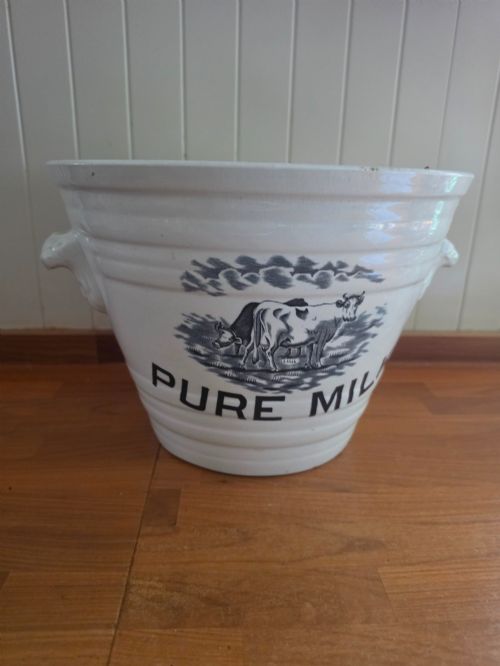
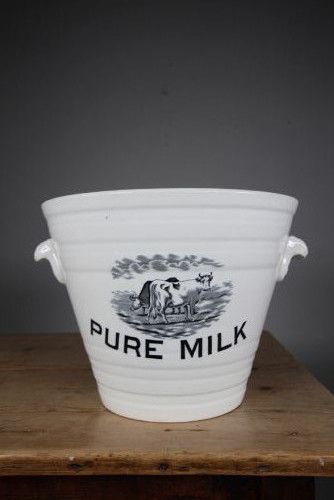
The category encompasses varied functional items repurposed for display, such as heavy brass pans, grocers ceramic tubs, and milk dairy pails alongside pure decorative objects. Art pottery and blown glass vessels from the Victorian, Edwardian, and Art Deco periods represent prominent stylistic groups within these listings.
Originating across Britain, France, Belgium, and Japan, these items reflect specific regional craftsmanship from periods like the Meiji era and the nineteen-thirties. Each object serves primarily to occupy space with distinct historical character and material presence.
How They Were Made
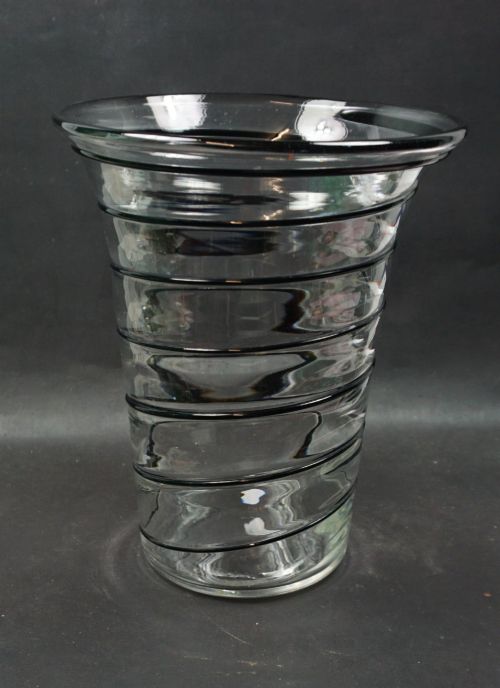
Makers utilised traditional forming methods, throwing clay on a wheel for earthenware and ironstone bodies, or blowing molten glass into moulds for apothecary jars and vases. Surface decoration frequently involved hand enamelling, etching, and applying gold leaf over glazes or crystal.
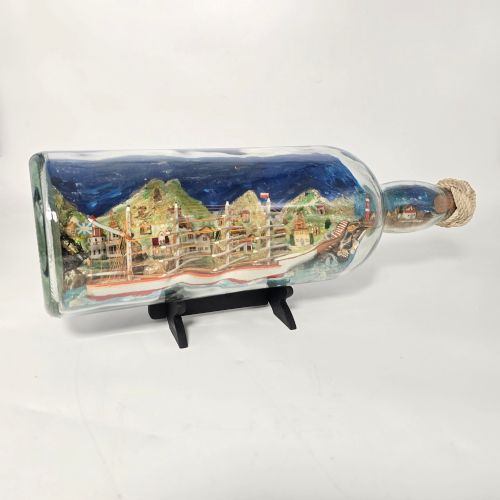
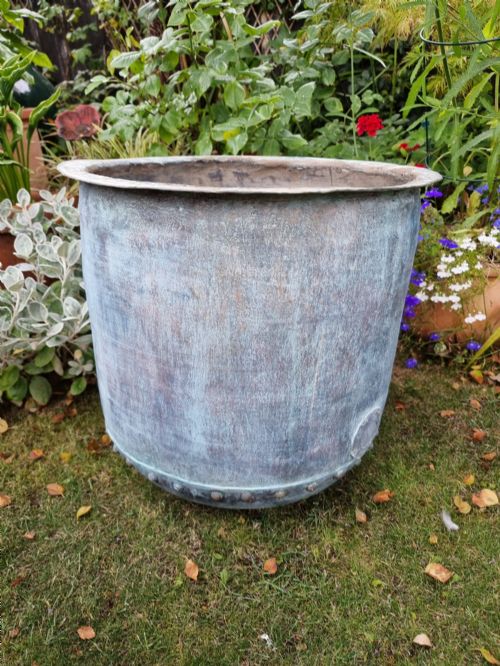
Maritime models and dioramas required intricate hand carving in wood, such as sycamore, combined with meticulous rigging and assembly inside glass bottles or display cases. Metal items like copper garden pots and brass pans relied on heavy sheet forming and riveting techniques.
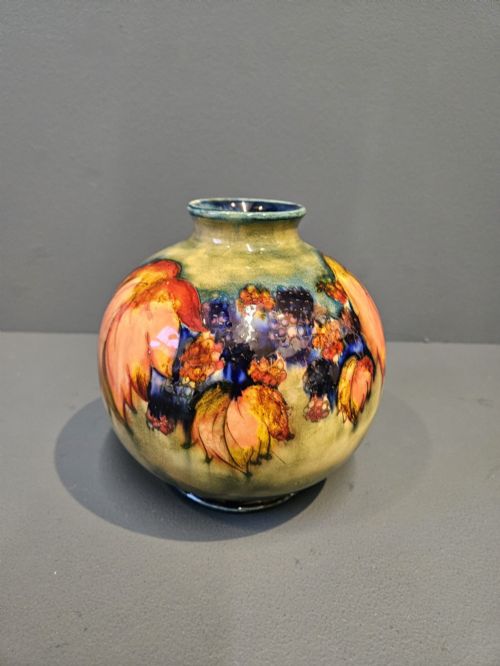
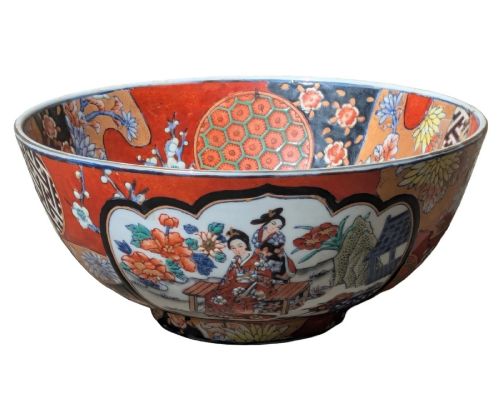
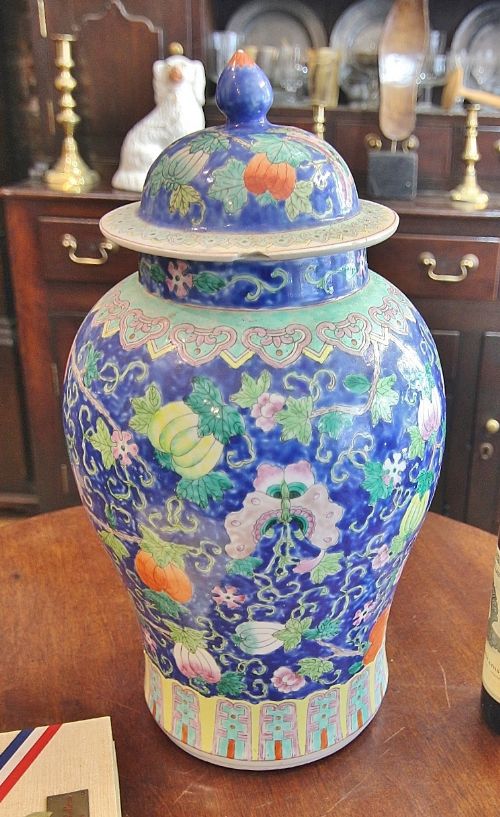
Ceramic pieces often received multiple firings to set complex underglaze designs, flambé effects, or intricate Satsuma and Imari pictorial schemes. Glass production employed casing layers of different colours to achieve depth when cut or etched with geometric patterns.
Vintage Display Vessel Retail Price Guide 2026
Typical asking prices for vintage display vessel among the pieces listed under this phrase on Sellingantiques today, from the lower quarter to the upper quarter. They describe what is for sale here now, not the wider market.
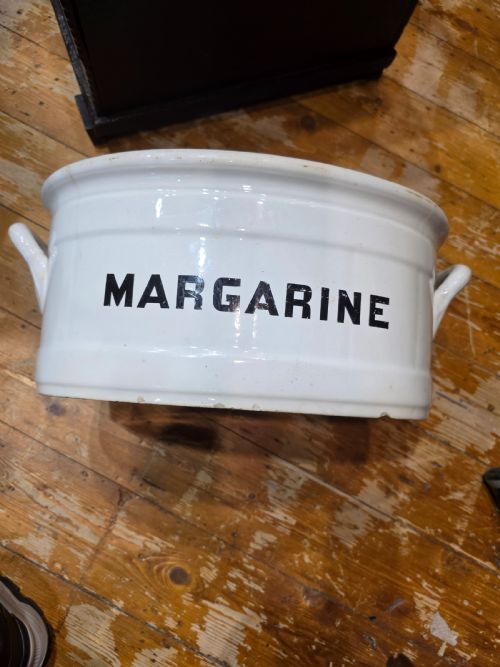
Ceramic forms span heavy ironstone dairy pails, earthenware margarine tubs, and decorative art pottery vases from British and European potteries.
What Varies in Quality
The standard of a vintage display vessel rests upon the precision of its execution and the sophistication of its decorative scheme, whether hand-painted figural processions on Satsuma pottery or deeply etched geometric glass. Superior examples display confident handling of materials by established potteries or skilled artisans.
Proportion and scale dictate visual impact, with monumental or unusually heavy forms holding greater presence than standard domestic wares. The preservation of original surface finishes, such as intact gilt leaf and unrubbed enamel, preserves the integrity of the piece.
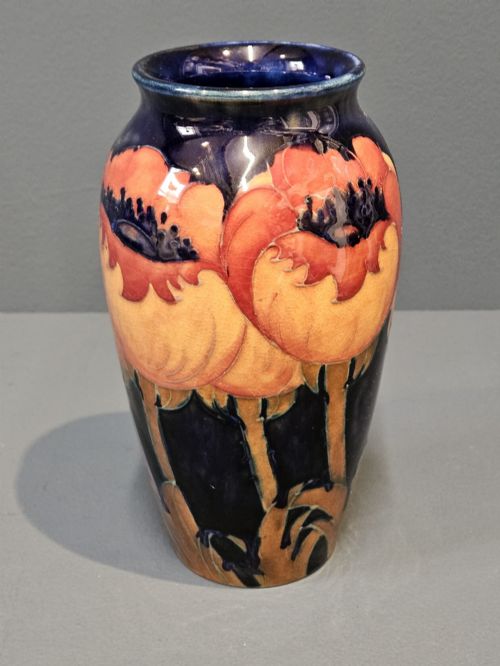
Moorcroft·Charles Graffart for VSL·Minton·Tokyo Taizan·Kinkozan Kyoto·Mougin
The Vintage Display Vessel Glossary
- Carboy
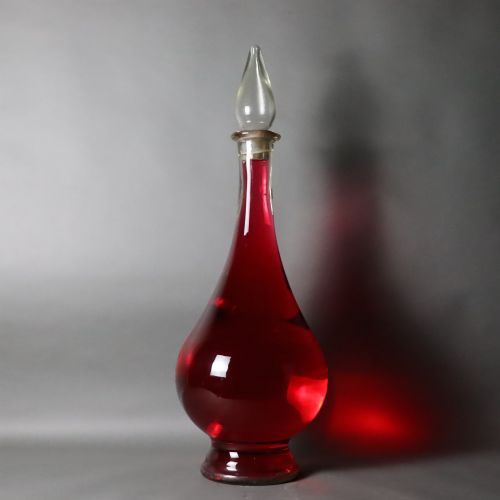
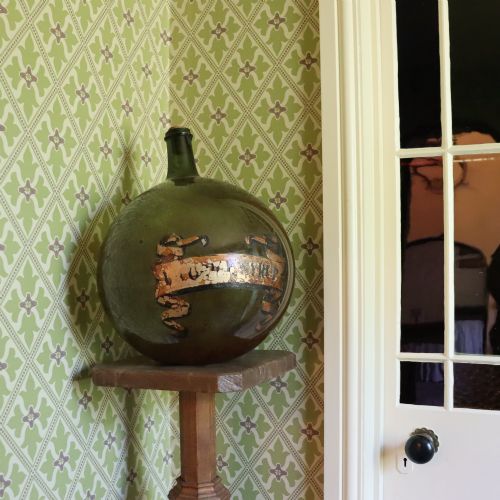
- A large glass or earthenware bottle with a narrow neck, traditionally used for holding liquids in laboratories or apothecary shops. These heavy vessels often feature thick blown walls and substantial capacity.
- Diorama
- A three-dimensional miniature scene, frequently depicting maritime subjects like sailing ships at sea enclosed within a glass-fronted case. They combine painted backgrounds with carved and rigged scale models.
- Flambé
- A rich, variegated ceramic glaze technique producing mottled red and dark metallic effects through controlled kiln reduction atmospheres. This unpredictable glazing method ensures distinct visual patterns on each vessel.
- Imari
- A style of Japanese porcelain decorated in underglaze blue and overglaze red, gold, and green. Originating from the town of Arita, these export wares gained immense popularity in Europe.
- Ironstone
- A type of heavy, durable earthenware developed in Britain as a robust alternative to porcelain. It takes glazes evenly and was frequently utilised for dairy pails and utilitarian wares.
- Monart
- A style of Scottish art glass characterised by suspended air bubbles and coloured strata within the body. Produced primarily during the interwar period, these pieces rely on form and optical depth.
Vintage Display Vessel: Frequently Asked Questions
What is an apothecary jar used for?
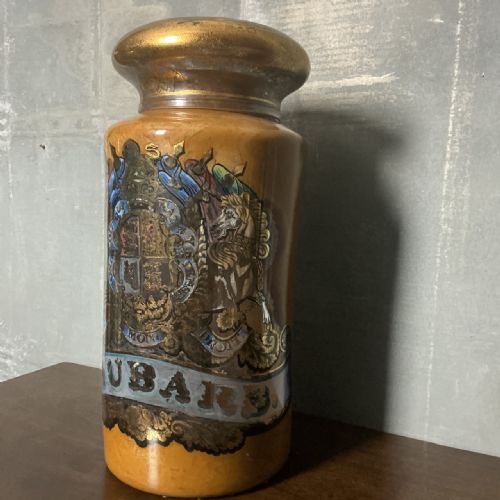
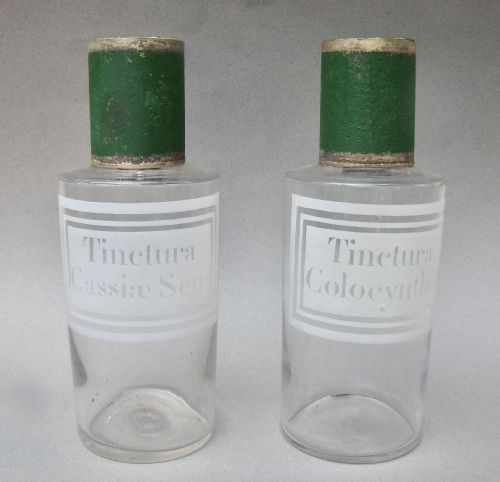
Apothecary jars originally held medicinal herbs, dry drugs, or liquids in dispensaries and chemists shops. Their large scale and decorative labels made them prominent fixtures on shop shelves.
Today, collectors use these glass and ceramic vessels purely for visual display in domestic interiors. They bring historical industrial character to modern rooms when placed on sideboards or mantels.
How do I identify a ship in a bottle?
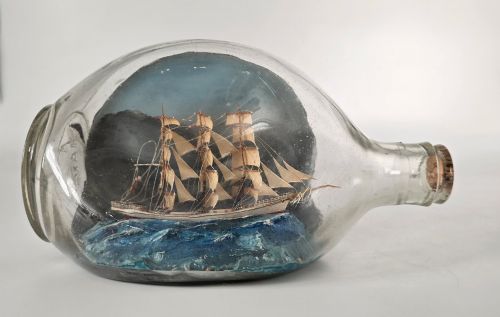
Ships in a bottle are intricate maritime folk art objects featuring miniature sailing vessels constructed to pass through narrow bottlenecks. Once inside, the masts are raised using hidden strings.
These pieces date from the nineteenth and early twentieth centuries, often carrying handwritten titles or names on their bases. They reflect the maritime hobbies of sailors and coastal craftspeople.
How should I display heavy brass pans?
Heavy brass pans from the Georgian period were originally utilitarian vessels used in large kitchens or dairies. Their thick metal walls and polished surfaces make them striking focal points.
Due to their weight, they require sturdy support surfaces like low tables or hearths. They function effectively as containers for dried botanicals or simply as standalone reflective objects.