







Vintage Display Urns
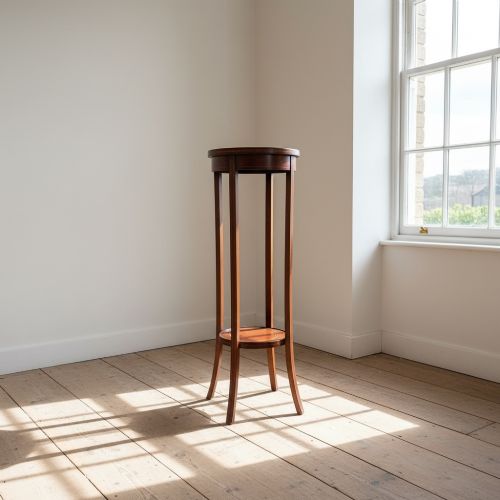
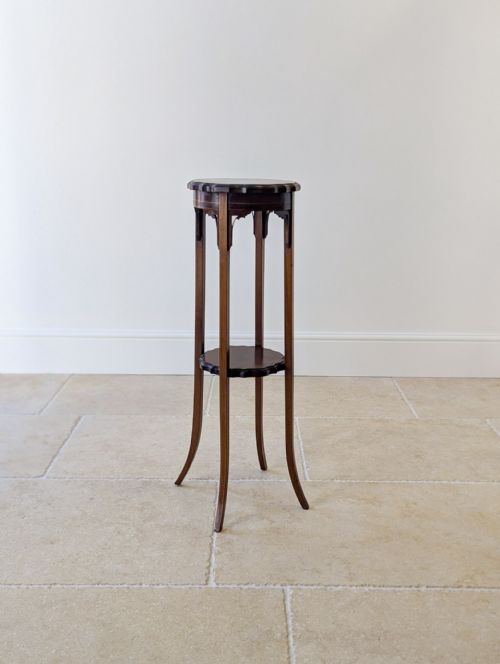
These vintage display urns and accompanying stands bring dramatic height and classical form to interiors, offering a striking stage for plants and decorative vessels.
Vintage Display Urns
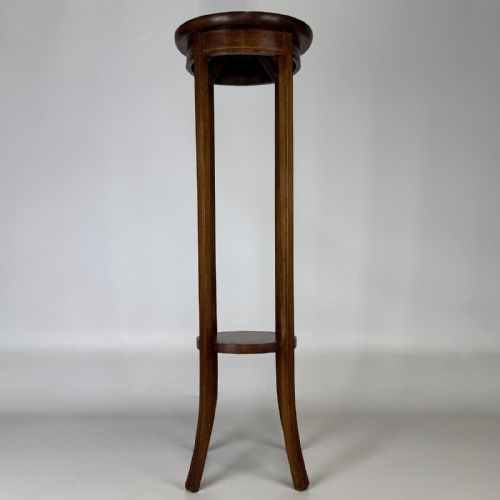
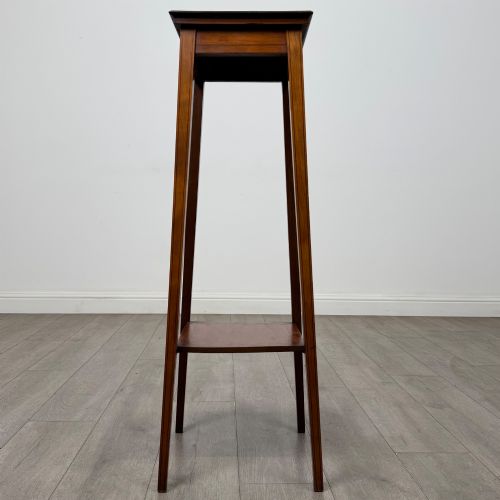
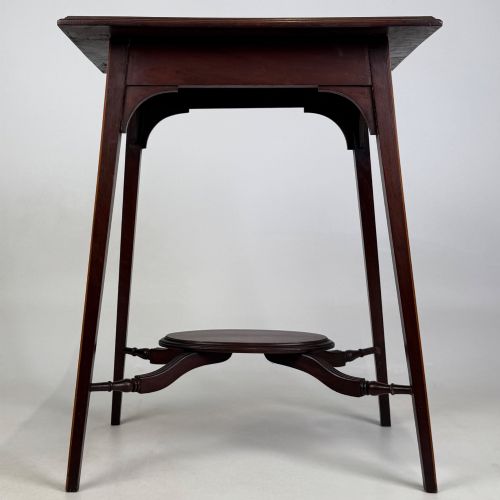
Vintage display urns and their accompanying pedestals encompass tall stands, columns, torchères, and decorative vessels designed primarily to elevate botanical arrangements or sculptural pieces. The selection spans the nineteenth century through the Edwardian era and into the Art Deco period, drawing on Victorian, Georgian, and Oriental design traditions.
Buyers frequently encounter tall plant stands, carved mahogany torchères, and marble-topped pedestals alongside ceramic and glass vases originating from English, French, and Asian workshops. These pieces range from slender hardwood columns to robust majolica urns with covers.
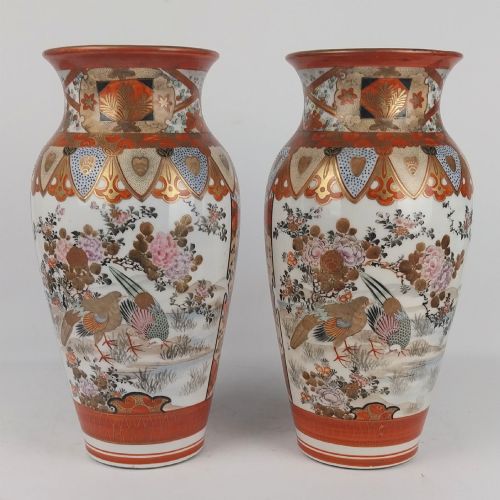
The assortment reflects diverse stylistic influences, including Chinese export pieces, Japanese Imari and Satsuma ceramics, and intricate European marquetry work. Such variety allows these stands and vessels to anchor both traditional rooms and more eclectic contemporary spaces.
Materials and Construction
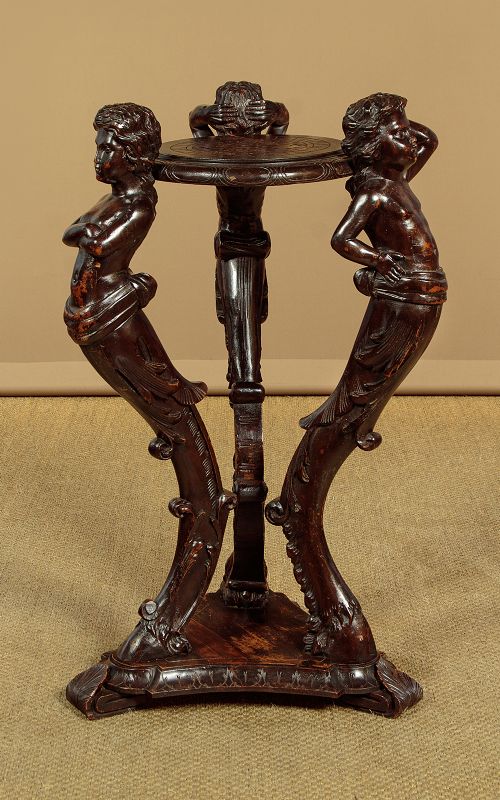
Cabinetmakers and potters utilised a rich palette of traditional materials, combining dense timbers such as mahogany, walnut, rosewood, and satinwood with inset panels of rouge marble. Joinery techniques varied from hand-carved barley twist legs to delicate fruitwood inlay and mother of pearl detailing.
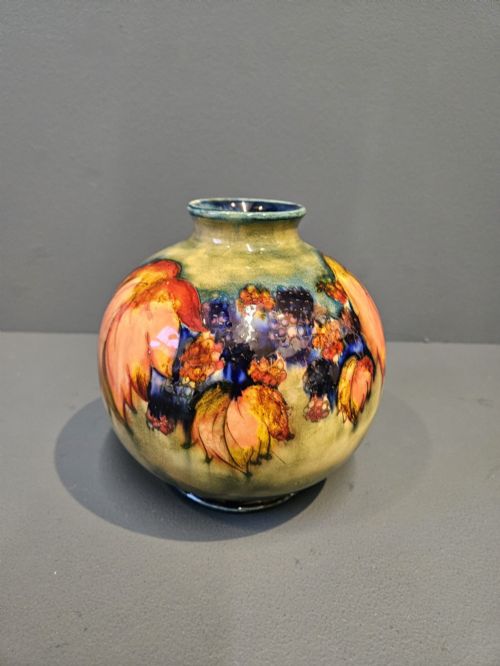
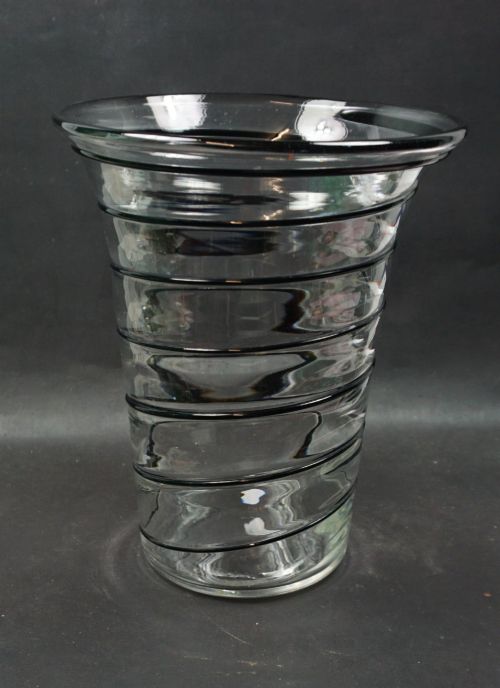
Ceramic and glass pieces demonstrate specialised production methods, including hand-enamelling, flambé glazing, and black cane glass decoration. Brass and earthenware also appear frequently, shaped into sturdy jardinere stands and classical urns.
Vintage Display Urns Retail Price Guide 2026
Typical asking prices for vintage display urns among the pieces listed under this phrase on Sellingantiques today, from the lower quarter to the upper quarter. They describe what is for sale here now, not the wider market.
Listings feature numerous nineteenth-century mahogany torchères and Edwardian inlaid plant stands incorporating natural marble tops.
Quality and Craftsmanship
The distinction between standard utility items and finer examples rests upon the depth of hand-carving, the precision of wood inlay, and the integrity of inset marble tops. Superior pieces exhibit crisp architectural mouldings and harmonious proportions.
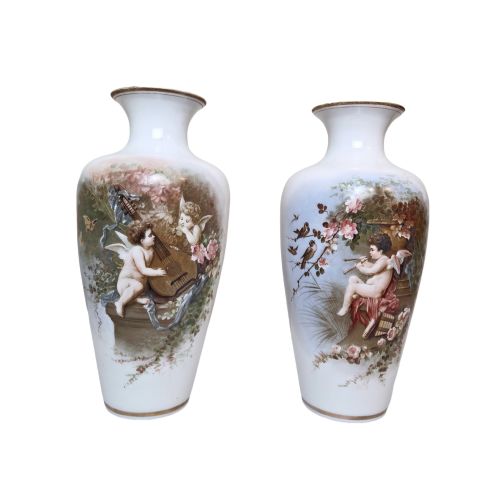
Ceramic and glass vessels display quality through the complexity of their glazes, the crispness of hand-painted figural processions, and the weight of the crystal. Finer stands demonstrate robust structural joinery that supports heavy stone and ceramic tops without wobble.
Moorcroft·Shoolbred·Minton
The Vintage Display Urns Glossary
- Torchère
- A tall, slender stand or pedestal designed to hold a light, plant, or decorative urn. These pieces often feature carved columns and circular tops.
- Jardiniere
- An ornamental pot or stand intended for holding plants or flowers. They are frequently fashioned from ceramic, brass, or carved wood with marble inserts.
- Imari
- A style of Japanese porcelain decorated in underglaze blue and overglaze red, gold, and other colours. This ware gained immense popularity in European interiors during the nineteenth century.
- Marquetry
- The art and craft of applying pieces of veneer to a structure to form decorative patterns and pictures. It appears on the tabletops and columns of many Edwardian pieces.
- Flambé
- A rich, variegated glaze achieved through kiln reduction effects during firing. This technique produces deep, mottled colour transitions on studio pottery and vases.
Vintage Display Urns: Frequently Asked Questions
What were vintage display urns used for?
These tall stands and vessels served to elevate plants, sculptures, and floral arrangements above floor level, drawing the eye upward and creating focal points within grand reception rooms.
In period interiors, they functioned as functional display furniture in hallways and drawing rooms, often matching the surrounding architectural woodwork or decorative arts.
How do I style a pedestal in a modern room?
Place a slender mahogany or marble-topped column in an empty corner to add vertical interest and break up flat expanses of wall. Top the stand with a single statement ceramic vase or a trailing houseplant.
Ensure the scale of the stand complements the surrounding furniture, allowing enough clearance for foot traffic around the base.
How can I tell a Victorian stand from an Edwardian one?
Victorian pieces tend to feature darker, heavier timbers like solid mahogany or walnut, often with deep hand-carved details, twist legs, and robust proportions.
Edwardian examples frequently employ lighter satinwood, delicate fruitwood inlay, and airier silhouettes that reflect a shift toward brighter, less cluttered interior spaces.
Are marble-top stands heavy?
Marble inserts add substantial weight to the top of plant stands and columns, which helps stabilise the tall furniture against tipping.
When moving these pieces, lift them from the wooden frame rather than the marble slab to prevent shifting or damage to the underlying joinery.