

Vintage Display Tiers
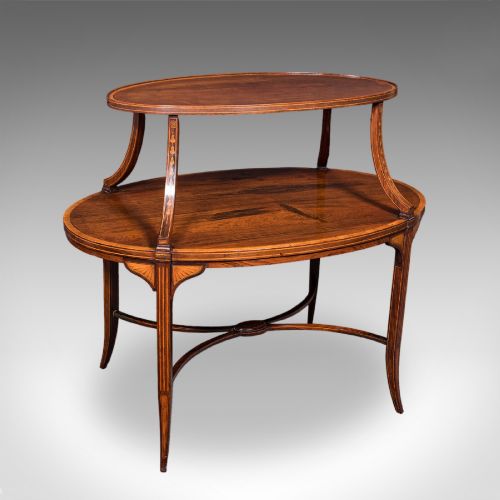
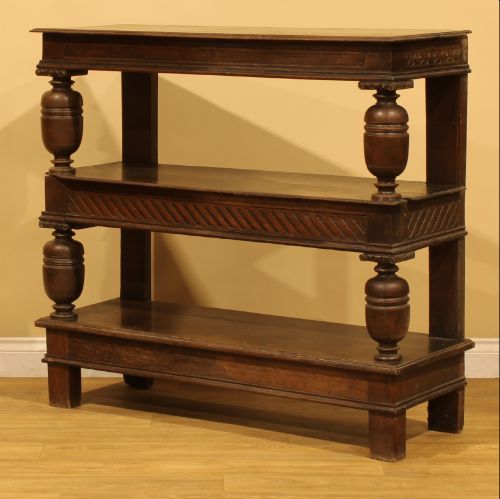
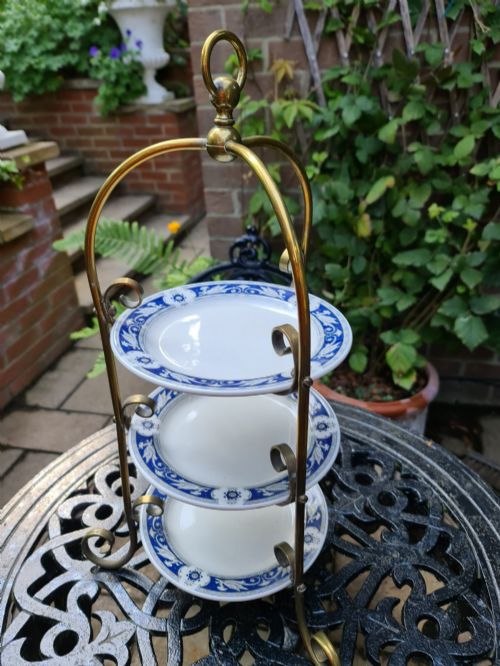
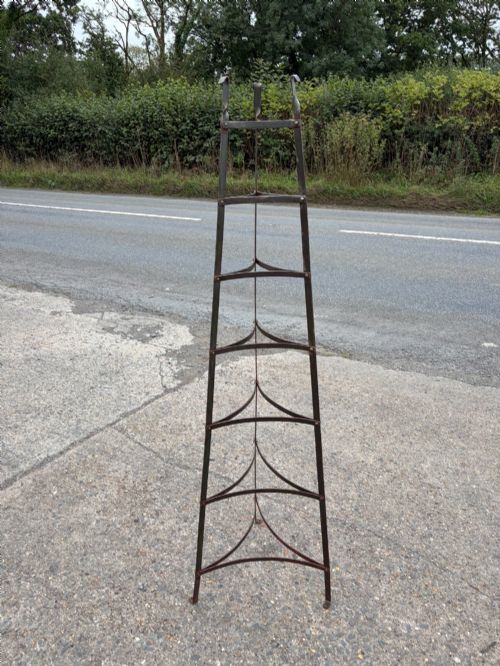
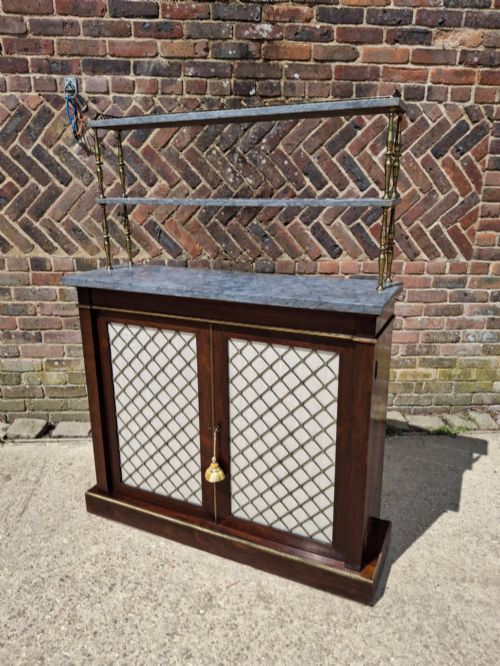
Vintage display tiers provide structured elevation for collections, taking the form of multi-level étagères, whatnots and stacking bookcases built to showcase objects.
Vintage Display Tiers
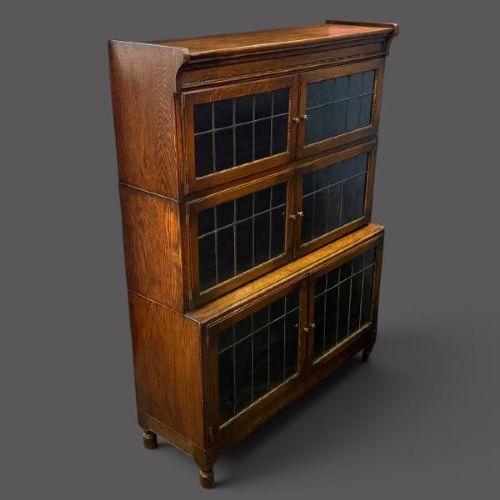
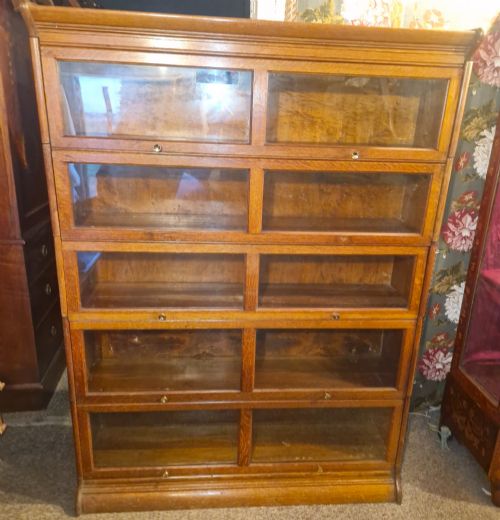
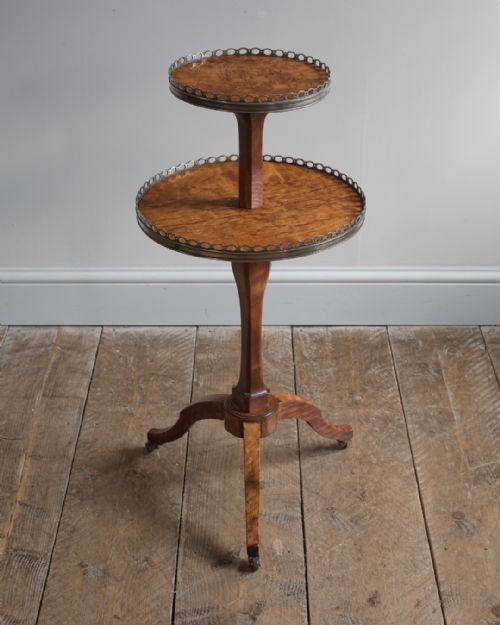
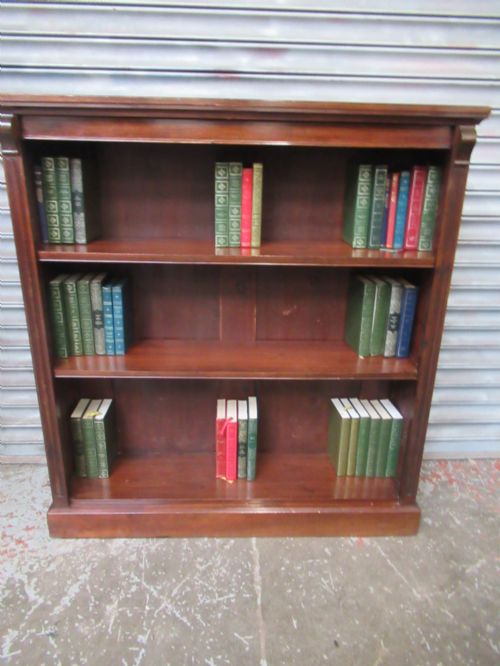
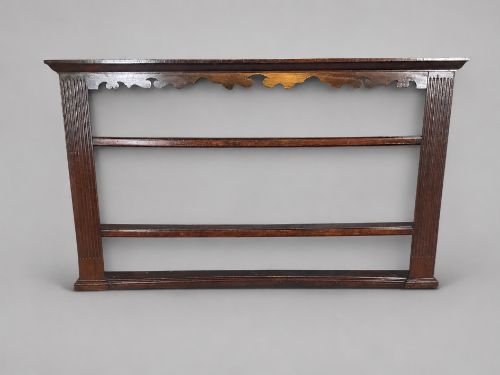
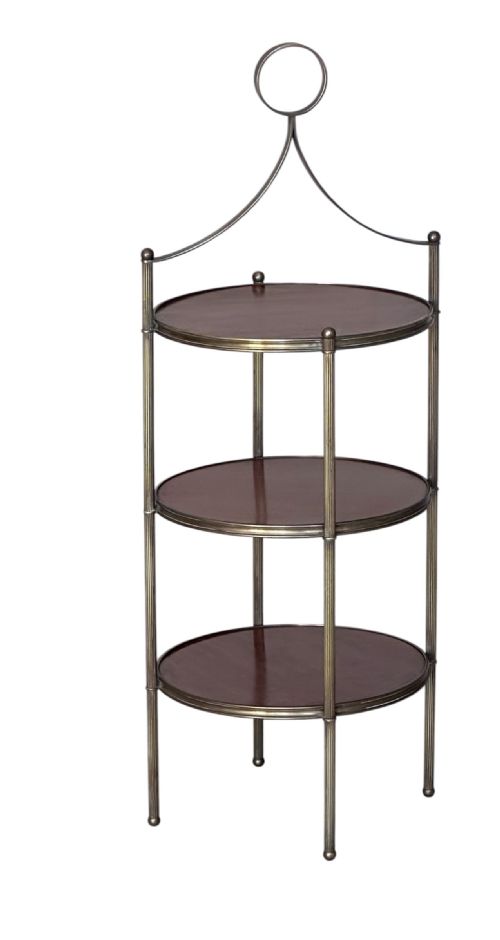
Vintage display tiers encompass multi-level wooden and glazed structures designed to hold books, plants and decorative objects across stacked horizontal surfaces. When you search for vintage display tiers, you encounter tiered whatnots, sectional bookcases and corner etagères spanning the nineteenth and twentieth centuries.
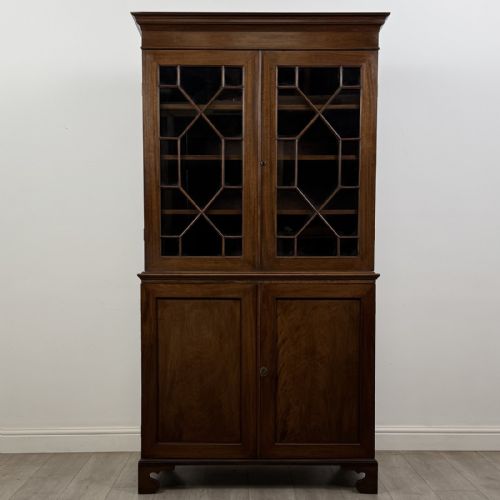
The selection ranges from tall mahogany barristers' units with glazed panels to compact oak cake stands and walnut corner cabinets featuring pierced fretwork. Pieces originate from various periods including Victorian, Edwardian and Regency eras, alongside early twentieth-century workshop productions.
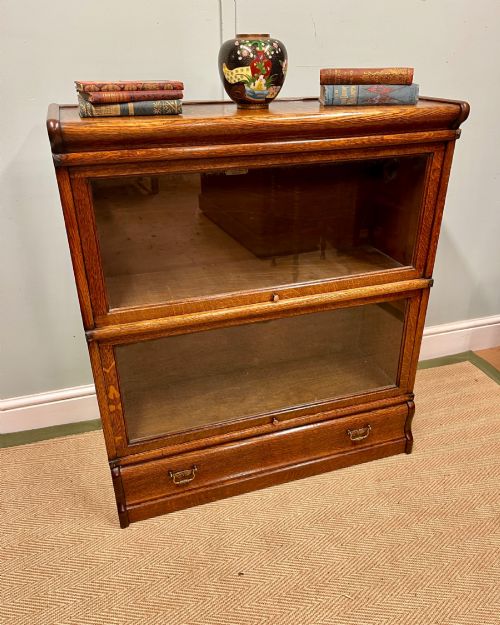
Open shelving forms and tiered plant stands dominate the simpler domestic applications, whilst sectional bookcases provide modular vertical storage with glass protection. Each variant serves a distinct functional requirement while adding stepped architectural presence to an interior space.
How they were made
Cabinetmakers constructed these tiered pieces predominantly from solid hardwoods and veneers such as mahogany, oak, walnut and pine, often incorporating brass hardware and glazed doors. Joinery methods relied on sturdy framing, dovetail joints for drawers and precise turning for barley twist supports or slender corner pillars.
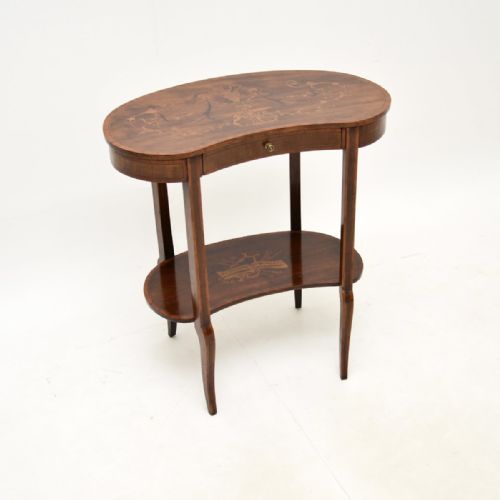
Surface treatments range from clear polished finishes that highlight burr walnut figures and mahogany grain to painted pine and intricate marquetry inlays. Structural division in sectional models utilises interlocking hardware, whereas wall-hanging and freestanding etagères depend on rigid corner bracing and tiered shelf supports.
Vintage Display Tiers Retail Price Guide 2026
Typical asking prices for vintage display tiers among the pieces listed under this phrase on Sellingantiques today, from the lower quarter to the upper quarter. They describe what is for sale here now, not the wider market.
Some nineteenth-century whatnots feature such slender corner pillars that owners must resist the temptation to treat them as stepladders.
What varies in quality
Quality differences emerge in the selection of primary timbers and the precision of decorative details, such as inlaid veneers, pierced fretwork and brass fittings. Finer examples display harmonious grain matching across tiered shelves and sophisticated turning on structural supports rather than plain utility framing.
The integrity of mechanical components, including sliding glass doors, sectional stacking mechanisms and hinged cabinet hardware, separates standard workshop output from exceptional maker-attributed pieces. Superior construction ensures that multi-tiered frameworks maintain rigid stability under load without sagging across the spans.
Clark Anchor·Gunn·Minty of Oxford·Lebus·Globe Wernicke
The Vintage Display Tiers Glossary
- Étagère
- A piece of furniture consisting of a set of open shelves for displaying small ornaments. These tiered stands gained popularity in the nineteenth century for drawing rooms.
- Whatnot
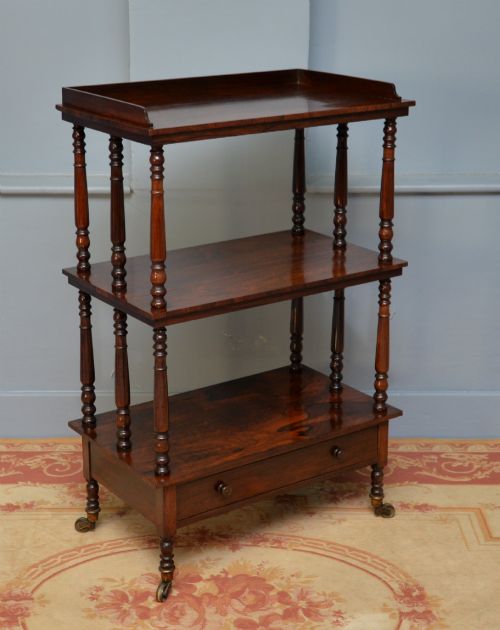
- An open multi-shelved piece of furniture used for displaying ornaments or holding books. They typically feature three or more tiers supported by slender uprights.
- Barrister bookcase
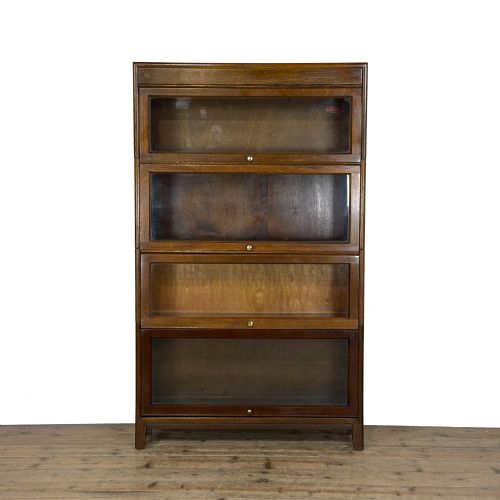
- A glazed sectional bookcase designed with multiple stacked tiers that lift and slide inward. This modular form protects books behind individual glass doors.
- Marquetry
- Decorative veneer work where pieces of wood, metal or shell are fitted into a backing to form geometric or floral patterns. It frequently enhances the surfaces of eighteenth and nineteenth-century cabinets.
- Barley twist
- A type of turning shaped like a spiral rope, commonly found on the vertical supports of Victorian stands and bookcases. This decorative woodworking technique adds visual rhythm to furniture legs and columns.
Vintage Display Tiers: Frequently Asked Questions
What is an etagere?
An etagere is a freestanding multi-tiered shelving unit designed specifically to display ornaments, porcelain and small decorative objects in principal rooms.
Unlike standard bookcases intended strictly for heavy volumes, these open tiered structures prioritize visual lightness and decorative display.
How do sectional bookcases work?
Sectional bookcases consist of independent modular tiers stacked vertically, often featuring upward-lifting glass doors that slide back into the cabinet frame.
This modular construction allows individual sections to be separated or added to as library collections expand over time.
Where were whatnots used?
Whatnots served as versatile display furniture in Victorian and Edwardian drawing rooms, parlours and bedrooms for holding books and decorative items.
Their compact footprints allowed them to fit neatly into corners or against walls without dominating the floor space.
How do I identify a Victorian whatnot?
Victorian whatnots typically feature turned upright supports, frequently utilising barley twist columns, combined with pierced fretwork galleries or multiple graduated wooden tiers.
Dark hardwoods like mahogany and walnut dominate these pieces, reflecting the heavier decorative tastes of the nineteenth century.