




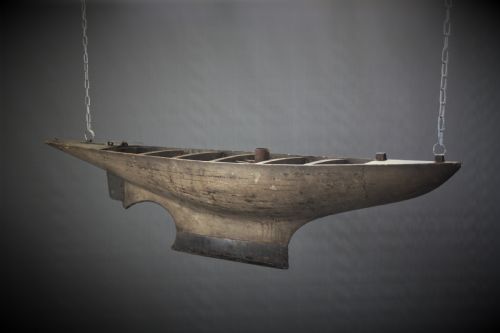
Vintage Display Object
These vintage display objects bring cabinets of curiosities and old shop interiors straight into your home.
Vintage Display Object
A vintage display object is a piece collected to catch the eye and spark curiosity, ranging from scientific instruments and teaching aids to theatrical props and folk art dioramas. When you search for a vintage display object, you encounter items shaped by utilitarian trades, maritime history, and natural history studies.
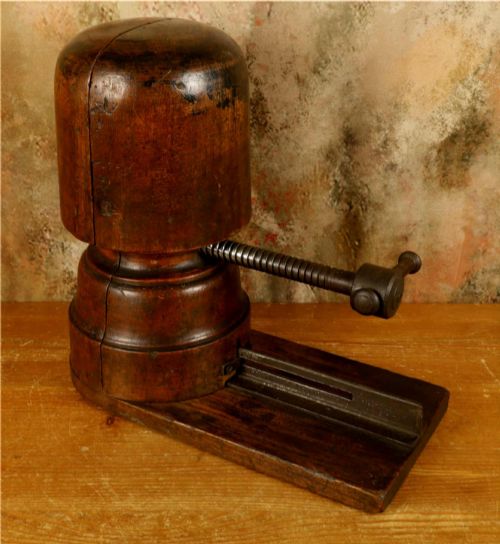
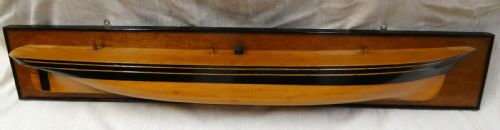
The selections span eras from the late nineteenth century through to the interwar decades, taking forms such as wooden hat stretchers, botanical models, and model boats. French industrial pieces, Victorian Gothic curiosities, and English folk art shell dioramas populate the current range.
These items originate from diverse practical contexts, whether a French milliner's workshop, an Italian theatre, or a natural history classroom. They survive as decorative pieces because their original purposes left them with distinct forms and patinas.
Materials and construction
Wood, steel, iron, and brass provide the structural foundation for these pieces, often combined with painted finishes and velvet linings. Natural materials such as seeds, shells, and wood appear across botanical models, dioramas, and model boats.
Makers shaped these objects using traditional carpentry, metalworking, and hand-painting techniques appropriate to each trade or scientific discipline. Hat stretchers utilise turned wood, while scientific instruments and models incorporate engraved steel, brass, and detailed painted plaster or papier-mâché.
Vintage Display Object Retail Price Guide 2026
Typical asking prices for vintage display object among the pieces listed under this phrase on Sellingantiques today, from the lower quarter to the upper quarter. They describe what is for sale here now, not the wider market.
The listings span from the Victorian period and the 1880s through the Edwardian era to the 1930s.
Assessing quality
Quality rests in the integrity of the materials, the crispness of the hand-finishing, and the preservation of original patinas across wood, metal, and painted surfaces. Industrial items and scientific instruments show superior quality through precise engraving and robust construction.
The depth of detail in folk art dioramas and botanical teaching aids separates standard examples from finer works. Original operational components, such as working mechanisms on scientific apparatus or well-preserved rigging on model ships, elevate a piece.
G. Adam of Paris
The Vintage Display Object Glossary
- Treen
- Small domestic wooden objects made by turning or carving. This term describes functional items that have survived as decorative pieces.
- Galvanometer
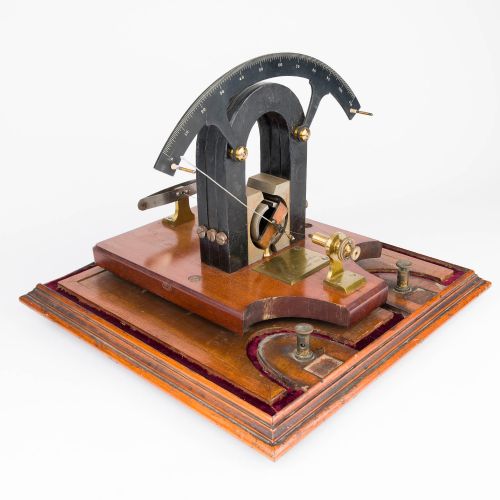
- An instrument used for detecting and measuring small electric currents. These scientific apparatuses were utilised in laboratories and workshops during the nineteenth century.
- Diorama
- A three-dimensional scene built within a shallow case or frame. Folk art examples often incorporate shells and dried materials.
- Coco de mer
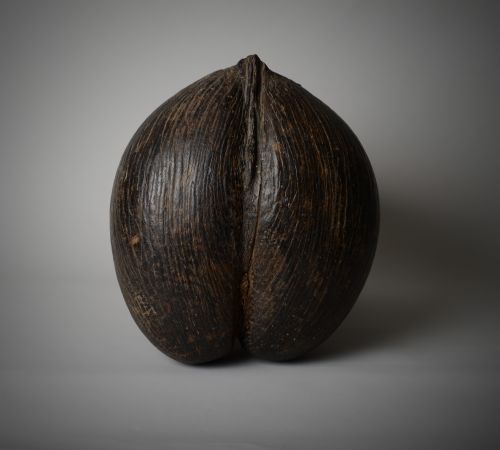
- A large double coconut seed pod from the Seychelles. These botanical specimens were collected as natural curiosities.
Vintage Display Object: Frequently Asked Questions
What is a vintage display object?
A vintage display object is a repurposed item from science, trade, or folk art that serves a purely decorative function today.
These pieces range from scientific instruments and theatre props to model boats and botanical teaching aids.
How were scientific models used?
Botanical and mushroom models were utilised in classrooms and lecture halls to teach botany and agriculture before modern photography.
They allowed students to examine magnified plant structures and fungi in three dimensions.
How do I style a curiosity?
Curiosities suit placement on bookshelves, mantelpieces, or inside glazed cabinets where their details can be closely observed.
Pairing wooden models with metal instruments creates a balanced display of contrasting textures.
How are periods identified?
Periods are identified through materials, manufacturing methods, and stylistic cues linked to the nineteenth and early twentieth centuries.
Victorian and Edwardian pieces often display hand-turned wood and engraved brass, while interwar items show simpler industrial lines.