





Vintage Display Jar
These vintage display jars encompass glass domes, apothecary vessels and decorative containers designed to showcase and protect prized objects.
Vintage Display Jar
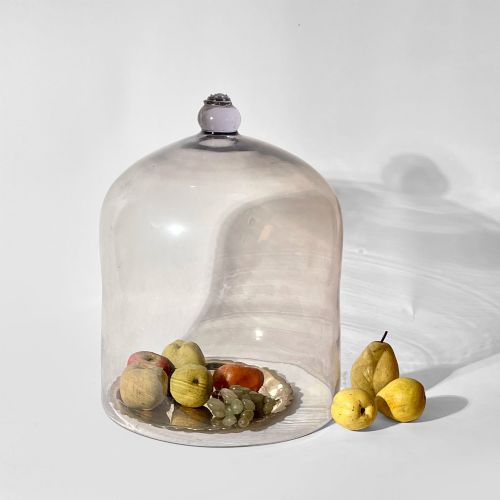
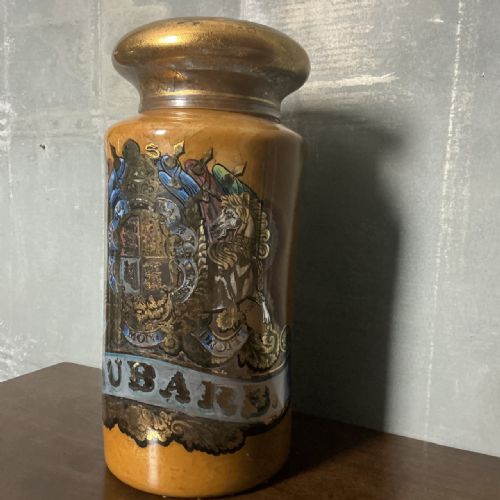
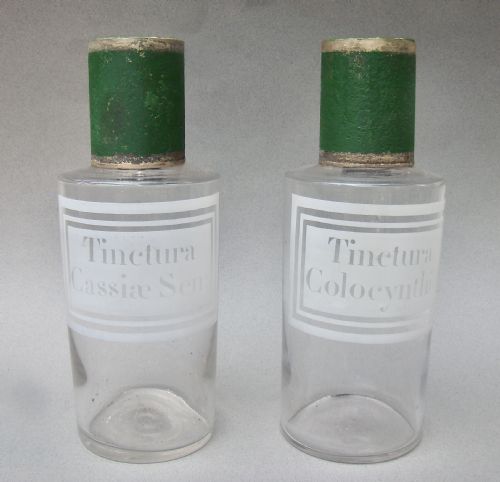
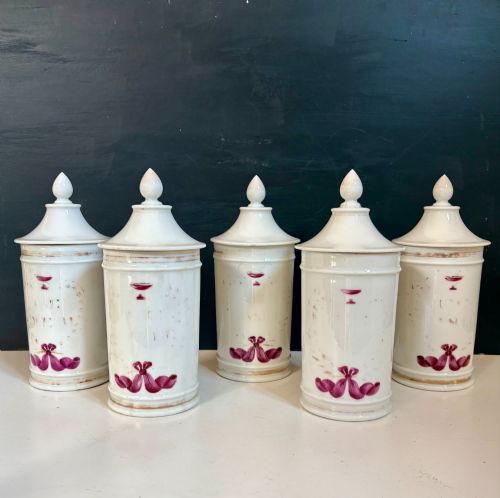
A vintage display jar encompasses a wide assortment of vessels, primarily taking the form of apothecary jars, glass display domes and cloches, alongside decorative vases and tea canisters. The pieces span the Victorian and Edwardian eras up to the mid-twentieth century, originating from English, French, Chinese and Japanese workshops.
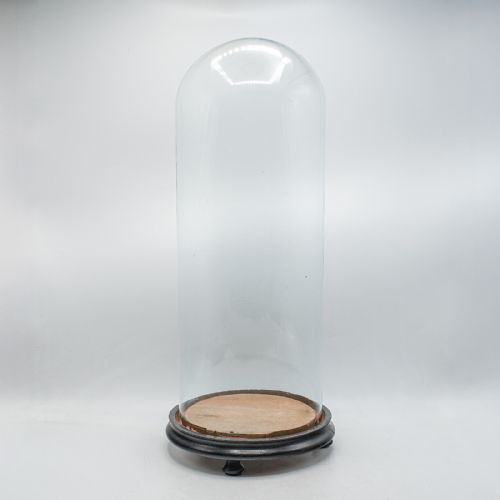
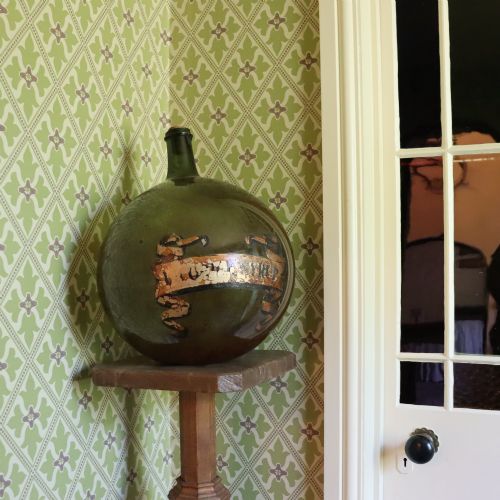
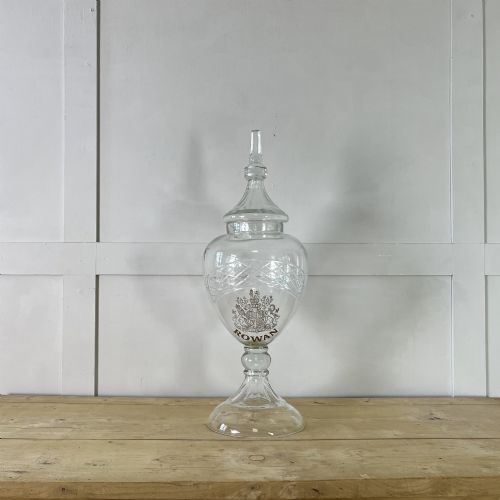
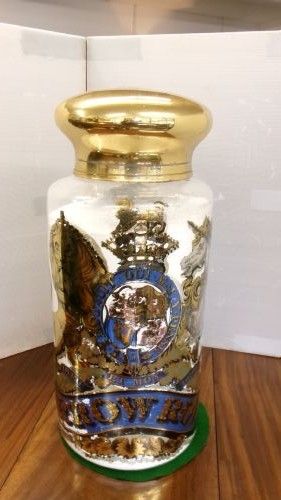
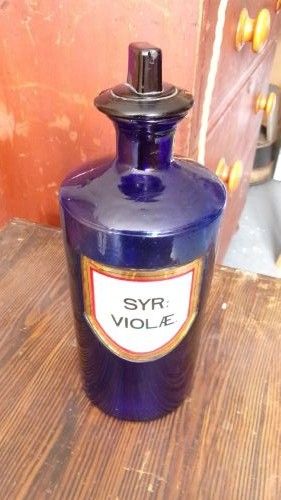
The most common iterations encountered on this page are tall glass display domes resting on wooden bases, alongside large nineteenth-century apothecary jars complete with covers. These items were originally utilised for commercial storage or for safeguarding delicate taxidermy, botanical specimens and timepieces.
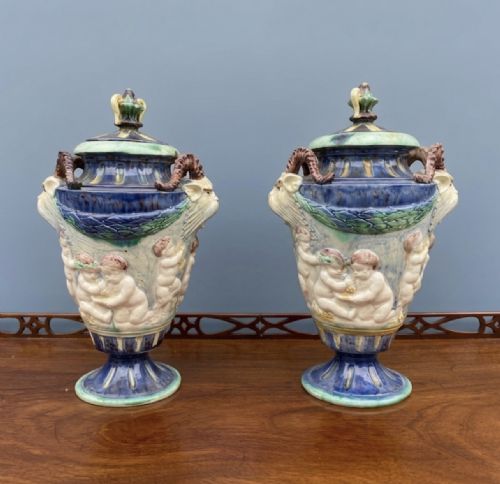
Collectors will also locate decorative majolica urns, blue chemist bottles and porcelain tea jars amongst the selection. Each variant serves a distinct decorative purpose while retaining the utility or protective function of its original period.
How they were made
The construction of these pieces relies heavily on blown or moulded glass combined with timber bases made from oak, beech, pine or ebonised wood. Apothecary vessels often feature etched lettering, enamel details or applied paper labels, whilst ceramic examples utilise glazes, gold leaf and porcelain.
Domes and cloches were blown by hand, resulting in subtle surface variations and bubbles within the glass, then fitted to turned wooden plinths. Ceramic jars and vases from European and Asian kilns employ traditional throwing, moulding and firing techniques, occasionally decorated with hand-painted motifs or cloisonne work.
Vintage Display Jar Retail Price Guide 2026
Typical asking prices for vintage display jar among the pieces listed under this phrase on Sellingantiques today, from the lower quarter to the upper quarter. They describe what is for sale here now, not the wider market.
Listings span the Victorian and Edwardian periods, featuring materials such as glass, porcelain, gold leaf, ebonised wood and enamel.
What varies in quality
Quality in these pieces is dictated by the clarity and weight of the glass, the precision of the turned wooden base, and the intricacy of any surface decoration or etching. Heavy, thick-walled apothecary jars and clear, unblemished display domes sit at the upper end of the scale.
The presence of original matching covers, stoppers or intact paper labels elevates a piece significantly. Furthermore, superior craftsmanship is evident in finely detailed ceramic glazes and the uncompromised integrity of delicate glass structures.
Tokyo Taizan·Royal Worcester
The Vintage Display Jar Glossary
- Carboy
- A large glass bottle or jar, traditionally used in laboratories or chemists to hold liquids. They frequently feature heavy blown glass construction and distinctive stoppers.
- Cloche
- A bell-shaped glass cover used to protect delicate items, specimens or food from dust. They sit directly on a flat surface or a fitted base.
- Taxidermy Dome
- A glass cover mounted on a wooden base designed specifically to enclose and preserve stuffed birds, animals or botanical specimens. These often include internal mounting pedestals.
- Apothecary Jar
- A vessel utilised by chemists and pharmacists to store dry ingredients, herbs or medicines. They typically bear identifying labels or etched titles and matching lids.
- Majolica
- A type of earthenware glazed with opaque tin enamel and brightly coloured painted designs. It gained popularity during the nineteenth century for decorative urns and vases.
Vintage Display Jar: Frequently Asked Questions
What were vintage display jars used for?
These jars and domes served both practical and decorative functions across homes, shops and laboratories. Chemists utilised large vessels to store dry goods and liquids, whilst domestic settings employed glass domes to protect delicate ornaments, clocks and taxidermy.
Over time, their role shifted entirely to interior display. Collectors now use them to highlight curiosities, minerals and botanical specimens while keeping them free from dust.
How do I date a glass display dome?
Dating a dome involves examining the characteristics of the glass and the construction of the wooden base. Earlier nineteenth-century examples often exhibit slight waviness, bubbles and pontil marks from hand-blowing.
Edwardian and later iterations tend to feature more uniform machine-drawn glass and simpler turned wood plinths made from pine, oak or ebonised timber.
Can I remove the glass dome from its base?
Most glass domes lift away from their wooden bases quite freely, though some were historically secured with sealing wax or cord for airtight preservation. Care must be taken when lifting heavy glass to avoid chipping the lower rim against the wood.
If the dome feels fixed, check the groove in the base for old adhesives before applying upward pressure.
How do I clean an antique glass jar?
Antique glass requires gentle cleaning with warm water and a mild detergent, avoiding harsh abrasives that can scratch the surface. Etched designs and painted labels demand particular caution to prevent fading or removal.
Wooden bases should be dusted with a dry cloth and treated sparingly with appropriate furniture wax if the timber appears dry.