



Vintage Dinner Plates
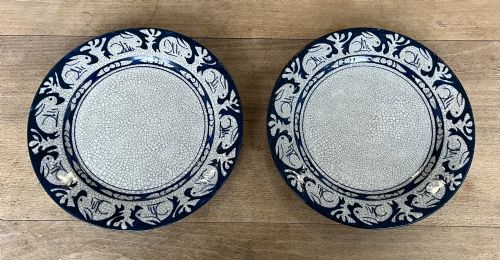
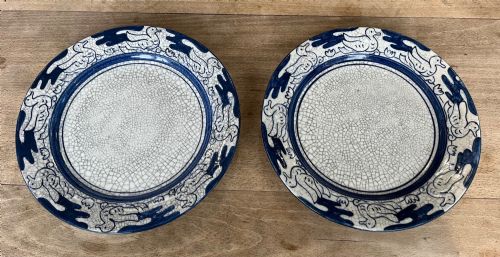
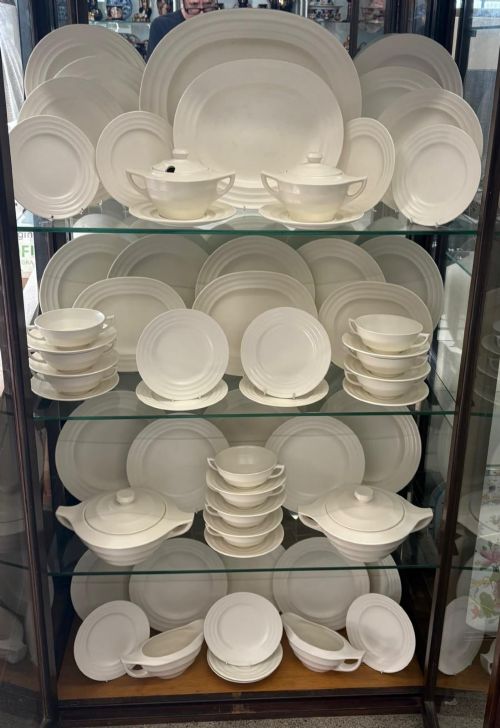
These vintage dinner plates span the eighteenth to the twentieth centuries, offering durable earthenware, fine porcelain and transfer-printed ironstone for everyday dining or display.
Vintage Dinner Plates
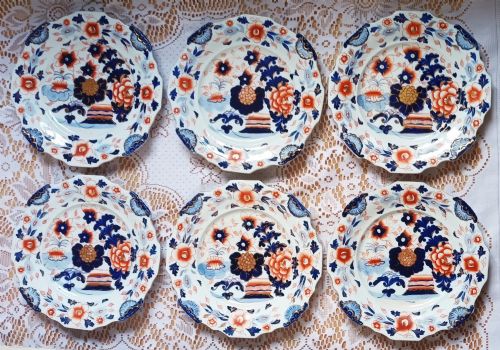
When buyers search for vintage dinner plates, they encounter a range spanning eighteenth-century porcelain to twentieth-century earthenware services. The nineteenth century yields significant examples, including ironstone china plates and transfer-printed patterns.
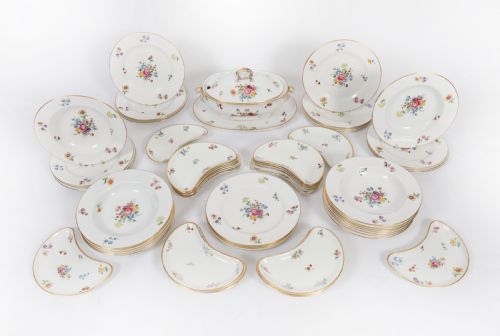
Sets vary from small groupings of four or five pieces to larger dinner services. Makers such as Wedgwood, Spode, Copeland, Booths, Doulton and Coalport represent the dominant output found across these periods.
Materials and methods
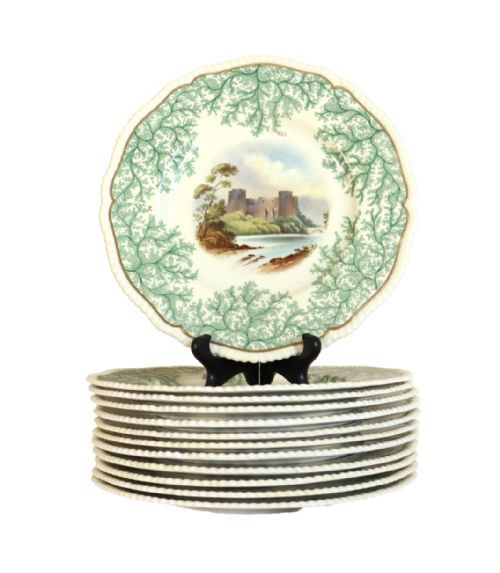
Potters utilised materials such as earthenware, ironstone and porcelain, often applying intricate hand-painted motifs or transfer-printed borders in blue and polychrome enamel. Gilt accents and coloured glazes finish many of the surfaces.
Firing techniques varied by period, with eighteenth-century soft-paste and hard-paste porcelains giving way to robust nineteenth-century ironstone and twentieth-century earthenware bodies designed for resilience.
Vintage Dinner Plates Retail Price Guide 2026
Typical asking prices for vintage dinner plates among the pieces listed under this phrase on Sellingantiques today, from the lower quarter to the upper quarter. They describe what is for sale here now, not the wider market.
Listings feature dinner plates and services spanning the 18th, 19th and 20th centuries, created in porcelain, ironstone and earthenware.
Judging quality in tableware
Quality rests upon the crispness of the transfer-printing or the precision of the hand-painted brushwork, alongside the consistency of the glaze. Earlier pieces display subtleties in paste composition and enamel depth.
The integrity of the body and the preservation of any gilt highlights or painted scenes distinguish superior services from standard production wares of the same era.
Wedgwood·Spode·Booths·Doulton·T & H Compton·Coalport
The Vintage Dinner Plates Glossary
- Ironstone china
- A patented type of durable earthenware developed in the nineteenth century to imitate Chinese porcelain. It offers high resistance to chipping and a heavy, dense body suitable for regular service.
- Porcelain
- A ceramic material made from clay containing kaolin, fired at high temperatures to achieve vitrification. It ranges from translucent soft-paste bodies to durable hard-paste compositions.
- Earthenware
- A porous ceramic body fired at lower temperatures and coated with an opaque or transparent glaze to ensure impermeability. It forms the foundation of many traditional table services.
- Enamel
- A vitreous composition fused to the ceramic surface through firing, used to introduce bright, durable colours to painted decoration. It sits slightly raised above the underlying glaze.
- Transfer printing
- A decoration technique involving the transfer of an engraved design from a copper plate to paper and then onto the ceramic surface. This method allowed for uniform, detailed patterns across large dinner services.
Vintage Dinner Plates: Frequently Asked Questions
Can antique dinner plates be used for dining?
Many sturdy ironstone and earthenware plates from the nineteenth century remain suitable for careful daily use. Glaze stability and surface wear determine whether a specific set is practical for food.
Porcelain and enamel pieces from the eighteenth century are typically reserved for display or special occasions to preserve their delicate hand-painted surfaces.
How do I date an unmarked dinner plate?
Dating relies on body composition, weight, glaze characteristics and the style of the printed or painted pattern. Transfer-printed border motifs often correspond to specific decades.
Comparing the potting style and foot rim construction with known marked examples from makers like Spode or Wedgwood helps narrow the production period.
Why do some vintage plates feature family provenance?
Complete dinner services were often commissioned or purchased by prominent households and passed down through generations. Documentation or crests link specific plates to historical estates.
Such provenance indicates that a service was valued and preserved within a family context over centuries.