

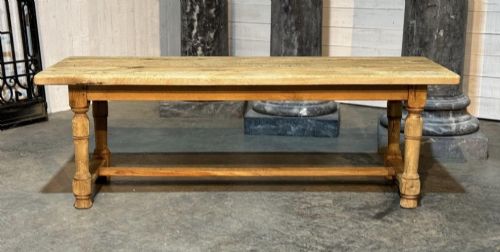
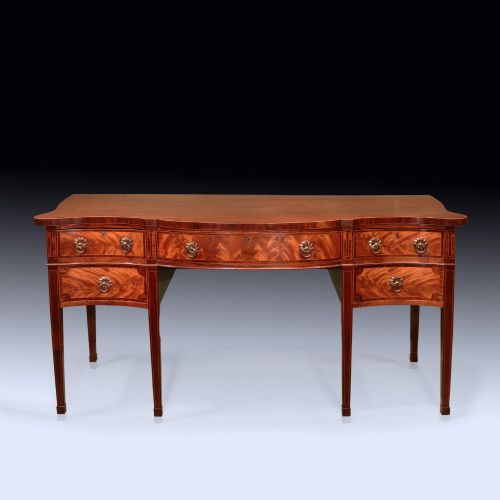
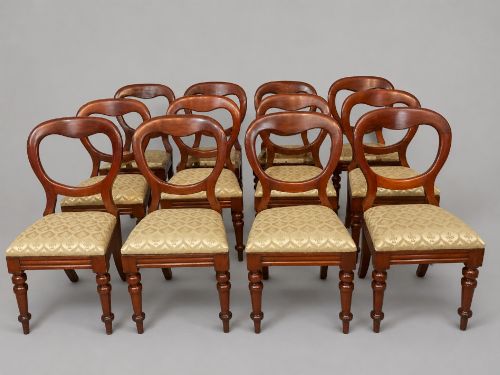
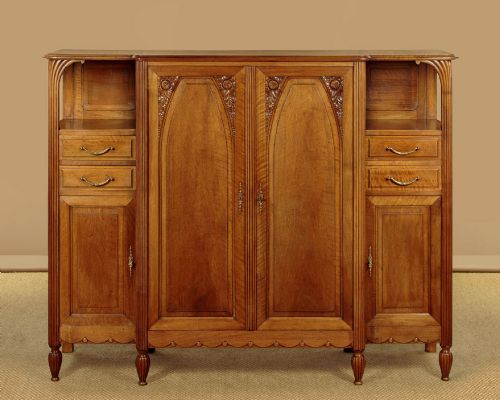
Vintage Dining Room
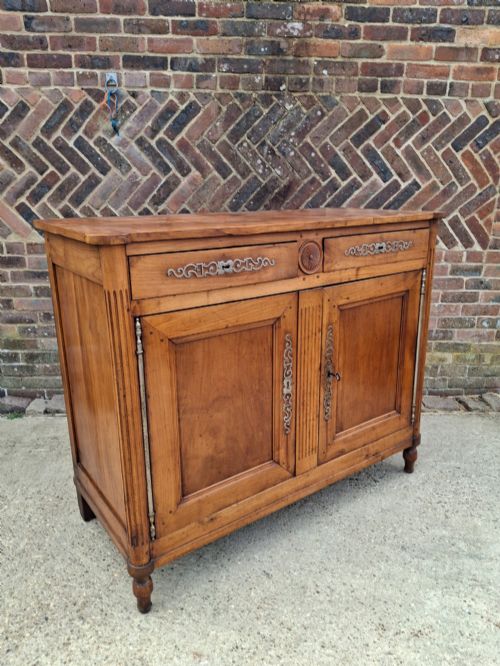
These vintage dining room pieces bring character to a home through period tables, chairs, and sideboards made from solid timbers.
Vintage Dining Room
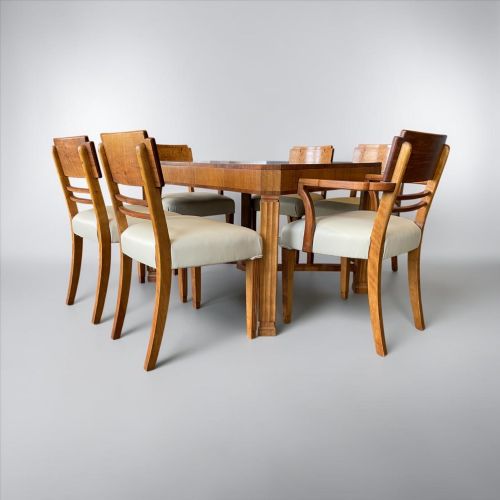
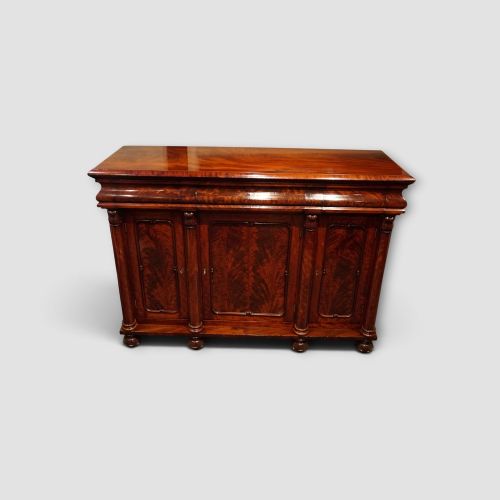
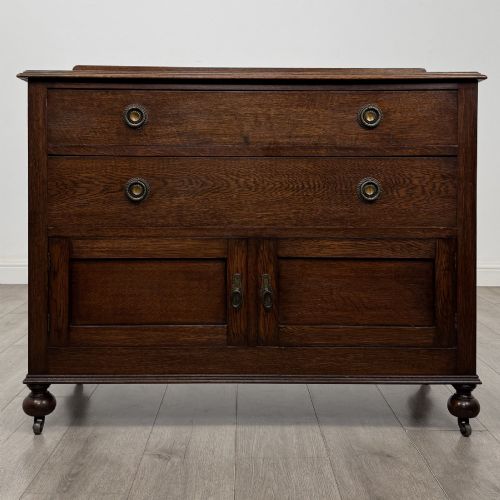
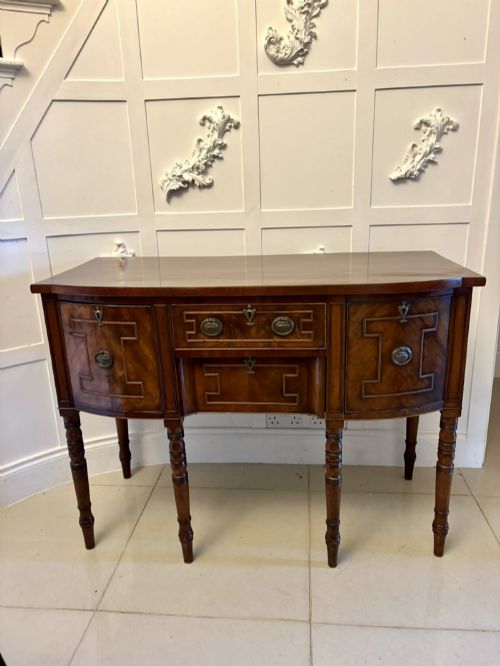
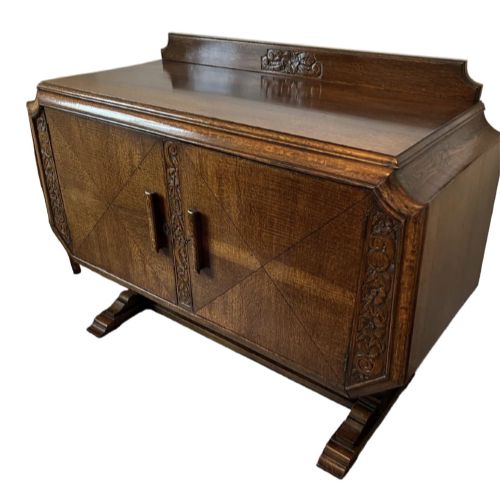
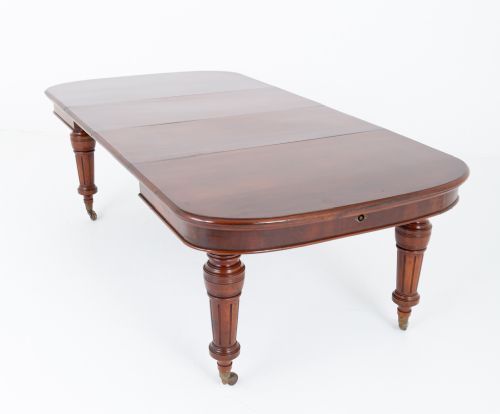
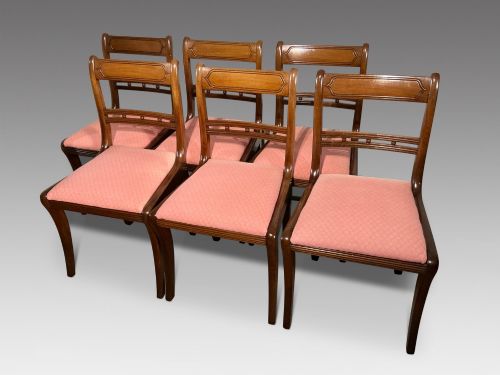
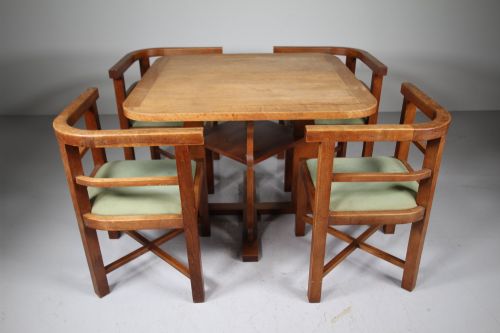
When you search for vintage dining room furnishings, you find a collection spanning the Victorian, Edwardian, and Art Deco eras. The pieces include extending dining tables, sideboards, buffets, cellarets, and matched or assembled sets of chairs.
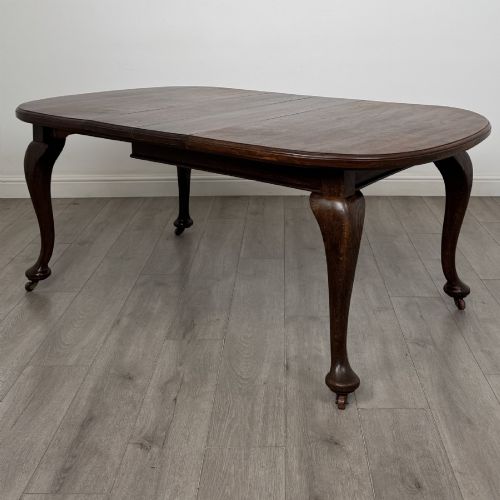
Mahogany and oak dominate the selection, appearing alongside burr walnut and maple. Tables often feature wind-out mechanisms or multiple leaves, while seating ranges from balloon-back chairs to carved oak Arts and Crafts designs.
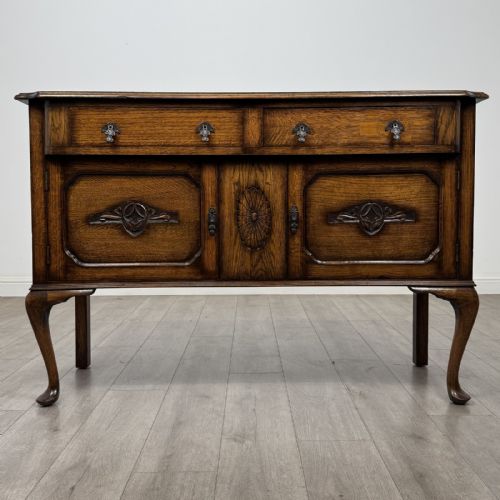
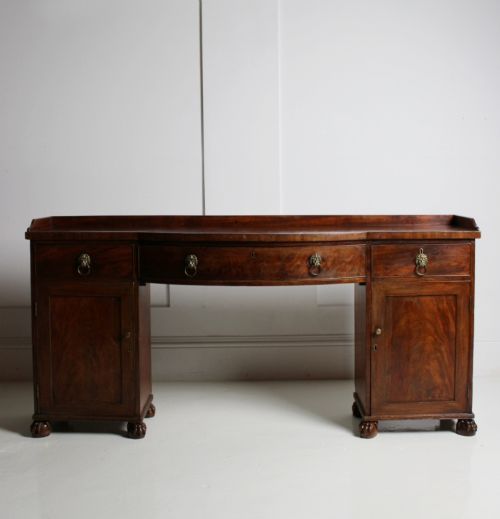
Sideboards provide storage through bow fronts, breakfronts, and three-door layouts equipped with brass ring pulls. Makers such as Heals of London and Maple and Co represent the craftsmanship found across these periods.
How they were made
Cabinet makers utilised dense hardwoods like mahogany, oak, and burr walnut to construct tables and heavy sideboards. Timber selection prioritized rich grain patterns, particularly on flame mahogany and walnut drawer fronts and tabletops.
Joinery techniques involved sturdy framing and carved details, complemented by brass hardware such as ring pulls. Seating often incorporated upholstered pads finished in velvet or various fabrics.
Vintage Dining Room Retail Price Guide 2026
Typical asking prices for vintage dining room among the pieces listed under this phrase on Sellingantiques today, from the lower quarter to the upper quarter. They describe what is for sale here now, not the wider market.
Cellarets stood ready beneath sideboards, guarding the vintage port while polite conversation flowed above.
What varies in quality
The standard of a vintage dining room setup depends upon the selection of timber and the precision of the carving. Matched sets of dining chairs demonstrate superior consistency compared to assembled groups gathered over time.
Subtle details such as claw and ball feet, pierced splats, and inlaid mahogany veneers distinguish standard utility items from exceptional cabinet maker output.
Heals of London·Maple and Co
The Vintage Dining Room Glossary
- Wind out table
- An extending dining table operated by a central mechanical screw mechanism. This allows insertion of extra leaves to lengthen the surface.
- Cellaret
- A lockable cabinet or container used to hold bottles of wine and spirits near the dining table. They frequently appear with faux marble tops or fitted interiors.
- Balloon back
- A chair back style shaped in a continuous curve resembling a balloon. This form became popular during the Victorian period.
- Dumbwaiter
- A tiered serving piece designed to hold dishes and cutlery beside the table. These items reduce the need for servant attendance during meals.
- Breakfront
- A cabinet design where the central section projects forward from the flanking outer sections. This architectural arrangement creates depth and visual rhythm on sideboards.
Vintage Dining Room: Frequently Asked Questions
How do I measure for an extending dining table?
Measure your available floor space while leaving adequate clearance around the perimeter for chairs to pull out comfortably. Consider how many leaves the table accepts so you can calculate its maximum extended length.
Account for daily use versus occasional gatherings when deciding on length. Allow approximately sixty centimetres of table edge per seated guest for comfortable dining.
How do I care for antique mahogany surfaces?
Dust timber regularly with a soft, dry cloth to prevent particulate accumulation. Apply a quality beeswax periodically to nourish the grain and maintain a natural sheen.
Keep wooden furniture away from direct heat sources and strong sunlight to prevent warping and fading. Use coasters and placemats to protect polished finishes from moisture and heat damage.
Can I mix different chair styles with a vintage table?
Mixing chair styles is a traditional approach to furnishing a dining space. Ensure the wood tones or historical eras share a common thread to maintain visual harmony.
Armchairs placed at the head of the table pair effectively with side chairs along the lengths. Unified scale and seat height matter more than strict pattern matching.
How do I distinguish Edwardian furniture from Victorian pieces?
Victorian furniture tends to feature heavier proportions, darker woods, and more elaborate carved ornamentation. Mahogany and walnut dominate this mid to late nineteenth century output.
Edwardian pieces generally exhibit lighter construction, brighter satinwood or maple accents, and Sheraton or Chippendale revivals. The aesthetic shifts toward airier rooms and simpler lines.