
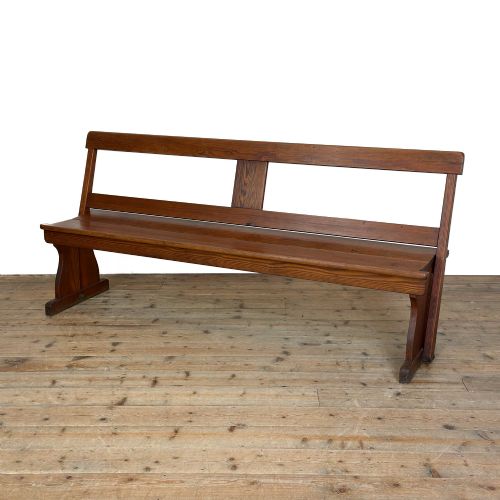
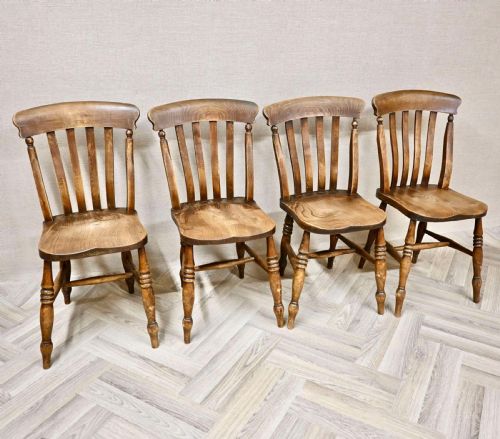
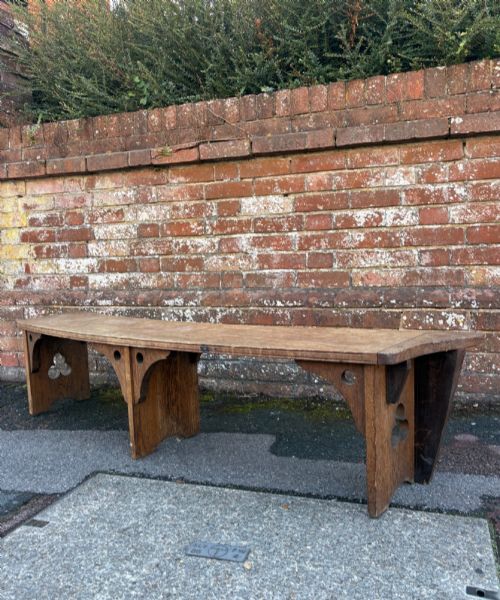
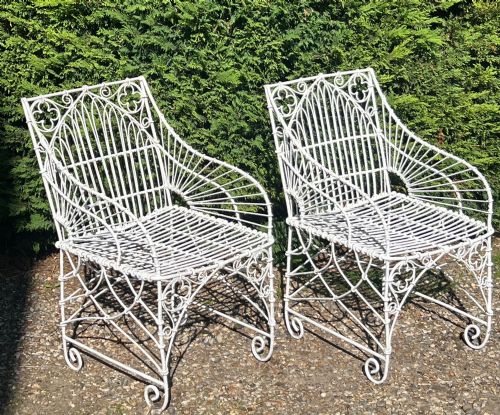
Vintage Dining Furniture
Vintage dining furniture brings together tables, chairs, and sideboards shaped by periods from Georgian design through to Art Deco.
Vintage Dining Furniture
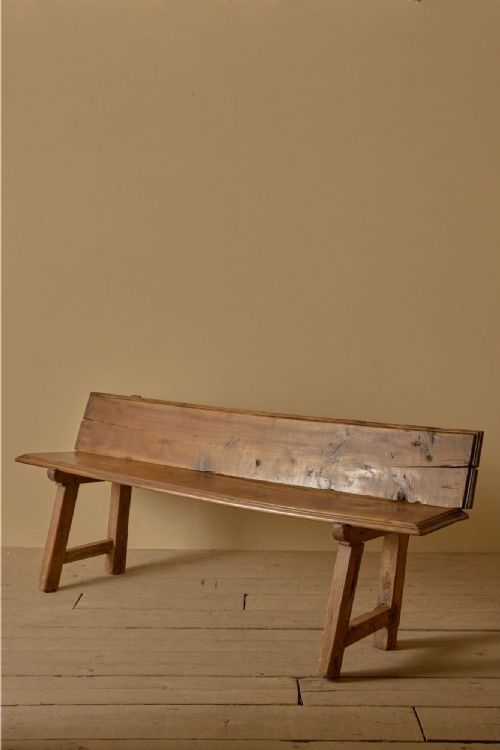
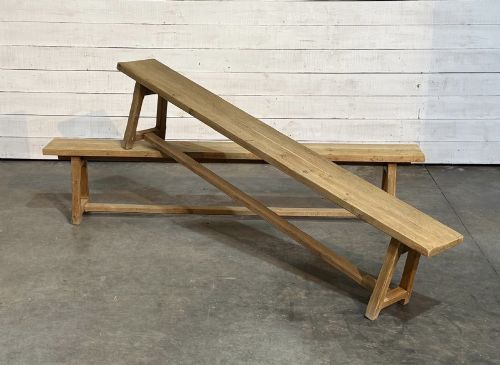
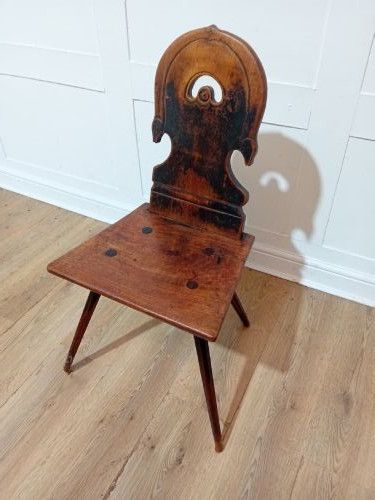
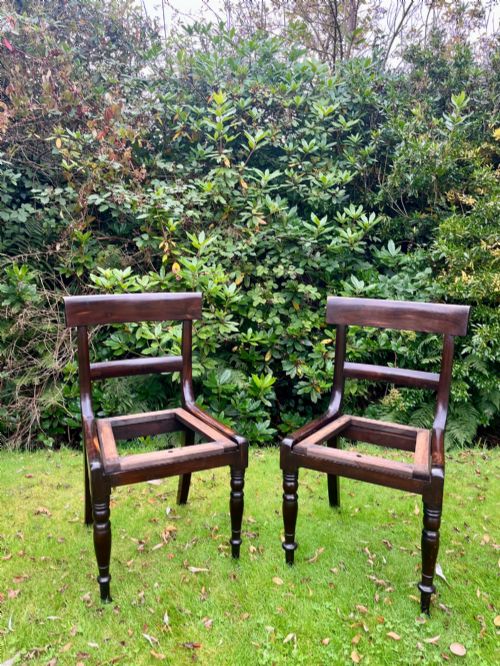
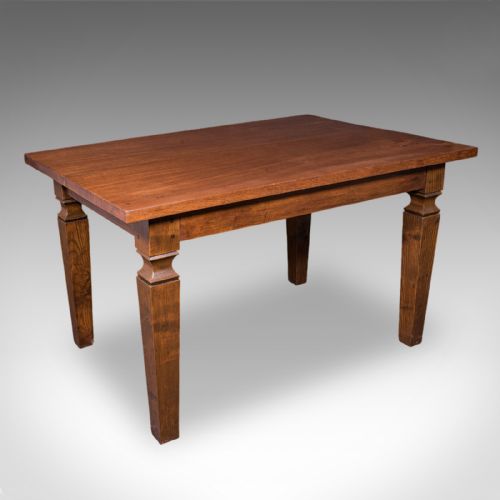
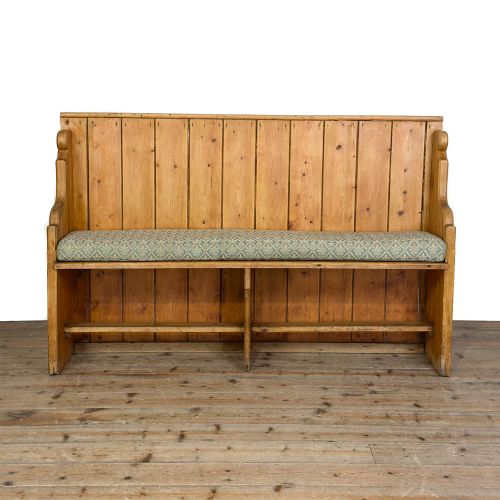
Vintage dining furniture encompasses the tables, chairs, benches, and sideboards that furnish dining spaces across various historic periods. When searching for vintage dining furniture, buyers encounter forms ranging from extending mahogany tables to oak refectory tables and sets of chairs.
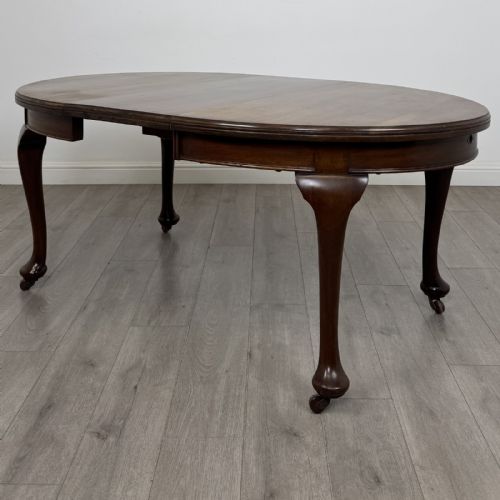
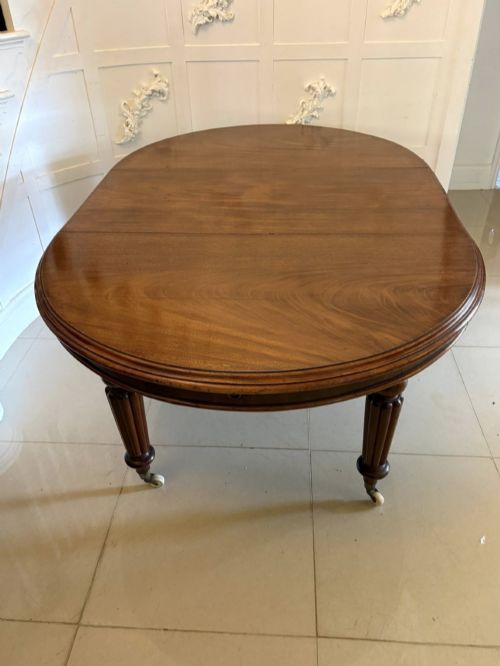
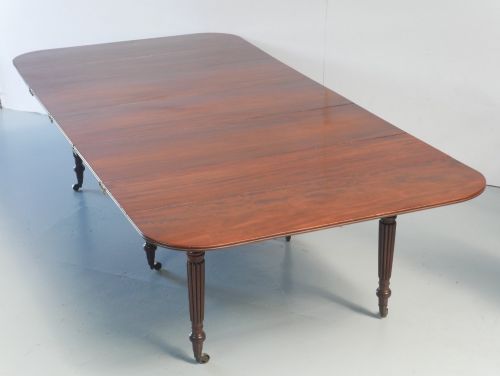
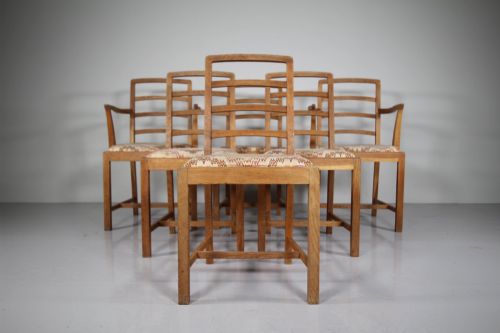
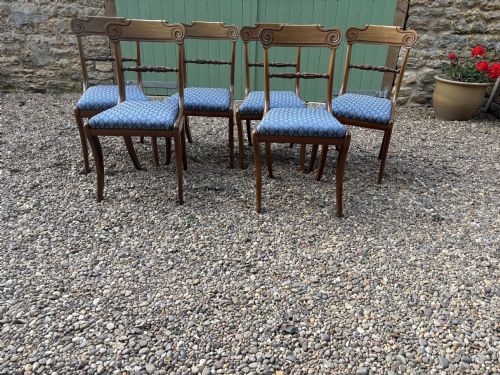
The selections span distinct historical eras, including Regency, Victorian, Edwardian, and Art Deco pieces. Dining tables often feature extension mechanisms, while seating ranges from single side chairs to matched sets of six or ten.
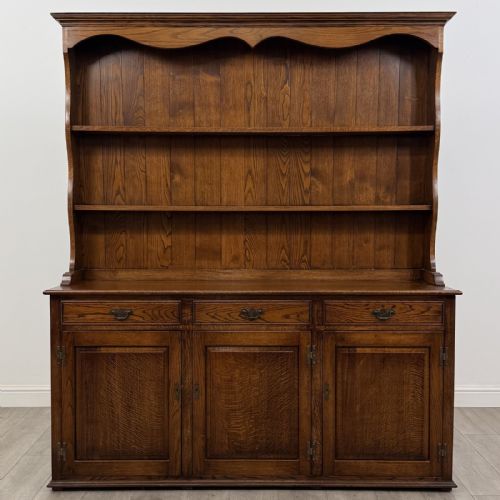
Sideboards and serving tables also form part of this category, providing storage and surface space alongside the primary dining arrangements. Materials vary from dense timbers like mahogany and walnut to lighter oak and pine.
Materials and construction methods
Makers of vintage dining furniture relied heavily on hardwoods such as mahogany, oak, walnut, and elm for structural integrity and surface appearance. Timber selection dictated how pieces aged, with figured mahogany and burr walnut chosen for formal rooms and solid oak or pine utilised for utilitarian settings.
Joinery methods involved traditional techniques like mortise and tenon joints, dovetailing in drawers, and turned supports on tables and chairs. Metal components such as brass inlays, castors, and iron framework appeared on specific Regency and garden pieces.
Surface finishes applied to these woods included polish, wax, and carved detailing such as trefoil supports and gothic motifs. Benches and chairs frequently incorporated fabric or leather upholstery alongside woven elements and solid timber seats.
Listings feature dining furniture spanning the 19th Century, Edwardian era, and 1930s Art Deco movement.
Distinctions in quality
Quality in vintage dining furniture rests on the selection of timber and the precision of the cabinetwork. Pieces built from figured veneers or solid native hardwoods display a depth of grain and stability that lesser items lack.
The integrity of construction separates standard examples from superior ones, visible in tight joints, original brass hardware, and carefully executed carved details. Complete sets of matching chairs or extendable tables with functioning original mechanisms command greater consideration than assembled groups.
Design execution also dictates standard, with professional proportions and restrained inlay work outperforming heavier, less balanced interpretations from the same periods.
Heals of London·Maurice Adams·Gomme·Maple and Co
The Vintage Dining Furniture Glossary
- Extending dining table
- A table designed with internal leaves or a wind-out mechanism to increase surface length for guests.
- Refectory table
- A long, narrow dining table traditionally supported by substantial legs connected with a central stretcher.
- Sideboard
- A long piece of furniture placed against a dining room wall for serving food and storing tableware.
- Wind out table
- An extending table operated by a handle that turns an internal screw mechanism to part the table halves.
- Klismos chair
- An ancient Greek chair design revived during the Regency and Art Deco periods, recognised by curved legs and a concave backrest.
Vintage Dining Furniture: Frequently Asked Questions
How do I identify a Regency dining table?
Regency dining tables typically display dense mahogany timbers, sometimes incorporating brass inlay or pedestal bases with lion paw feet. Their design draws on neoclassical influences from the early nineteenth century.
Many incorporate mechanism systems for extension leaves, allowing the table length to alter while maintaining stable proportions when closed.
How were Edwardian boardroom tables used?
Edwardian boardroom tables served large formal gatherings, meetings, and communal dining within substantial properties. Their generous proportions accommodated multiple seats along each side.
Built primarily from heavy oak or mahogany, these tables provide a sturdy, expansive surface suited to daily professional or domestic use.
What is the difference between an 18th century and Art Deco sideboard?
Eighteenth century and Regency sideboards rely on flame mahogany, satinwood, or inlaid veneers, often featuring curved bow-fronts and delicate brass handles. Their silhouettes reflect classical architectural proportions.
Art Deco sideboards from the 1930s utilise exotic timbers like rosewood and elm with geometric lines, stepped cabinets, and streamlined silhouettes reflecting modern design shifts.