

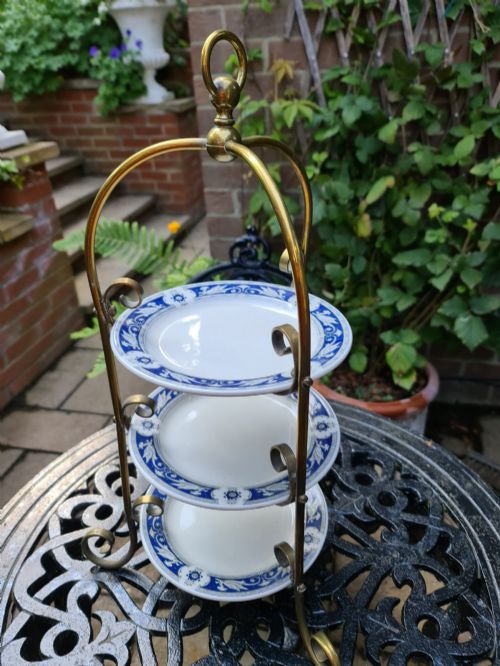
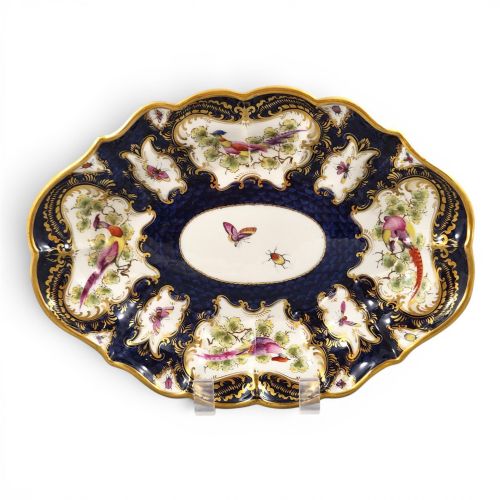
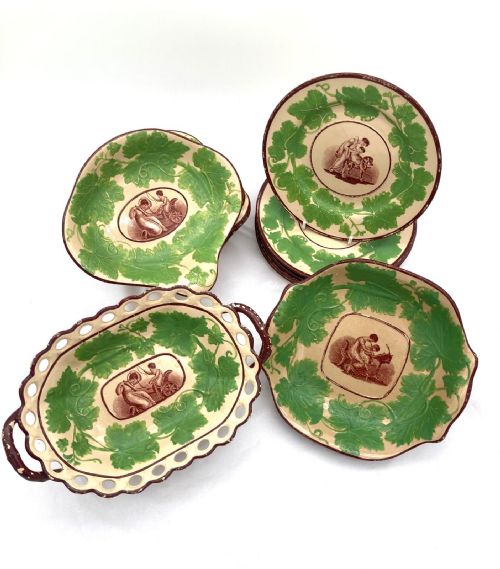




Vintage Dessert Plate
These vintage dessert plate selections comprise porcelain, bone china, and ironstone dishes made for formal dining.
Vintage Dessert Plate
When you search for a vintage dessert plate, you encounter ceramic dishes designed for the final course of a formal meal. The selection ranges from nineteenth-century porcelain services to twentieth-century earthenware examples.
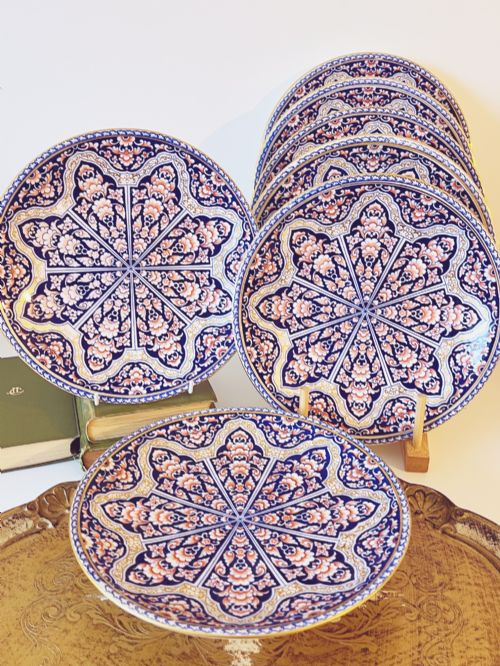
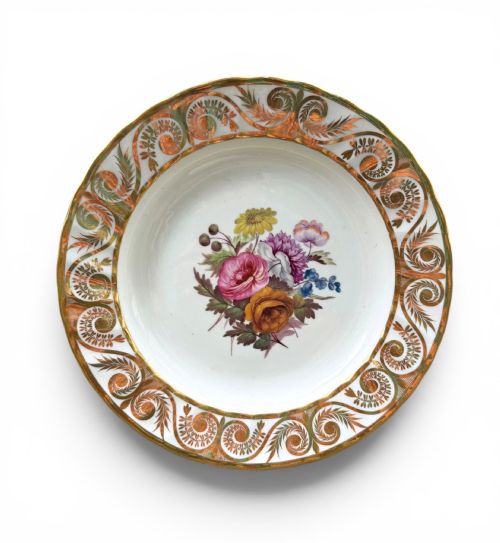
You are most likely to meet individual plates or complete sets originating from English factories such as Royal Crown Derby, Royal Worcester, and Wedgwood. These pieces often feature hand-painted botanical or fruit motifs suited to nineteenth and early twentieth-century dining habits.
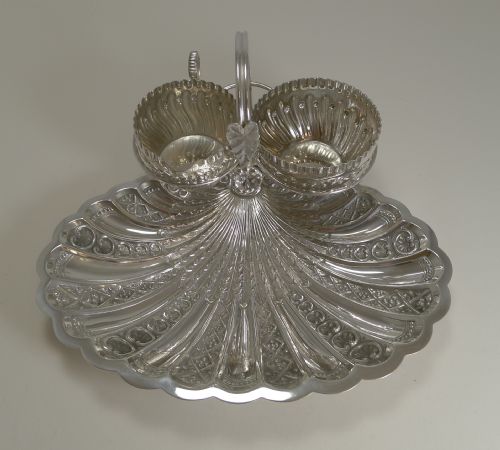
The category also encompasses specialised serving dishes, comports, and shaped plates meant to hold fruit, pastry, or sweetmeats. Each piece reflects the formal tables of the Victorian, Edwardian, and Art Deco periods.
How they were made
Potters utilised porcelain, bone china, and patent ironstone as the primary ceramic bodies for these plates. These materials allowed manufacturers to achieve both delicate translucent forms and durable wares for daily household use.
Makers applied hand-painted enamels, gilding, and transfer printing to decorate the ceramic surfaces. Artisans frequently signed individual pieces with floral or fruit studies before firing the glaze in kilns.
Vintage Dessert Plate Retail Price Guide 2026
Typical asking prices for vintage dessert plate among the pieces listed under this phrase on Sellingantiques today, from the lower quarter to the upper quarter. They describe what is for sale here now, not the wider market.
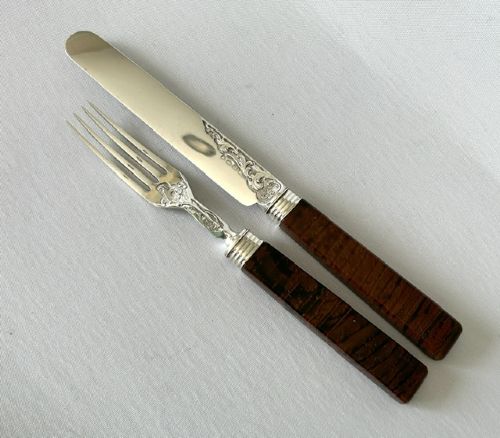
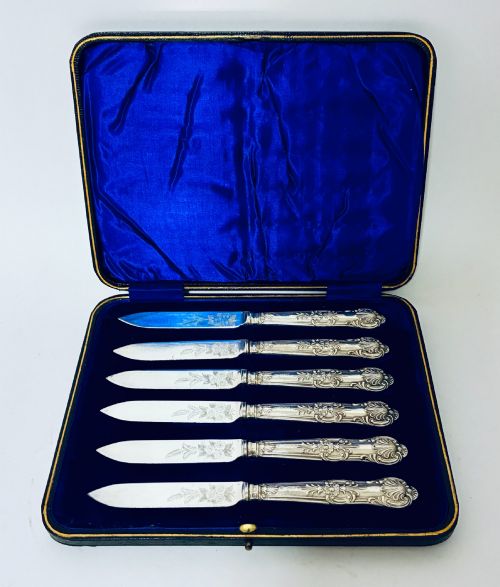
Even fruit knives received silver blades and agate handles, ensuring pears stood no chance.
What varies in quality
The standard of painting on the ceramic surface dictates much of the distinction between ordinary and exceptional plates. Detailed hand-painted fruit or floral studies by known factory artists elevate a piece far above simple transfer-printed wares.
The crispness of the moulding and the application of gold leaf further separate standard production items from premier service plates. Heavier ironstone bodies differ fundamentally in weight and finish from translucent bone china or porcelain.
Royal Crown Derby·Royal Worcester·Wedgwood·Mason·Christofle·Deakin & Francis·Hukin & Heath·Roberts and Belk
The Vintage Dessert Plate Glossary
- Bone china
- A type of soft-paste porcelain containing animal bone ash that creates a strong, translucent ceramic body.
- Ironstone china
- A patented heavy earthenware developed in the nineteenth century for durable tableware production.
- Comport
- A raised dish or bowl used for presenting fruit or sweetmeats as part of a dessert service centrepiece.
- Gilding
- The application of gold leaf or gold paint to ceramic rims and decorative borders.
Vintage Dessert Plate: Frequently Asked Questions
What is a dessert service?
A dessert service is a matched set of ceramic plates, comports, and serving dishes intended for the final course of a meal.
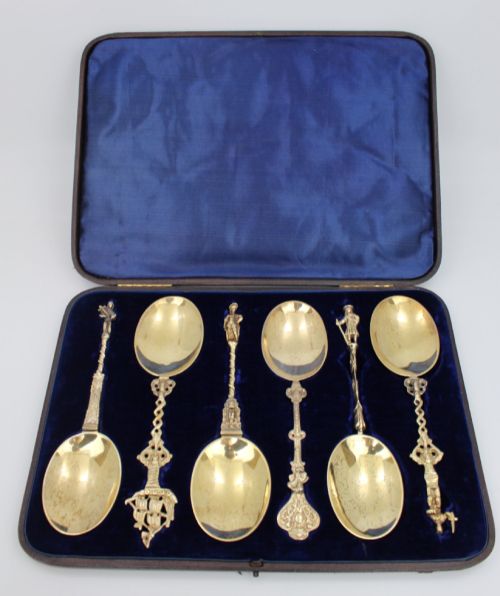
These sets frequently include specialised cutlery such as silver-gilt spoons or knives with porcelain handles.
How do I date a porcelain plate?
You date a porcelain plate by examining factory backstamps, impressed marks, and pattern numbers recorded in ceramic reference guides.
Style elements like Victorian floral painting or Art Deco geometric borders also provide clear chronological indicators.
Can I use antique plates for dining?
Many collectors prefer to use vintage dessert plates for special occasions, provided the glaze and enamels remain stable.
Hand-washed ceramic and bone china pieces generally withstand careful modern usage without losing their decorative finish.
What is ironstone china?
Ironstone china is a dense, heavy earthenware patented in the nineteenth century to provide a durable alternative to porcelain.
Factories like Mason utilised this material to create robust dessert dishes and plates.