



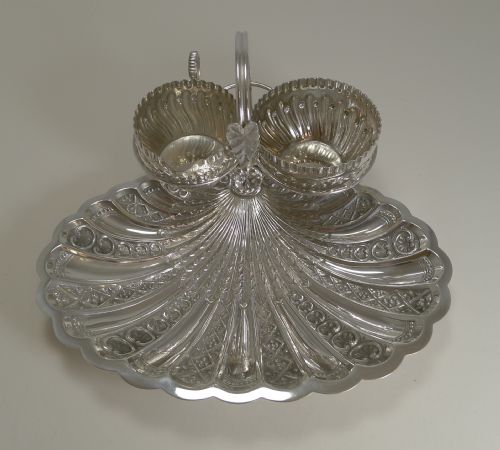


Vintage Dessert Dish
These vintage dessert dish examples span delicate bone china, rich porcelain, and gleaming silver plate, offering a delightful way to complete a traditional dining table.
Vintage Dessert Dish
A vintage dessert dish covers everything from individual fruit plates and jelly glasses to grand serving services made during the nineteenth and early twentieth centuries. These pieces reflect the formal dining customs of Victorian, Edwardian, and Regency households, where the final course of a meal received its own dedicated tableware.
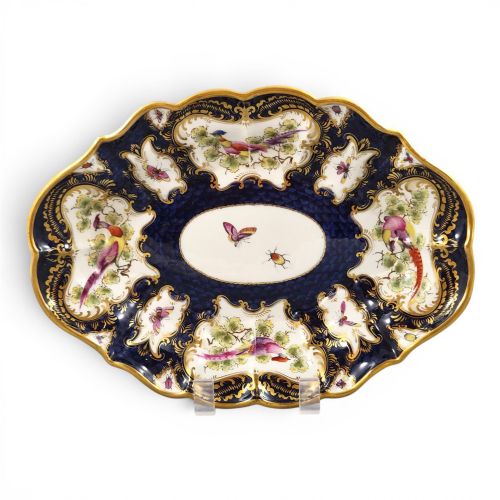
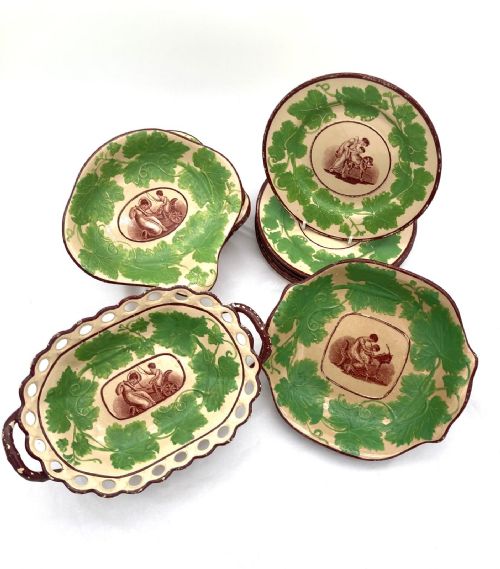
The selections encountered here range widely in origin and aesthetic, including English bone china from potteries like Royal Worcester, transfer-printed earthenware, and Japanese porcelain plates. Buyers will also find specialised items such as glass custard cups, ice plates, and fruit dishes painted with botanical or pastoral motifs.
Many of these items survive as pairs, sets, or complete services, though individual decorative dishes appear frequently. Whether handling a Meissen porcelain dish or a silver-plated strawberry set, the focus remains on functional elegance designed for serving sweets.
Materials and manufacture
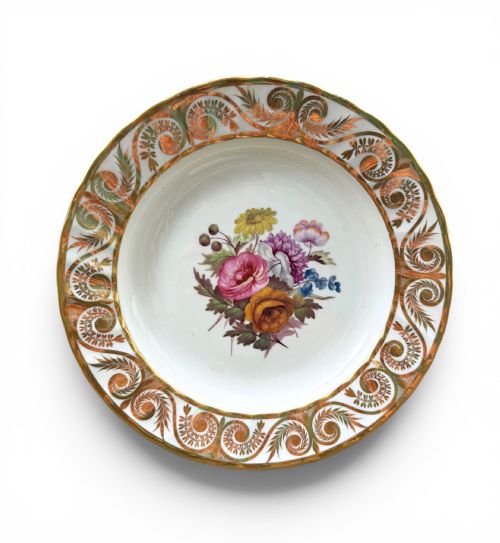
Pottery and porcelain items were shaped from fine clays, earthenware, or bone china, then fired and glazed to create durable surfaces for dining. Many pieces feature hand-painted details, gilding, and gold leaf, while others utilise transfer-printing techniques like the bar printed patterns seen on early nineteenth-century services.
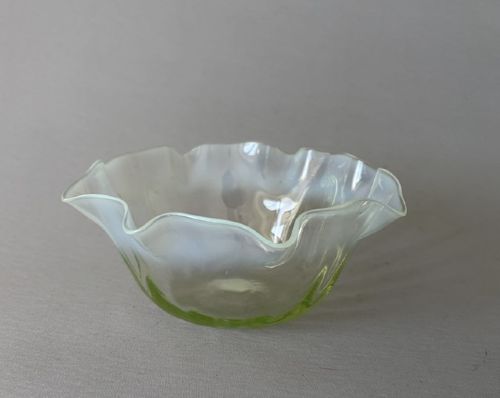
Glassware from this era relied on mouth-blowing and free-blown techniques, producing items such as vaseline glass finger bowls, cranberry glass bowls, and crystal ice plates. Silver-plated metalwork provided a sturdy alternative for specialised serving sets, combining base metals with a reflective silver coating.
Vintage Dessert Dish Retail Price Guide 2026
Typical asking prices for vintage dessert dish among the pieces listed under this phrase on Sellingantiques today, from the lower quarter to the upper quarter. They describe what is for sale here now, not the wider market.
Listings feature ceramics spanning the Georgian, Victorian, and Edwardian eras, alongside glass and silver-plated items from the nineteenth and twentieth centuries.
Distinctions in quality
The standard of a dessert dish rests heavily on the fineness of its material and the skill behind its decoration. Hand-painted fruit studies by known ceramic artists carry a different visual weight compared to standard transfer prints, showing finer brushwork and richer colour gradation.
Form and preservation also define the upper tier, particularly where shaped edges, intricate gilding, and complete sets remain intact. Pieces that retain their original crisp moulding and unblemished glaze represent the finest examples of period craftsmanship.
Royal Worcester·Wedgwood·Mason·Meissen·Roberts and Belk·Whitefriars
The Vintage Dessert Dish Glossary
- Bone china
- A type of porcelain incorporating bone ash, known for its high strength, opacity, and smooth white body. It became a staple of English ceramic production during the Victorian era.
- Drabware
- A stoneware body featuring a muted brownish-grey or olive hue, popular during the Georgian and Victorian periods. Wedgwood produced notable examples of this understated ceramic style.
- Ironstone china
- A patented ceramic material developed to be durable and heavy while mimicking porcelain. Mason's ironstone pieces are especially recognised for their robust body and vibrant Japanese-inspired designs.
- Vaseline glass
- A type of glass coloured with uranium oxide, yielding a distinct yellow-green shade that glows under ultraviolet light. It was widely produced by makers such as Whitefriars during the nineteenth century.
- Imari
- A decorative style originating in Japan, characterised by cobalt blue, iron red, and gold accents. Regency potteries frequently adopted this palette for their dessert services.
Vintage Dessert Dish: Frequently Asked Questions
What were dessert dishes used for?
These dishes served the final course of formal meals, which typically consisted of fresh fruit, jellies, custards, or sweet confections. They provided a dedicated vessel for portions that required individual presentation away from the main dinner service.
Hosting multi-course dinners meant that specialised tableware like ice plates, finger bowls, and custard cups were essential for proper dining etiquette during the Victorian and Edwardian periods.
Are silver-plated dessert sets usable?
Silver-plated items from the late nineteenth and early twentieth centuries remain functional for serving dry foods, fruits, or pastries. Proper maintenance involves using non-abrasive silver polishes to maintain the shine without stripping the underlying plate.
Acidic foods should not be left on silver-plated surfaces for prolonged periods, as they can tarnish or pit the metal. Hand washing immediately after use preserves the finish.
How can I date my dessert dish?
Dating ceramic pieces often relies on maker's marks, registry stamps, and stylistic cues such as the border patterns or shape profiles typical of Georgian, Regency, or Victorian design. Potteries frequently changed their impressed or printed backstamps over time.
Glassware is usually dated by its manufacturing technique, colour chemistry, and pontil marks left from the blowing process. Comparing patterns with documented historical examples helps narrow down the decade of production.