

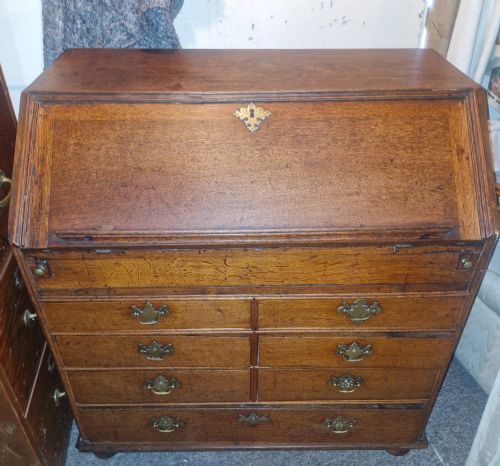
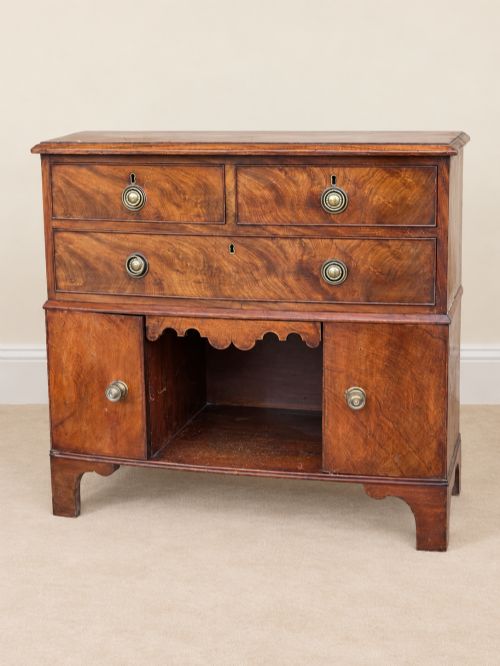
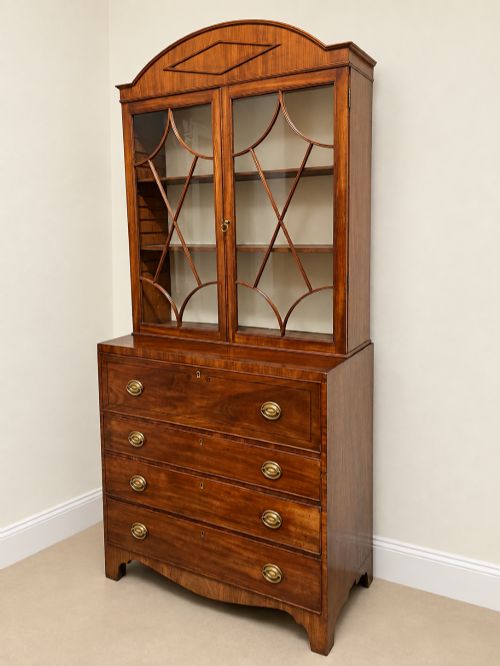
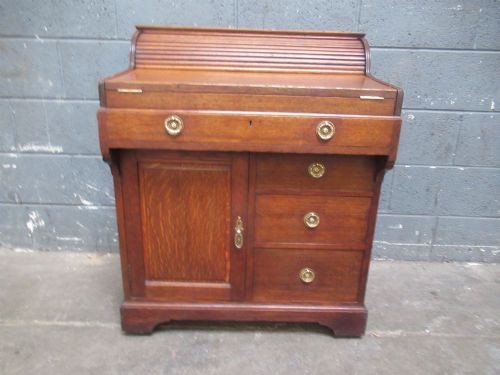

Vintage Desk Cabinet
These vintage desk cabinet pieces combine practical workspace with fitted storage, offering traditional writing compartments and bookcase displays for the home.
Vintage Desk Cabinet
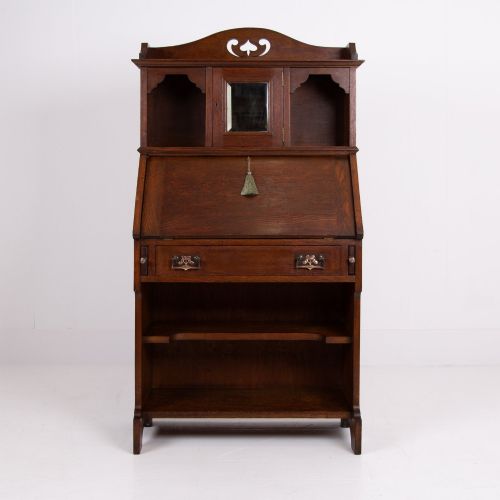
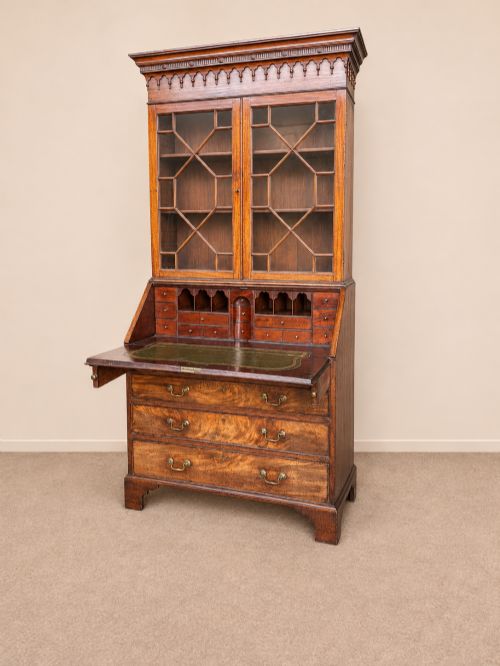
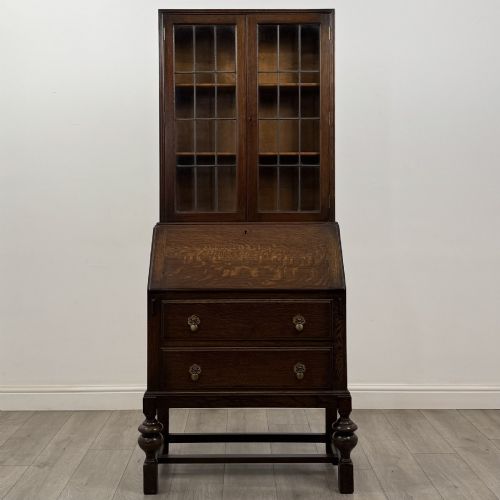
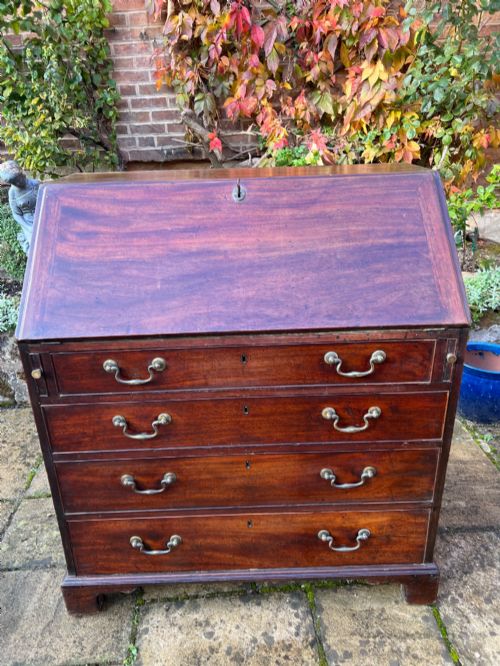
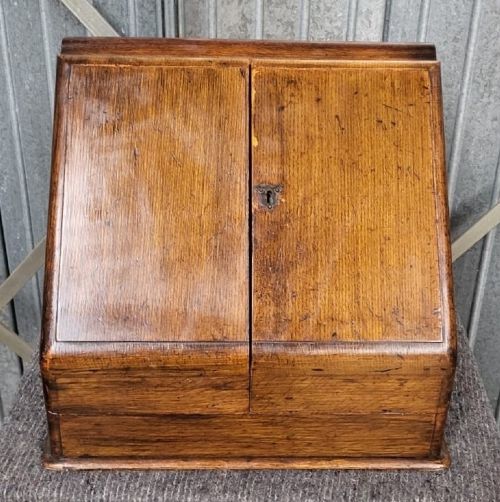
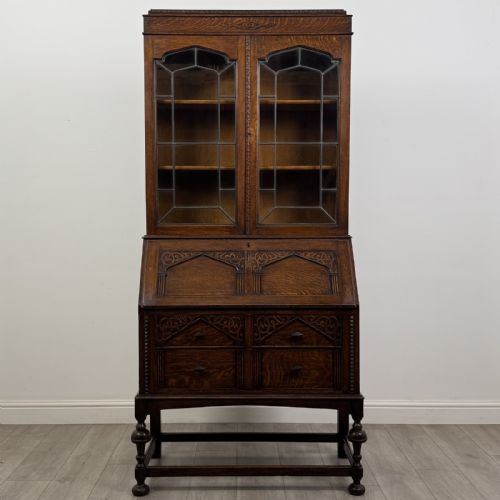
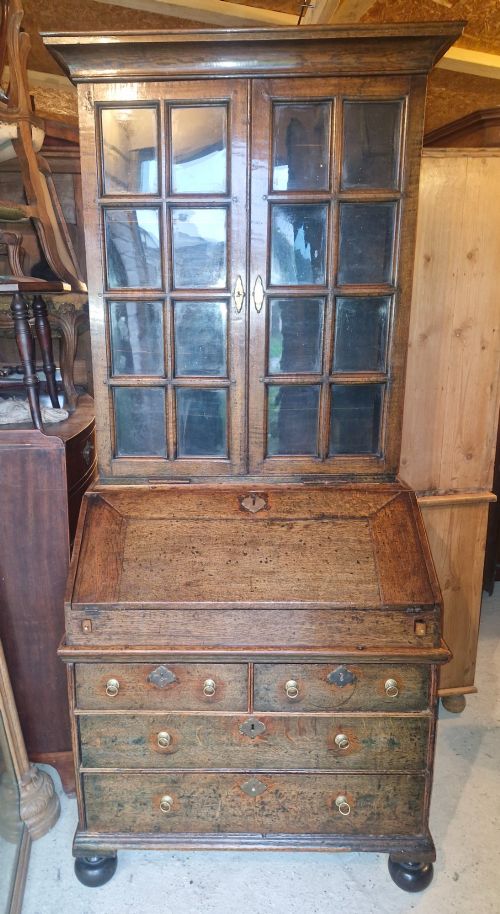
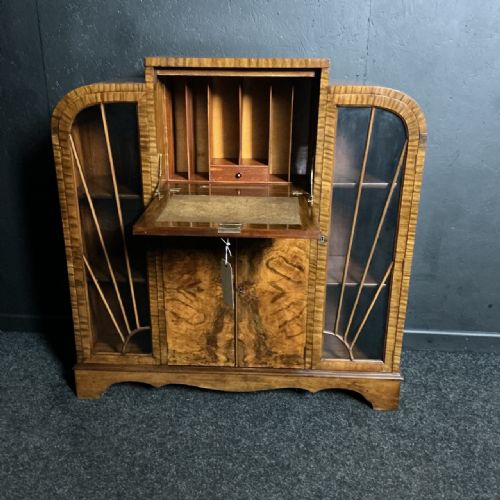
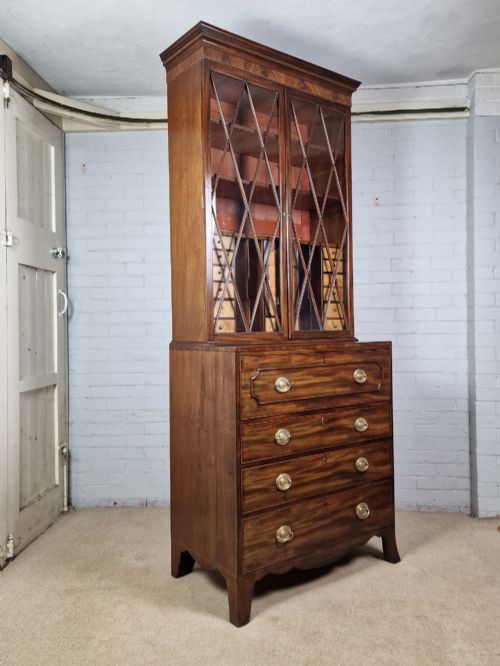
When you search for a vintage desk cabinet, you encounter bureau bookcases, fall-front writing bureaus, and secretaire cabinets spanning the Georgian, Victorian, Edwardian, and Art Deco periods. These forms range from compact oak filing units to large mahogany bureau bookcases fitted with internal compartments and glazed doors.
The Edwardian era supplies numerous oak and walnut examples featuring linenfold carving or tambour fronts, alongside larger pieces built in mahogany and yew wood. Earlier Georgian and 19th-century specimens present disciplined lines in figured mahogany and walnut, often combining a sloping writing flap with multi-drawer storage below.
Materials and Construction
Cabinet makers utilised dense hardwoods such as oak, mahogany, walnut, and burr walnut, frequently pairing them with brass handles, escutcheons, and occasional glass door panels. Construction methods rely on traditional joinery to support heavy fitted interiors, drop-front writing surfaces, and stacked bookcase sections.
Surface treatments vary from polished golden oak and figured mahogany veneers to ebonised finishes and painted surfaces. Detail work includes carved linenfold panels, mother of pearl inlay, and marquetry, alongside specialist hardware like tambour tracks and original metal fittings.
Vintage Desk Cabinet Retail Price Guide 2026
Typical asking prices for vintage desk cabinet among the pieces listed under this phrase on Sellingantiques today, from the lower quarter to the upper quarter. They describe what is for sale here now, not the wider market.
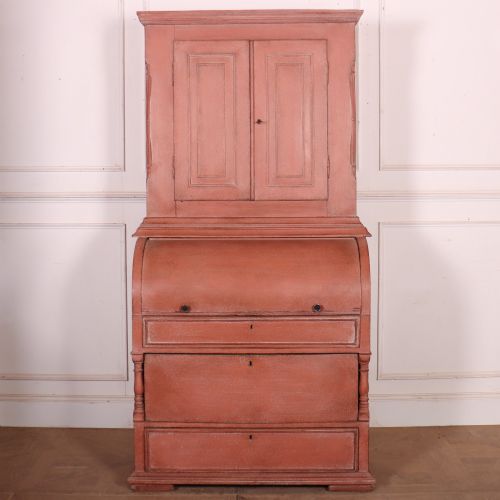
Object forms appearing in the records range from bureau bookcases and tambour filing cabinets to painted writing bureaus and cocktail drinks cabinets.
Standards of Execution
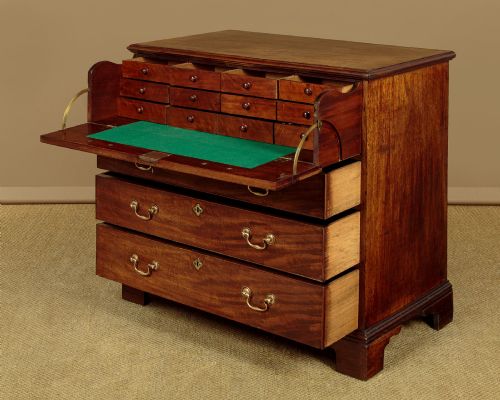
Superior examples demonstrate precision in the selection of figured veneers, such as burr walnut or flame mahogany, where grain patterns align harmoniously across the fall front and drawer fronts. The execution of internal fittings, including secret drawers, pigeonholes, and small compartments, separates standard production from finer cabinet work.
The integrity of the structural joinery and the retention of original hardware, glass, and brasses dictate the standing of a piece. Finer items exhibit crisp carving, such as detailed linenfold or architectural mouldings, while maintaining smooth operation of drop-front hinges and sliding tambour doors.
Arthur Basil Reynolds·Bruno Zach·Larkin
The Vintage Desk Cabinet Glossary
- Bureau
- A writing desk featuring a sloping hinged flap that opens to reveal a fitted interior of small drawers and pigeonholes. This form stands upon chest-style drawers or legs.
- Secretaire bookcase
- A tall cabinet combining a upper bookcase section with glazed doors and a lower drawer or pull-out drawer fitted as a writing desk. The drop-front mechanism conceals the desk interior.
- Tambour front
- A flexible shutter formed of narrow vertical strips of wood glued to canvas, allowing a sliding closure over filing cabinets or desk compartments. It operates via recessed tracks.
- Linenfold
- A style of carved wooden panelling that resembles folded fabric, commonly seen on Edwardian and revival oak furniture. It provides texture to cabinet doors and fall fronts.
- Fall front
- A hinged panel on a cabinet or desk that drops down to a horizontal position to serve as a writing surface. It conceals internal stationery compartments when closed.
Vintage Desk Cabinet: Frequently Asked Questions
What is a vintage desk cabinet?
A vintage desk cabinet encompasses writing furniture that integrates enclosed storage, such as bureau bookcases, secretaire cabinets, and tambour-front filing units. These pieces combine a vertical bookcase or cabinet with a dedicated writing surface.
They serve as functional workspace solutions while providing display space for books or collections within domestic interiors.
How do I distinguish periods?
Identifying periods involves examining timber selection, hardware, and decorative motifs alongside overall proportions. Georgian and Regency pieces favour solid mahogany or figured veneers with restrained classical lines, whereas Edwardian items frequently showcase golden oak, linenfold carving, or ebonised finishes.
Art Deco and later 20th-century examples introduce stylised bronze figures and simplified geometric forms distinct from earlier revival styles.
Where were these cabinets used?
These cabinets functioned primarily in libraries, studies, and drawing rooms as private writing spaces and household administration centres. The combination of lockable fall-front desks and glazed bookcases suited the storage of correspondence and valued volumes.
In modern settings, they perform similar roles in home offices and living rooms, offering compact storage footprints.
How do I care for wooden surfaces?
Maintenance requires avoiding direct sunlight and excessive temperature fluctuations to protect timber veneers and prevent panel shrinkage. Regular dusting with a soft cloth preserves polished finishes without abrasive build-up.
Occasional application of appropriate wax feeds the wood and maintains the lustre of mahogany, oak, and walnut surfaces.