


Vintage Designer Jewellery
Vintage designer jewellery gathers signed pieces from celebrated houses and makers, offering distinctive statements in gold, silver and gemstones.
Vintage Designer Jewellery
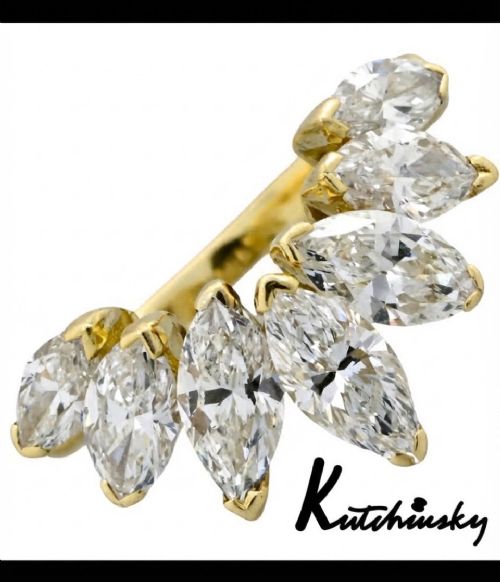
The selections on this page are dominated by mid-century twentieth-century works, particularly creations from the nineteen-fifties and nineteen-sixties alongside pieces carrying signatures from renowned international makers. Formats range from bold cocktail rings and figural animal brooches to modular necklaces and interchangeable ring designs.
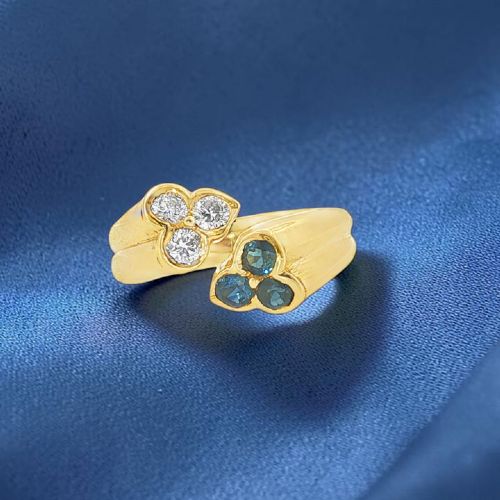
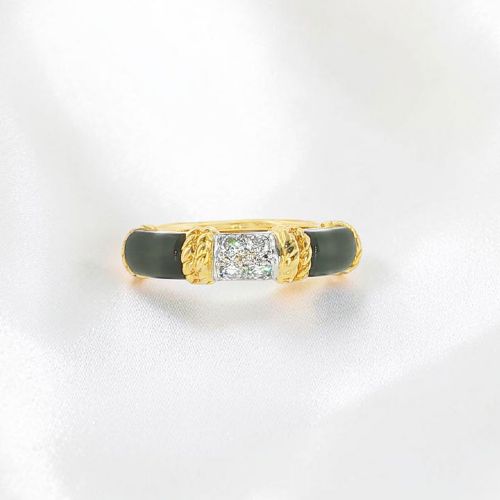
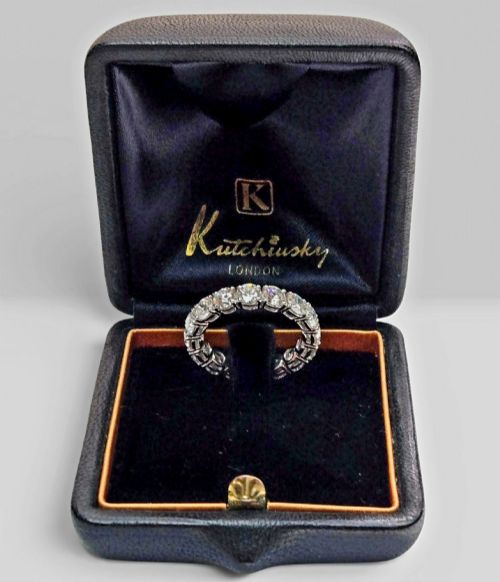
Buyers find works executed in precious metals including eighteen-carat yellow gold, platinum, and sterling silver, frequently paired with diamonds, rubies, sapphires, emeralds, black onyx, and enamel work. Many surviving examples retain original maker boxes, adding provenance and completeness to the signed objects.
Materials and construction methods
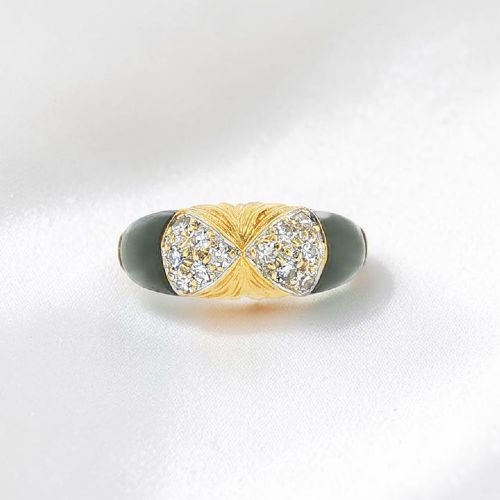
Makers utilised precious metals such as eighteen-carat yellow gold, platinum, and sterling silver as the structural foundation for intricate gem settings, cast figural motifs, and textured geometric modules. Gold work appears in textured, ridged, and engraved finishes, frequently supporting pavé or cluster configurations of diamonds, rubies, sapphires, and emeralds.
Gemstone selection and mounting define the construction, utilising high-carat diamonds, carved tourmalines, yellow topaz, and black onyx set into platinum or gold frames. Artisans employed specialised techniques including enamel work, modular assembly for interchangeable elements, and detailed hand-engraving on button studs, compact boxes, and figural animal subjects.
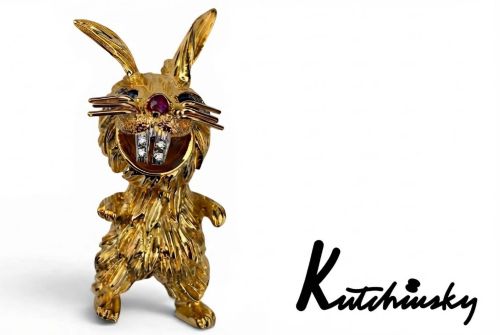
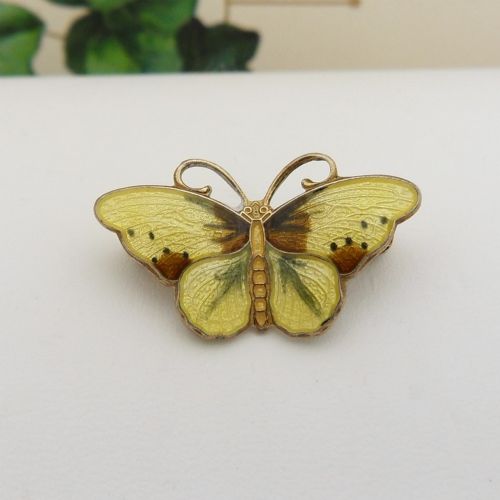
A charming selection of figural animal jewellery includes sculpted gold ducks, rabbits, chicks, dolphins, snails, and butterflies.
Distinctions in craftsmanship and design
The standing of a piece rests heavily on the clarity of maker signatures, hallmark stamps, and the retention of original presentation boxes supplied by the producing house. Clarity in stone selection, such as matched multi-gem clusters and substantial diamond weights, elevates the work of major houses above standard commercial output.
Execution of complex forms - such as articulated animal brooches, modular interchangeable elements, and detailed enamel work - differentiates master craftsmanship from simpler production. The integrity of the metal texturing and the precision of the stone settings determine the overall caliber of the signed jewel.
Kutchinsky·Hroar Prydz·Christian Dior·Gilbert Albert·Boucheron·Ben Rosenfeld·Mikimoto·Deakin and Francis·Georg Jensen·Van Cleef and Arpels·Andrew Grima·Chanel·Carl Bucherer·Chaumet·Kria Gioielli·Charles de Temple·Le-Gi·Piaget·Ilias Lalaounis·Gubelin·Gucci·Rene Lalique·Asprey
The Vintage Designer Jewellery Glossary
- Parure
- A matched set of jewellery designed to be worn together, typically including a necklace, earrings, and a brooch. Such suites reflect unified mid-century design themes.
- Signet
- A mark or signature stamped into the metal by the maker or house to authenticate the origin of the piece. These stamps guide attribution.
- Pavé
- A setting technique where small gemstones are closely set together with minimal visible metal, creating a continuous surface of stones. This method maximises light reflection.
- Trinket Box
- A small decorative container used for storing small valuables or keepsakes, often fabricated in solid silver or gold. These items frequently carry maker marks corresponding to jewellery lines.
- Brutalist
- A sculptural design style characterised by rough, heavily textured surfaces and non-traditional geometric forms. This aesthetic gained prominence in mid-century modernist works.
Vintage Designer Jewellery: Frequently Asked Questions
What defines a signed designer piece?
A signed piece bears the engraved or stamped name, monogram, or trademark of the specific jewellery house or independent designer responsible for its creation.
These marks are usually located on the interior band of a ring, the reverse of a brooch, or the clasp of a necklace, serving to authenticate the origin of the work.
How should vintage gold jewellery be stored?
Vintage gold and gemstone pieces require careful storage in individual soft pouches or lined compartments within a dedicated jewellery box to prevent scratching.
Keeping items separate protects delicate surface textures, enamel work, and gemstone settings from unnecessary friction during storage.
Are original presentation boxes important?
Original presentation boxes provide historical context and confirm the provenance of signed mid-century and vintage designer items.
Collectors value boxes that match the specific era and house branding of the enclosed jewellery, as they complete the set and support authenticity.
Can clip-on earrings be converted?
Clip-on earrings from mid-century makers are typically designed to be worn without pierced ears, utilising comfortable spring-loaded mechanisms.
Altering these original mountings is generally discouraged by collectors who prefer to preserve the untouched mechanical integrity of vintage designer pieces.