




Vintage Delft Plates
These vintage delft plates and related oak racks bring hand-painted earthenware and period display furniture together in one room.
Vintage Delft Plates
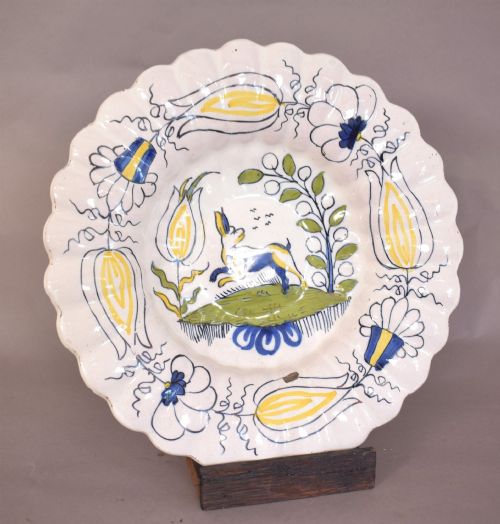
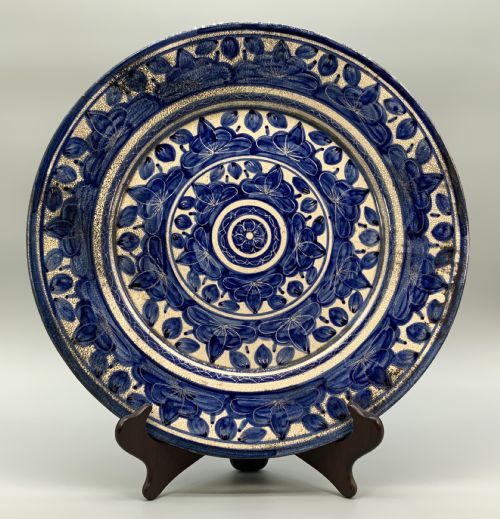
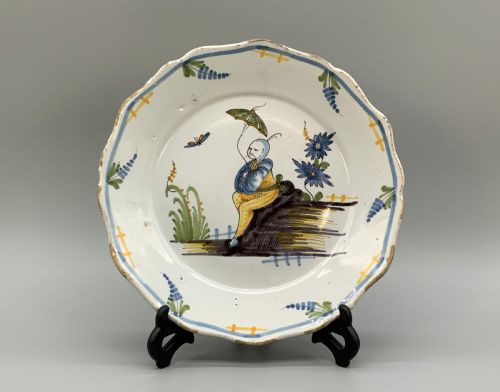
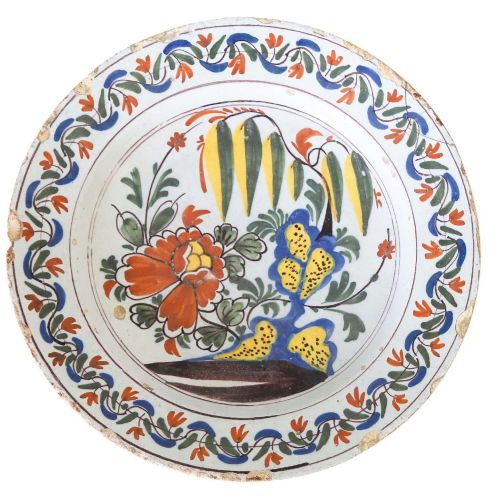
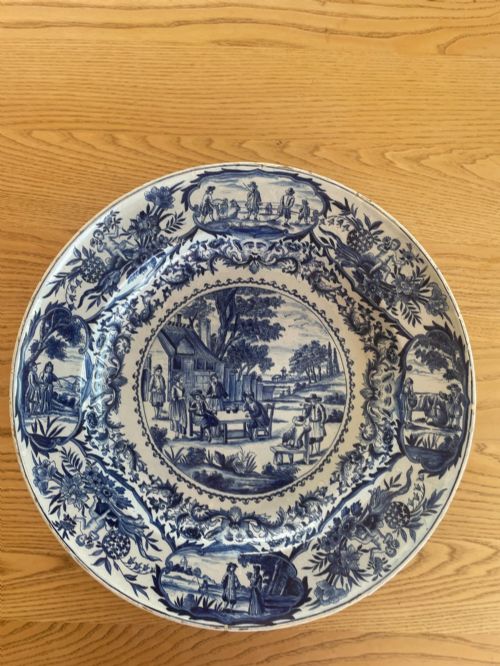
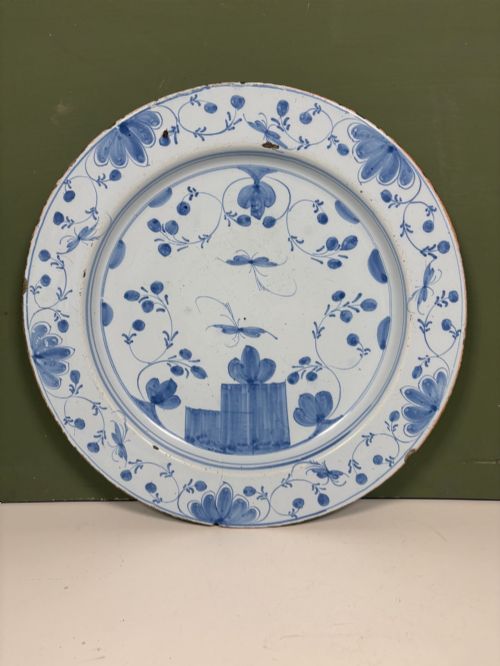
When you search for vintage delft plates, you encounter tin-glazed earthenware dishes alongside the oak wall shelves and dresser racks designed to hold them. The ceramics span from the seventeenth century through the eighteenth and nineteenth centuries, featuring blue and white decoration, polychrome pigments, and manganese tones.
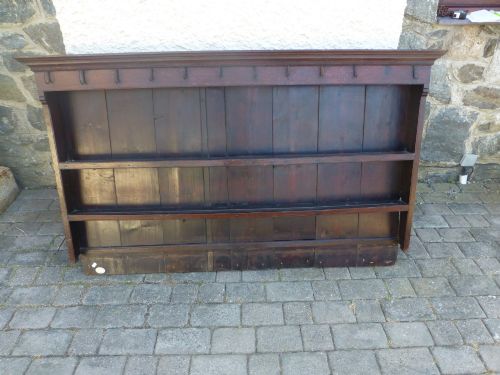
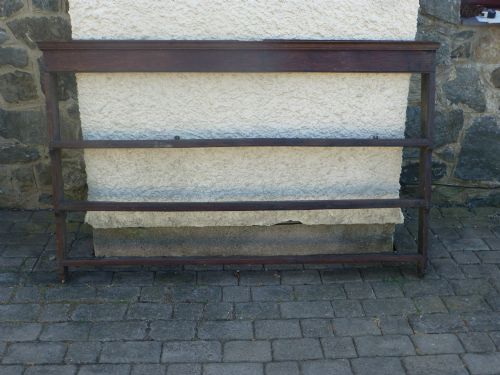
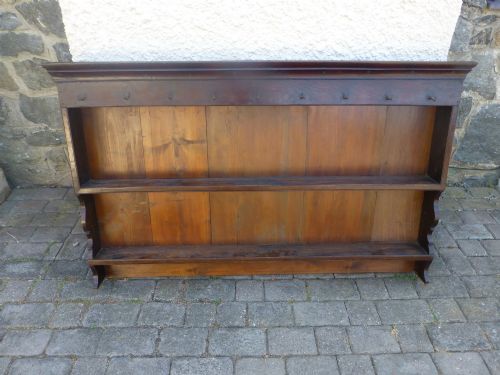
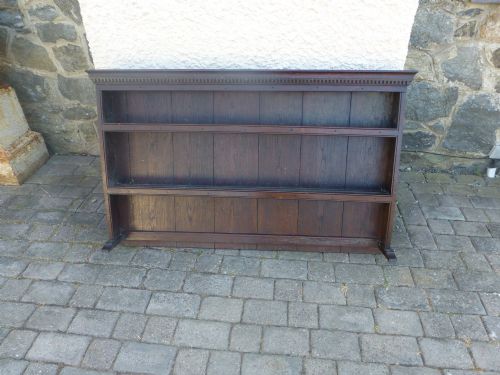
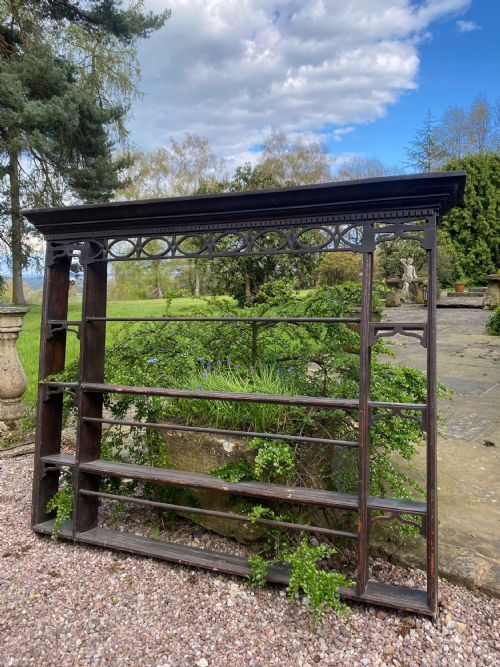
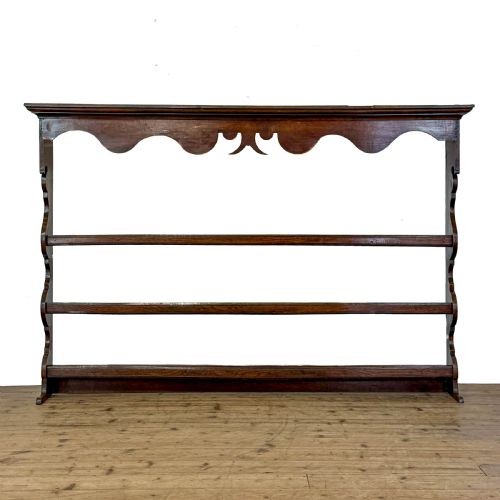
The ceramic forms range from shallow bowls and small plates to large decorative chargers and charger plates. Alongside the pottery, the listings include wooden storage furniture such as carved oak wall shelves and hanging plate racks intended to display these ceramics.
How they were made
The plates utilise a tin glaze over earthenware, painted with cobalt oxide or cobalt pigment to achieve the characteristic blue and white palette. Potters also employed manganese and yellow pigments, alongside grand feu techniques for polychrome decoration.
The accompanying furniture is constructed from solid oak, often featuring carved details or marquetry work suited for domestic dresser racks and wall shelves.
Listings combine seventeenth and eighteenth-century tin-glazed earthenware with solid oak dresser racks and wall shelves.
What varies in quality
The distinction in quality rests upon the crispness of the hand-painted floral decoration and the depth of the tin glaze across the earthenware body. Strong cobalt pigments and controlled grand feu firing separate more ambitious charger plates from simpler domestic wares.
In the accompanying oak furniture, quality depends on the depth of the carved woodwork and the structural integrity of the hanging plate racks and dresser shelves designed to support the heavy ceramic dishes.
The Vintage Delft Plates Glossary
- Tin-Glazed Earthenware
- Pottery fired with an opaque white glaze containing tin oxide. This surface provided a smooth ground for hand-painted cobalt pigment.
- Charger
- A large decorative plate or dish intended for display on a wall or dresser rather than for dining use. These pieces often feature elaborate floral or Chinoiserie scenes.
- Grand Feu
- A high-temperature firing technique used for ceramics. It allows pigments to fuse into the glaze for greater permanence and colour depth.
- Dresser Rack
- A wall-mounted or standing oak framework with shelves and grooves. These fixtures held plates upright in seventeenth and eighteenth-century interiors.
- Polychrome
- Decoration utilising multiple colours rather than a single pigment. In these pieces, it combines floral motifs in manganese, yellow, and blue.
Vintage Delft Plates: Frequently Asked Questions
How do I hang a delft charger safely?
Large decorative chargers require sturdy wall fixtures and proper wire or spring hangers designed to distribute the weight evenly across the ceramic body.
Ensure the accompanying oak wall shelf or hanging rack is securely anchored to the wall studs before placing heavier earthenware dishes upon it.
What is the difference between a plate and a charger?
Plates are smaller earthenware vessels typically utilised for dining or modest display, whereas chargers are significantly larger decorative dishes meant to be viewed from a distance.
Chargers often display more complex hand-painted scenes, such as Moorish styles or Chinoiserie motifs, intended as focal points on dresser racks.
How do I identify eighteenth-century oak racks?
Eighteenth-century oak plate racks display traditional joinery, pegged joints, and timber patination consistent with centuries of domestic use and environmental exposure.
They frequently feature simple carved elements and grooves designed specifically to secure early delft plates and chargers in an upright position.