





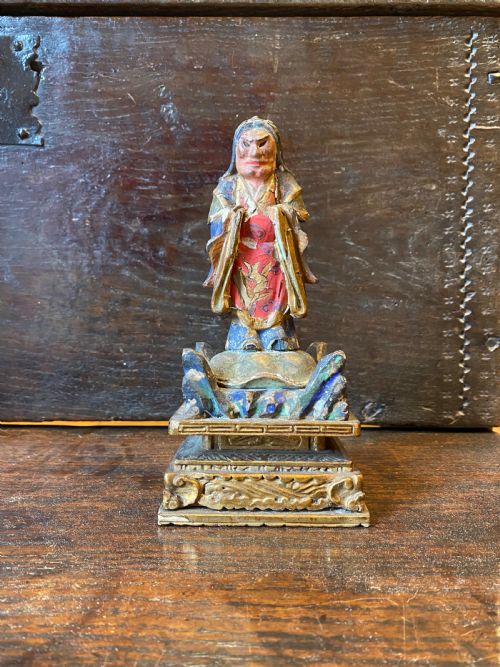


Vintage Deity Sculptures
These vintage deity sculptures bring sacred presence and centuries of ritual art into your interior through bronze, stone, and wood.
Vintage Deity Sculptures
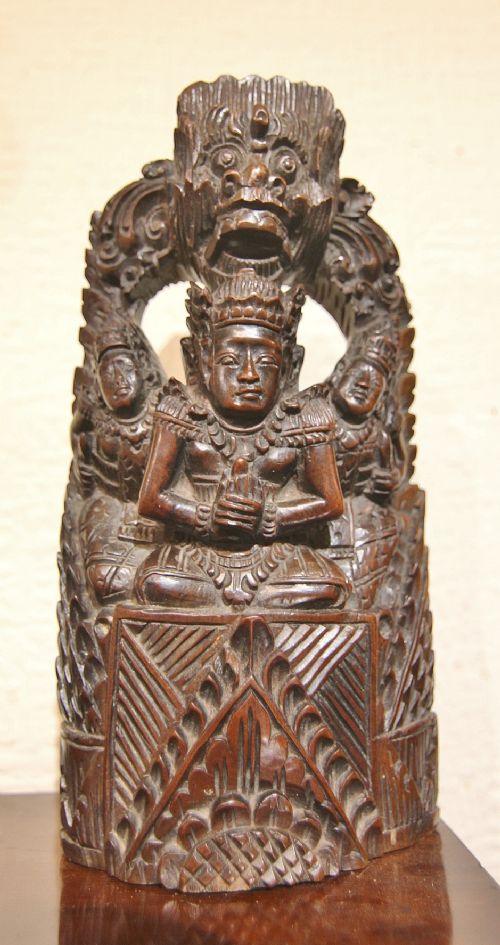
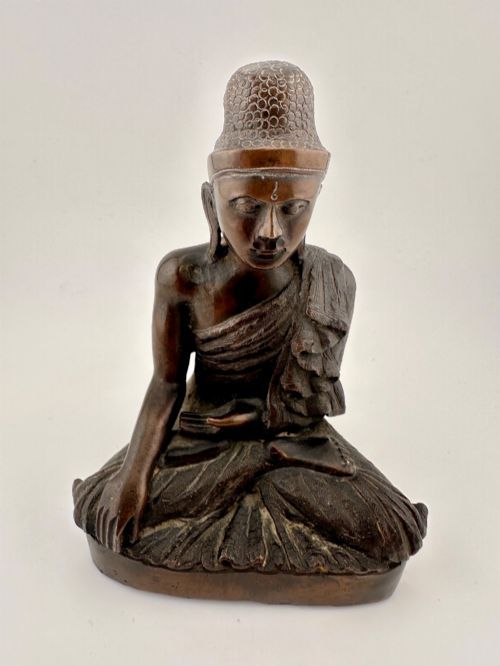
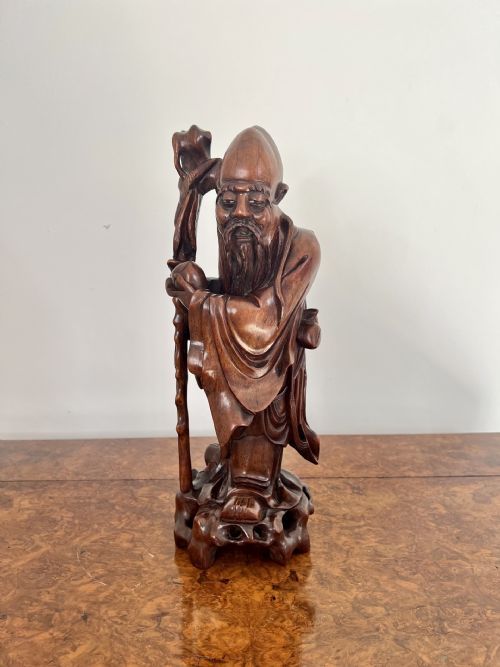
Vintage deity sculptures encompass sacred figures, devotional statues, and shrine pieces originating from various Asian, Himalayan, and classical traditions. When you search for vintage deity sculptures, you encounter depictions of Buddhist, Hindu, and ancient pantheons produced across several centuries. The selection on this page draws heavily from nineteenth-century examples alongside works from the early twentieth century.
Forms range from intimate shrine bronzes and amulets to substantial garden figures and architectural busts. Common subjects include seated Buddhas, Taras, Avalokiteshvara, Ganesha, Parvati, Rama, Sita, Vishnu, and classical deities such as Apollo. Materials span cast metals and carved timbers through to various types of stone.
Origins represented in the inventory stretch across Burma, Tibet, Nepal, China, India, Thailand, Bali, Indonesia, and neoclassical European interpretations. Buyers most frequently meet nineteenth-century bronze and hardwood iterations in various states of patination and weathering.
Distinctions in craftsmanship
The integrity of the material and the character of the natural surface ageing also define the upper tier. Well-preserved patination, stable wood grain, and harmonious proportions separate master-carved or cast devotional pieces from more utilitarian workshop output.
Vintage Deity Sculptures Retail Price Guide 2026
Typical asking prices for vintage deity sculptures among the pieces listed under this phrase on Sellingantiques today, from the lower quarter to the upper quarter. They describe what is for sale here now, not the wider market.
Several deities keep company with dragons, infants, and sacred beasts, proving that even divine figures appreciate a lively household.
The Vintage Deity Sculptures Glossary
- Bronze
- A copper and tin alloy widely utilised for casting durable devotional figures and shrine statues. It develops a rich patina over time.
- Patina
- The surface sheen and coloration acquired by metal, wood, or stone through age and handling. This visual marker attests to the history of the object.
- Hardwood
- Dense timber derived from broad-leaved trees, chosen for detailed figurative carving due to its stability and fine grain.
- Shrine statue
- A devotional figure created specifically for altar worship or domestic spiritual practice within Buddhist or Hindu traditions.
- Reconstituted stone
- A composite material made from crushed stone bound with resin or cement, used to create durable garden statues and architectural busts.
Vintage Deity Sculptures: Frequently Asked Questions
How do I care for a bronze deity sculpture?
Bronze requires very little maintenance beyond occasional dusting with a soft, dry cloth. Avoid applying commercial cleaners or polishes that might strip the historic patina.
Keep metal pieces away from excessive moisture and direct sunlight to preserve the surface finish.
How can I tell the difference between bronze and copper alloy?
Bronze is specifically an alloy of copper and tin, whereas copper alloy encompasses a broader range of copper mixtures with zinc or other metals. Both materials share similar weight and casting characteristics in these sculptures.
Distinguishing between them often requires scientific analysis, but visual examination usually reveals similar patination and weathering patterns over the centuries.
What is the significance of the mudra or hand gesture?
Hand gestures, known as mudras, convey specific spiritual meanings, teachings, or states of mind associated with particular deities. They communicate protection, charity, meditation, or the turning of the wheel of law.
Observing the hand position helps identify the specific deity and the traditional narrative depicted by the maker.