



Vintage Decorative Rug
These vintage decorative rugs are hand-woven carpets and textiles from the late nineteenth and early twentieth centuries, bringing history and texture directly into a room.
Vintage Decorative Rug
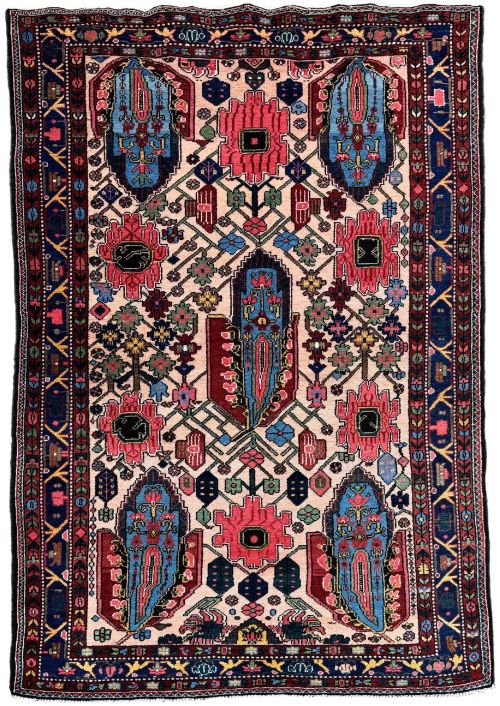
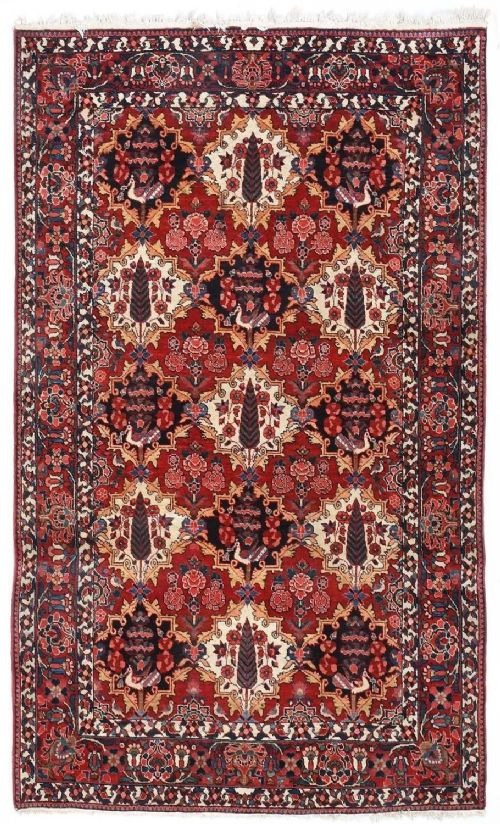
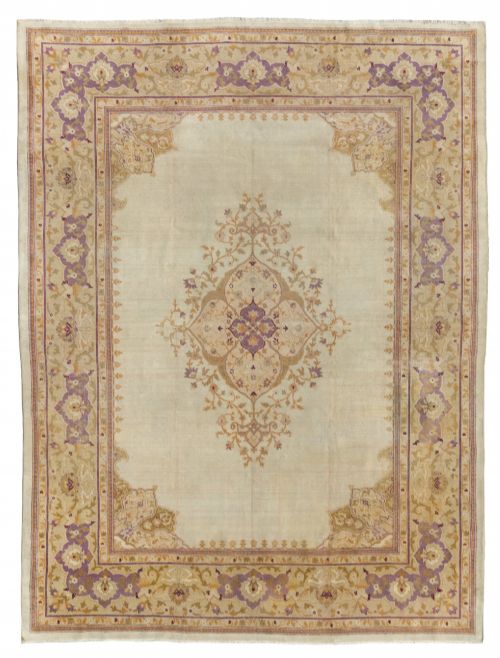
A vintage decorative rug spans Persian, Ottoman, and European traditions, ranging from room-sized carpets down to smaller prayer rugs and wall hangings. When exploring this phrase, one encounters large Heriz and Ushak room carpets alongside tribal Bakhtiari, Mahal, and Bessarabian kilims.
The materials reflect traditional weaving centres, employing wool, cotton, and silk, sometimes enriched with glass beads. Dating predominantly from the 1870s through to the 1940s, these pieces carry the distinct motifs and regional designs of their makers.
What varies in quality
Knot density and structural integrity dictate the baseline of quality, separating finely worked examples from coarser utility pieces. Tighter weaves allowed for sharper execution of complex floral and geometric medallion designs.
The condition of the pile and the integrity of the foundation dictate longevity under foot. Uniformity of natural dyes and the crispness of surviving patterns distinguish superior weaving from standard production.
Vintage Decorative Rug Retail Price Guide 2026
Typical asking prices for vintage decorative rug among the pieces listed under this phrase on Sellingantiques today, from the lower quarter to the upper quarter. They describe what is for sale here now, not the wider market.
The Vintage Decorative Rug Glossary
- Kilim
- A flat-woven textile produced without a pile, used traditionally for rugs and wall hangings. These pieces rely on warp and weft interweaving to form geometric patterns.
- Kelleh
- A long, narrow carpet format traditionally designed for specific room dimensions in Persian households. This rectangular shape functions well in hallways and beside furniture.
- Kapunuk
- A decorative tent hanging or doorway framing piece associated with Turkmen weaving. These items served both functional and decorative roles within nomadic dwellings.
- Gul
- An octagonal medallion or repeating motif used widely in Turkmen carpets and tribal rugs. Each design element often identifies the specific clan or tribe that produced the weaving.
Vintage Decorative Rug: Frequently Asked Questions
How do I clean an old carpet?
Surface dust is best managed through gentle suction using a vacuum cleaner without a rotating beater bar, running it carefully in the direction of the pile.
Professional specialist washing is required for deeper cleaning to protect fragile wool and cotton foundations from water damage.
Can I place these on heated floors?
Natural fibres tolerate moderate ambient heat, but excessive thermal direct contact can dry out the natural oils in old wool and cotton.
Using a breathable underlay helps distribute heat evenly and prevents the textile from sliding across smooth modern flooring.
How do I identify a tribal design?
Tribal pieces often display bolder geometric motifs, asymmetric layouts, and symbols inspired by nomadic daily life rather than formal court patterns.
Palettes in these rugs tend to rely on saturated primary colours derived from traditional dyeing methods.
Where were Bessarabian kilims made?
These flat-woven textiles originated in the historical Bessarabia region, situated in Eastern Europe between the Prut and Dniester rivers.
Their designs frequently incorporate dark grounds bearing naturalistic floral sprays influenced by European decorative styles.