



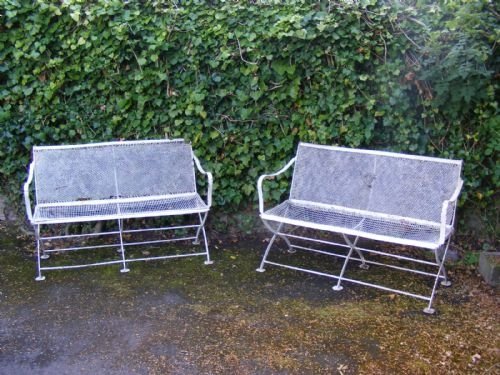
Vintage Decorative Iron Seating
Vintage decorative iron seating brings enduring garden forms and substantial metalwork to outdoor spaces.
Vintage Decorative Iron Seating
Vintage decorative iron seating encompasses outdoor furniture forged or cast in metal, ranging from garden benches to dining sets and rocking chairs. When you search for vintage decorative iron seating, you encounter pieces designed for utilitarian strength paired with ornate ornamentation.
The selections span the nineteenth century through the early twentieth century, featuring Victorian styles alongside French Riviera and Regency influences. Garden benches and chairs dominate the offerings, often incorporating botanical motifs or structural wirework.
Examples include matching sets of chairs, pairs of armchairs, and modular bench ends intended for timber slats. These seating options bridge the gap between architectural garden furniture and functional seating.
Materials and construction methods
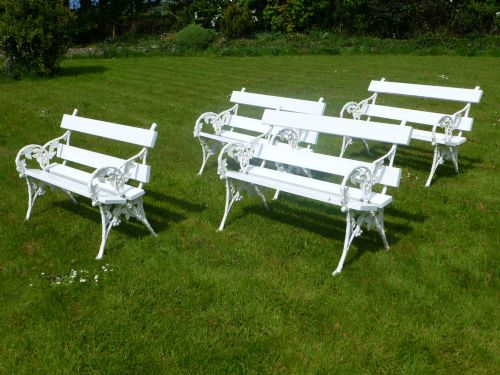
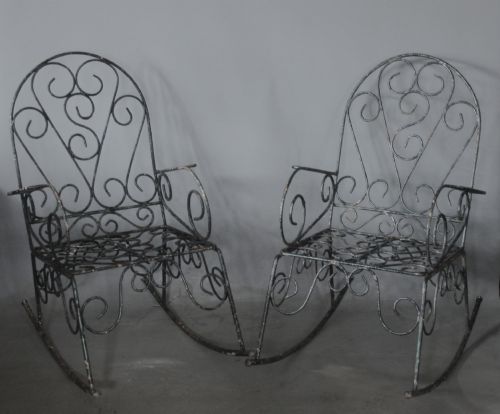
Makers utilised cast iron for intricate ornamental details like blackberry and leaf patterns, pouring molten metal into detailed moulds. Wrought iron provided the structural strength for chairs and rocking seats through manual forging and shaping.
Combinations of cast iron frames with timber slats appear frequently in garden benches, merging metal durability with wooden seating surfaces. Additional elements include painted finishes, fabric pads, wirework, and leather accents depending on the specific form.
Listings feature items spanning the nineteenth century up to nineteen-thirty, incorporating cast iron, wrought iron, timber, and wirework.
Factors influencing quality
Quality rests in the crispness of the cast ornamentation, where sharply defined botanical details outshine soft or worn castings. The integrity of the ironwork, whether hand-forged wrought iron or finely finished cast frames, determines the longevity of the piece.
Attribution to known foundries, such as Falkirk or Coalbrookdale, elevates the standing of a bench or chair. The completeness of original sets, matched pairs, and integrated components like timber slats further distinguishes finer examples from simpler garden seats.
Falkirk foundry·Coalbrookdale
The Vintage Decorative Iron Seating Glossary
- Cast iron
- A strong, hard alloy poured into moulds to create complex decorative patterns. This technique allows for detailed motifs like leaves and foliage on chair backs and bench ends.
- Wrought iron
- Iron heated and hammered into shape by hand to form strong structural components. It provides the fluid lines seen in French Riviera armchairs and rocking chairs.
- Wirework
- Metal strands bent and welded into intricate openwork patterns for garden furniture. This style gained popularity during the Victorian era for lightweight yet sturdy seating.
- Bench ends
- The structural cast iron sides of a garden seat designed to hold wooden slats. They often feature elaborate openwork designs and manufacturer marks.
- Regency style
- A design aesthetic reflecting early nineteenth-century British classical revival. Pieces in this style emphasise elegance, symmetry, and restrained ornamentation.
Vintage Decorative Iron Seating: Frequently Asked Questions
Where should I place these iron seats?
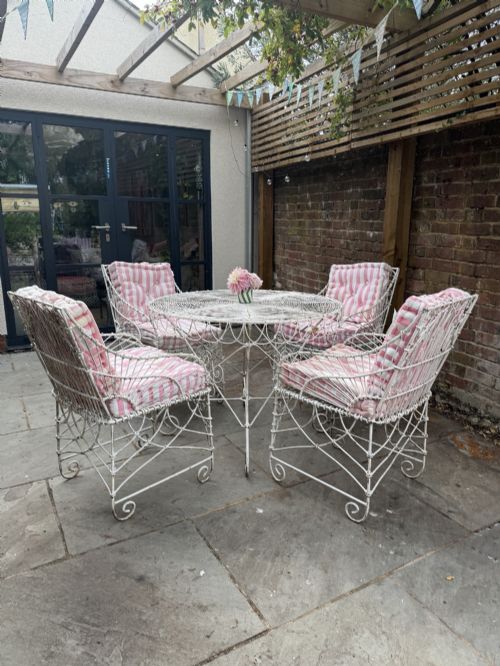
These pieces suit outdoor garden settings, patios, and conservatory spaces where weather-resistant metal withstands the elements. Pairing them with matching tables creates functional dining areas.
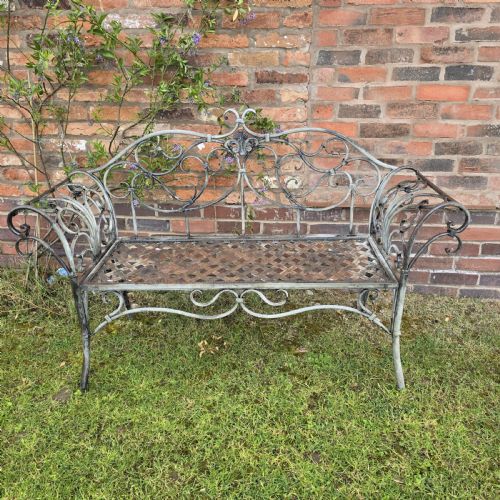
Positioning benches along garden paths or beneath trees highlights their decorative iron frames and botanical motifs.
How do I maintain painted iron furniture?
Regular inspection helps preserve the painted surface and prevents rust from forming on exposed metal areas. Applying a suitable protective coating safeguards the iron against moisture.
Keeping timber slats clean and treated on mixed-material benches ensures the wood complements the iron structure over time.
Are these chairs comfortable for daily use?
Many designs feature contoured cast iron backs and ergonomic armrests intended for relaxed outdoor seating. Adding cushions or fabric pads provides extra comfort for prolonged lounging.
Rocking chairs and dining sets offer varied seating experiences tailored to different garden activities.
How do I identify nineteenth-century ironwork?
Look for heavy cast iron construction, distinctive foundry marks, and traditional botanical patterns typical of Victorian manufacturing. Stylistic cues like Regency proportions or French Riviera curves help date specific pieces.
Comparing the crispness of the casting and the assembly methods reveals the period of origin.