






Vintage Decorative Bird Cage
These vintage decorative bird cages bring character to a room through intricate wirework, aged metals and architectural forms.
Vintage Decorative Bird Cage
A vintage decorative bird cage brings sculptural interest to an interior, combining functional animal husbandry with ornamental design. When people search for a vintage decorative bird cage, they encounter pieces ranging from Victorian cast iron stands to mid-century bamboo designs.
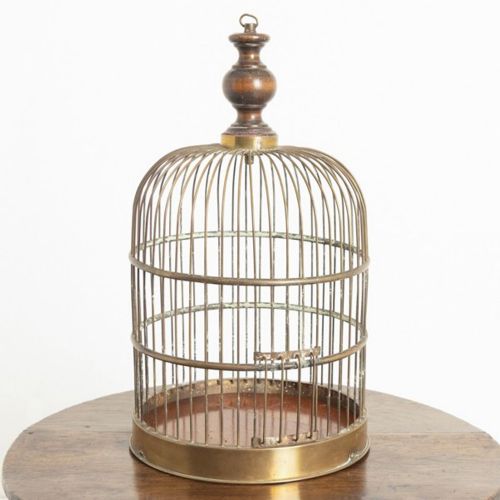
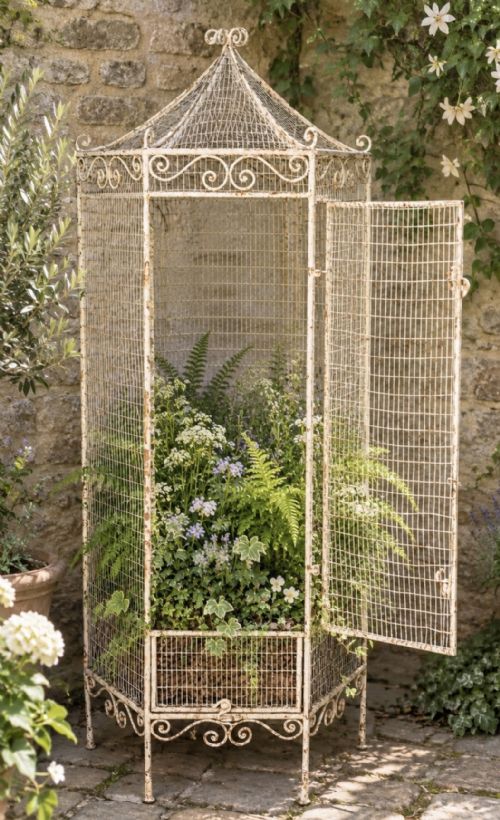
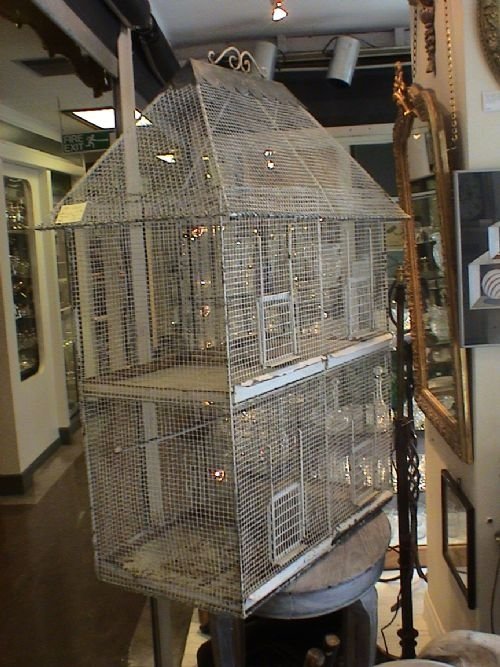
The selection on this page leans heavily towards brass constructions from the early twentieth century alongside nineteenth-century wire frames and chateau zinc examples. Formats vary from round parrot cages to substantial hanging models and country house styles.
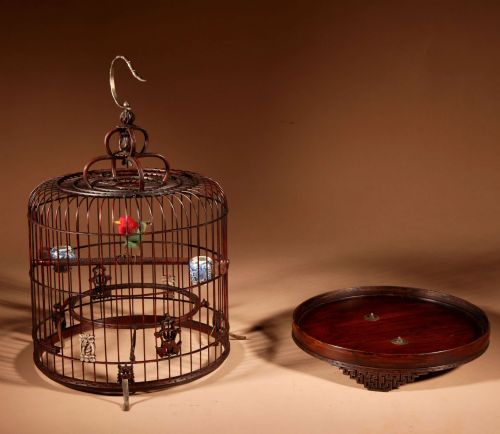
Origins span diverse aesthetics including French provincial, Edwardian and Qing Dynasty styles. These structures suit modern living spaces as standalone decorative objects rather than active habitats for pets.
Materials and construction methods
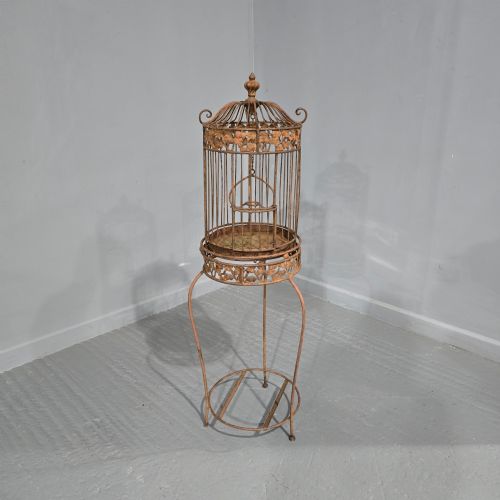
Brass and copper form the backbone of many pieces, often shaped into circular frames with detailed wirework. Iron and cast iron appear in heavier pieces, notably on dedicated stands designed to support substantial weight.
Wood and carved bamboo feature in specific regional designs, particularly Chinese cages utilising intricate joinery. Wire mesh and zinc complete the construction palette, reflecting the industrial capabilities of the nineteenth and twentieth centuries.
Vintage Decorative Bird Cage Retail Price Guide 2026
Typical asking prices for vintage decorative bird cage among the pieces listed under this phrase on Sellingantiques today, from the lower quarter to the upper quarter. They describe what is for sale here now, not the wider market.
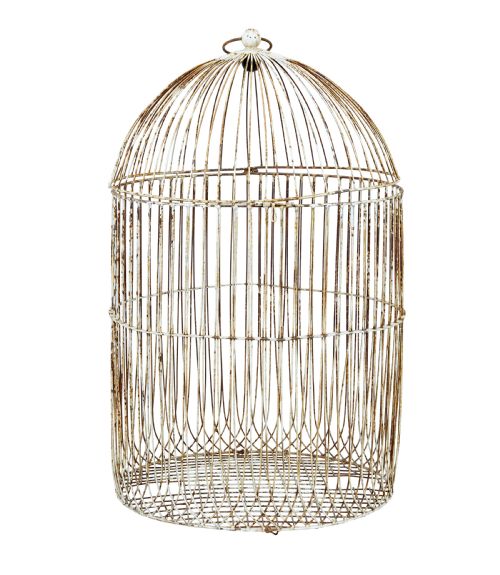
Several examples feature round designs specifically proportioned for keeping parrots.
Distinctions in quality and execution
Quality rests in the precision of the wirework and the integrity of the structural joints. Pieces featuring heavier gauge brass and substantial cast iron demonstrate superior durability compared to lighter alternatives.
The complexity of decorative elements, such as hand-carved bamboo or elaborate architectural domes, separates standard utility items from high-end ornamental examples. Surface patination also plays a role, with naturally aged metals offering greater visual depth than uniform modern finishes.
The Vintage Decorative Bird Cage Glossary
- Patina
- The surface appearance developed through age, oxidation and handling. This natural darkening on brass and copper indicates genuine vintage character.
- Wire frame
- A construction method utilising metal rods or mesh to create the enclosure. Nineteenth-century examples often employ heavy-gauge wire for structural stability.
- Chateau style
- An aesthetic inspired by French country estates, often utilising zinc or weathered metals. These pieces emphasise rustic elegance and substantial scale.
- Bamboo cage
- A light structural form utilising natural cane and intricate joinery. Common in mid-century Chinese export pieces.
Vintage Decorative Bird Cage: Frequently Asked Questions
How do I style a vintage bird cage?
These cages work well suspended from ceilings, placed atop heavy sideboards or integrated into plant displays. Their open structures allow light to pass through, making them ideal for corner placements.
Leaving the interior empty highlights the architectural wirework, though some owners display trailing plants or large decorative spheres inside them.
Are these cages suitable for actual birds?
Most pieces listed here are decorative objects rather than secure homes for live animals. The spacing of the wirework and the presence of aged materials mean they serve better as interior ornaments.
Using them for pets may prove impractical due to historical cleaning methods and the delicate nature of vintage latches.
How do I clean brass bird cages?
Gentle dusting with a soft dry cloth preserves the aged surface without removing desirable patination. Avoid harsh chemical polishes that strip away historical character.
For stubborn dust in intricate wire joints, use a soft artist paintbrush to lift debris carefully from the metal.
How do I identify the period of a cage?
Dating relies on material composition, construction techniques and stylistic markers. Cast iron elements and heavy wire frames typically point to the nineteenth century, while lighter brass and art nouveau curves often indicate the Edwardian era.
Examining the fixings and joinery provides further clues to whether a piece originates from the late Victorian period or the mid-twentieth century.