






Antique Birdcage on Stand
An antique birdcage on stand brings architectural wirework and timber tripod tables into a room as striking decorative focal points.
Antique Birdcage on Stand
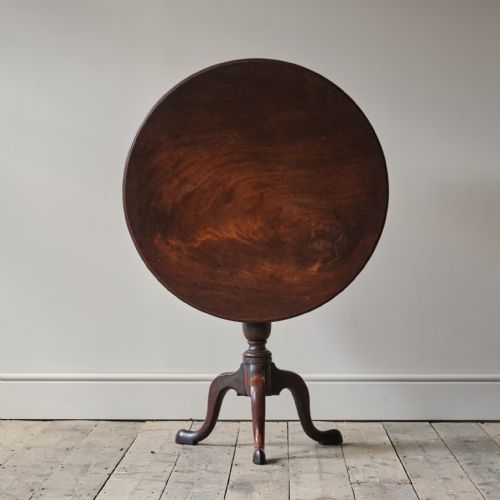
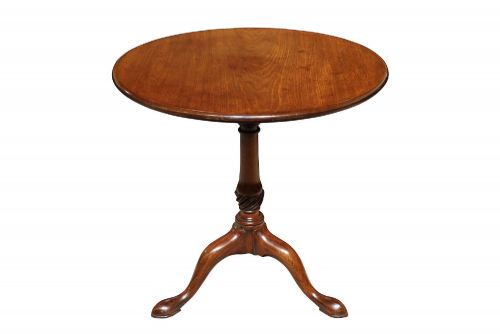
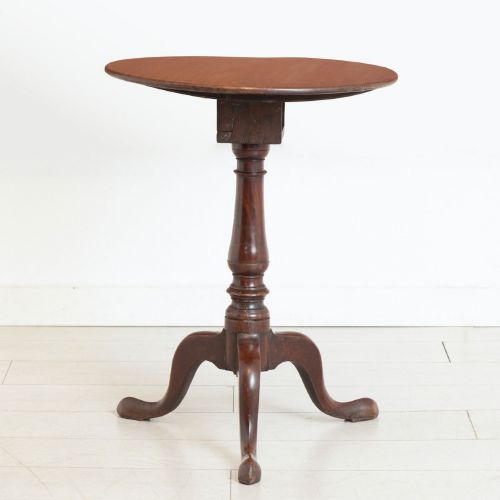
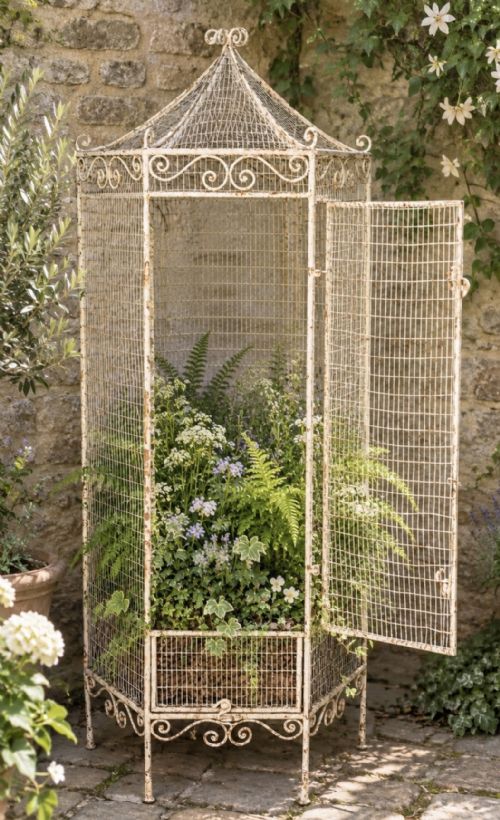
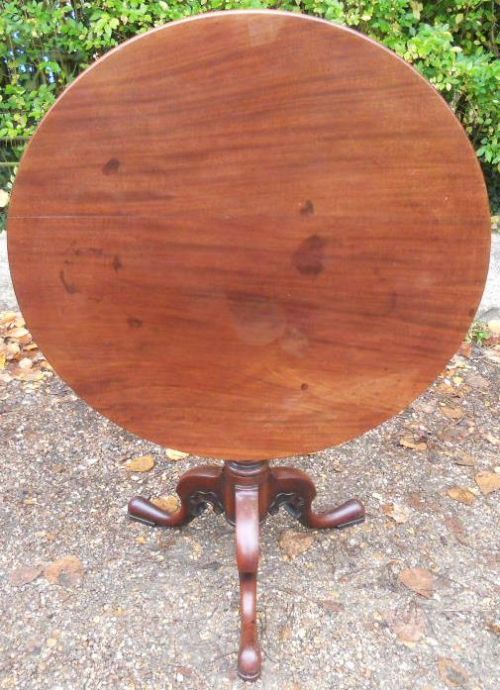
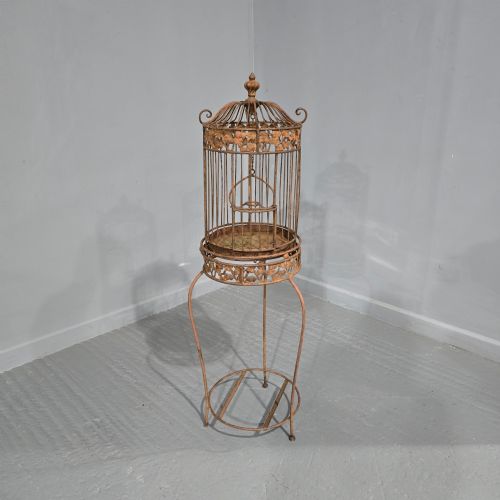
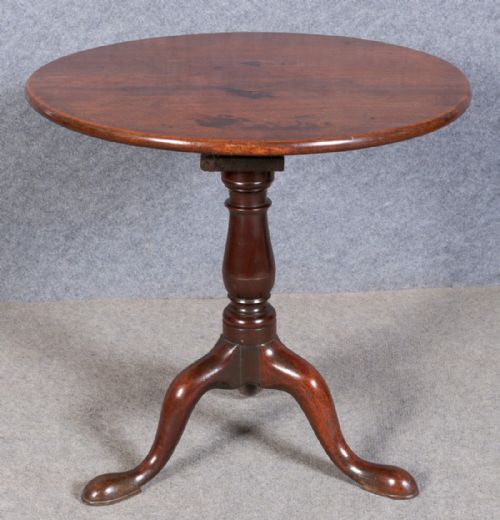
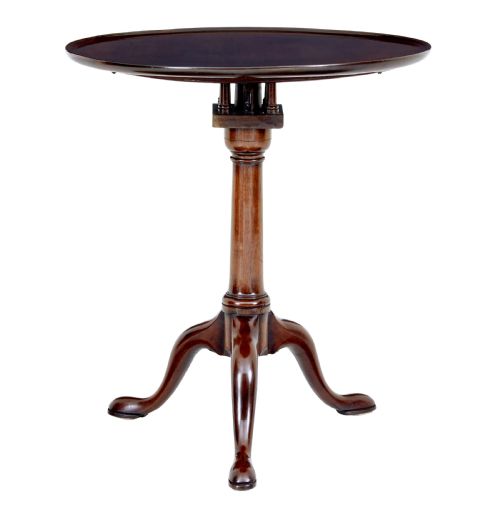
An antique birdcage on stand covers two distinct forms within this collection: fitted wooden tripod tables featuring the signature rotating birdcage mechanism beneath the top, and actual standalone wire or metal cages mounted upon dedicated floor stands. Buyers seeking this search phrase encounter both functional occasional tables from the Georgian period and decorative metal aviaries dating from the Victorian era onward.
The table variety typically employs mahogany or oak, utilising a clever turning block design that allows the surface to tilt and rotate independently of the pillar. Alternatively, the metal designs present substantial brass, copper, iron, or zinc constructions shaped into round or architectural enclosures intended purely for visual display rather than keeping actual pets.
Originating largely from English workshops of the eighteenth century for the tables and French or English sources for the later metal cages, these pieces serve today as characterful side tables, plant stands, or sculptural room accents. The selection spans George II through to early twentieth century pieces, uniting practical furniture history with decorative novelty.
How they were made
The wooden tripod tables rely on solid mahogany or oak, shaped with traditional joinery for the cabriole legs and turned central columns. The central birdcage action incorporates small wooden spindles and turning blocks that permit the tilt-top mechanism to function smoothly.
Metal enclosures utilise brass, copper, iron, wire mesh, and zinc, shaped into cylindrical or architectural forms with soldered joints and riveted mounts. Cast iron provides sturdy weight for Victorian stand bases, while paint finishes sometimes add colour to the wirework elements.
Antique Birdcage on Stand Retail Price Guide 2026
Typical asking prices for birdcage on stand among the pieces listed under this phrase on Sellingantiques today, from the lower quarter to the upper quarter. They describe what is for sale here now, not the wider market.
Materials across these listings span mahogany, oak, brass, copper, iron, wire mesh, and zinc, representing centuries of woodworking and metalworking.
What varies in quality
Quality in the wooden tripod tables rests upon the crispness of the timber turning, the integrity of the birdcage action mechanism, and whether the table top is fashioned from a single board of mahogany rather than multiple joined planks. Finer examples display detailed elements such as pierced galleries or octagonal tops.
Among the metal cages, standard shifts in craftsmanship appear through the thickness of the brass or copper wire, the structural rigidity of the supporting stand, and the decorative detailing applied to the doors and finials.
The Antique Birdcage on Stand Glossary
- Birdcage action
- A rotating wooden block assembly beneath a table top that allows the surface to tilt vertically and swivel horizontally. This mechanism defines many Georgian tripod tables.
- Tripod table
- A small freestanding table supported by three legs radiating from a central pillar. They appeared frequently in eighteenth-century parlours for tea or wine.
- Tilt top
- A tabletop hinged to its base so it can be folded upright against the pillar when not in use. This allowed tables to be stored flat against walls.
- Pierced gallery
- An openwork ornamental railing fitted around the edge of a tabletop to prevent items from sliding off. This feature often indicates a higher grade of cabinetmaking.
- Snaptop
- An alternative term for a tilt-top table utilising a spring catch to lock the surface into the horizontal position. It ensures the table remains steady during use.
Antique Birdcage on Stand: Frequently Asked Questions
What is a birdcage table mechanism?
The birdcage mechanism is a rotating wooden frame positioned directly beneath the table top, featuring small vertical spindles that resemble a cage.
This ingenious invention allows the surface to both tilt upright and rotate a full circle on its central pillar.
How were these tables originally used?
Georgian households utilised these compact tripod tables as movable surfaces for serving tea, wine, or holding candlesticks during evening gatherings.
When not needed, the tops tilted upward so the furniture could be pushed back against the parlor wall to save floor space.
Are the metal cages meant for birds?
While originally designed to house exotic pets in earlier centuries, surviving antique examples function primarily as decorative interior objects today.
Their substantial brass, copper, and zinc construction makes them striking sculptural pieces when placed upon floor stands or tables.
How do I date a mahogany birdcage table?
Dating relies on examining the timber grain, the turning style of the central column, and the construction methods used in the tripod base.
Mid-eighteenth-century examples often feature rich mahogany patination, fine cabriole legs, and precise joinery characteristic of the Georgian era.