




Vintage Decanter Coasters
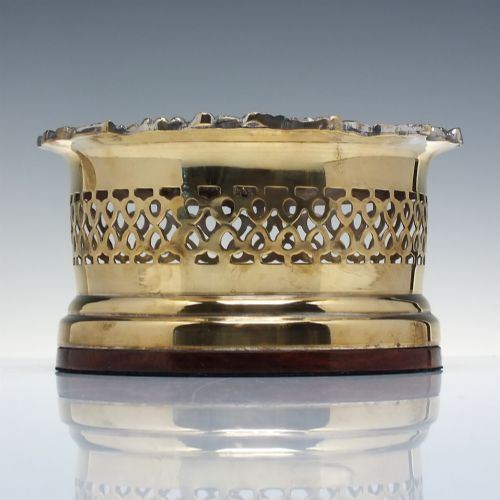
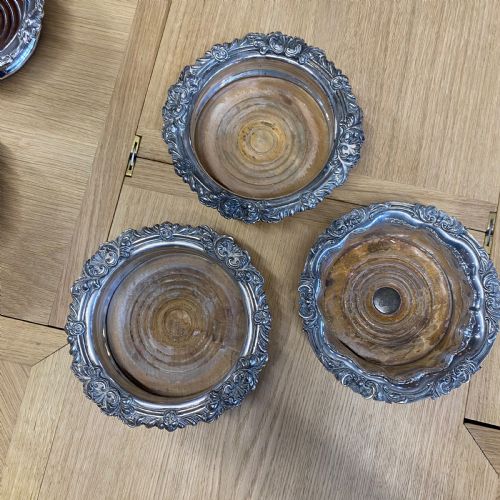
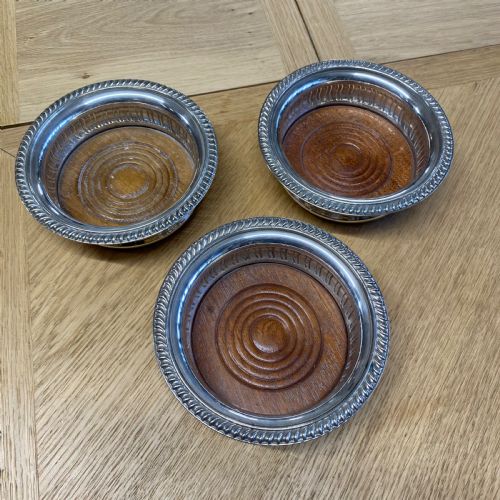
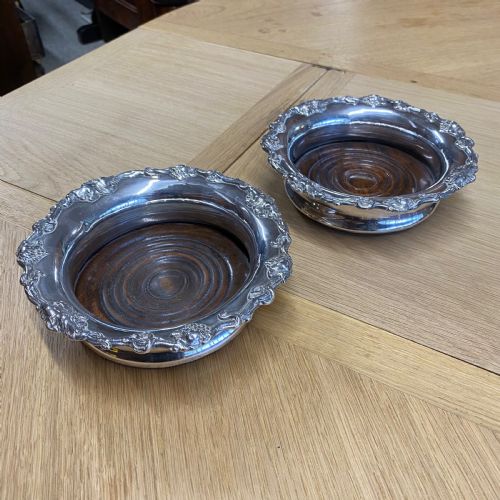
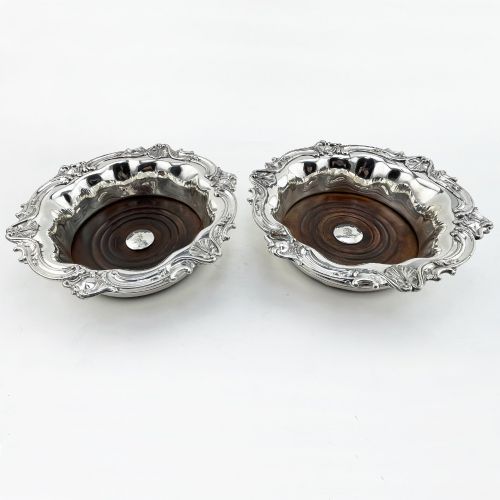
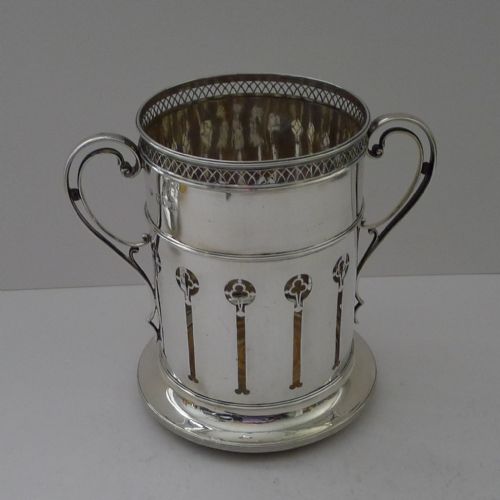
These vintage decanter coasters protect dining tables while holding wine bottles and stands ready to pass around the table.
Vintage Decanter Coasters
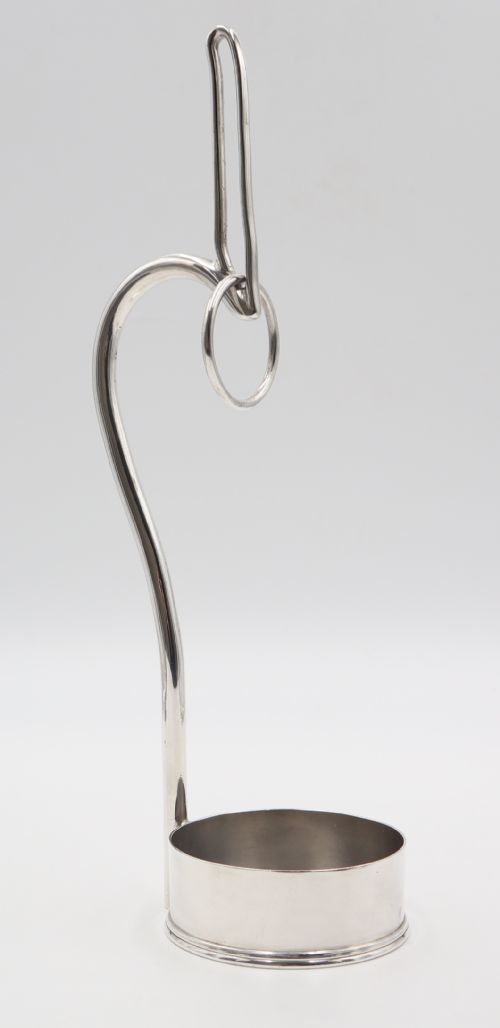
Vintage decanter coasters appear across several periods, including Georgian, Victorian, Edwardian, and mid-twentieth century examples. Most pieces function as individual wine bottle holders or multi-bottle stands designed for the dining table.
The selection ranges from single sterling silver coasters to pairs and multi-bottle treen frames. Buyers regularly encounter silver plated and Old Sheffield plate versions alongside traditional mahogany and rosewood timber designs.
Originating as practical dining accessories, these items span traditional British styles through to decorative Edwardian and art nouveau interpretations. The form adapts from simple circular bases to larger formats capable of holding magnums.
Materials and construction
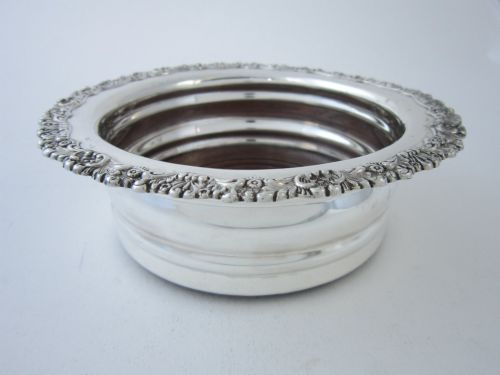
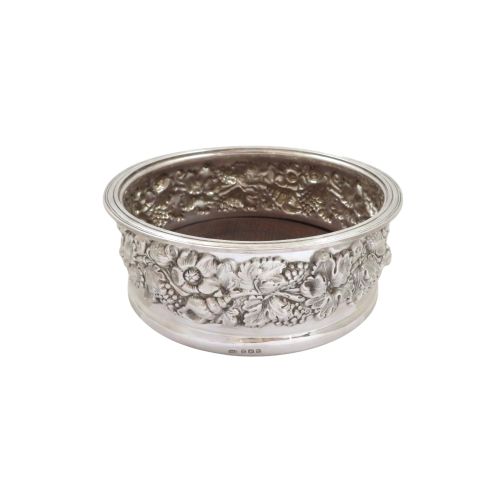
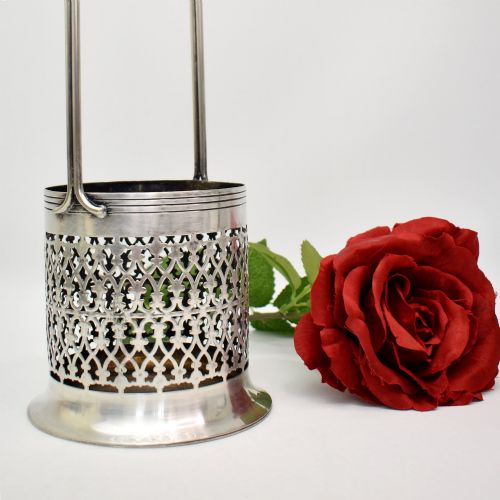
Silversmiths constructed pieces using sterling silver, silver plate, and Old Sheffield plate, often incorporating turned wood bases made from mahogany, rosewood, or general treen. Metal mounts were shaped, chased, or pierced to form decorative galleries around wooden inserts.
Makers combined base metals with fused silver sheets in Old Sheffield plate pieces, whilst sterling silver examples utilised traditional hallmarked smithing techniques. Wooden components were turned on lathes and fitted snugly into the protective metal rims.
Vintage Decanter Coasters Retail Price Guide 2026
Typical asking prices for vintage decanter coasters among the pieces listed under this phrase on Sellingantiques today, from the lower quarter to the upper quarter. They describe what is for sale here now, not the wider market.
Aspects of quality
Quality rests in the crispness of chased metalwork, the weight of the sterling silver or plate, and the grain selection of the wooden bases. Superior examples maintain intact silver layers over copper or plate without excessive wear.
Construction rigidity and the secure fit between the metal gallery and the internal wooden or silver base distinguish finer workshop production from standard domestic wares. Maker marks and clear hallmarks also elevate the standing of individual pieces.
Brook & Son·Asprey·Matthew Boulton·Mein of Kelso
The Vintage Decanter Coasters Glossary
- Old Sheffield Plate
- A fused composite material made by melting a sheet of silver onto a heavier copper bar before rolling them together into plates.
- Treen
- Small domestic wooden objects made by turning on a lathe or through hand carpentry.
- Sterling Silver
- An alloy consisting of silver and other metals, typically copper, maintaining a standard purity proportion.
- Gallery
- The decorative pierced or solid vertical rim surrounding the base of a coaster.
- Magnum Coaster
- An oversized bottle holder specifically dimensioned to accommodate larger wine or champagne bottles.
Vintage Decanter Coasters: Frequently Asked Questions
What is a decanter coaster?
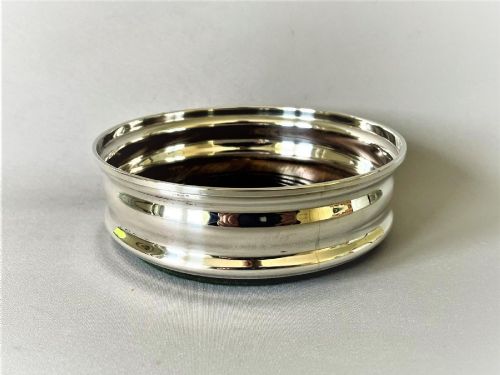
A decanter coaster is a small circular tray or stand designed to hold a wine bottle or decanter. It protects polished dining tables from rings and spills during meals.
These items range from single silver galleries to multi-bottle wooden frames used for passing drinks. They combine practical table protection with decorative dining room presentation.
How do I date a silver coaster?
Dating relies on identifying maker marks, silver hallmarks, and the specific style of the metalwork or timber. Georgian and Victorian examples display distinct manufacturing traits and decorative motifs.
Examining the construction methods, such as Old Sheffield plate layering versus modern electroplate, provides further chronological clues. Reference guides to British hallmarks assist in narrowing down the exact year of production.
Can I use them for daily dining?
These pieces suit regular use on modern dining tables provided they receive gentle care. Metal rims and wooden bases withstand normal placement of bottles during dinner parties.
Maintenance involves careful polishing suited to silver or plated surfaces and keeping wooden bases dry. Regular handling connects modern users with traditional dining customs.
Why do some coasters have wooden bases?
Wooden bases made from mahogany or rosewood provide a stable, flat surface that cushions the bottom of glass decanters. This combination prevents sharp glass-on-table contact and dampens sound.
Treen and timber centres also add contrasting textures against silver and brass galleries. The wood is often turned and polished to highlight natural grain patterns.