


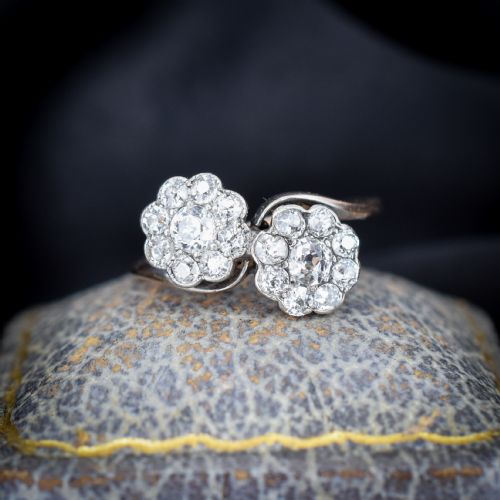

Vintage Daisy Engagement Ring
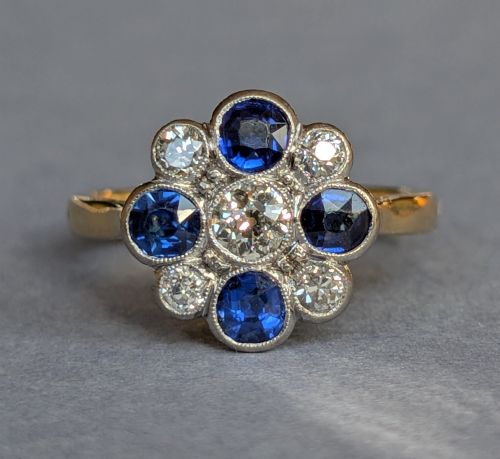
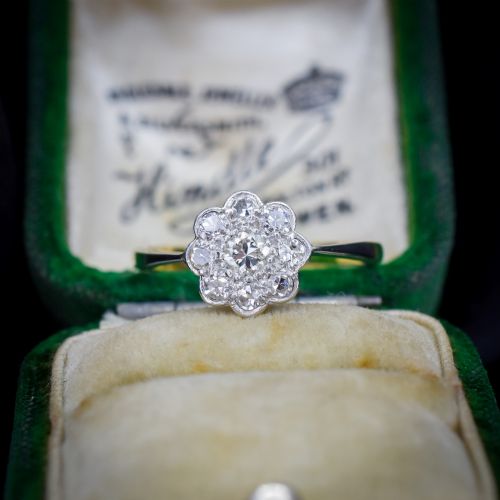
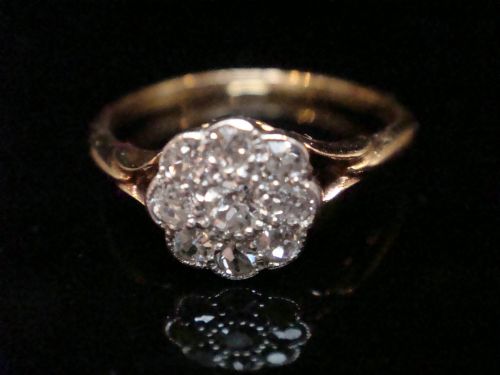
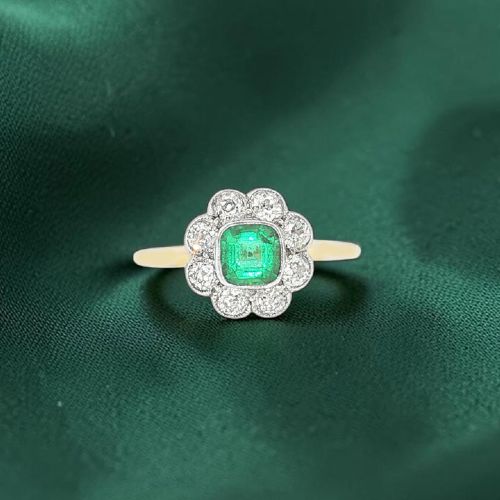
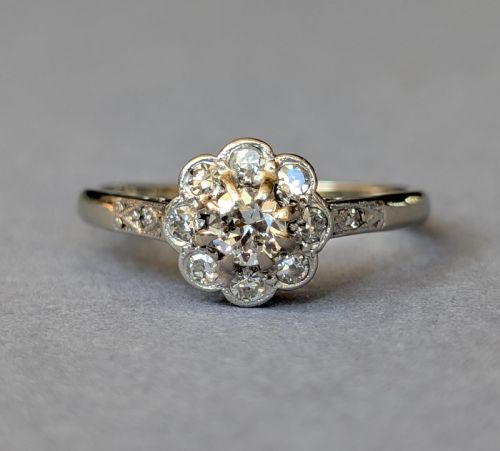
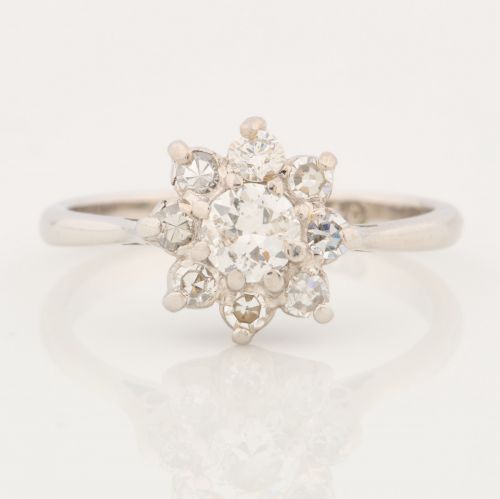
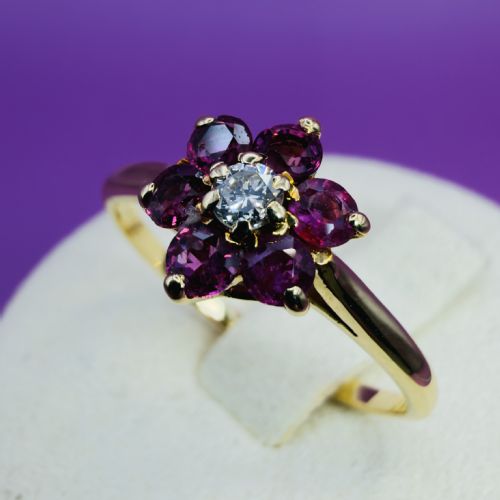
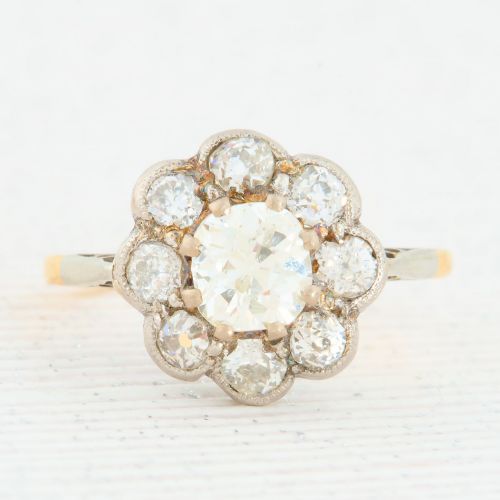
A vintage daisy engagement ring gathers central diamonds within a radiating halo of stones, offering historic floral charm.
Vintage Daisy Engagement Ring
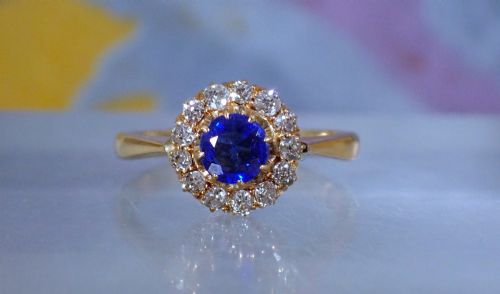
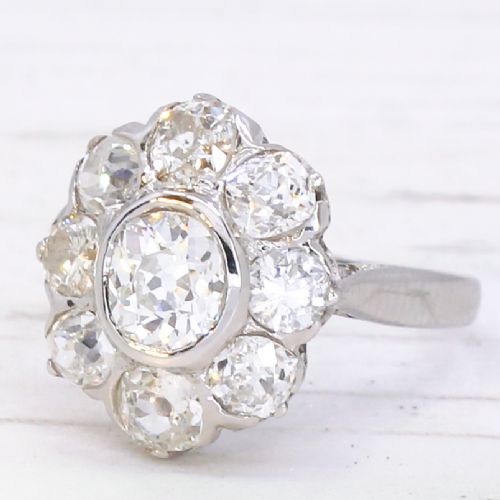
A vintage daisy engagement ring typically presents a central gemstone encircled by a concentric ring of smaller stones, forming a distinct floral motif. These cluster designs appear frequently in Edwardian and Art Deco iterations.
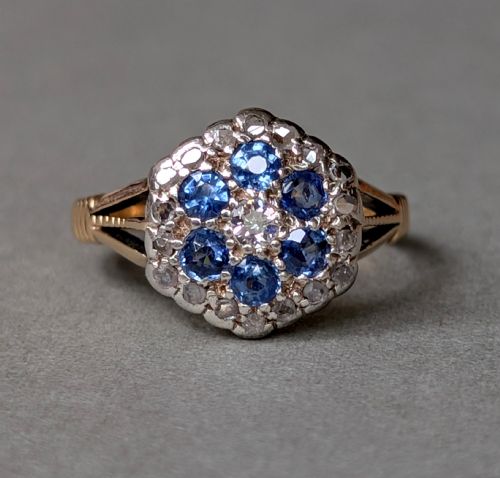
The selections span periods from the Victorian era through the mid-century decades, capturing shifts in aesthetic preferences. Buyers encounter both pure diamond configurations and pieces incorporating sapphires, rubies, or emeralds.
Makers utilised various mounting strategies, often pairing yellow gold bands with platinum settings to enhance the brilliance of the stones. The floral configuration remains the defining characteristic across all listed items.
Materials and construction
Goldsmiths combined 18ct yellow gold, white gold, and platinum to fabricate these rings, frequently mounting stones in platinum-topped gold settings during the Edwardian period. This dual-metal approach maximised white reflectivity while retaining warm gold shanks.
Old cut and brilliant cut diamonds form the core of the cluster heads, accompanied by calibrated sapphires, rubies, and emeralds in coloured stone variants. Hand-cut facets characteristic of early twentieth-century lapidary work define the optical play of the central gems.
Evaluating construction and stone selection
Stone matching heavily influences the overall harmony of a cluster ring, where uniformity in colour and cut grades creates a balanced floral appearance. Older old-cut diamonds bring distinct hand-polished character compared to later brilliant cuts.
The Vintage Daisy Engagement Ring Glossary
- Cluster ring
- A ring featuring a central stone surrounded by a ring of smaller accent stones. This layout forms the foundational architecture of the daisy design.
- Old cut
- A diamond facet style pre-dating modern brilliant cuts, characterised by a smaller table, higher crown, and open culet. These stones project a softer candlelight sparkle.
- Millegrain
- A decorative technique involving small raised beads of metal along the edges of a setting. It imparts a delicate textural border typical of Edwardian and Art Deco jewellery.
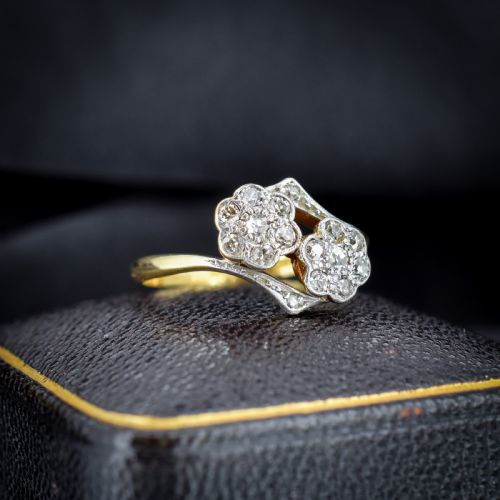
- Toi Et Moi
- French for you and me, denoting a two-stone ring design symbolising two souls intertwined. Some examples incorporate this twist motif alongside cluster elements.
- Platinum
- A dense, durable white metal utilised extensively for secure stone settings in antique rings. Its strength allowed jewellers to create fine wirework claws.
Vintage Daisy Engagement Ring: Frequently Asked Questions
What defines a daisy ring?
A daisy ring centres on a single larger gemstone encircled by a ring of smaller stones that resemble petals. This floral arrangement creates a wide face on the finger without requiring a single massive gem.
Jewellers across the Edwardian and Art Deco periods adapted this motif using diamonds, sapphires, and rubies set in gold and platinum.
How do I care for an antique cluster ring?
Antique cluster rings require gentle handling due to their delicate settings and age. Regular professional checks ensure the tiny claws holding the outer stones remain secure.
Cleaning should involve warm soapy water and a soft brush rather than ultrasonic machines, which can dislodge older stones or damage softer gems.
Are these rings suitable for daily wear?
Most 18ct gold and platinum rings withstand daily wear provided the setting metal has not thinned over the decades. A jeweler can easily reinforce worn shanks or retip delicate claws.
Owners should remove them during heavy physical work to protect the intricate gallery work and smaller accent stones from impact.
How can I tell the period of my ring?
Dating relies on stylistic clues such as millegrain decoration and platinum-topped gold typical of the Edwardian era, or geometric lines characteristic of Art Deco. Hallmark stamps and shank shapes also provide clues to the decade of manufacture.
Comparing the cut of the diamonds, such as old European cuts versus later modern brilliants, narrows down the production window further.