





Vintage Cut Glass Jar
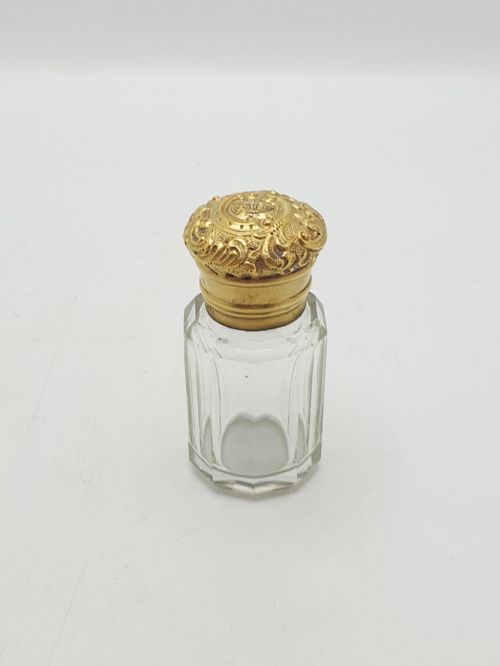
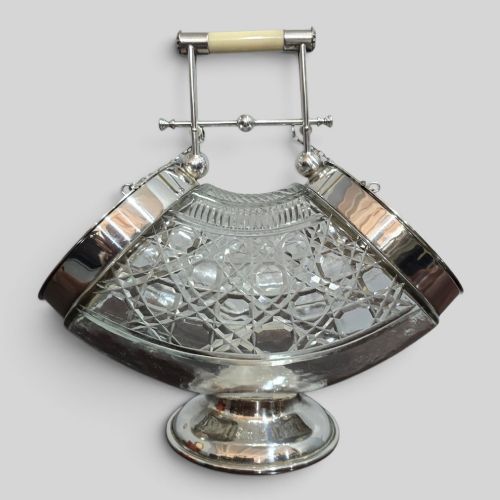
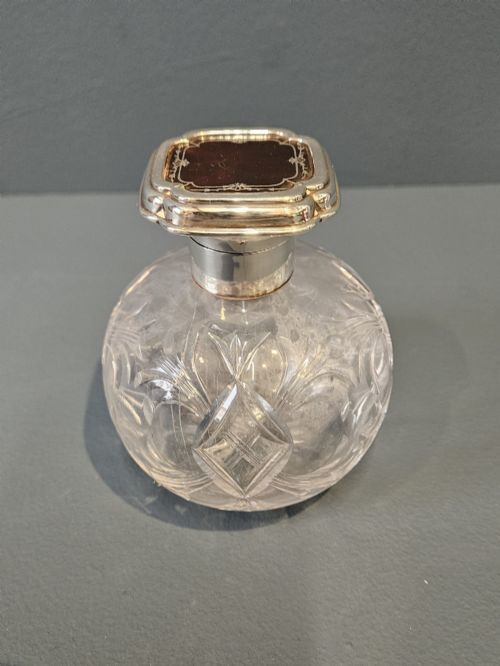
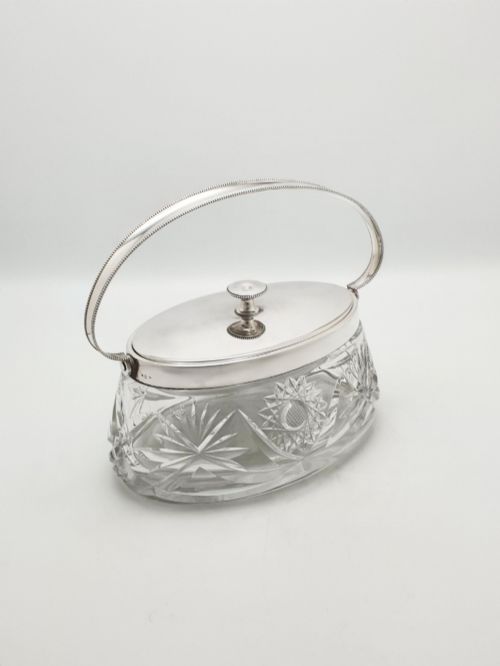
A vintage cut glass jar brings heavy facet-cut weight and bright reflection to a dressing table or tea service.
Vintage Cut Glass Jar
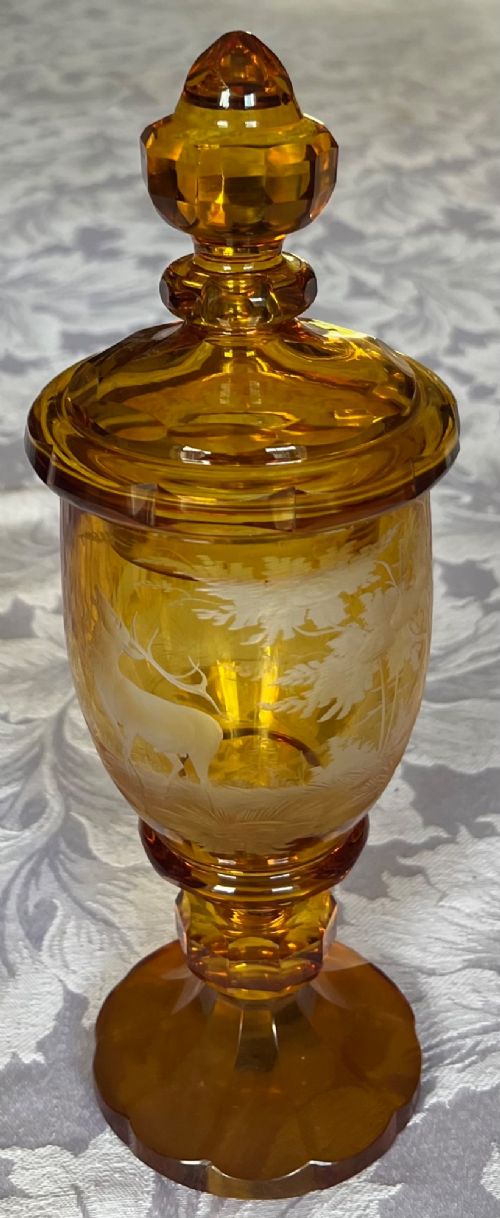
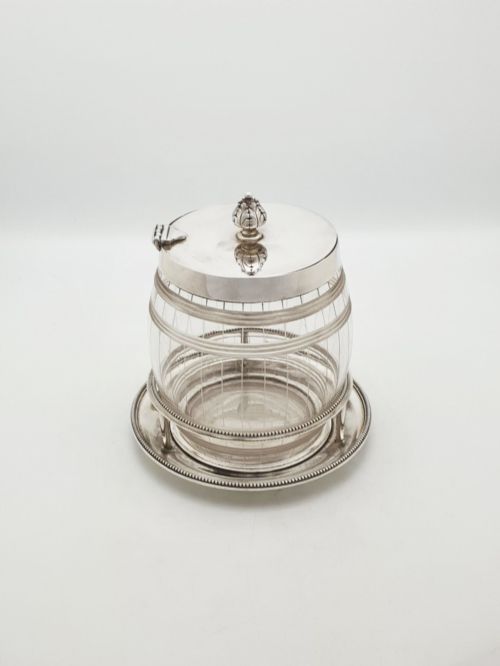
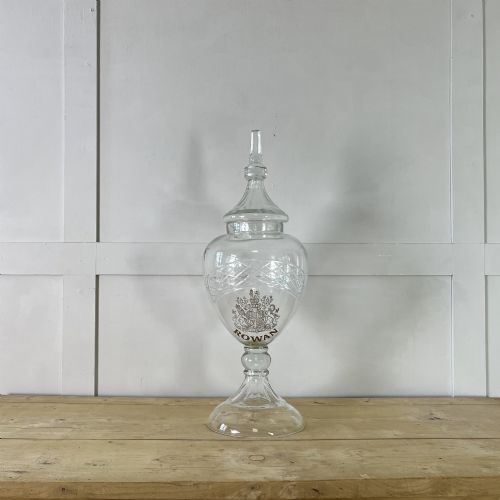
When searching for a vintage cut glass jar, buyers encounter a diverse selection of functional domestic vessels spanning the Victorian, Edwardian, and Art Deco periods. These containers range from heavy biscuit barrels and preserve pots to small dressing table jars, trinket boxes, and scent bottles.
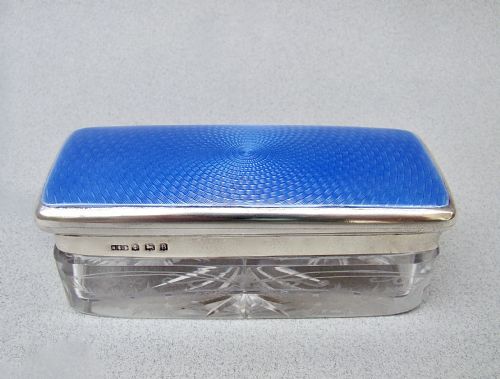
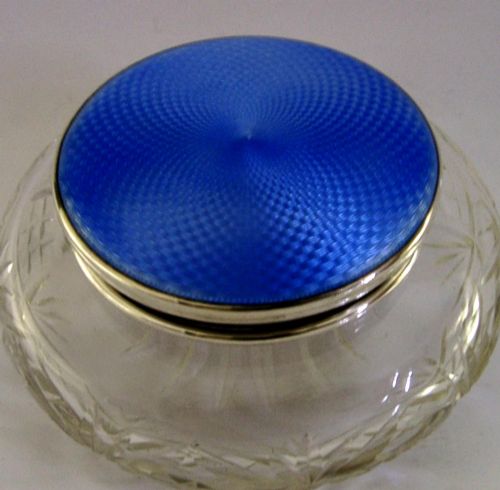
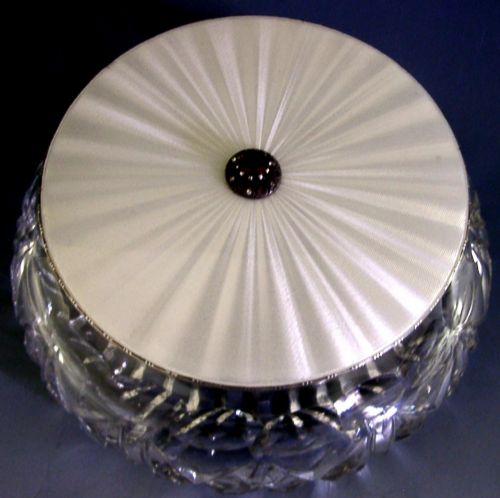
The material combination typically unites clear glass, cut crystal, or coloured glass with mounts of sterling silver, silver plate, or occasionally brass. Many incorporate hinged or removable lids made of silver, tortoiseshell, or guilloche enamel in blue, pink, and other shades.
Pieces from the 1920s and 1930s frequently display geometric Art Deco designs alongside makers' marks from Birmingham and London silversmiths. Earlier Victorian and Edwardian examples lean towards deep hobnail cutting, heraldic finials, and substantial sterling mounts.
How they were made
The manufacture of these vessels relies upon heavy lead crystal or glass blown into moulds or shaped by hand, then finished on a wheel to grind deep facets, diamonds, and flutes into the surface. This abrasive cutting produces sharp light refraction across the body of the jar.
Silversmiths and metalworkers then formed matching collars, hinged lids, and stands from sterling silver or silver plate, securing them to the glass necks with specialised adhesives or tight mechanical flanges. Enamel work, tortoiseshell inlays, and delicate engraving were often applied to the metal tops to complete the pieces.
The documented forms span practical dining vessels like biscuit barrels and honey jars alongside vanity accessories including scent bottles and rouge pots.
What varies in quality
Quality rests primarily on the depth and crispness of the glass cutting, where sharp, clean edges on hobnails and diamonds separate superior work from soft, shallow pressed imitations. The thickness and clarity of the crystal itself dictate the resonance and weight of the vessel.
The standard of the metal mountings and associated decorative elements further divides the range, particularly the weight of the sterling silver collars and the intact preservation of fragile guilloche enamel or polished tortoiseshell lids.
Henry Clifford Davis·Elkington·WMF·Henry Perkins·Asprey & Co·Posen·Barnsley & Co
The Vintage Cut Glass Jar Glossary
- Hobnail cut
- A raised, pyramidal glass-cutting pattern resembling the hobnails used on heavy boots. It creates intense light reflection across the body of a jar or bowl.
- Guilloche enamel
- Decorative metalwork covered in translucent enamel over an engine-turned mechanical engraving. It appears frequently on Art Deco dressing table jar lids.
- Biscuit barrel
- A covered container designed to hold dry biscuits or cakes for the tea table. These often feature silver plated or sterling mounts with swinging handles.
- Sterling silver
- An alloy consisting of silver and other metals, standardly marked to denote a high purity content. It forms the lids, collars, and stands on many fine dressing table and condiment jars.
Vintage Cut Glass Jar: Frequently Asked Questions
What were glass jars used for?
These vessels served myriad domestic and personal functions, holding items ranging from biscuits and preserves at the dining table to perfumes, salts, and cosmetics on a dressing table. Many were specifically tailored as vanity jars, trinket boxes, or tea caddies.
Their presence in the home reflected formal Victorian and Edwardian habits of entertaining and personal grooming, keeping everyday items stored securely beneath fitted metal and glass covers.
How do I date a silver mounted jar?
Dating relies heavily on the hallmarks stamped into the sterling silver mounts, which indicate the assay office, such as Birmingham or London, and the specific year letter. Stylistic markers like Art Deco geometric enamelling or Victorian hobnail cutting offer further chronological clues.
The shape of the vessel and the materials used in the lid, such as tortoiseshell or guilloche enamel, also point to specific decades between the nineteenth and mid-twentieth centuries.
Can I use these for food storage?
Many of these containers were originally manufactured as preserve pots, honey jars, biscuit barrels, or condiment jars, making them physically suited for dry goods or preserves. Care must be taken with antique silver plate and older adhesives that secure the metal collars to the glass.
Hand washing in warm water preserves both the glass and the delicate metal mounts, as these items are generally unsuitable for modern dishwashers.
What is cut crystal versus cut glass?
Cut crystal contains a higher mineral or lead content than standard glass, which increases its weight, clarity, and light-refracting properties when cut on a wheel. This lead content allows artisans to grind deeper, sharper facets without fracturing the material.
Items described as cut crystal typically offer a brighter ring when tapped and a heavier feel in the hand compared to lighter moulded glass alternatives.