




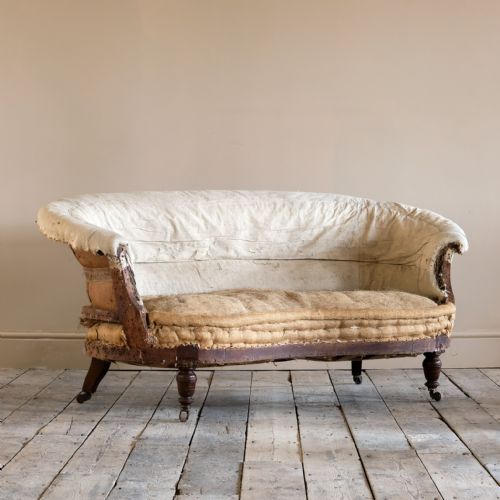


Vintage Curved Sofa
A vintage curved sofa brings sweeping lines and generous seating to a room, offering both comfort and strong architectural presence.
Vintage Curved Sofa
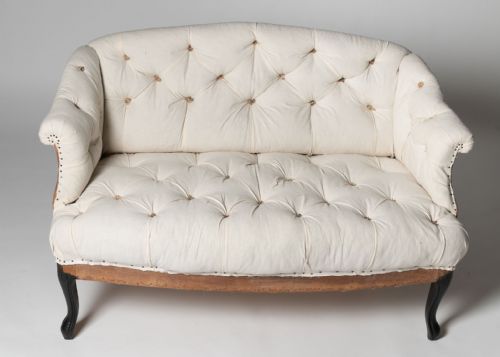
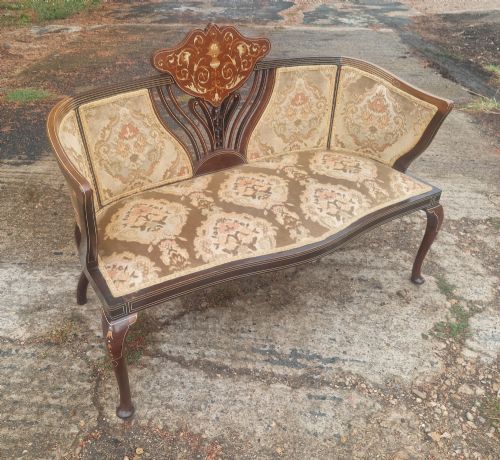
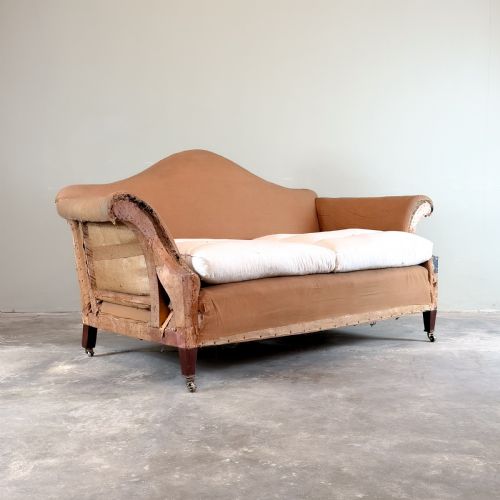
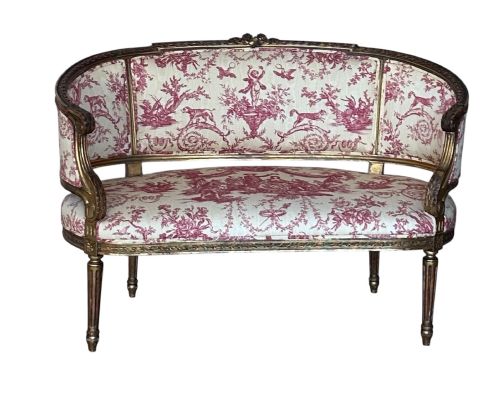
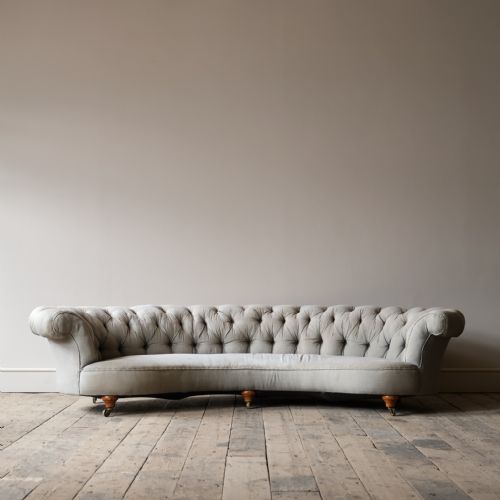
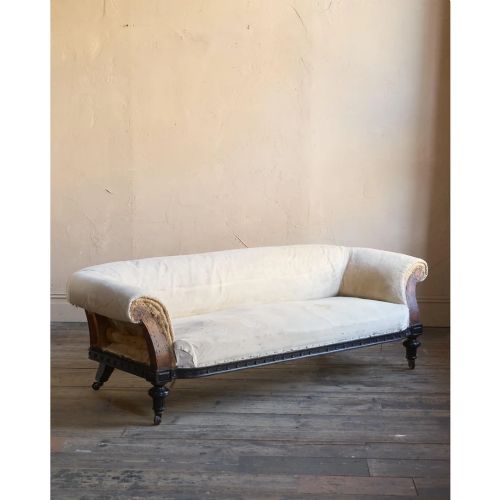
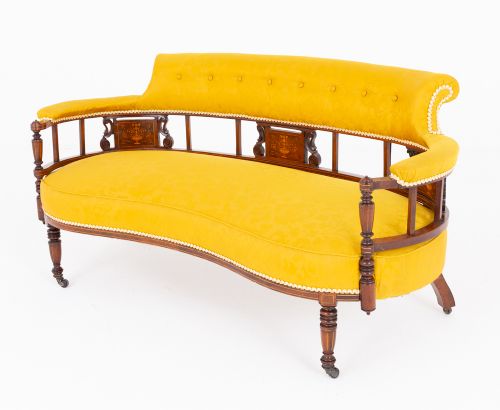
A vintage curved sofa encompasses various rounded and arced seating forms originating from the nineteenth and twentieth centuries. Buyers searching for a vintage curved sofa will encounter pieces spanning periods from the Victorian era through Edwardian times and into Art Deco designs. These seating options include crescent Chesterfields, scroll-shaped settees, and French-influenced canapés.
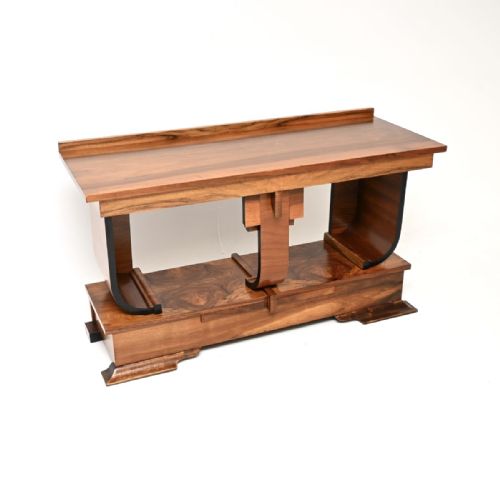
The selection ranges from button-backed Victorian designs to streamlined Art Deco pieces in walnut and palisander. Many items reflect specific stylistic revivals, including Louis XV and Louis XVI styles alongside Georgian influences. Each form brings a distinct silhouette to interior spaces, shaped by the design priorities of its original period.
What varies in quality
The distinction between tiers of quality rests upon the sophistication of the timber work and the integrity of the curved frame. Superior examples display carefully selected veneers like burr walnut or palisander, matched across difficult arced surfaces with precision. Finer pieces also retain their original maker signatures or distinctive upholstery detailing.
Frame rigidity and the preservation of original materials heavily influence the overall standard of a piece. Lesser examples may show heavy structural alterations or compromised joinery within their curved framework. The refinement of the carving, painting, or cane work further separates standard production items from exceptional workshop output.
Vintage Curved Sofa Retail Price Guide 2026
Typical asking prices for vintage curved sofa among the pieces listed under this phrase on Sellingantiques today, from the lower quarter to the upper quarter. They describe what is for sale here now, not the wider market.
Listings feature curved seating forms spanning from nineteenth-century Victorian pieces through Edwardian designs to Art Deco walnut and palisander creations.
Howard And Sons·Hille·Hampton And Sons·Thonet·Gilbert Rohde
The Vintage Curved Sofa Glossary
- Canapé
- An antique French sofa or settee, typically featuring an exposed wooden frame and upholstered seat. These pieces often reflect decorative periods such as Louis XV or Louis XVI styles.
- Chesterfield
- A traditional sofa style characterised by deep button-backed upholstery and rolled arms of equal height to the back. Examples often feature leather or fabric coverings.
- Bentwood
- Wood that has been heated and steamed until pliable, then bent into curved shapes. This technique defines specific seating forms produced around nineteen hundred.
- Palisander
- A dense, dark timber often used for decorative veneers on twentieth-century furniture. Its rich grain patterns enhance the visual appeal of curved cabinet and seating pieces.
- Camel back
- A sofa design featuring a distinctive arced contour along the top rail that resembles the hump of a camel. This classical silhouette appears across eighteenth- and nineteenth-century furniture.
Vintage Curved Sofa: Frequently Asked Questions
How do I identify a vintage curved sofa?
Examine the timber frame construction, upholstery style, and overall silhouette to determine the period. Characteristic details such as exposed bentwood, button-backing, or specific veneer types help anchor the piece to eras like Art Deco or the Victorian period.
Compare the proportions and decorative motifs against known historical styles like Louis XV or Edwardian designs. Consulting maker marks or labels where present provides further confirmation of origin.
What materials were used in these sofas?
Frames are constructed from solid timbers including mahogany, walnut, beech, and rosewood, sometimes utilising bentwood or brass components. Upholstery materials range from durable leather and cotton to decorative fabric and cane panelling.
Finishes include polished wood grains, painted surfaces, and intricate marquetry or inlay work. Each material reflects the manufacturing capabilities and aesthetic preferences of its specific decade of production.
How do I care for leather on a vintage sofa?
Maintain vintage leather by keeping the surface clean from dust using a soft, dry cloth. Avoid placing the sofa near direct heat sources or strong sunlight to prevent the material from drying out.
Condition the leather periodically with appropriate specialist balms recommended for antique hides. This preserves the suppleness and natural character built up over decades of use.
Are these sofas suitable for daily use?
Many vintage curved sofas are built with sturdy hardwood frames capable of supporting everyday seating requirements. The durability depends heavily on the internal frame condition and whether the piece has undergone past restoration.
Consider the existing upholstery stability and foam or spring support when planning regular placement in a busy room. Lighter decorative daybeds may require more gentle treatment than robust leather Chesterfields.