

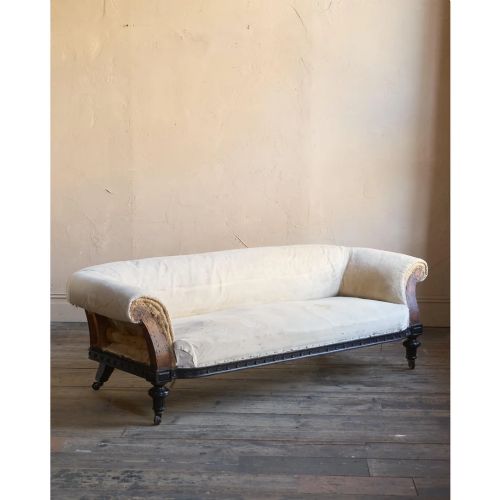
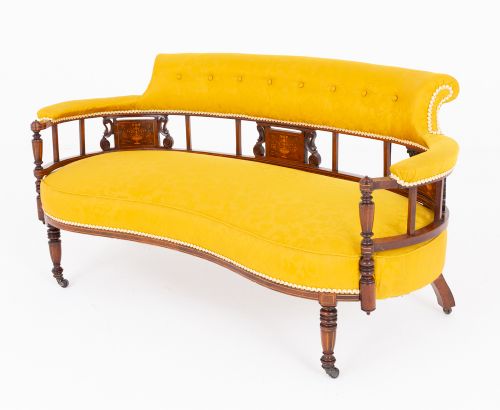
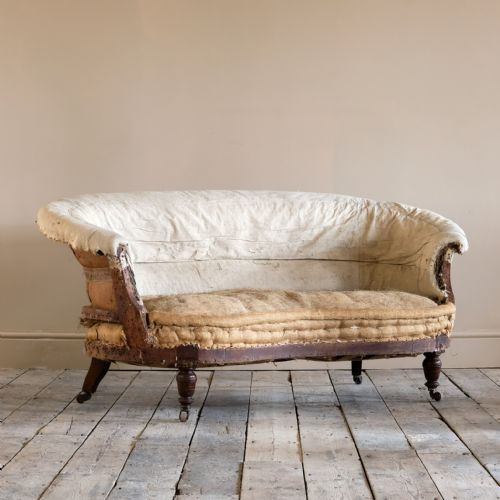


Vintage Curved Back Couch
A vintage curved back couch brings sweeping lines and generous comfort to a room, offering an inviting focal point built for conversation.
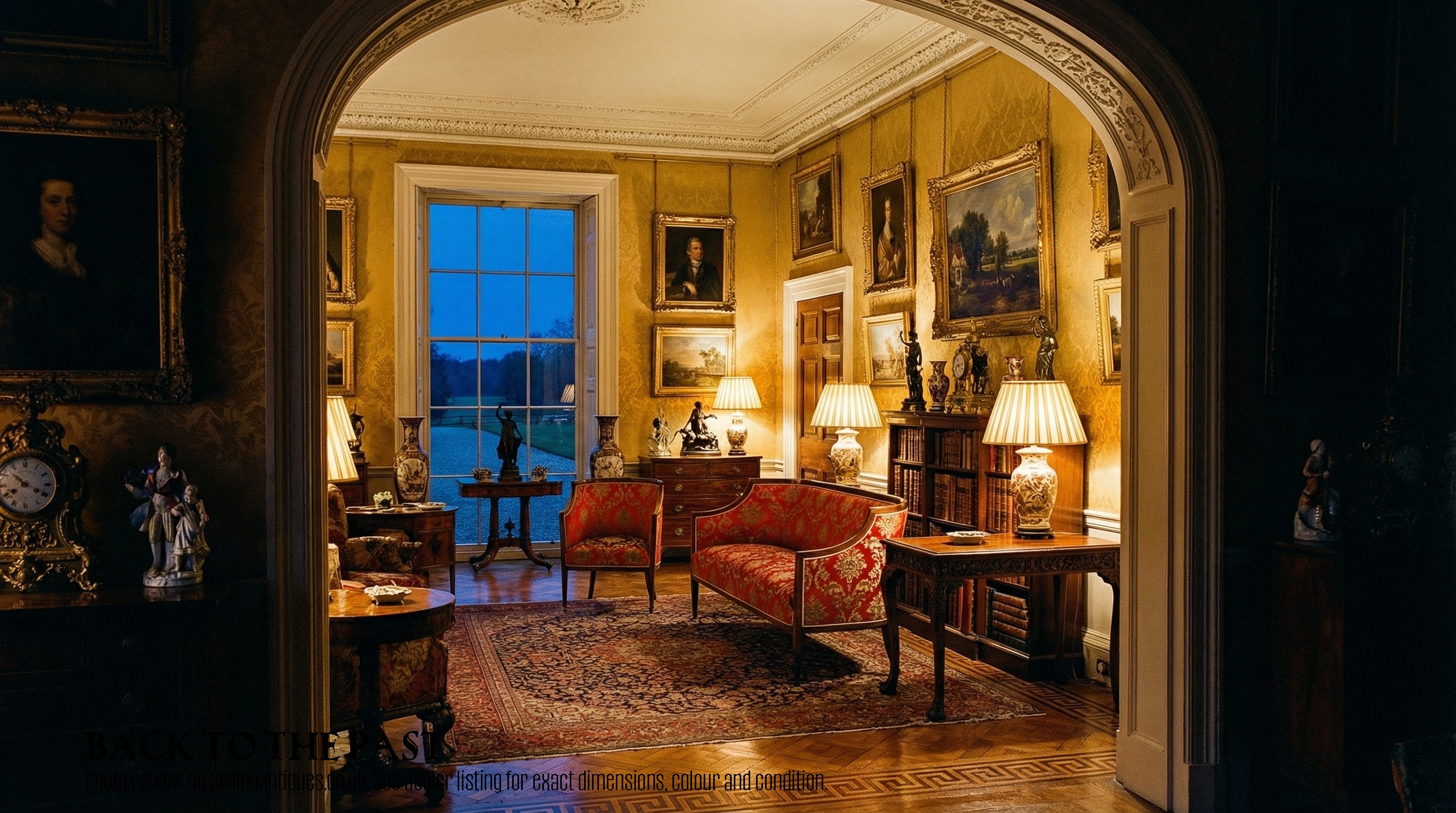
Vintage Curved Back Couch
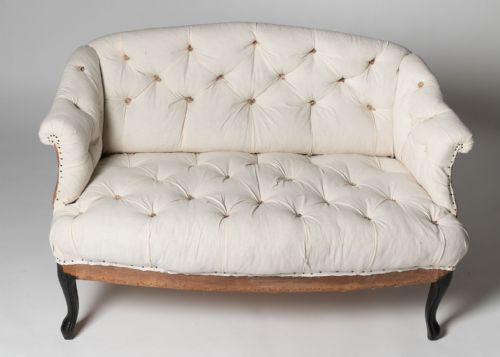
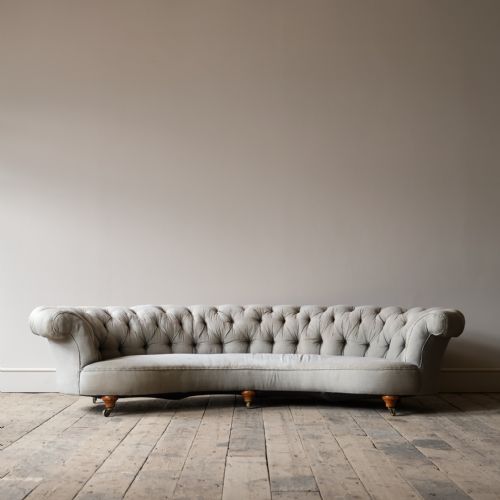
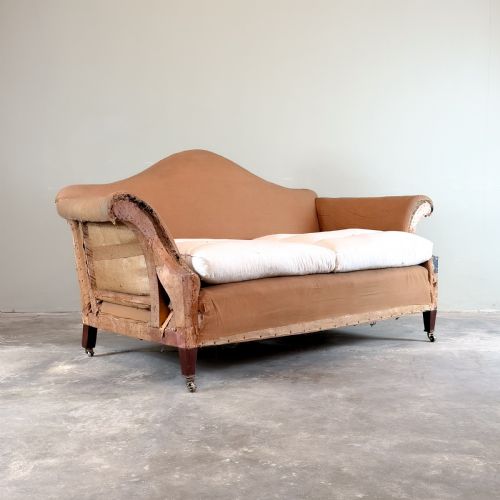
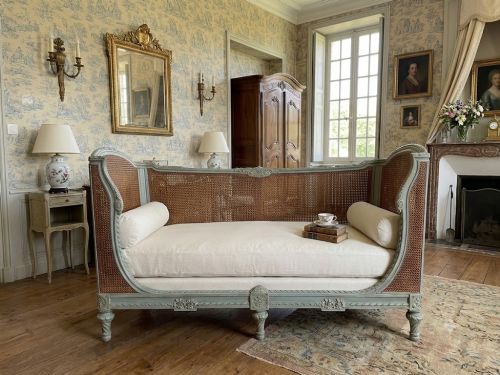
A vintage curved back couch encompasses upholstered seating characterised by rounded or serpentine profiles, drawing from periods such as the Victorian, Edwardian, and Regency eras. Buyers searching for a vintage curved back couch encounter forms ranging from button-backed canapés and crescent Chesterfields to Louis XVI style day beds and camel back sofas.
The selection on this page leans heavily toward nineteenth-century and early twentieth-century British and French interpretations. These pieces appear as distinct sofas, settees, daybeds, and matching suites, utilising generous proportions and curvilinear frames designed for drawing rooms and reception spaces.
Makers and workshops of the nineteenth century shaped these forms using traditional joinery and deep upholstery techniques. The resulting seating combines structural timber framing with sprung interiors, offering varied aesthetic silhouettes from understated mahogany frames to gilded Regency frameworks.
How they were made
Makers constructed the foundational frames of these couches using hardwoods such as mahogany, rosewood, beech, and general hardwood timber, often incorporating inlaid details or painted finishes. Brass fittings and castors frequently supported the heavier frames, particularly on large Chesterfield models.
Upholstery methods relied on traditional stuffing materials enclosed in cotton, fabric, leather, or velvet, frequently finished with deep buttoning. Cane work appeared on specific French-influenced pieces like the canapé corbeille, combining woven cane panels with painted wooden frames.
Vintage Curved Back Couch Retail Price Guide 2026
Typical asking prices for vintage curved back couch among the pieces listed under this phrase on Sellingantiques today, from the lower quarter to the upper quarter. They describe what is for sale here now, not the wider market.
The listings here combine nineteenth-century Victorian and Edwardian examples with French styles, utilising mahogany, rosewood, leather, velvet, and cane.
What varies in quality
The integrity of the underlying hardwood frame dictates the longevity and structural soundness of each couch. Pieces retaining their original timber joinery without compromise sit at the upper end of the scale.
The refinement of the carved details, the choice of surface materials such as quality leather or fine velvet, and the execution of deep buttoning separate standard workshop production from finer maker-attributed pieces.
Howard And Sons·Hampton And Sons
The Vintage Curved Back Couch Glossary
- Canapé
- An upholstered French sofa or settee, often featuring an exposed wooden frame and an open back.
- Chesterfield
- A large upholstered sofa traditionally characterised by deep button tufting and rolled arms equal in height to the back.
- Camel back
- A sofa or settee style featuring a graceful, convex curve along the upper back rail that resembles a camel's hump.
- Regency
- A British design period spanning the early nineteenth century known for classical revival motifs, gilt frames, and structural elegance.
- Aesthetic Movement
- A late nineteenth-century British design style that emphasised visual beauty and artistic craftsmanship over heavy historicism.
Vintage Curved Back Couch: Frequently Asked Questions
What defines a vintage curved back couch?
A vintage curved back couch is defined by its rounded, serpentine, or arched structural silhouette, distinguishing it from straight-backed seating.
These pieces typically date from the nineteenth or early twentieth centuries and utilise traditional upholstery and framing techniques.
How were these couches used originally?
These couches served as principal seating arrangements in formal drawing rooms, parlours, and reception spaces during the Victorian and Edwardian periods.
Their generous proportions and curved designs encouraged polite conversation and relaxed lounging among guests.
How do I care for a leather or velvet couch?
Leather surfaces require regular conditioning with appropriate balms to prevent drying, while velvet benefits from gentle brushing to maintain the pile.
Keeping antique upholstery away from direct sunlight and excessive heat preserves both the fabric colour and the underlying stuffing.
How do I distinguish Victorian from Edwardian styles?
Victorian couches generally feature heavier timber frames, darker wood tones, and deep buttoning with rich fabrics like velvet or heavy leather.
Edwardian pieces often display lighter proportions, painted finishes, or simpler neoclassical influences reflecting a shift toward brighter interiors.