

Vintage Curio Case
A vintage curio case protects and showcases prized small possessions, bringing architectural elegance and glass-fronted visibility to interior spaces.
Vintage Curio Case
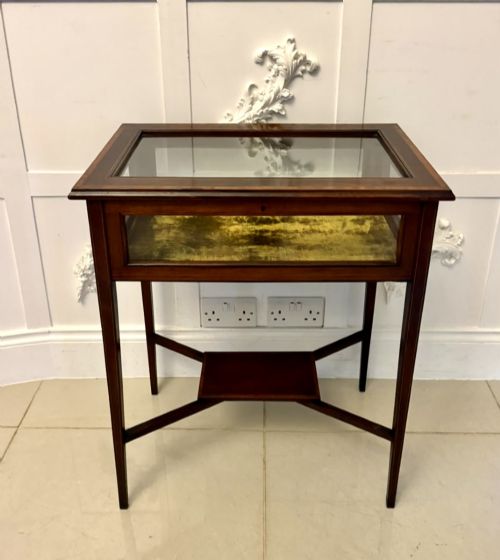
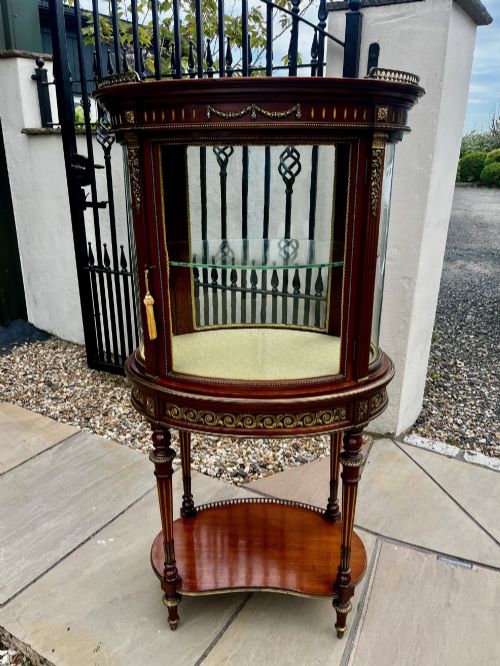
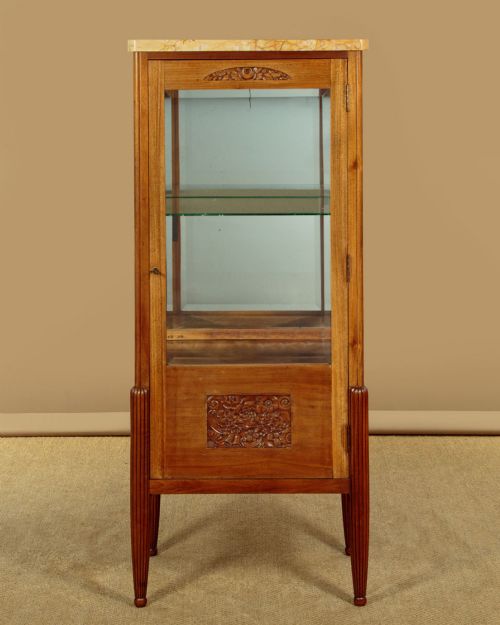
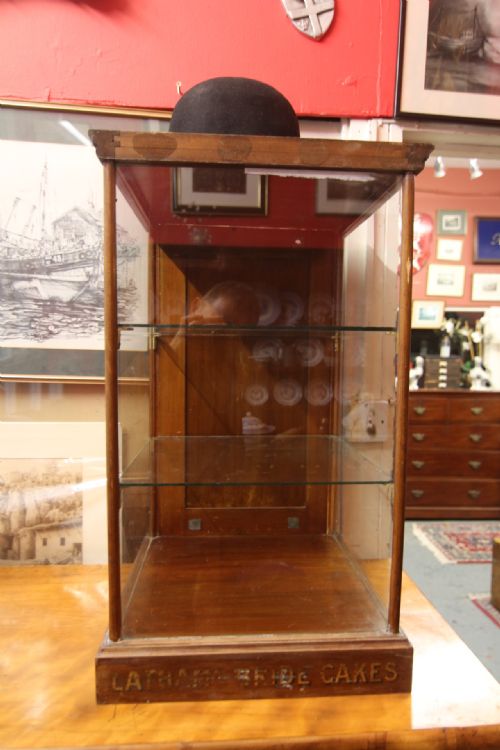
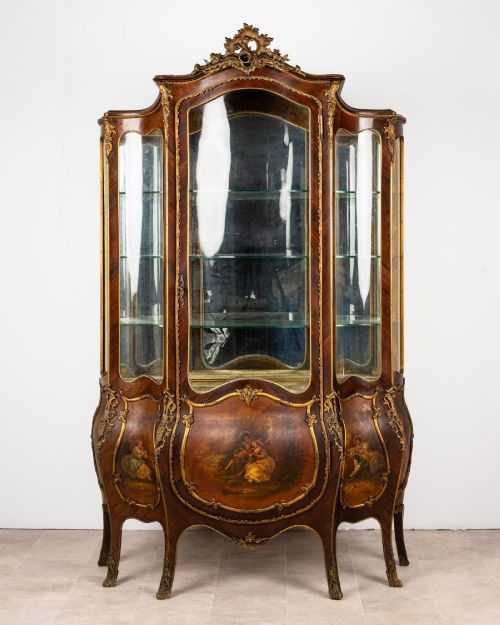
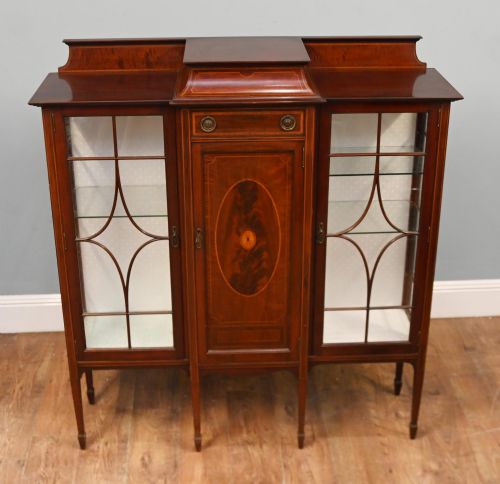
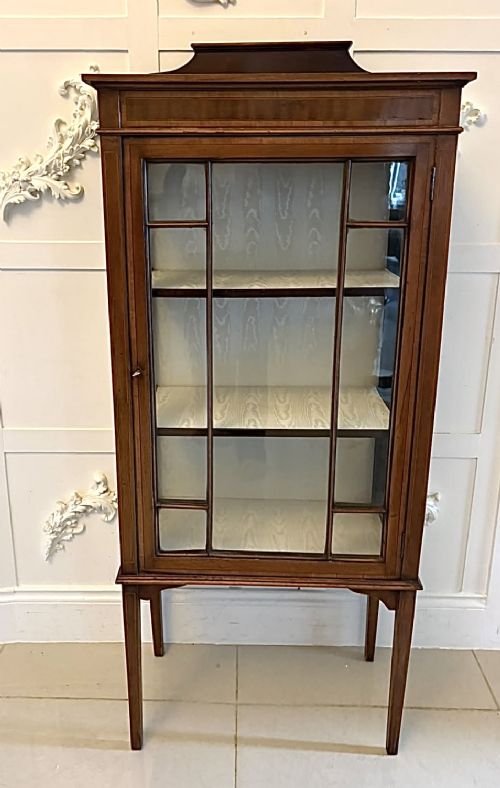
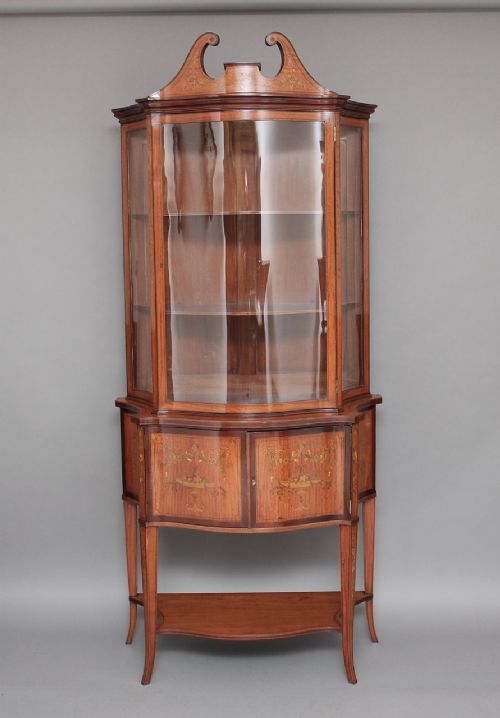
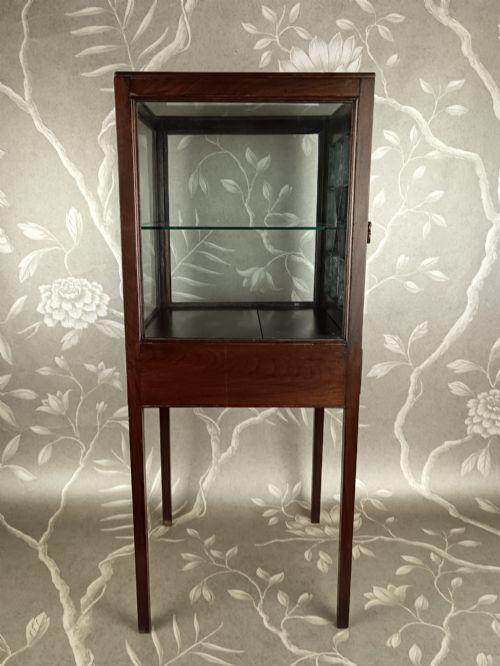
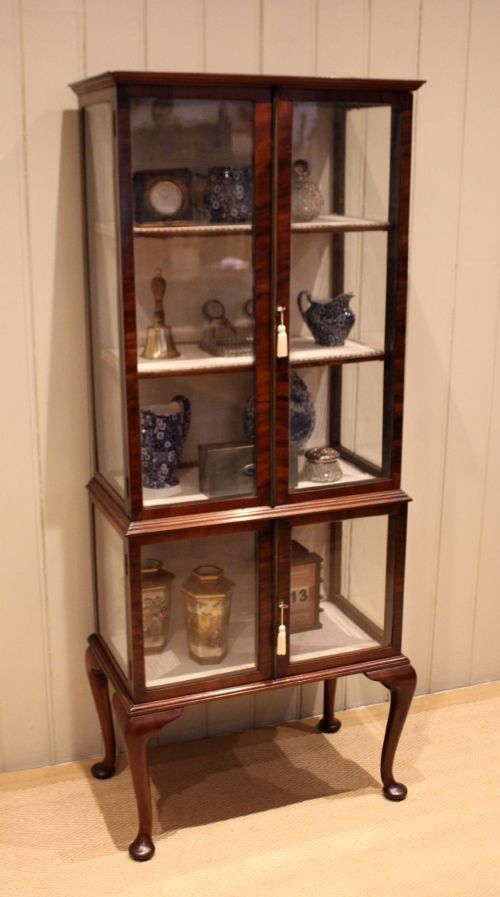
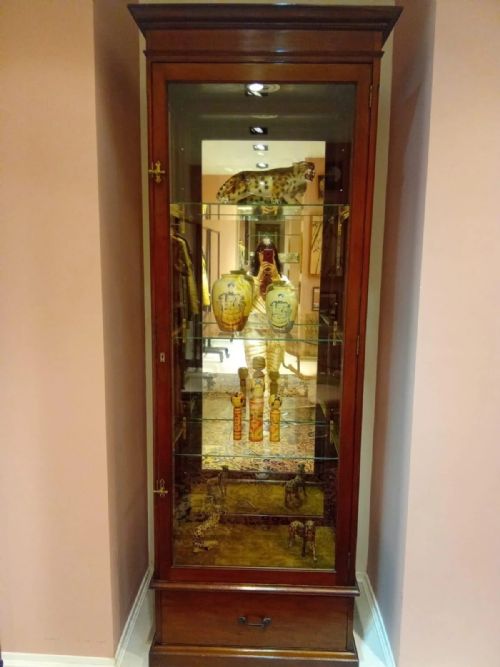
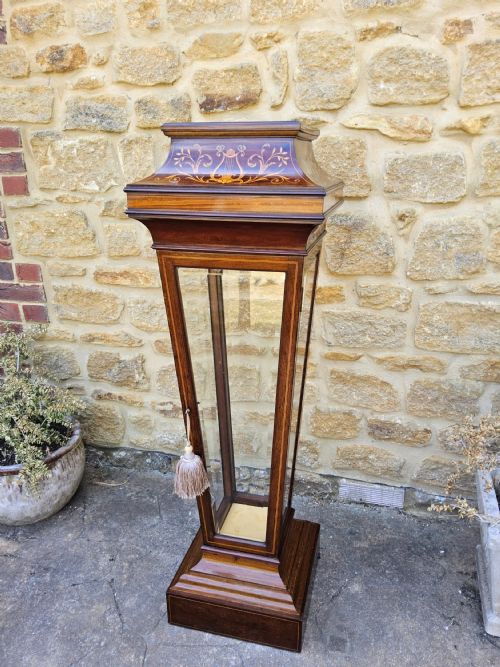
Makers drew on diverse aesthetic traditions, producing cabinets in Sheraton revival, French Rococo revival, and Louis XVI styles. Buyers will frequently encounter upright glazed cabinets alongside specialised formats like glass display domes and pedestal cases.
Materials and construction
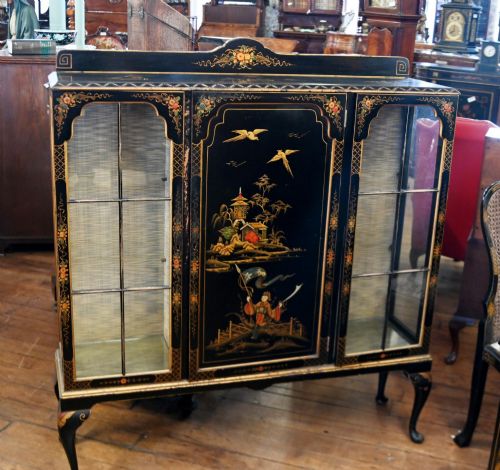
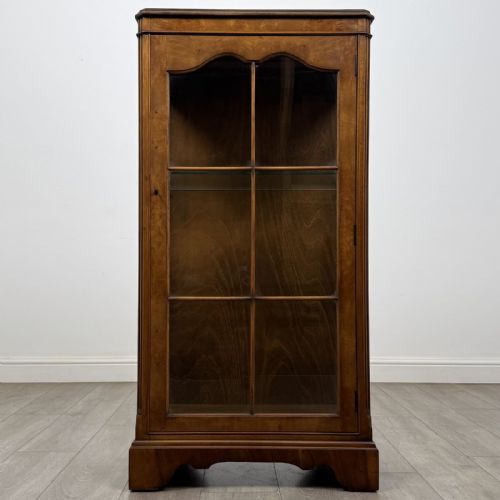
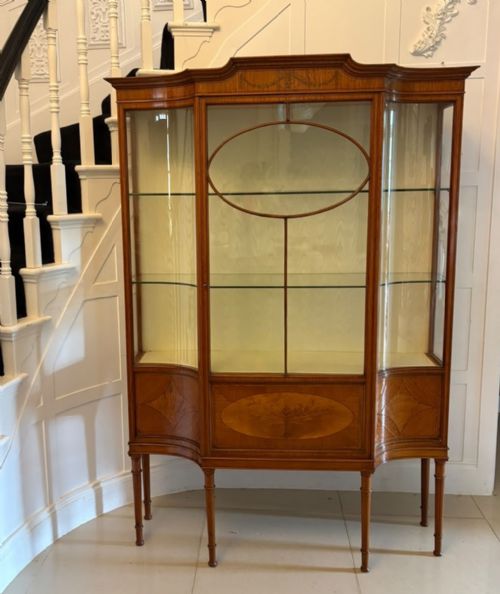
Cabinet makers relied primarily on solid and veneered timbers, utilising mahogany, walnut, and satinwood, frequently enhanced with contrasting marquetry inlays or ebonised finishes. Brass mounts, ormolu details, and painted highlights provide structural accent and decorative contrast.
Glazing forms the essential enclosure for these pieces, utilising clear sheet glass fitted into timber frameworks or curved glass panels on bow-front models. Interior organisation often incorporates adjustable glass shelves and fabric-lined display surfaces to support delicate items.
Vintage Curio Case Retail Price Guide 2026
Typical asking prices for vintage curio case among the pieces listed under this phrase on Sellingantiques today, from the lower quarter to the upper quarter. They describe what is for sale here now, not the wider market.
Taxidermy specimens occasionally share display dome housing with Victorian ornaments.
Distinguishing quality in display furniture
Superior examples demonstrate precision in cabinet-making through tight joinery, smooth door operation, and finely matched timber grains such as burr walnut or figured mahogany. The sophistication of inlay work, including delicate satinwood stringing and brass mounts, elevates the piece beyond standard production.
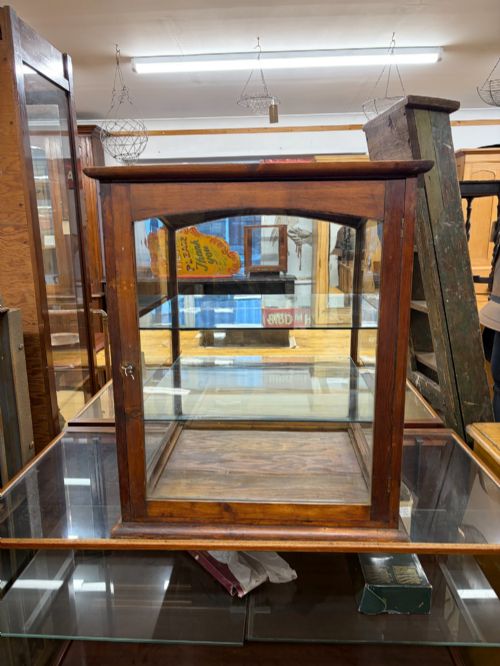
The use of specialised glass, such as curved door panes or bevelled edges, alongside well-integrated hardware and sturdy internal shelving, distinguishes finer cabinets from more utilitarian shop displays and simpler constructions.
The Vintage Curio Case Glossary
- Vitrine
- A glass-fronted display cabinet specifically designed for showing porcelain, curiosities, and fine objects.
- Bijouterie table
- A glass-topped display table with a shallow compartment underneath for arranging jewellery and small ornaments.
- Ormolu
- Gilded bronze ornamentation applied to furniture, popular in French-inspired and revival styles.
- Vernis Martin
- A type of simulated Japanese lacquer developed in France, often seen on fine decorative cabinets.
- Inlay
- A technique where pieces of contrasting wood or other materials are inserted into the timber surface to form decorative patterns.
Vintage Curio Case: Frequently Asked Questions
What is a curio case used for?
These cabinets serve to display and protect collections of small ornaments, porcelain, and curiosities while keeping them free from dust.
They allow owners to curate visual arrangements within living spaces, utilising glass panels and shelves to maximise light around each object.
How do I date a cabinet?
Dating relies on identifying the prevailing stylistic cues, timber choices, and construction methods characteristic of periods like the Edwardian era or Art Deco.
Details such as inlay motifs, brass hardware, and the treatment of the timber frame often point to a specific decade of manufacture.
Where should I place a vitrine?
Vitrines suit reception rooms, hallways, and studies where natural or artificial light can illuminate the glazed display area.
Positioning them away from direct sunlight helps protect delicate interior fabrics and organic items contained inside.
What is the difference between a vitrine and a bookcase?
While both feature glass doors, a vitrine is built primarily for decorative display with transparent sides and shelves designed to highlight small objects.
Bookcases generally feature solid timber sides and heavier, adjustable wooden shelving proportioned specifically for books.