



Vintage Crystal Tableware
Vintage crystal tableware combines heavy cut glass with sterling silver and silver plate to bring sparkle and function to dining.
Vintage Crystal Tableware
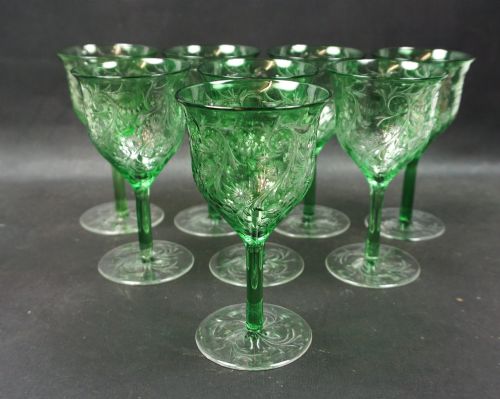
Vintage crystal tableware covers practical dining and serving items made from cut glass, crystal, and glass, frequently mounted with sterling silver or silver plate. When you search for vintage crystal tableware, you encounter everything from decanters and condiment sets to bowls, vases, and salt cellars spanning the Victorian, Edwardian, Art Deco, and mid-century periods.
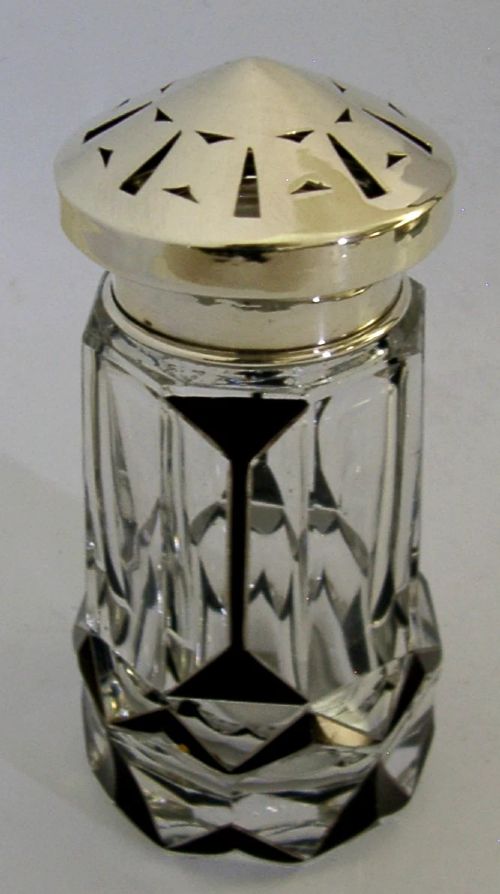
The most common pieces on this page are Edwardian and Victorian cut glass items, alongside 19th-century decanters, bowls, and silver-mounted jars. These objects reflect formal dining traditions where heavy glass was paired with precious metals for serving preserves, wine, sugar, and condiments at the table.
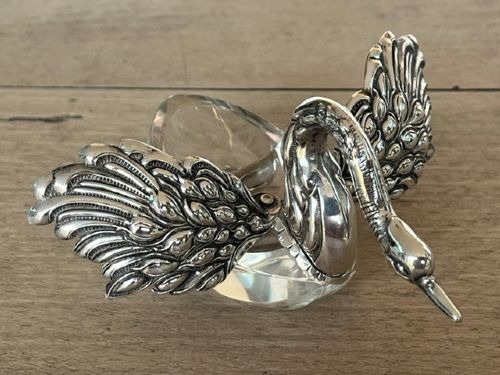
Earlier examples reach back to Georgian and Regency styles, while mid-century pieces like the 1960 swan salt cellar introduce playful forms. Whether you seek a pedestal bowl for fruit or a set of finger bowls, these items preserve historical craftsmanship for modern use.
Materials and construction
Makers shaped these pieces using lead crystal, cut crystal, and plain glass, often hand-blowing vessels before applying deep wheel cuts to catch the light. The resulting facets define the optical weight and brilliance of each item.
Metal mounts in sterling silver and silver plate provide structural frames and decorative lids, secure hinges, and finials. Techniques such as etching, engraving, and enamel work further embellish surfaces alongside the traditional rat-tail and silver-mounted joins.
Vintage Crystal Tableware Retail Price Guide 2026
Typical asking prices for vintage crystal tableware among the pieces listed under this phrase on Sellingantiques today, from the lower quarter to the upper quarter. They describe what is for sale here now, not the wider market.
Materials range from simple glass and silver plate to heavy lead crystal, cut crystal, and sterling silver mounts.
Assessing quality and distinction
The weight and clarity of the crystal separate standard production from exceptional work, with heavier lead content yielding sharper facet edges and a clearer ring when struck. Superior pieces display crisply defined wheel cutting that remains sharp to the touch without surface blur.
The integration of metal components dictates overall refinement, where heavy sterling silver mounts fit the glass contours precisely rather than relying on excess adhesive. Original details, fitted cases, and intact silver hallmarks elevate the integrity of the piece.
Asprey & Co.
The Vintage Crystal Tableware Glossary
- Cut glass
- Glass decorated by abrasive wheels that grind patterns into the surface. Deeper cuts create distinct geometric facets.
- Silver plate
- A base metal coated with a thin layer of silver. This technique offered an accessible alternative to solid sterling silver for tableware mounts.
- Finger bowl
- A small bowl filled with water placed before guests between courses to rinse fingers. They frequently appear in sets from the nineteenth century.
- Decanter
- A vessel designed for holding and serving wine or spirits. They often feature matching stoppers and engraved or cut motifs.
- Comport
- A large pedestal bowl or dish used for serving fruit or sweets. They elevate items above the surface of the dining table.
Vintage Crystal Tableware: Frequently Asked Questions
How do I clean vintage crystal tableware?
Wash pieces by hand in warm water using mild detergent, avoiding sudden temperature changes that can crack old glass. Dry them immediately with a soft cloth to maintain clarity and prevent water spots.
Keep silver mounts polished with a dedicated cloth while taking care to avoid abrasive contact with the surrounding glass surface.
Were these items meant for daily use?
Victorian and Edwardian households utilised these objects during formal meals and gatherings. Decanters served wine, while condiment jars and salt cellars held table additions.
Today, many buyers continue to use them for dining or display them as functional historic items in cabinet collections.
How can I tell Victorian pieces from Edwardian ones?
Victorian items often lean toward heavy, elaborate cutting with botanical motifs like grapes and vines, sometimes featuring heraldic finials. Edwardian pieces frequently balance traditional weight with slightly lighter floral or neoclassical engraving.
Examining silver hallmarks alongside the specific cut patterns helps confirm the exact period of manufacture.
What is the difference between glass and crystal?
Crystal contains added minerals like lead oxide that increase the weight, density, and refractive index of the material. This composition allows crystal to produce deeper facet cuts and a resonant tone when tapped.
Standard glass lacks these additives, resulting in a lighter feel and simpler optical properties.