




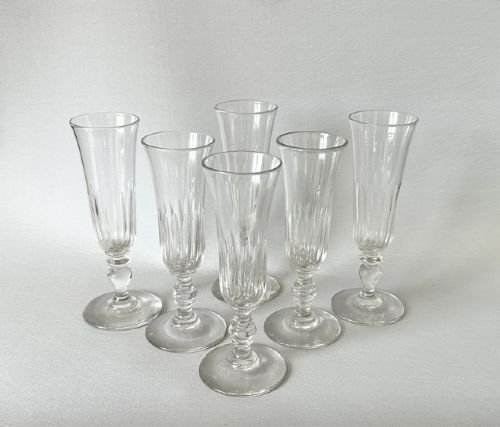


Vintage Crystal Flutes
These vintage crystal flutes bring serious sparkle to a table, offering slender vessels designed specifically to preserve the effervescence of fine champagne.
Vintage Crystal Flutes
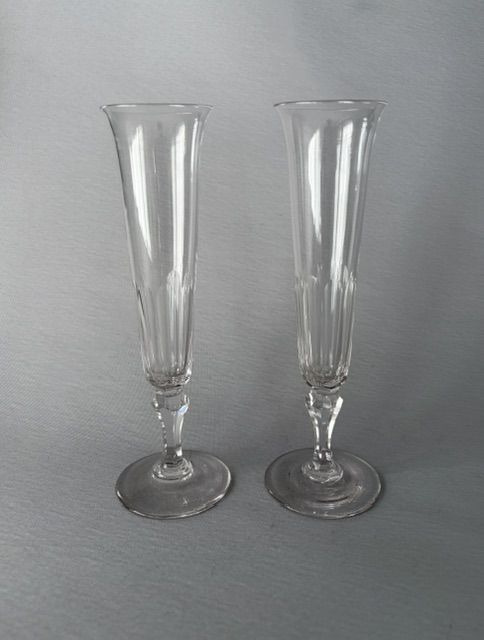
When you search for vintage crystal flutes, you encounter elegant stemware primarily from the Victorian and Edwardian eras alongside continental masterpieces. The examples met most frequently on this page range from early Victorian cut glass champagne flutes to sophisticated Wiener Werkstätte designs.
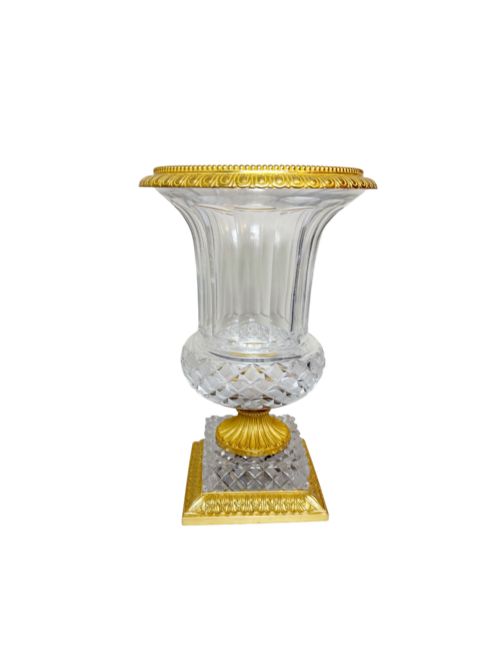
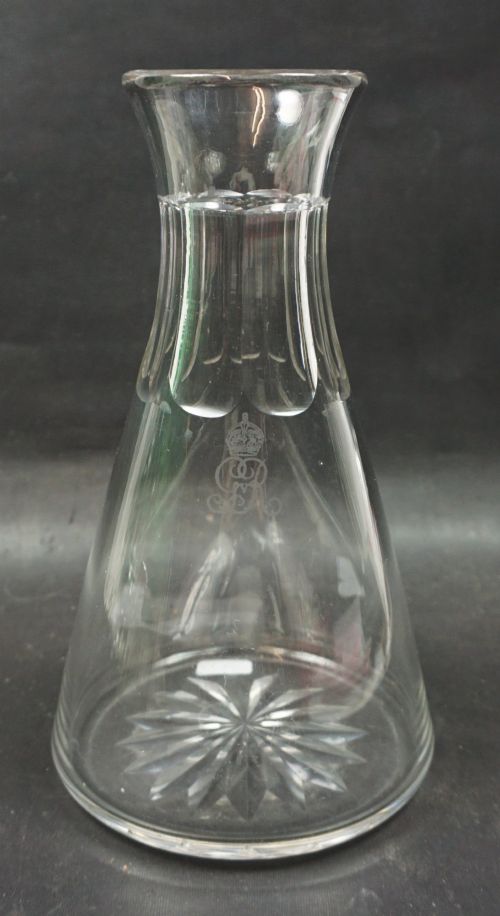
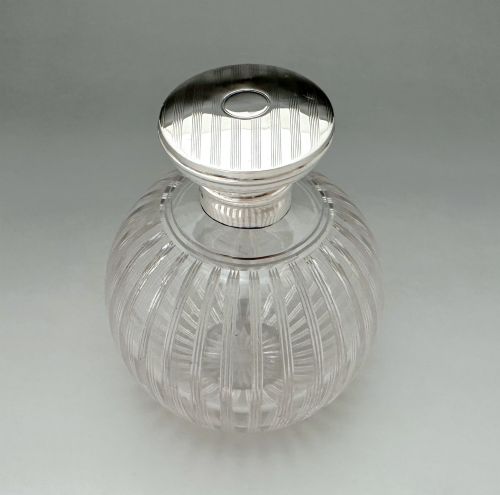
Beyond standard champagne glasses, the broader selection spans eighteenth-century ale glasses with opaque twists, tall decanters, and sterling silver mounted perfume bottles. These drinking vessels and table accessories reflect periods spanning from Georgian times through to the early twentieth century.
How they were made
The makers of these pieces utilised lead crystal, flint glass, and clear glass, shaping them through hot-working techniques like flute-moulding and air-twist stem formation. Skilled artisans then applied cold-working methods, notably deep wheel-cutting, to create intricate geometric patterns that catch the light.
Some items incorporate precious metals alongside the glass body, combining clear crystal with sterling silver mounts or silver plating. This integration of media required specialists in both glass-blowing and metalsmithing to achieve a balanced finished object.
Vintage Crystal Flutes Retail Price Guide 2026
Typical asking prices for vintage crystal flutes among the pieces listed under this phrase on Sellingantiques today, from the lower quarter to the upper quarter. They describe what is for sale here now, not the wider market.
Some eighteenth-century drinkers preferred ale glasses with folded feet, providing a sturdier rim to survive rowdy toasts.
What varies in quality
The distinction between standard production and exceptional quality lies in the crispness of the wheel-cut facets and the weight of the lead glass. Superior flutes display precise symmetry in their stems and bowls, whereas simpler wares show minor inconsistencies from free-hand manipulation.
Provenance and artistic collaboration also elevate certain pieces far above domestic tableware. Designated designs by notable visionaries or output from esteemed houses like Moser represent the pinnacle of period manufacture.
Moser·Otto Prutscher
The Vintage Crystal Flutes Glossary
- Lead crystal
- Glass containing a significant percentage of lead oxide, which increases the weight, refractive index, and ringing sound of the material. This composition allows for deeper, sharper facet cutting than standard soda-lime glass.
- Air twist
- A decorative stem formation containing an elongated spiral of tiny air bubbles trapped within the glass. Makers created these by drawing and twisting heated glass rods before the material cooled.
- Flute-moulded
- A technique where vertical flutes or ribs are impressed into the lower portion of a glass bowl during blowing. This method adds structural texture and visual depth to drinking vessels.
- Opaque twist
- An internal stem decoration featuring white or coloured enamel glass threads twisted through a clear stem. It is a defining characteristic of eighteenth-century drinking glasses.
- Wiener Werkstätte
- An association of visual artists, architects, and designers established in Vienna that championed modernist craftsmanship. Their output often featured clean geometric lines paired with high-quality crystal.
Vintage Crystal Flutes: Frequently Asked Questions
How do I clean vintage crystal flutes?
Wash these delicate vessels by hand in warm water using a mild, unscented detergent. Avoid abrasive sponges and harsh dishwashers to protect the polished surface.
Place a microfibre cloth inside the bowl to dry them safely without putting torque on the slender stems.
Are vintage flutes safe for drinking?
Most twentieth-century and late Victorian crystal flutes are entirely suitable for serving beverages today. Ensure you inspect older pieces for any structural hairline cracks before pouring.
Lead crystal can leach trace amounts of metal if liquids remain stored inside for extended periods, but normal toast-drinking poses no risk.
How can I tell Georgian glass from Victorian pieces?
Georgian drinking glasses often feature lighter metal, hand-pulled stems, and distinctive tool marks on the pontil scar underneath. They frequently utilise air or opaque twists rather than heavy facet-cutting.
Victorian production shifted towards heavier lead glass, moulded blanks, and deep brilliant-cut geometric patterns across champagne flutes and decanters.
What makes Moser crystal distinct?
Moser pieces stand apart through their exceptional clarity, heavy weight, and use of proprietary glass formulas that do not rely on lead. Their collaborations with progressive designers yielded avant-garde colour palettes and striking silhouettes.
Look for refined wheel-engraved signatures or distinctive aesthetic traits matching the Vienna Secession movement on fine examples.