
Vintage Crystal Chandelier Light
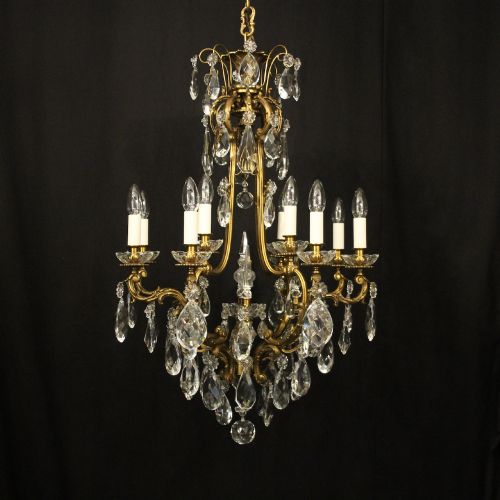
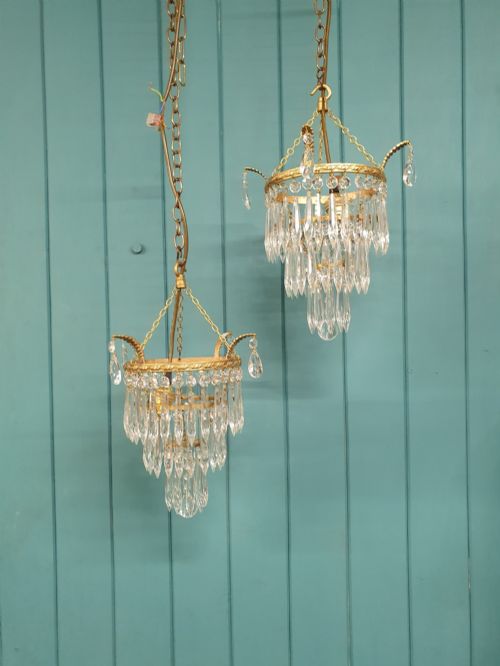
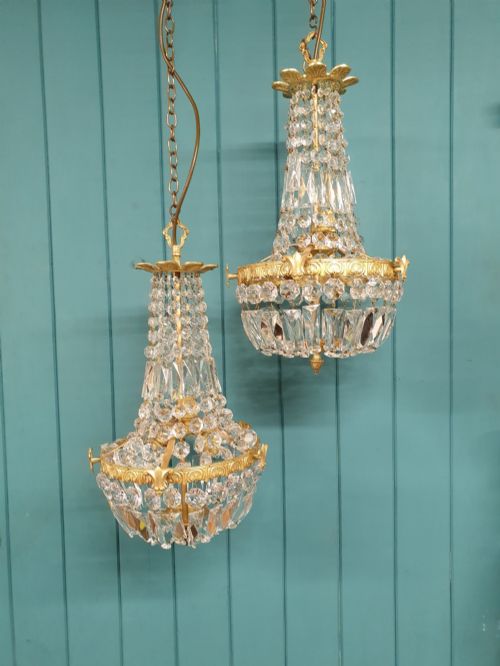
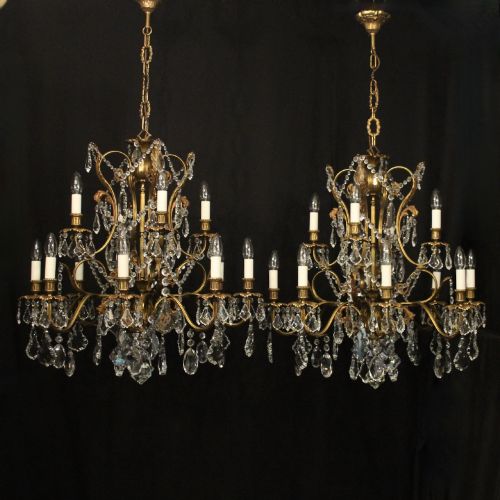
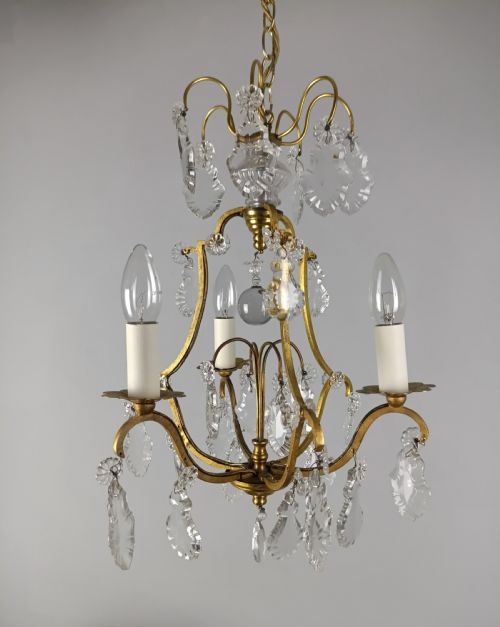
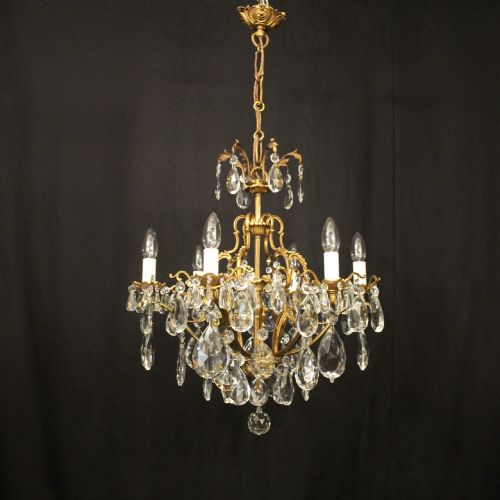
These vintage crystal chandelier light fixtures bring dramatic illumination and period detail to a room, driven by elaborate cut glass drops and gilt frames.
Vintage Crystal Chandelier Light
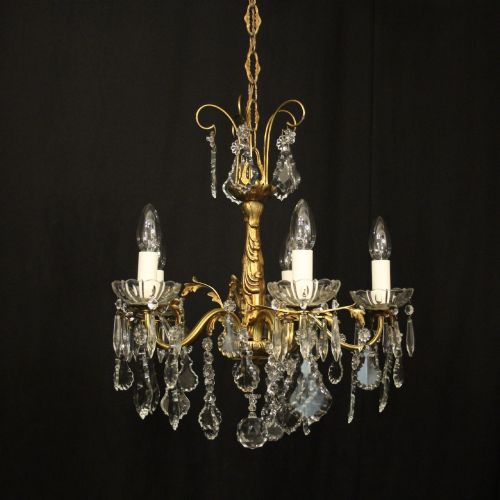
When you examine a vintage crystal chandelier light on this page, you encounter forms ranging from compact ceiling mounts to grand multi-arm fixtures. The selection spans the 19th century through the 1920s and 1930s, capturing Edwardian designs alongside continental interpretations.
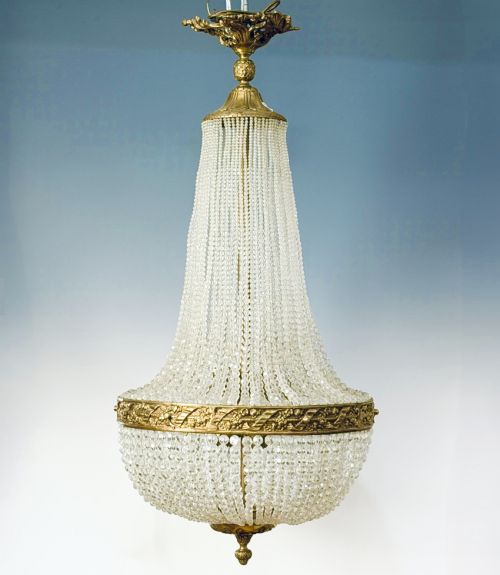
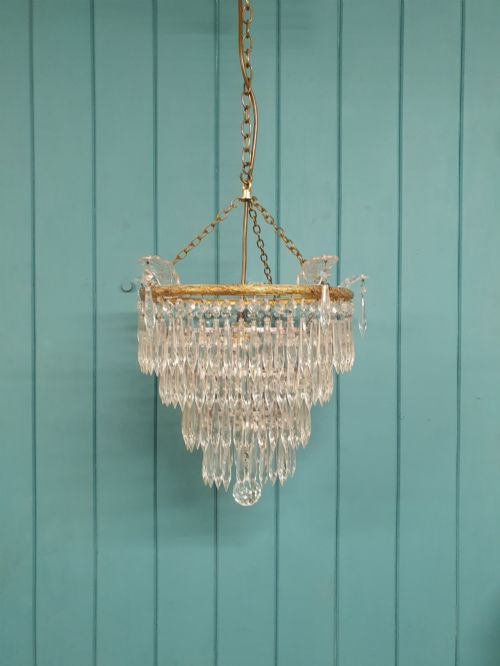
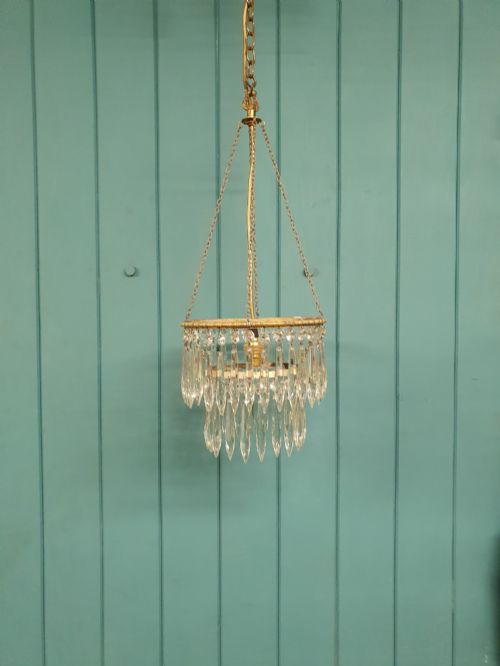
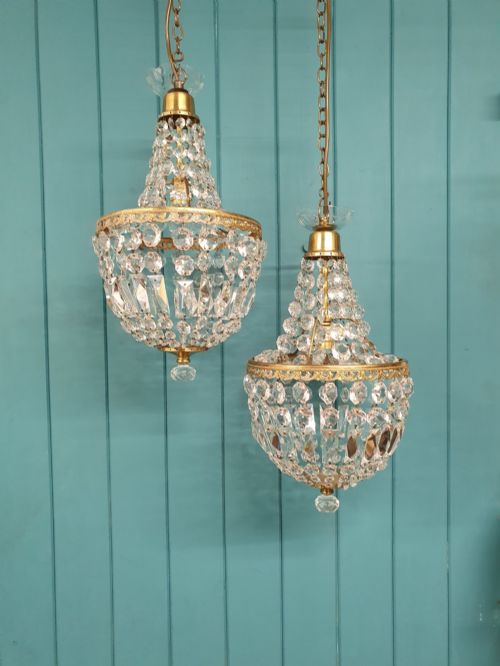
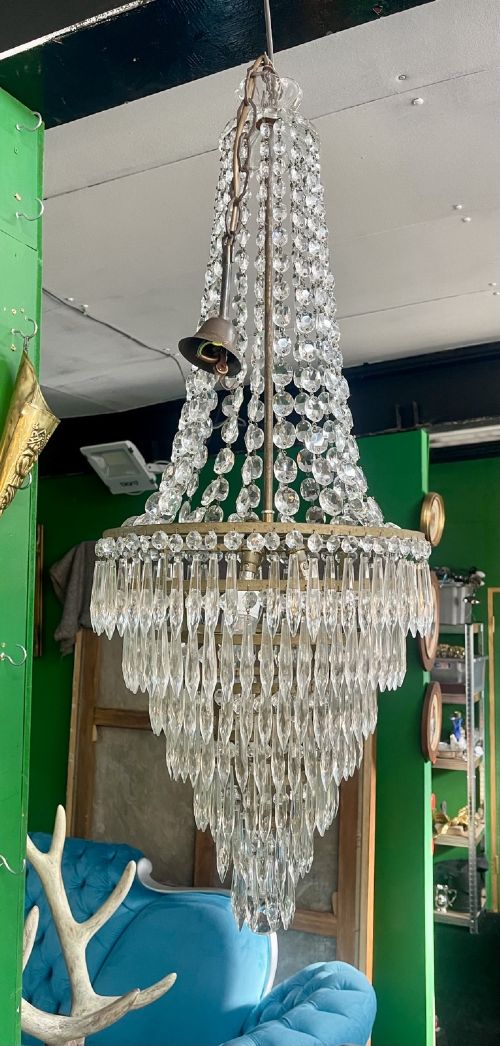
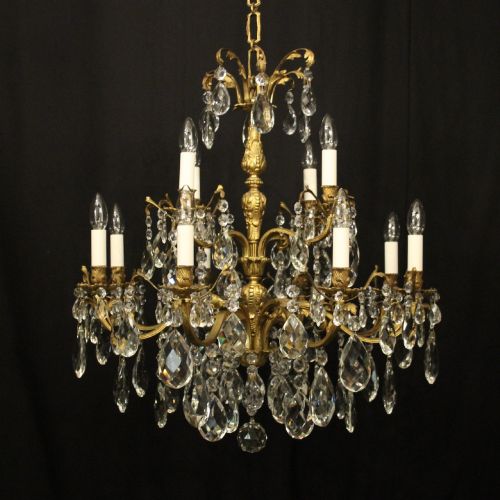
French and Italian aesthetics dominate the selection, appearing in styles such as French Empire, French Rococo, and Italian Florentine. Common configurations include basket chandeliers, tent and waterfall formats, and multi-light ballroom centerpieces equipped with numerous arms.
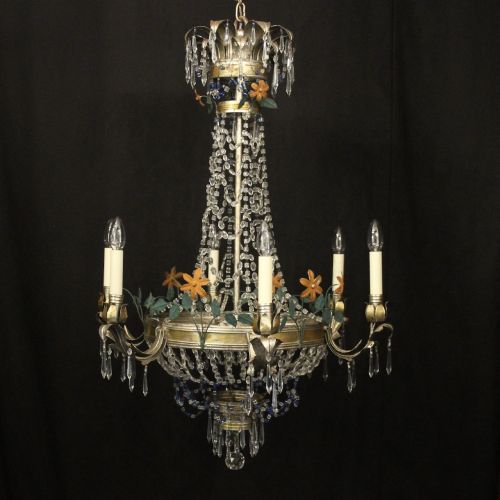
Alongside major ceiling suspensions, the listings incorporate related illumination forms such as wall sconces, plafonniers, and smaller dome or spike chandeliers. These pieces utilise porcelain flowers, winged cherubs, and amethyst glass to add distinct decorative character.
How they were made
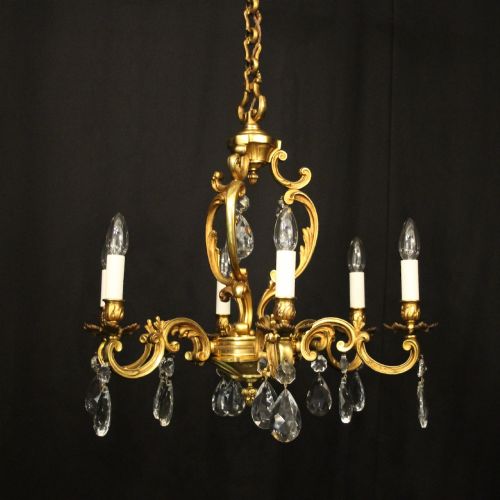
The structural framework relies heavily on brass, metal, and cast bronze, often treated with gilt or silver gilding to create a rich metallic sheen. Spelter also appears in sculptural figural elements such as flying cherubs.
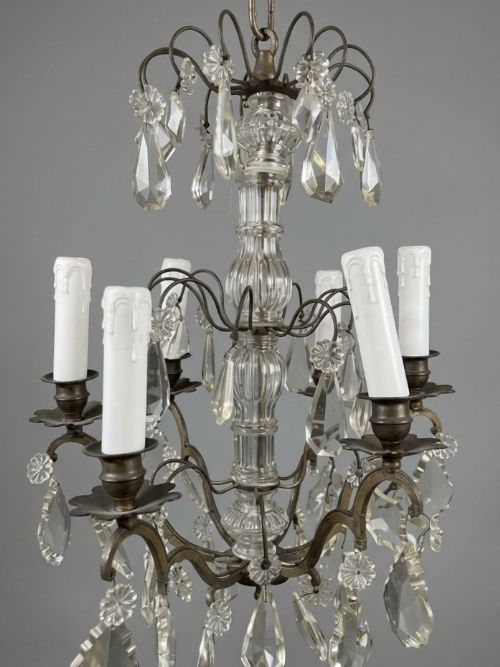
Illumination relies on glass and crystal components, incorporating cut glass, crystal glass, lustres, beads, and coffin prisms. These elements are suspended from the metal frames to refract light across the room.
Look closely for the gilded cherubs keeping watch over the crystals from their perches on the chandelier frame.
What varies in quality
The refinement of the metalwork defines the character of the frame, distinguishing finely chased gilt bronze and brass castings from simpler moulded structures. Rich surface finishes, including deep gilding and silvering, elevate the visual impact of the metal elements.
The complexity and cut of the glass components dictate the optical brilliance of the fixture. Elaborate tent and waterfall configurations featuring numerous faceted crystal lustres, beads, and prisms demonstrate higher levels of decorative ambition than basic single-light domes.
The Vintage Crystal Chandelier Light Glossary
- Chandelier
- A branched ceiling-mounted lighting fixture designed to hold multiple lamps or candles. These pieces serve as primary illumination sources in large rooms.
- Lustre
- A cut glass or crystal pendant hung from a lighting fixture to reflect light. Lustres vary in shape from simple teardrops to complex prisms.
- Plafonnier
- A shallow or flush-mounted ceiling light enclosed or hung close to the ceiling. This form suits rooms with lower ceiling heights.
- Spike chandelier
- A compact lighting form featuring a central vertical spike adorned with glass drops or small arms. They frequently appear in smaller dimensions.
- Tent and waterfall
- A lighting configuration where strings of crystal beads form an upper tent shape above a cascading waterfall of hanging prisms. This arrangement creates a dense curtain of sparkling glass.
Vintage Crystal Chandelier Light: Frequently Asked Questions
What periods do these chandeliers come from?
The pieces span from the 19th century through the early 20th century, with strong representation from the Edwardian era and the 1920s and 1930s.
Styles within these dates draw heavily on French Empire, Louis Revival, and Italian Florentine traditions.
How do tent and waterfall chandeliers differ from basket chandeliers?
Tent and waterfall models feature an upper canopy of beads sloping down to a wider tier of hanging crystals, creating a cascading tiered effect. Basket chandeliers adopt a rounded, open bowl profile filled with glass drops.
Both forms utilise extensive crystal elements to maximise light refraction.
Where were these lighting fixtures typically used?
Multi-arm chandeliers of twelve or fourteen lights were designed for grand spaces such as ballrooms and formal reception rooms. Smaller spike, dome, and single-light fixtures suited more intimate domestic settings or hallways.
Wall sconces provided complementary side lighting in the same rooms.
What materials make up the frames?
Frames are constructed primarily from brass, bronze, and metal, frequently finished with gilt or silver gilding. Some sculptural variants incorporate spelter for figural motifs like cherubs or cupids.
Porcelain flowers and coloured crystals also appear on specific Italian and French examples.