




Vintage Crystal Box
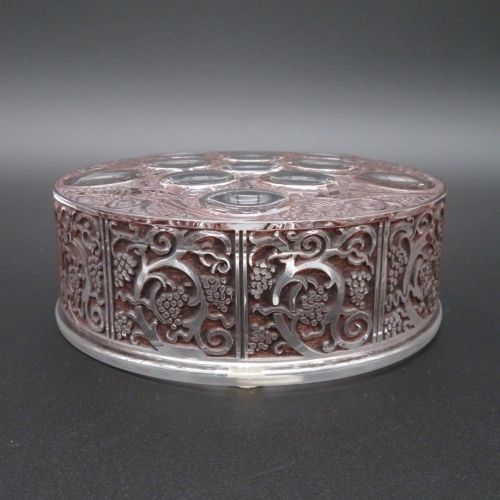
These vintage crystal box examples span heavy Edwardian silver mounts and precise Art Deco geometry.
Vintage Crystal Box
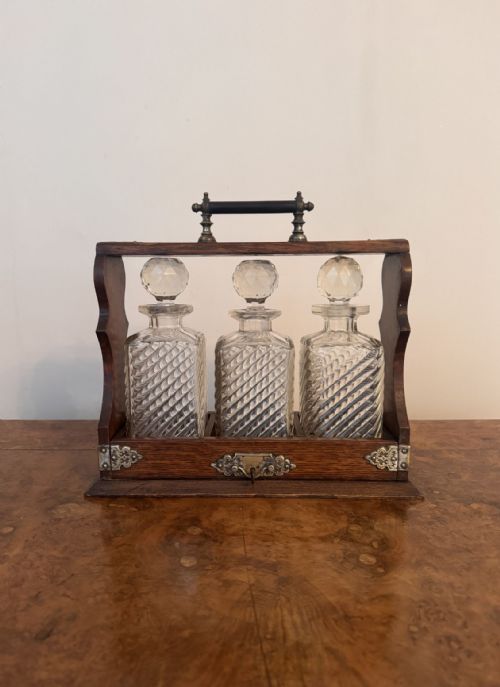
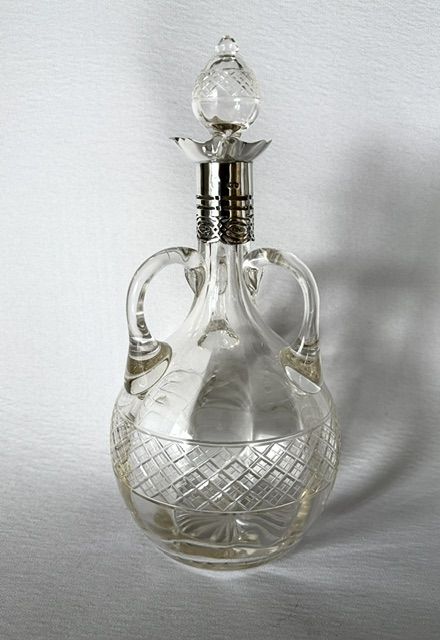
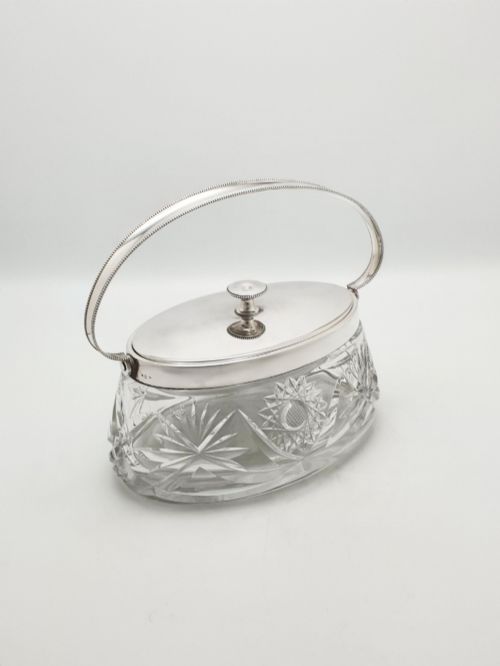
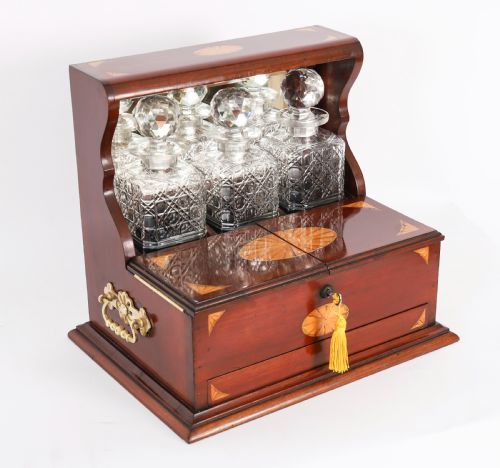
When you search for a vintage crystal box, you encounter everything from small dressing table jars to substantial tantalus sets and biscuit barrels. The selection here leans heavily towards Edwardian and Victorian cut glass containers fitted with sterling silver or silver-plated mounts.
Many of these items serve specific domestic functions, such as holding powder, trinkets, biscuits, or liqueurs. You will also find vanity jars and games compendiums that combine cut crystal with oak, brass, and enamel details.
How they were made
The heavy glass bodies are typically formed from cut crystal or moulded glass, often featuring deep hobnail patterns or smooth polished facets that catch the light. Artisans then combine these glass vessels with cast and hallmarked sterling silver, silver plate, or ormolu mounts.
Wood elements such as oak and satinwood provide the structural housing for larger tantalus sets and games compendiums. Hinges, locks, and decorative finials in brass or silver complete the assembly of these fitted containers.
Vintage Crystal Box Retail Price Guide 2026
Typical asking prices for vintage crystal box among the pieces listed under this phrase on Sellingantiques today, from the lower quarter to the upper quarter. They describe what is for sale here now, not the wider market.
Several tantalus sets double as games compendiums, hiding playing card compartments for impromptu Victorian card nights.
What varies in quality
The standard of the metalwork largely dictates the distinction between standard production items and exceptional pieces. Heavier gauge sterling silver mounts, crisp hallmarks, and intricate enamel work or tortoiseshell inlays elevate an object well above simpler silver-plated designs.
The clarity and depth of the glass cutting also play a major role, with sharper facets and heavier crystal blanks indicating superior craftsmanship. The inclusion of original fitted boxes, working locks, or recognised manufacturing houses further separates the finest examples.
Lalique·Daum France·Baccarat·James Dixon and Sons
The Vintage Crystal Box Glossary
- Tantalus
- A locking wooden cabinet or metal frame that holds decanters securely visible while preventing access without a key. This clever invention originates from the mythological figure punished by eternal thirst.
- Biscuit barrel
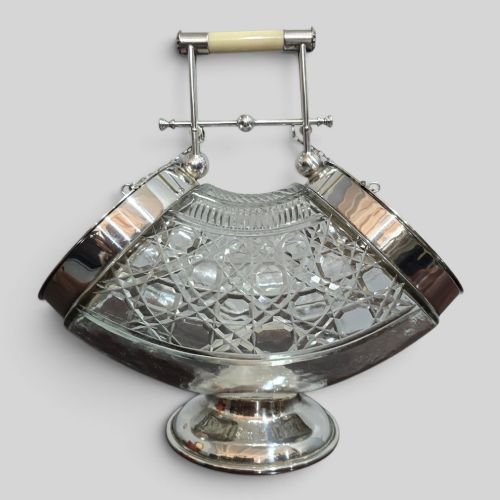
- A lidded container designed to hold sweet biscuits on the dining or drawing room table. These vessels frequently combine cut glass bodies with silver-plated swing handles and hinged lids.
- Hobnail cut
- A sharp, faceted geometric glass-cutting pattern resembling the hobnails used on traditional boots. This technique creates a textured surface that refracts light intensely.
- Cave a liqueur
- A French travelling liquor chest containing fitted decanters and glasses within a secure wooden box. They often feature bronze or ormolu mounts and intricate marquetry.
- Pâte de verre
- A glass-casting method where finely crushed glass is mixed with a binder and fired in a kiln. This technique produces dense colours and a distinctive textured finish seen in later French pieces.
Vintage Crystal Box: Frequently Asked Questions
What are these boxes used for?
These containers served various domestic roles in Victorian and Edwardian households, from storing trinkets and powder on dressing tables to housing biscuits or spirits in reception rooms.
Today, they function well as decorative display pieces or practical storage for modern accessories while retaining their historical character.
How do I date a crystal box?
Dating relies heavily on metal hallmarks, style periods, and manufacturing techniques. Edwardian and Victorian pieces often feature heavy cut glass paired with ornate sterling silver mounts.
Art Deco examples from the 1930s introduce geometric forms, blue glass, and enamel work. Examining the fasteners and interior linings also offers clues to the decade of manufacture.
Are silver mounts marked?
Many British sterling silver mounts carry full hallmarks indicating the assay office, date letter, and maker's mark. These stamps help pinpoint the exact year and city of production.
Silver-plated items typically use maker's marks or trade symbols rather than official sterling hallmarks.
How should I clean them?
Glass components benefit from warm water and mild soap, avoiding harsh abrasives that might scratch the surface. Metal mounts require specialised silver polish applied carefully to avoid contact with the crystal or enamel.