
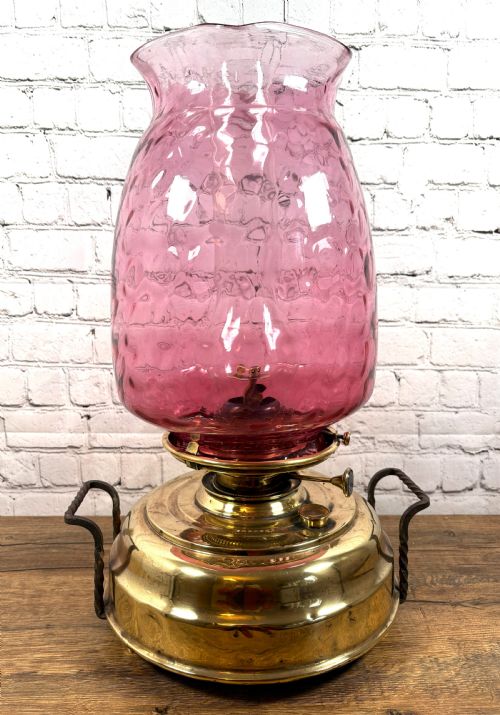


Vintage Cranberry Oil Lamp
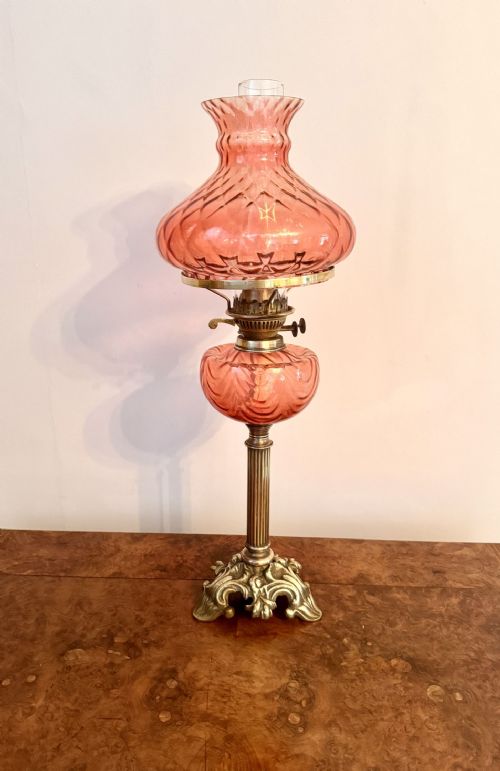
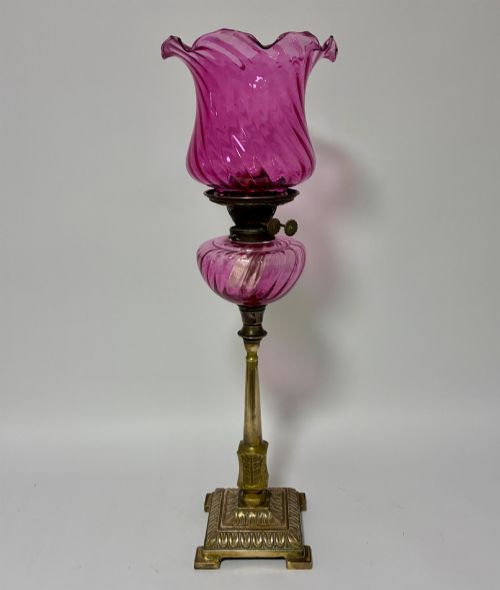
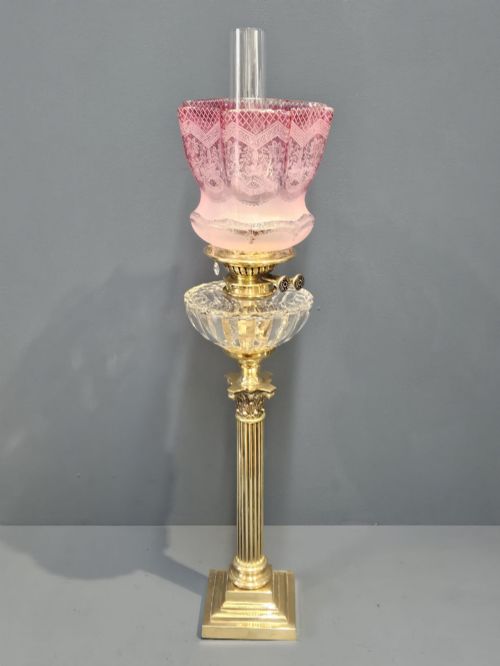
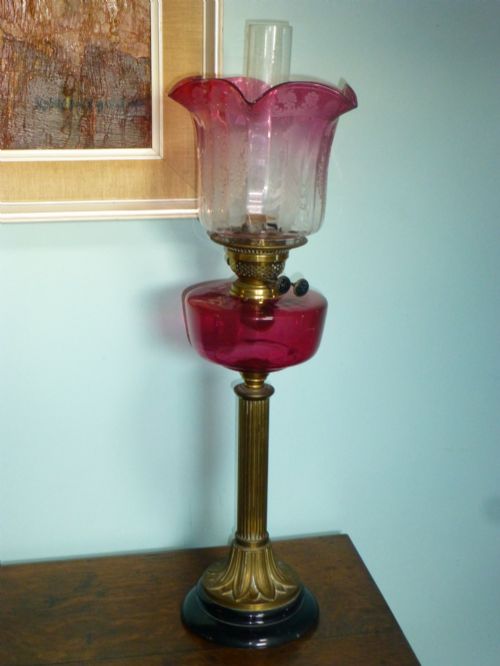
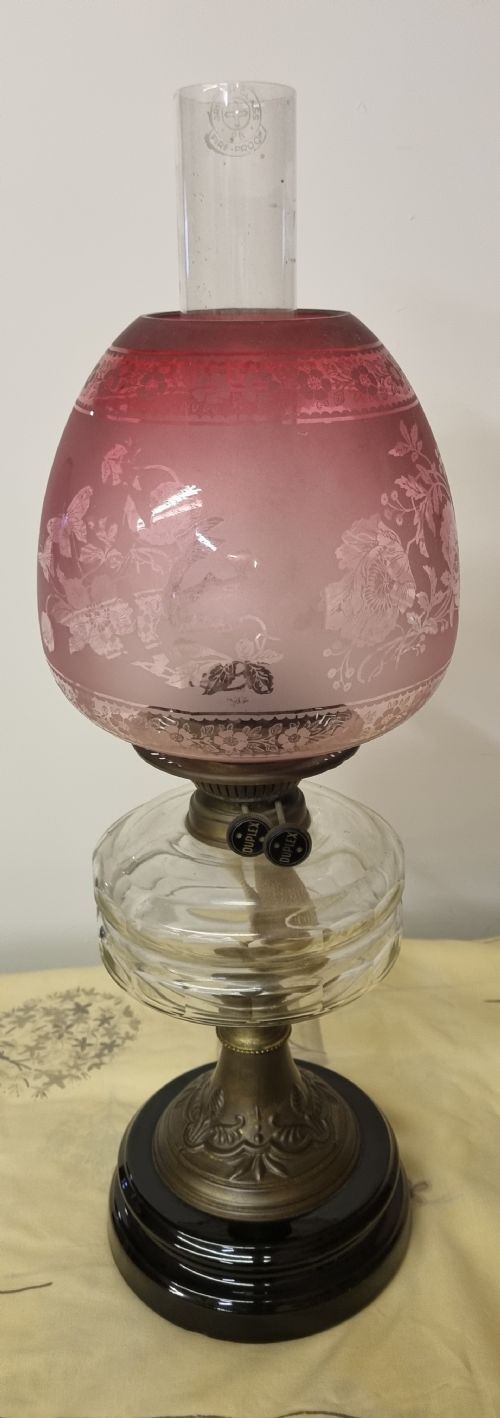
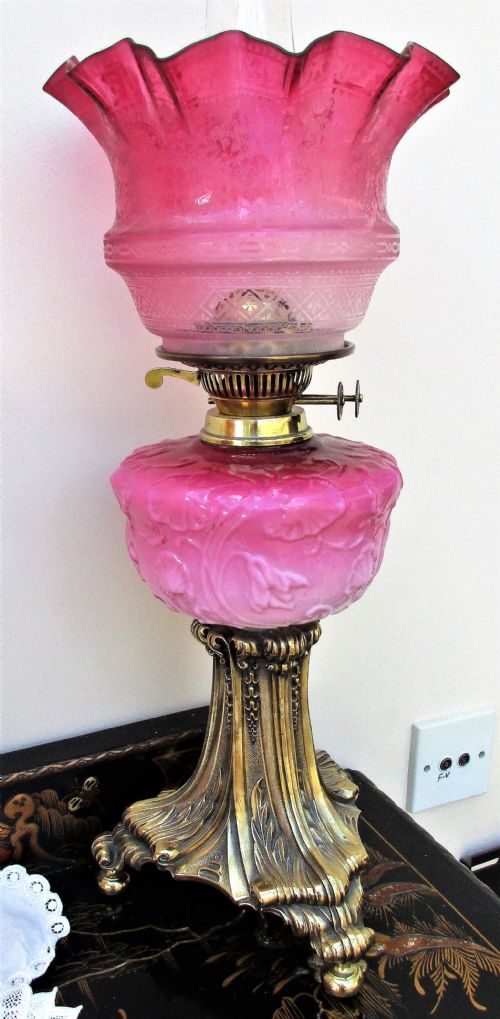
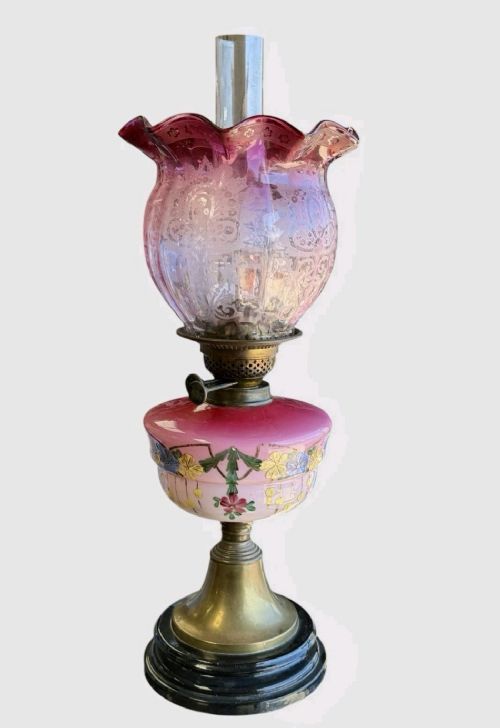
These vintage cranberry oil lamp pieces bring a warm, rich glow to a room, combining brass columns with deep ruby glass shades.
Vintage Cranberry Oil Lamp
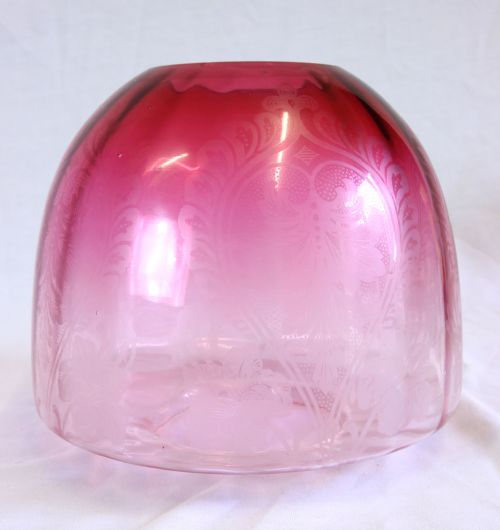
A vintage cranberry oil lamp is a domestic lighting fixture designed to burn paraffin or oil, typically featuring a vibrant red or pink glass component. When you search for this phrase, you encounter items spanning the Victorian era into the early twentieth century.
The most common form on this page pairs a brass or ceramic base with a striking cranberry glass shade or font. Examples range from column designs to table lamps and wall-mounted brackets.
Many survivors retain their original glass shades, while others present as replacement shades or converted electric fixtures. The period range stretches from the mid nineteenth century through to the early decades of the twentieth century.
How they were made
Makers shaped the distinctive red glass by adding gold chloride to the molten batch, producing the characteristic cranberry hue. Craftsmen then formed bases from cast brass, iron, or porcelain, often incorporating cut glass and hand-painted details.
Structural elements frequently combine heavy brass stands with porcelain bodies or glass columns. Metal components were cast, turned, and sometimes silver plated, supporting the delicate glass reservoirs and shades above.
The listings span from the Victorian period through the Edwardian era up to nineteen-thirty, utilising brass, porcelain, and cranberry glass.
What varies in quality
Quality rests on the crispness of the brass casting, the depth of colour in the cranberry glass, and the presence of hand-painted decoration or cut glass detailing. Simpler plain glass vessels sit at one end, while elaborate Corinthian columns and double burners represent the higher tier.
The integrity of the matching components determines the character of each piece. Matching original shades and fonts demonstrate greater harmony than later assembled pairings.
Sitzendorf Porcelain
The Vintage Cranberry Oil Lamp Glossary
- Cranberry Glass
- A type of transparent pinkish-red glass coloured with gold chloride. It appears frequently in Victorian lampshades and fonts.
- Duplex Burner
- A double-wick mechanism designed to provide a brighter light output. These often appear on taller, more substantial nineteenth-century lamps.
- Font
- The oil reservoir of the lamp, which sits atop the base and below the burner. In these pieces, the font is often made of coloured glass.
- Peg Lamp
- A small oil lamp fitted with a narrow peg at the base designed to drop directly into a candlestand or wall sconce.
- Corinthian Column
- An architectural column style used for the stem of more formal table lamps. These brass pillars echo classical proportions.
Vintage Cranberry Oil Lamp: Frequently Asked Questions
How do I date a vintage cranberry oil lamp?
Dating relies on the manufacturing style, burner mechanisms, and materials recorded in the evidence. Victorian and Edwardian examples show distinct shifts from heavy brass columns to porcelain bodies.
Examine the construction of the brass base and the form of the glass font to narrow down the decade between eighteen-sixty and nineteen-thirty.
Are these lamps still safe to use with oil?
Many examples on the market have been converted to electricity for modern convenience. Using them with original oil requires careful inspection of the burner and wick mechanism.
Wall-mounted versions and table lamps often show evidence of conversion work to suit contemporary electrical standards.
What is the difference between a shade and a font?
The shade sits at the top of the lamp to diffuse the light and showcase the cranberry glass colour. The font is the lower vessel that holds the paraffin or oil.
Some listings offer the shade alone, while others present complete lamps featuring matching glass components.
How should I clean cranberry glass?
Gentle washing in warm soapy water preserves the delicate hand-painted details and surface finish. Avoid harsh abrasives that might damage the coloured glass.
Careful handling ensures the nineteenth-century material retains its rich tone and decorative appeal.