



Vintage Crackle Glaze
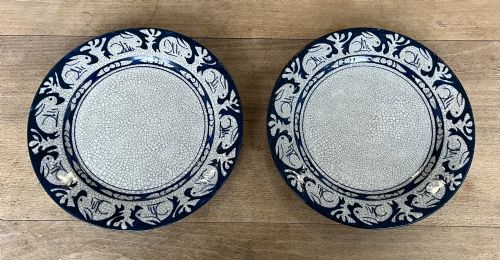
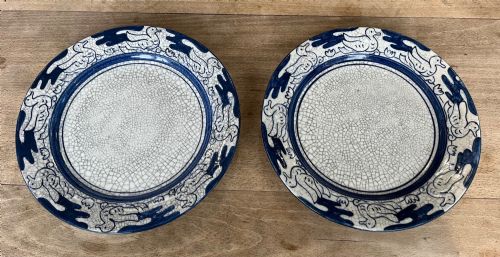
Vintage crackle glaze pieces bring distinctive networked crazing to lamps, vases and mirrors across diverse periods.
Vintage Crackle Glaze
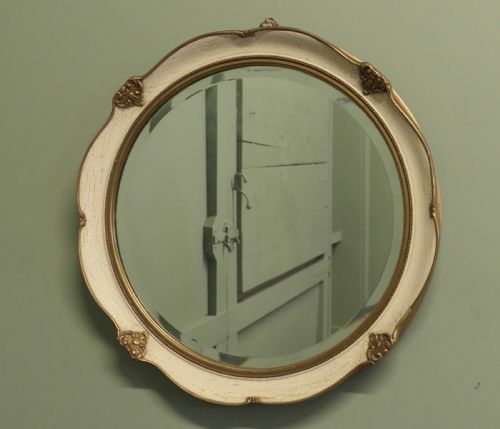
When you search for vintage crackle glaze, you encounter objects finished with deliberate surface crazing across earthenware and ceramic bodies. The selections here span Japanese Satsuma wares, Chinese celadon and blue and white vessels, French art deco mirrors, and European lamps.
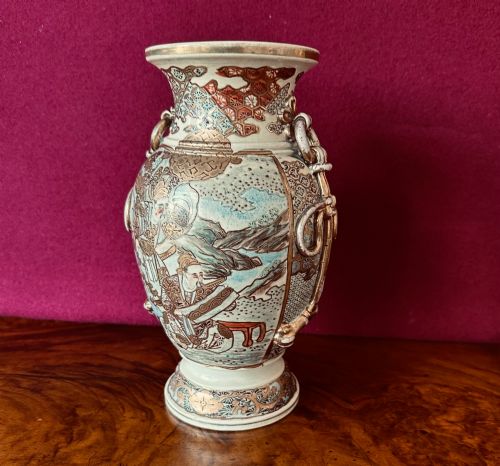
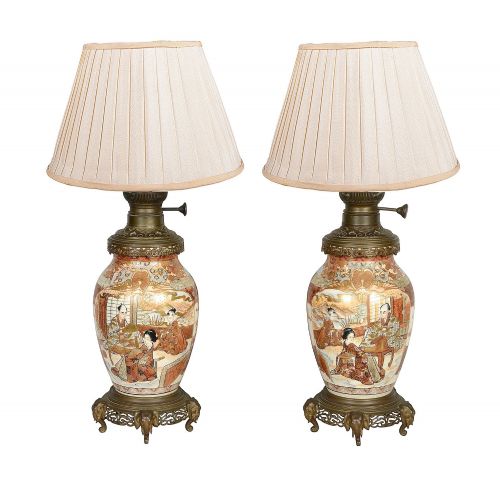
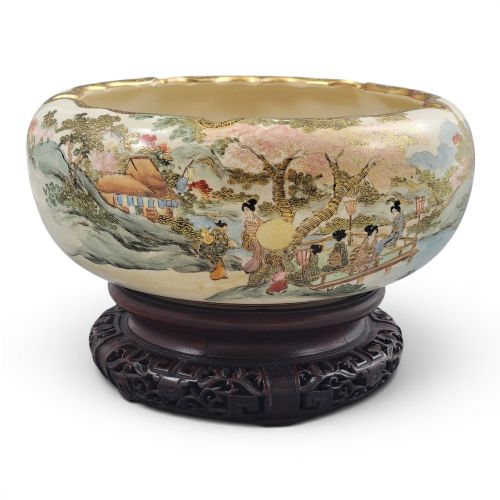
You are most likely to meet Japanese Satsuma vases and bowls from the Meiji period, alongside nineteenth-century French and Chinese ceramic lamps. These items range from miniature vases with gilt figural processions to large hexagonal vessels and tripod censers.
The forms extend from decorative bowls and tea caddies to wall mirrors and ceramic animals like pheasants. Each piece displays the intentional fracture lines of the glaze as a defining aesthetic feature rather than a fault.
How they were made
The makers produced the characteristic crackle finish on earthenware and ceramic bodies by manipulating the cooling rates of the glaze and clay. This differential contraction causes the glassy surface layer to fracture into delicate webs.
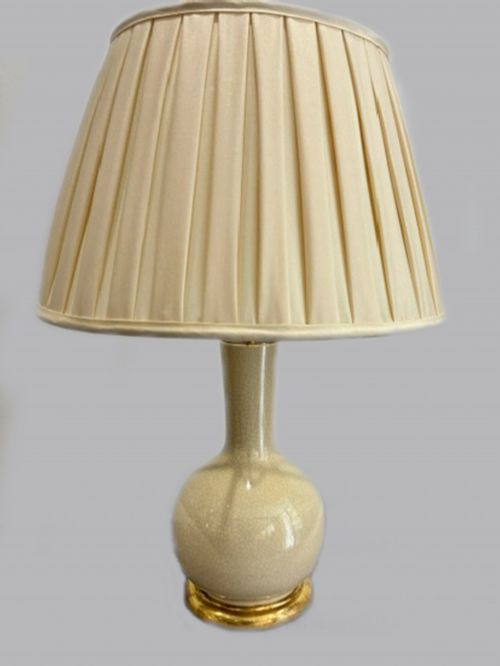
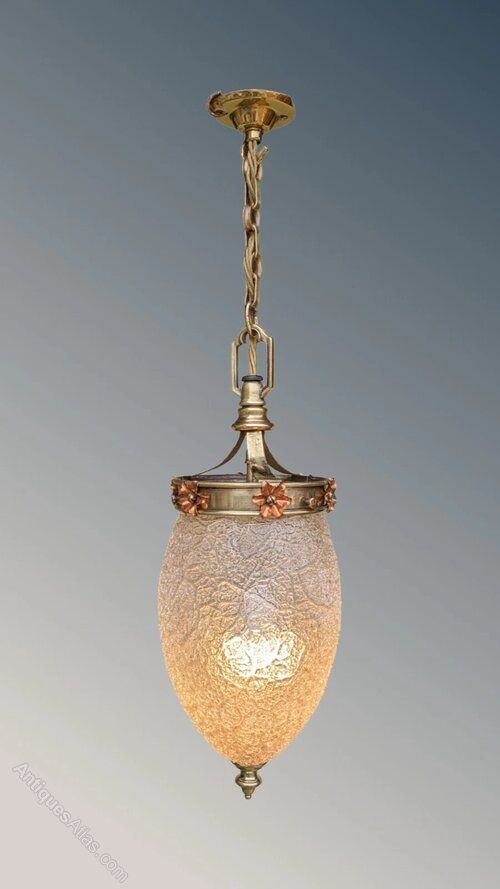
Many Japanese and Chinese pieces incorporate hand-painted details, gold leaf, and intricate figural scenes applied over or beneath the crazed surface. European examples utilise gilt wood, brass mounts, and fabric shades to complement the ceramic bases.
Vintage Crackle Glaze Retail Price Guide 2026
Typical asking prices for vintage crackle glaze among the pieces listed under this phrase on Sellingantiques today, from the lower quarter to the upper quarter. They describe what is for sale here now, not the wider market.
The listings here encompass earthenware, ceramic, and enamel materials combined with brass, wood, silk, and gold leaf across multiple centuries.
What varies in quality
Quality rests in the precision and fineness of the crackle network relative to the underlying form. A superior piece exhibits a controlled, even crazing that enhances the vessel's proportions rather than obscuring them.
The skill of the painting and the integration of decorative elements like gold leaf or figural processions separate standard production from master works. Furthermore, the crispness of moulding in ceramic animals and architectural lamps marks the upper tier.
Shizan·Chosei·Tokyo Taizan·Hattori·Le Manceau
The Vintage Crackle Glaze Glossary
- Crazing
- A network of fine cracks in the glazed surface of a ceramic piece. While often accidental in modern pottery, makers intentionally produce it in crackle ware.
- Satsuma
- A type of Japanese pottery with a pale, ivory-coloured crackled glaze. It is typically decorated with elaborate enamel and gilt patterns.
- Celadon
- A term for ceramics denoting a pale green glaze, often featuring subtle crackle patterns. This style originates from historical Chinese kilns.
- Meiji Period
- The era in Japanese history spanning from 1868 to 1912. Pieces from this time frequently display detailed hand-painted scenes and refined craftsmanship.
- Chinoiserie
- A European artistic style reflecting Chinese motifs and techniques. Artisans applied these designs to furniture, ceramics, and mirrors.
Vintage Crackle Glaze: Frequently Asked Questions
What is vintage crackle glaze?
Vintage crackle glaze describes ceramic objects featuring a deliberate network of fine surface fractures in the glaze. This technique creates a textured, web-like pattern across vases, lamps, and bowls.
Craftsmen across different centuries and regions, notably in Japan, China, and Europe, utilised this method to add visual depth to earthenware and ceramic bodies.
How do I identify Satsuma ware?
Satsuma ware is recognised by its characteristic ivory-coloured earthenware body covered in a finely crazed transparent glaze. These pieces are frequently decorated with dense polychrome enamel and gold leaf.
Many examples feature detailed figural processions, landscapes, or floral motifs characteristic of the Meiji period.
Are these pieces functional or decorative?
Most items serve primarily decorative purposes, such as wall mirrors, mantel vases, and sculptural figures. However, many of the vessels and tea jars were originally designed for specific domestic uses.
Numerous vases and jars have since been converted into table lamps while retaining their original ceramic bodies and glaze characteristics.
How should I clean crackle glaze ceramics?
Clean these items gently using a soft, dry cloth to remove dust from the surface and crevices of the crazing. Avoid soaking them in water, as moisture can penetrate the fine cracks in the old glaze.
Harsh chemical cleaners should be strictly avoided to preserve the integrity of the antique glaze and any applied gold leaf or enamel.