






Vintage Covered Vases
These vintage covered vases are vessels topped with matching lids, offering ornamental presence and functional storage across various ceramic and glass traditions.
Vintage Covered Vases
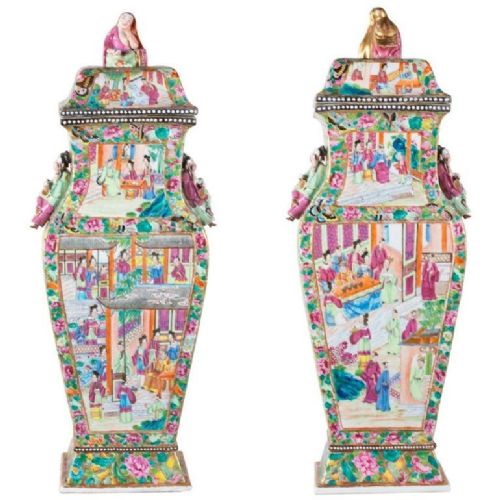
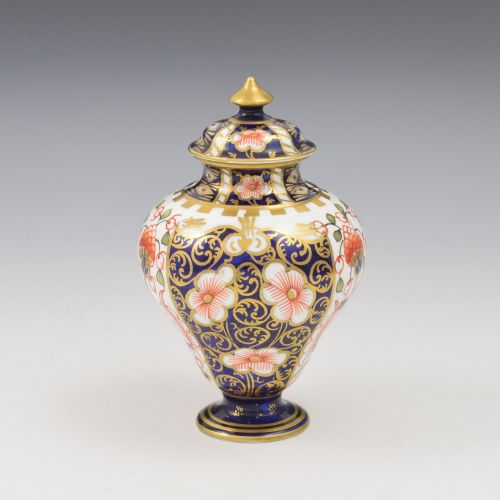
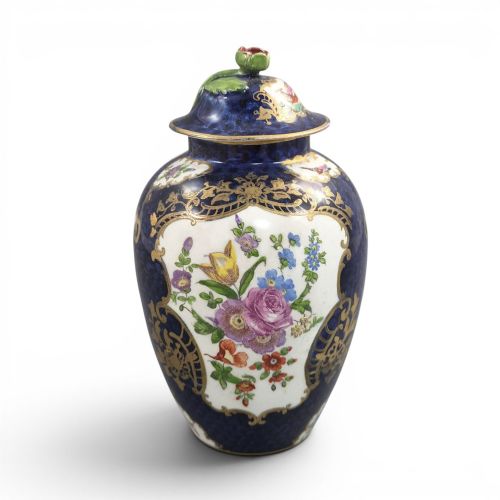
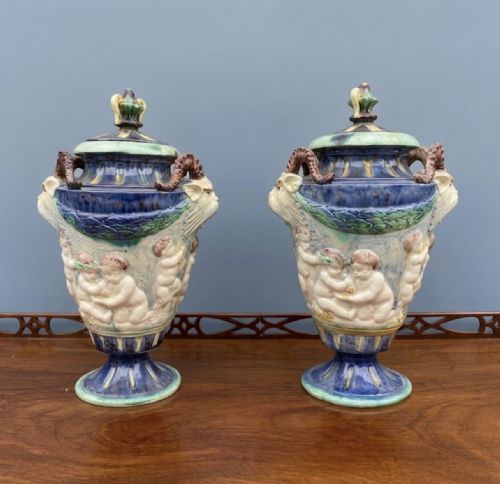
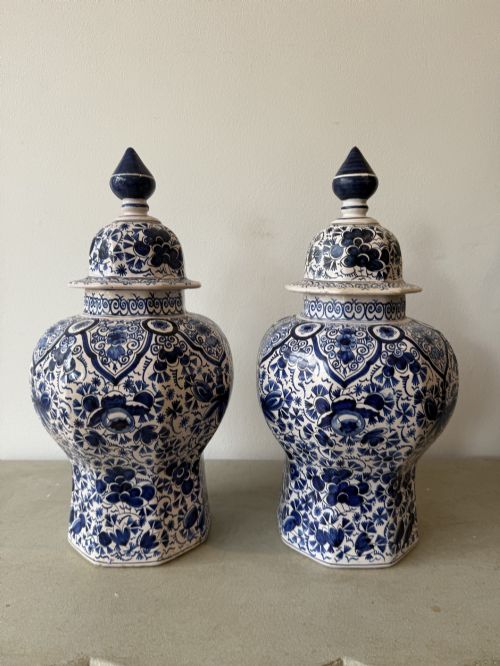
Vintage covered vases encompass lidded vessels, ginger jars, and pot pourri urns designed to hold scents or dry contents securely. When searching for vintage covered vases, buyers encounter forms ranging from 19th Century Japanese Imari porcelain to Edwardian porcelain and mid-century English earthenware.
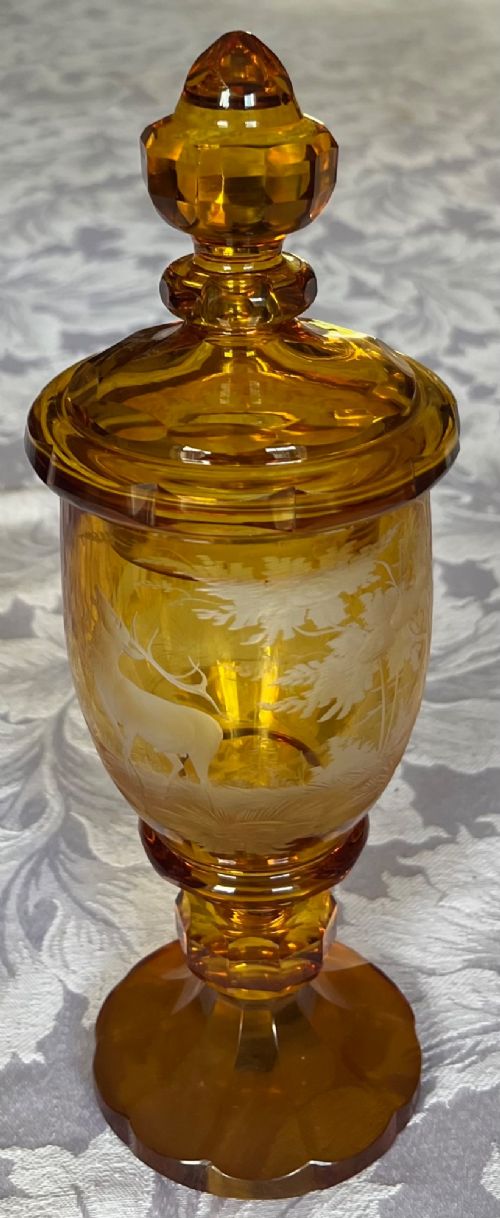
The objects span multiple global traditions, uniting Eastern craftsmanship like Satsuma and Cloisonné with European works from factories such as Royal Worcester and Bohemian glasshouses. Victorian and Edwardian examples sit alongside pieces from the 1920s to the 1960s, showing diverse interpretations of the lidded vessel.
Makers utilise forms like ginger jars and urns with fitted covers, often created as pairs for mantelpieces or side tables. The overarching category highlights how different periods prioritized ornamental lids, whether for diffusing pot pourri or displaying intricate painted scenes.
Materials and Techniques
Ceramic pieces rely on porcelain, earthenware, and ironstone shaped on the wheel or cast in moulds, then finished with glazes, enamel, and gold leaf. Makers applied hand-painted motifs, transfer printing, or complex cloisonné wirework to delineate birds, florals, and geometric patterns before firing.
Glass vessels utilise hot glass blowing, cutting, and engraving techniques, resulting in heavy lead crystal or coloured glass surfaces with deep facets. Artisans carved intricate patterns through the outer glass layers to reveal contrasting colours or frosted textures underneath.
Vintage Covered Vases Retail Price Guide 2026
Typical asking prices for vintage covered vases among the pieces listed under this phrase on Sellingantiques today, from the lower quarter to the upper quarter. They describe what is for sale here now, not the wider market.
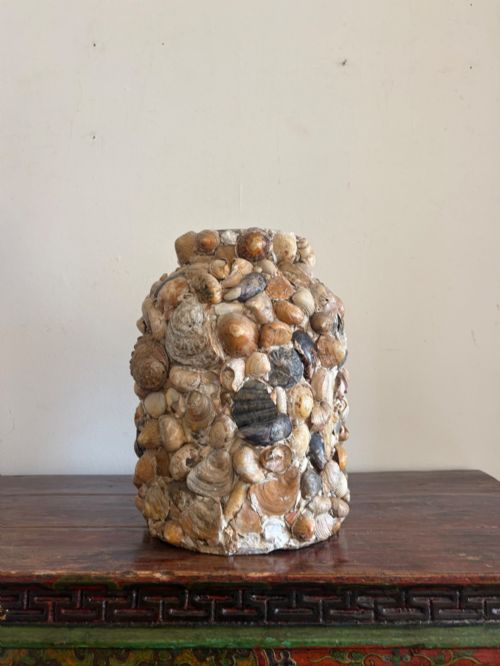
Some Victorian folk art pieces cleverly repurposed ordinary seashells to encrust jars, turning beach findings into parlor treasures.
Factors Determining Quality
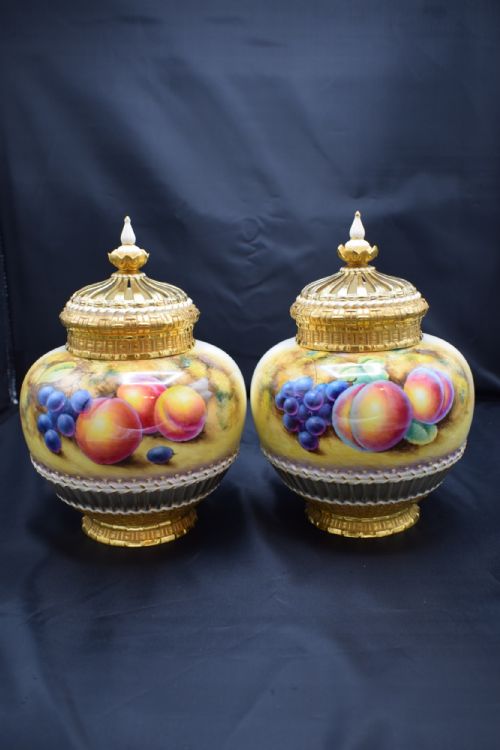
Quality rests in the execution of the surface decoration, from the precision of hand-painted fruit and birds by named artists to the tightness of the cloisonné wire cells. Finer pieces demonstrate control in enamel saturation and gilding application, maintaining crisp lines across complex curves.
The matching of the lid to the vessel body indicates the level of care in production, alongside the depth and clarity of cut glass engraving. Superior examples balance substantial material weight with balanced proportions between the vase body and its cover.
Royal Worcester·Royal Crown Derby·Royal Winton·Masons Ironstone·Coalport·Booths
The Vintage Covered Vases Glossary
- Cloisonne
- Enamel work created by soldering flat metal wire to a metal base to form compartments, which are then filled with coloured paste and fired. This technique produces intricate mosaic-like patterns across vases and jars.
- Imari
- A traditional Japanese style of porcelain decoration characterised by a palette of underglaze blue, iron red, and gold. English factories frequently copied these distinct patterns during the 19th and early 20th centuries.
- Pot Pourri
- A lidded vessel specifically pierced or constructed to allow dried scented plant materials to fragrance a room. These jars often feature intricate pierced covers to diffuse the scent effectively.
- Ginger Jar
- A wide-mouthed storage jar with a domed cover originally used in China for packing spices and ginger. Later periods adopted the form purely for decorative display in homes.
- Faience
- Tin-glazed earthenware produced in France and other European regions, featuring opaque white glazes painted with colourful designs. The technique creates a smooth, reflective surface suitable for detailed pictorial scenes.
Vintage Covered Vases: Frequently Asked Questions
What were vintage covered vases used for?
These lidded vessels served primarily as decorative garniture sets on mantelpieces or cabinets, adding symmetry and colour to formal rooms. Many examples functioned as pot pourri jars, releasing dried botanical scents through pierced covers.
Other forms, such as ginger jars, originated as storage containers before evolving into purely decorative items. Their lids kept dust away from contents or simply completed the sculptural silhouette of the vase.
How do I identify different periods?
Dating relies on factory backstamps, stylistic markers, and the specific materials favored in different decades. Victorian and Edwardian pieces often display heavy gilding and rich floral or Imari palettes, while 1920s and 1930s examples show Art Deco geometries.
Mid-century items from makers like Royal Worcester frequently feature naturalistic painted fruit by signed artists. Examining the base marks and the type of glaze provides concrete evidence of the manufacturing era.
Are lids usually original to the vases?
Most antique and vintage covered vases retain their original matching lids, particularly when they form part of a specialised ginger jar or pot pourri ensemble. The glaze, wear patterns, and decorative motifs should match seamlessly between the base and the cover.
Checking the interior rim of both pieces helps confirm they were fired and finished together. Original pairs and matched covers maintain the structural and aesthetic integrity of the vessel.
How should I display them at home?
Vintage covered vases command attention when placed on sideboards, mantels, or open shelving where their height and colour can be appreciated. Pairs look effective arranged symmetrically, while larger single ginger jars work well as standalone focal points.
Placement should avoid direct, harsh sunlight to protect hand-painted enamels and gold leaf details over time. Ensuring stable, level surfaces protects heavier ceramic and cut glass pieces from accidental knocks.