




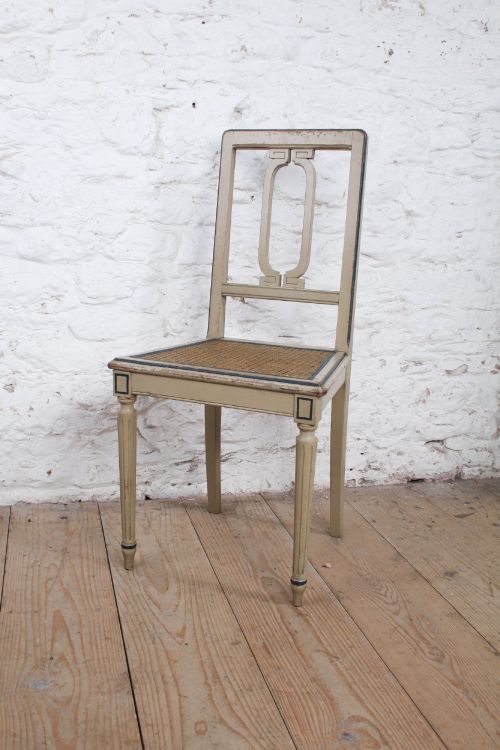
Vintage Country Seating
Vintage country seating brings honest craftsmanship and enduring comfort into a home through sturdy armchairs, benches, and simple wooden stools.
Vintage Country Seating
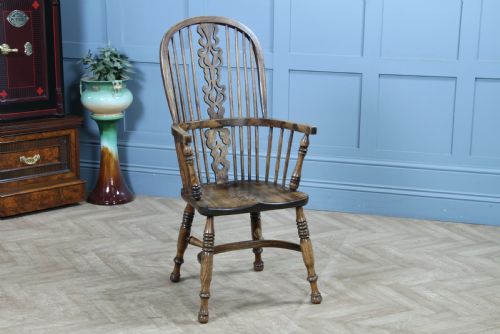
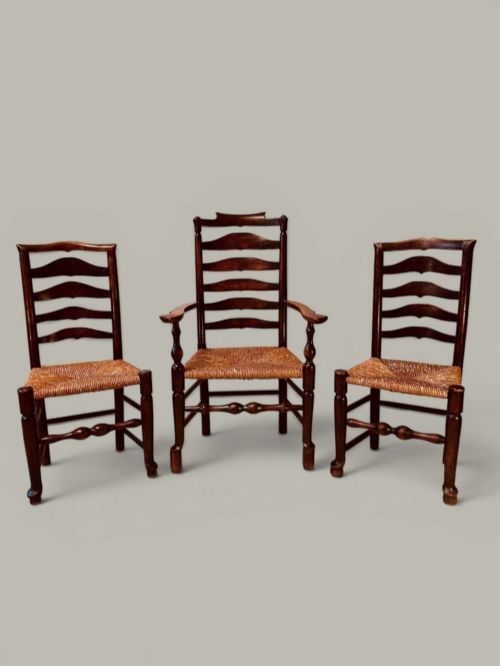
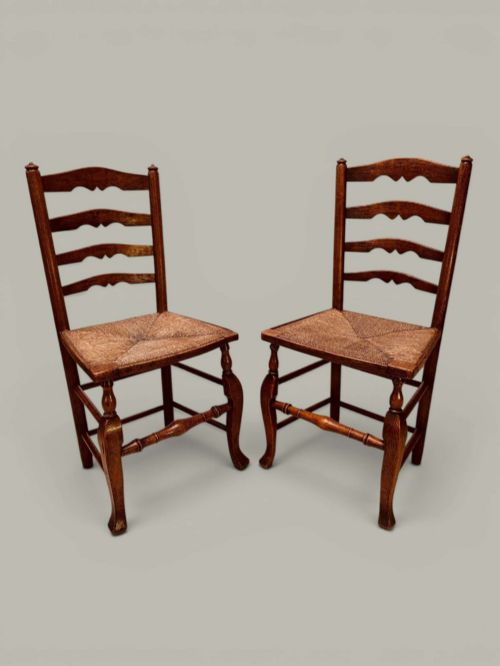
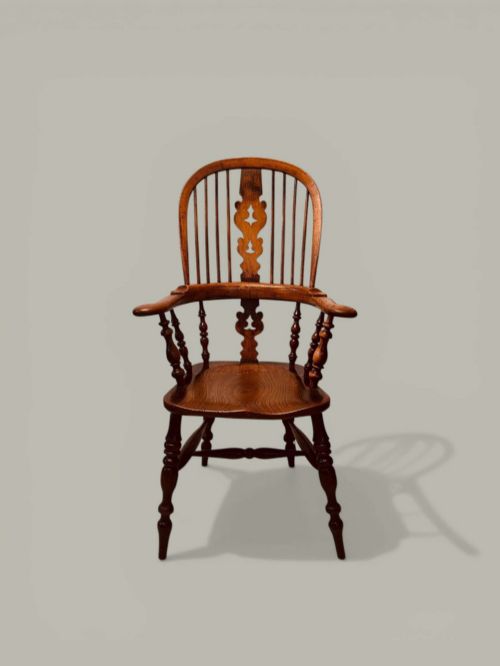
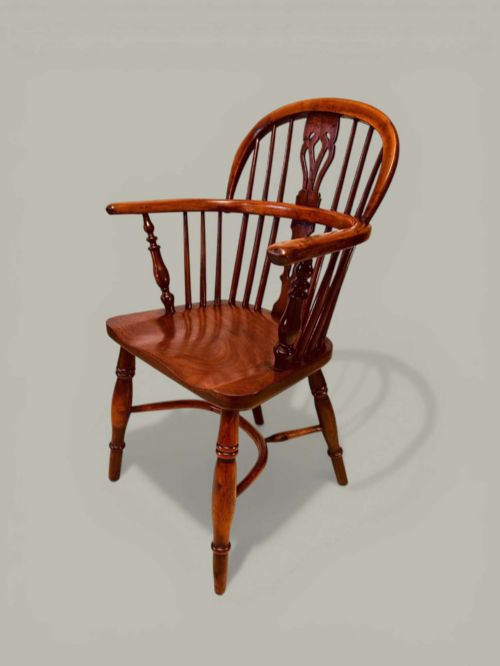
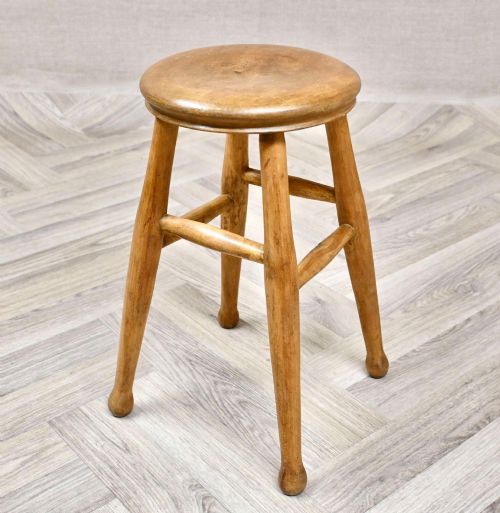
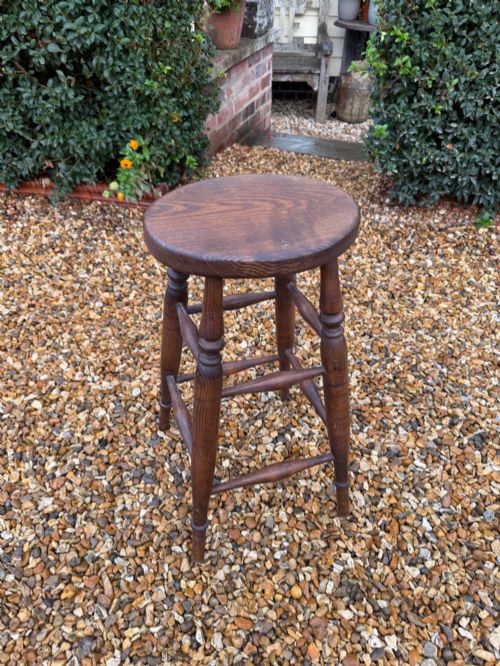
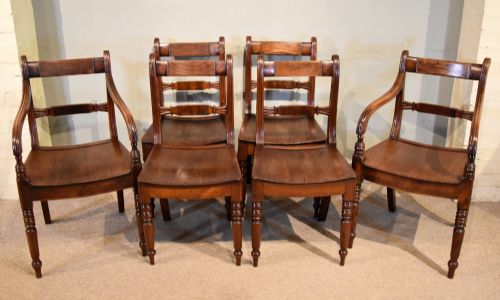
Vintage country seating comprises practical domestic furniture shaped by regional traditions and everyday use rather than formal court tastes. When exploring vintage country seating, buyers encounter robust Windsor armchairs, ladder-back kitchen chairs, refectory benches, and low stools built for hard work.
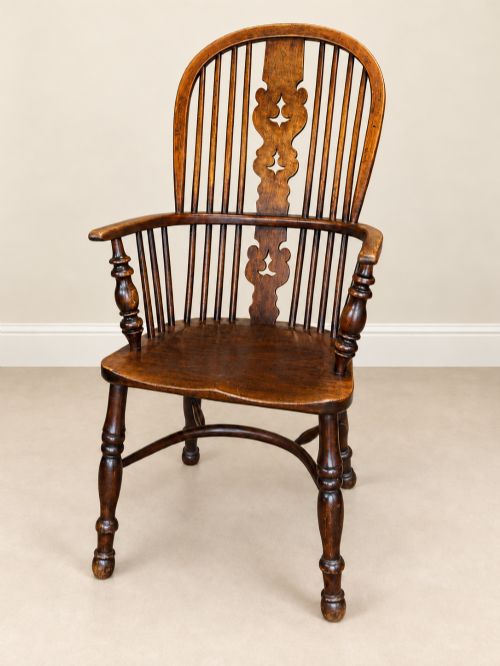
The pieces appearing on this page span the nineteenth and early twentieth centuries, drawing on English, French, Austrian, and Bavarian vernacular designs. Common forms include Windsor chairs with carved elm seats, rush-seated dining chairs, and pine church pews meant for communal spaces.
Makers ranged from village bodgers turning parts in woodland workshops to larger regional firms producing utilitarian seating for farmhouses, taverns, and country homes. These items carry the marks of practical service, from polished armrests to scrubbed pine surfaces shaped by generations of sitters.
Materials and Construction
Makers relied on native timbers suited to specific structural demands, pairing flexible beech or ash for spindles with durable elm for solid, carved saddle seats. Oak and pitch pine provided the rigid framing required for heavy benches, settle backs, and refectory furniture.
Traditional joinery governed the assembly, utilising pegged mortise and tenon joints alongside wedged through-tenons that locked chair legs firmly into solid wood seats. Steam-bending allowed craftsmen to shape continuous arm bows and hoop backs without weakening the grain.
Finishes remained straightforward, consisting of natural wax, linseed oil, or occasional layers of early paint that aged gracefully over decades of daily handling.
Vintage Country Seating Retail Price Guide 2026
Typical asking prices for vintage country seating among the pieces listed under this phrase on Sellingantiques today, from the lower quarter to the upper quarter. They describe what is for sale here now, not the wider market.
Regional country seating on this page spans English vernacular workshops, French farmhouse traditions, and Austrian folk art forms.
Markers of Quality
Superior quality in country seating rests on the integrity of the timber selection and the retention of original structural components. Chairs featuring deeply sculpted elm seats, well-turned spindles, and tight joints demonstrate a higher standard of village craftsmanship.
Proportion and comfort distinguish exceptional examples from routine utility pieces, as seen in balanced arm bows and well-raked legs that ensure stability. The degree of untouched surface patina, showing honest wear without heavy restoration, separates collector-grade seating from heavily altered items.
Howard and Sons·Whytock and Reid
The Vintage Country Seating Glossary
- Windsor chair
- A wooden chair built with a heavy solid seat into which the legs and back spindles are separately bored and wedged. This form relies on a central hoop or comb piece to support the back.
- Smoker's bow
- A low-backed Windsor armchair featuring a continuous curved arm rail resting on short spindles above a solid wooden seat. These chairs were common in domestic parlours and rural inns.
- Settle
- A wooden wooden bench featuring a high solid back designed to block drafts, often incorporating a hinged seat lid for under-bench storage. They sat near hearths in farmhouses and taverns.
- Stick back
- A minimalist chair construction where turned or cleft wooden rods form the back rest without a solid central splat. This method is characteristic of vernacular and primitive seating.
- Bodger
- A travelling woodworker who turned chair legs and spindles on pole lathes in the woods near the source of timber. They supplied component parts to regional chairmakers.
Vintage Country Seating: Frequently Asked Questions
Were country benches used exclusively outdoors?
Country benches served primarily as indoor seating around farmhouse dining tables, in hallways, or beside hearths to keep occupants clear of floor drafts. Sturdier pine and oak versions populated churches, schools, and local taverns.
While some rustic forms suited covered porches, their construction was intended for indoor domestic and commercial utility.
How should I care for antique wooden seating?
Maintain antique wooden surfaces by applying a traditional beeswax polish sparingly to nourish the dry timber and preserve the historic patina. Avoid placing chairs near direct heat sources or in fluctuating humidity to prevent wood shrinkage and joint loosening.
Gentle dusting with a soft cloth keeps the finish clean without stripping the aged surface character.
What is the difference between elm and beech in chairs?
Elm was prized for seats because its interlocking grain resisted splitting when bored and sat upon, making it ideal for carved saddle shapes. Beech offered excellent tensile strength for steam-bent components like hoops, bows, and slender spindle legs.
Combining these native timbers allowed country makers to optimize each part for durability and comfort.